
Setting up a nursery in a Singapore Housing & Development Board (HDB) flat presents a unique set of spatial challenges. With bedroom footprints often limited in modern Build-To-Order (BTO) layouts, finding room for baby essentials without creating a cramped environment requires strategic planning.
The most effective space-saving kids storage solutions for a small HDB nursery focus on multi-functional furniture, vertical wall integration, and highly adaptable modular systems. By selecting pieces that serve multiple purposes and keeping floor space clear, you can create a serene, functional room that feels open and organized.
Assessing Your HDB Nursery Layout and Clearances
Before purchasing any kids storage furniture, you must accurately assess the physical dimensions of your specific HDB room. While online floor plans provide a general layout, actual on-site measurements are crucial because plastering, skirting boards, and structural columns can reduce usable wall length by several centimetres. Use a reliable measuring tape to record the room’s length, width, and ceiling height. Note the locations of electrical outlets, light switches, window frames, and air-conditioning units, as these dictate where tall furniture can safely stand.
Products mentioned in this guide
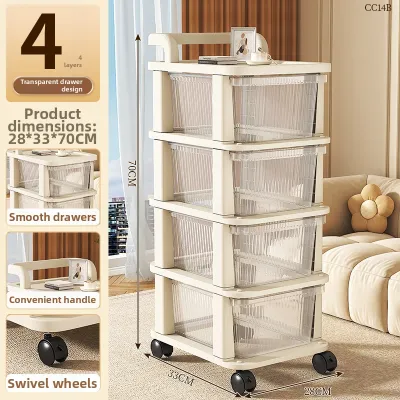
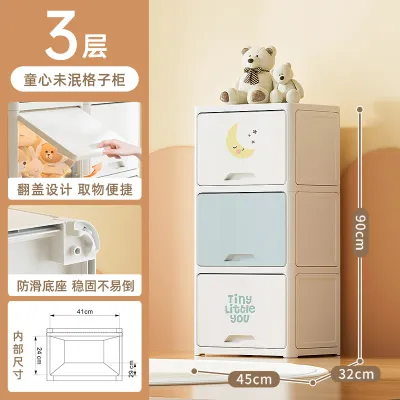
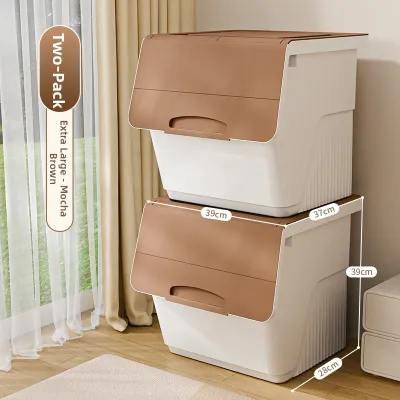
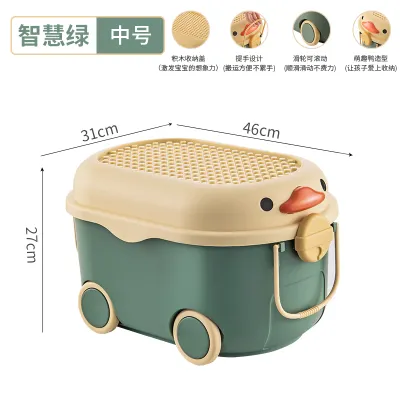
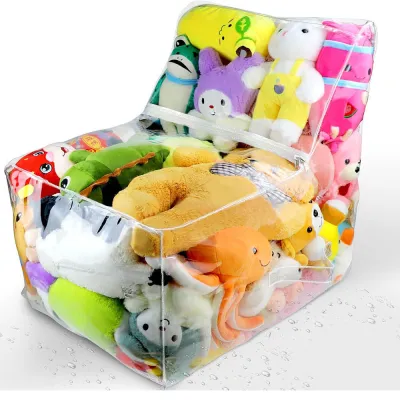
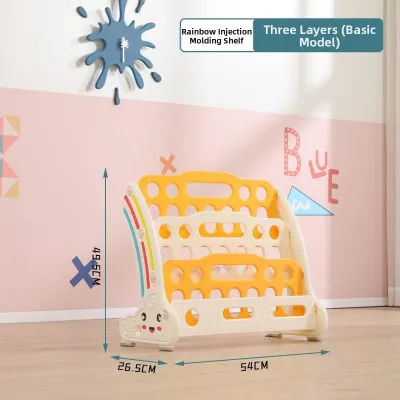
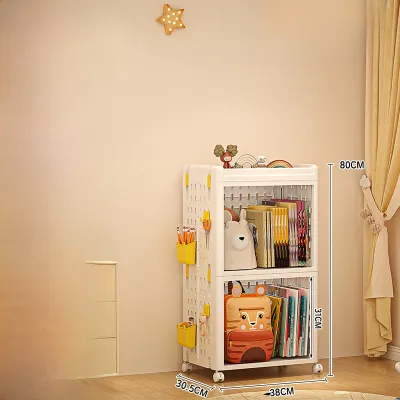
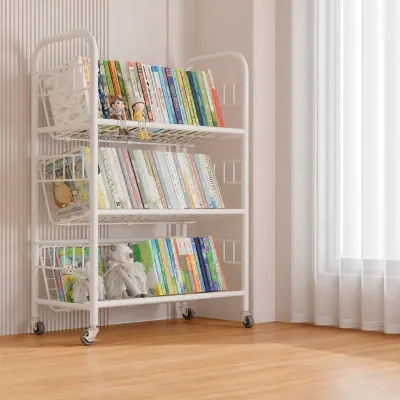
Prices are valid at publication and may change. Please refer to the product page for the latest price.
Do not overlook the path leading into the nursery. Measure the width of your hallways, the clearance of the nursery doorway, and even the dimensions of your home lift. Bulky, pre-assembled wardrobes or cot beds may fit perfectly within the room but prove impossible to maneuver through tight corridors. Ensuring a clear delivery path prevents stressful logistics issues on delivery day.
Once you have the room’s dimensions, plan for comfortable movement. An adult needs at least 60 to 70 centimetres of clear walking space to move comfortably without bumping into furniture. If you plan to bring a stroller or baby carrier into the room, you will require wider clearances. Mark out potential furniture footprints on the floor using masking tape to visually assess whether you can easily open doors, pull out drawers, and attend to your baby without feeling restricted.
Multi-Functional Nursery Furniture with Built-In Storage
When floor space is limited, every piece of furniture must justify its footprint by performing more than one task. Investing in multi-functional designs allows you to combine essential baby care stations with efficient kids storage, keeping the room’s center open and uncluttered.

Cot Beds with Under-Cot Drawers
The space directly beneath a baby’s cot is often wasted, yet it represents a highly valuable storage zone. Choosing a cot bed equipped with integrated under-cot drawers allows you to store bulky essentials, such as spare diaper packs, baby wipes, and bed linens, directly beneath the sleeping area. This keeps daily necessities within arm’s reach while eliminating the need for a separate, free-standing chest of drawers.
When selecting an under-cot storage system, check the drawer mechanism. Some drawers slide on floor casters, while others run on built-in metal tracks attached to the cot frame. Ensure you have sufficient clearance to fully extend these drawers. If the cot is placed parallel to a wardrobe or near the nursery door, a fully extended drawer could block access or create a tripping hazard. Measure the distance from the cot frame to the nearest obstacle to ensure smooth, unobstructed operation.
Changing Tables with Integrated Shelving
A dedicated changing table that only serves one purpose will quickly become obsolete as your baby grows. Instead, look for changing units that feature deep, integrated shelving or drawer systems beneath the changing surface. Many modern designs feature removable changing toppers; once your child outgrows the diaper stage, the top frame can be detached, transforming the unit into a classic dresser for kids storage.
Before buying, pay close attention to the depth of the changing table. Standard changing units can protrude significantly into a small HDB room, narrowing your walking paths. Verify that the unit’s depth allows for safe, comfortable access to the changing pad while leaving ample space behind you. Always check the manufacturer’s weight limits and age recommendations for the changing top to ensure your child’s safety during use.
Maximising Vertical Space with Wall-Mounted Kids Storage
When floor space is exhausted, look upward. Utilizing the vertical height of your HDB walls is one of the most effective ways to expand your nursery’s storage capacity without sacrificing precious floor area. Wall-mounted shelves, hanging fabric organizers, and wooden pegboards are excellent for keeping lightweight items—such as storybooks, soft toys, and daily grooming kits—neatly organized and out of reach of curious toddlers.
Safety & Structural Boundary: Before drilling into any wall in your HDB flat, you must identify its structural composition. HDB flats feature different types of walls, including solid concrete structural walls and hollow, lightweight concrete partition walls. Standard plastic wall plugs will not hold securely in hollow partition walls under heavy loads. You must select the correct wall anchors, screws, and drill bits specifically rated for your wall type. If you are unsure of the wall material or the location of internal electrical conduits and plumbing lines, consult a professional handyman or contractor before proceeding.
Baby-Proofing Requirement: Freestanding kids storage units, such as bookshelves, dressers, and wardrobes, present a severe tipping risk as babies transition into crawling and climbing toddlers. To prevent catastrophic tipping accidents, every tall or heavy furniture piece must be securely anchored to the wall. Use high-quality anti-tip kits, which typically include heavy-duty brackets and straps. Regularly inspect these anchors to ensure they remain tightly secured to both the furniture and the wall structure.
Utilising Hidden and Under-Bed Storage Areas
Maintaining a calm, visually uncluttered nursery is essential for promoting restful sleep for both you and your baby. Utilizing hidden storage zones allows you to keep seasonal items, extra supplies, and less-frequently used gear out of sight.
Low-profile, wheeled storage bins are highly effective for utilizing the empty space beneath single beds or daybeds that caregivers might use in the nursery. These bins are ideal for storing out-of-season clothing, travel gear, or bulky bedding. Opt for bins with secure lids to protect contents from dust.
The back of the nursery door is another overlooked storage asset. Over-the-door hanging organizers with clear pockets are perfect for sorting small items like baby socks, hair accessories, pacifiers, and grooming tools. Ensure the organizer does not interfere with the door’s ability to open and close fully, and check that it does not scratch the door frame.
Maintenance Boundary: Singapore’s tropical, highly humid climate presents a constant challenge for hidden storage areas. Enclosed spaces with minimal airflow are prone to dust accumulation and mould growth, which can trigger infant allergies or respiratory issues. When storing items under a bed or in deep cupboards, use breathable fabric containers or moisture-resistant plastic bins. Place non-toxic silica gel packets or moisture-absorbing sachets inside the containers. Leave a small gap between your storage bins and the walls to encourage air circulation, and schedule a monthly routine to pull out the bins, vacuum the area, and wipe down surfaces with a dry cloth.
Choosing Modular Kids Storage Systems That Grow with Your Child
A nursery’s storage needs change rapidly during the first few years of a child’s life. Newborns require storage for diapers, swaddles, and tiny clothing, while toddlers need accessible spaces for large building blocks, picture books, and toys. Choosing a modular kids storage system allows you to adapt the room’s layout without purchasing entirely new furniture.
Modular systems typically consist of grid-like frames that accommodate interchangeable inserts. You can start with open shelves holding soft fabric bins for lightweight baby items. As your child grows, you can swap the fabric bins for sturdy wooden drawers or open display shelves for books. This adaptability extends the lifespan of your furniture, making it a highly cost-effective choice for HDB living.
When selecting modular units, prioritize safety features. Look for systems with adjustable shelf heights so you can position heavier items lower to the ground. Ensure all edges are rounded and splinter-free to protect active toddlers. Because children frequently touch and mimic chewing on furniture edges, always check the manufacturer’s product labels to verify that the finishes, paints, and materials used are non-toxic, lead-free, and baby-safe. Do not rely solely on brand reputation; review the specific product documentation and safety certifications.
Common Space-Planning and Safety Mistakes to Avoid
Designing a small nursery often involves compromises, but safety and basic room functionality should never be sacrificed. Avoid purchasing overly deep wardrobes or cabinets that choke the room’s main walkways. Bulky furniture can also block the airflow from your air-conditioning unit or obstruct window ventilation, leading to a stuffy, uncomfortable sleeping environment for your baby.
Never skip installing anti-tip wall anchors on your kids storage units, even if the furniture feels heavy and stable. A toddler pulling open multiple drawers can easily shift the center of gravity, causing the entire unit to fall forward.
Additionally, avoid the temptation to place heavy storage items, such as thick wooden toy boxes or heavy books, on high wall-mounted shelves. These items pose a severe falling hazard, especially during play or if the shelf is accidentally bumped. Keep high shelves reserved exclusively for lightweight decorative items, soft toys, or framed pictures secured with appropriate hardware.
Frequently Asked Questions (FAQ)
Do I need HDB approval to install wall-mounted shelves in the nursery?
No, standard wall-mounted shelves and lightweight kids storage installations do not require formal HDB renovation permits, provided you are not hacking, altering, or removing structural walls. However, you must exercise caution when drilling. Avoid drilling near electrical switches, power sockets, or known water pipes. If you are uncertain about the internal layout of your walls, hiring a licensed local contractor or professional handyman is highly recommended to ensure structural safety.
How can I prevent mould in under-bed storage in Singapore's humid climate?
To prevent mould in under-bed kids storage, use airtight, moisture-resistant plastic containers rather than open cardboard boxes. Place silica gel packets or reusable dehumidifier tubs inside the containers to absorb trapped moisture. Ensure you do not pack items too tightly, as air needs to circulate. Keep the storage bins a few centimetres away from the walls, and regularly open the nursery windows or run a dehumidifier to maintain optimal indoor humidity levels. Regularly pull out the containers to clean and inspect the area.

Community discussion
Share your experience or ask a question. Comments are reviewed before publication.