
Setting up a nursery in Singapore often requires creative space planning, especially when working with the compact dimensions of modern HDB flats or apartments. When floor space is at a premium, finding room for bulky changing tables and standalone diaper stations can be a significant challenge. A compact cot organizer offers an elegant, space-saving solution by utilizing the vertical structure of the baby’s cot to keep daily essentials organized and accessible. By selecting an organizer that fits your specific room layout and cot design, you can streamline your daily caregiving routine without overcrowding the nursery.
Assessing Cot and Nursery Dimensions
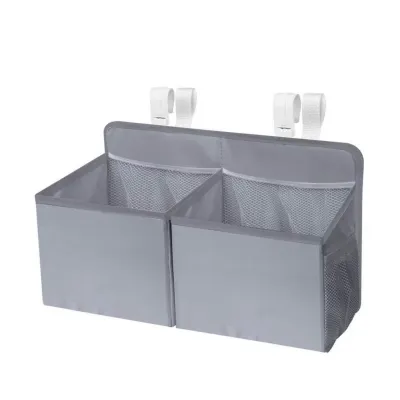
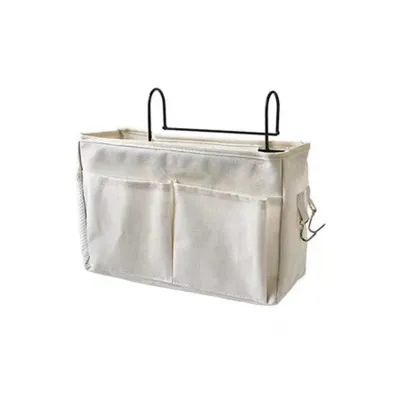
Before purchasing any storage accessory, it is essential to measure your cot and the surrounding area to ensure a secure physical fit. Start by measuring the thickness and shape of your cot’s top rail and individual side slats. Some organizers feature rigid plastic hooks designed for standard rectangular rails, while others utilize flexible fabric straps with hook-and-loop fasteners or adjustable buckles. If your cot has extra-thick, rounded, or sleigh-style rails, rigid hooks may not fit securely, making adjustable straps a much safer and more adaptable choice.
Next, evaluate the physical clearance between the cot and adjacent walls, wardrobes, or bedroom doors. In tight Singapore bedrooms, a hanging caddy that projects too far outward can easily block walkways or prevent nearby cabinet doors from opening fully. Use a measuring tape to determine how many centimeters of clearance you have on each side of the cot, and compare this with the depth of the organizer when fully loaded.
Products mentioned in this guide
![[Ready Stock in SG] Multifunctional Baby Infant Newborn Diaper Nappy Stacker Organizer Crib Hanging bag [Little Gems]](https://img.lazcdn.com/g/p/b75b18d289f7cf701f0b30e5eb54e569.jpg_400x400q80.jpg_.webp)
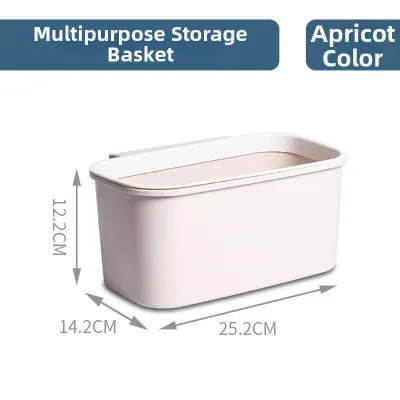
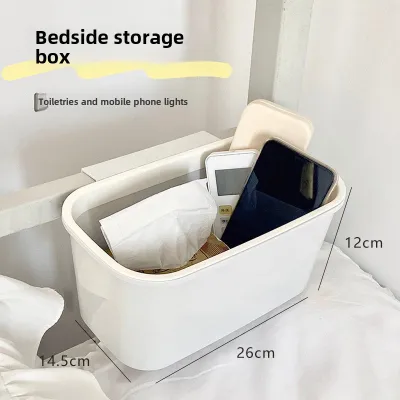
Prices are valid at publication and may change. Please refer to the product page for the latest price.
Finally, verify the vertical and horizontal space available around the cot’s exterior. Ensure that a hanging organizer will not drag on the floor or block access to any under-cot storage drawers. If your cot has an adjustable mattress base, remember that the vertical clearance will change as you lower the mattress to accommodate your growing baby, so choose an organizer that remains functional at all height levels.
Types of Compact Cot Organizers
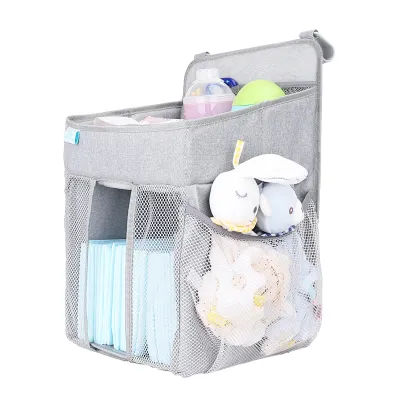
Over-the-rail hanging caddies are among the most popular choices for immediate, bedside access to diapering essentials. These organizers typically hang from the top rail of the cot and feature structured compartments, shelves, and pockets designed to keep diapers, wipes, and creams upright and organized. Because they position everything at waist height, they minimize the need to bend down during late-night diaper changes, though they do require sufficient external clearance since they protrude into the room.

Under-cot storage bins are an excellent alternative for utilizing the often-overlooked space beneath the mattress. These low-profile containers are ideal for storing bulkier items that do not require immediate, frequent access, such as spare bedsheets, seasonal sleep sacks, or extra packs of diapers. When choosing under-cot bins, measure the height from the floor to the bottom of the cot frame carefully, and consider options with wheels or dust covers to keep stored items clean and easy to retrieve.
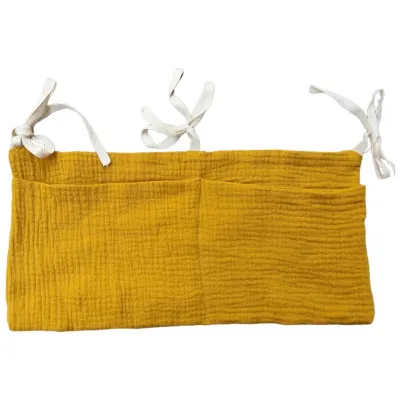
Bedside hanging pockets and mesh nets offer a lightweight, low-profile storage solution that lies relatively flat against the cot slats. Typically made of soft cotton canvas, linen, or breathable mesh, these organizers are perfect for holding lightweight essentials like pacifiers, swaddles, small board books, or nursing pads. Because they do not protrude significantly into the room, they are highly suited for extremely narrow walkways where every centimeter of floor space is precious.
Safety and Compatibility Checks
Ensuring the safety of your baby is the most critical step when selecting and installing any nursery accessory. Begin by thoroughly checking the security of the attachment straps or hooks to ensure the organizer cannot slide, tilt, or fall under weight. Any straps, cords, or fasteners must be secured tightly and kept completely out of your baby’s reach to prevent any risk of entanglement or choking.
To avoid serious suffocation hazards, always position the organizer on the exterior side of the cot, completely away from the infant’s sleeping area. No part of the organizer, its pockets, or its contents should ever hang inside the cot where a sleeping or rolling baby could make contact with them. As your baby grows and begins to sit up or pull themselves to a standing position, you must re-evaluate the organizer’s placement to ensure they cannot reach the items stored inside.
Always verify the manufacturer’s specified weight limits for both the organizer and your cot rails before loading it with supplies. Overloading a hanging caddy can put excessive strain on the cot’s structure, potentially damaging the rails or causing the organizer’s seams to tear. Additionally, ensure the organizer does not block essential ventilation through the cot slats, which is vital for maintaining a comfortable sleeping temperature in Singapore’s warm and humid climate. Stop using the organizer immediately or consult a qualified professional if you notice any signs of structural wear, loose attachments, or if it interferes with the safe operation of the cot.
Layout Strategies for Compact Singapore Nurseries
Maximizing the utility of a cot organizer in a compact HDB flat requires a thoughtful approach to room layout. If hanging a bulky caddy directly on the cot restricts movement in a narrow bedroom, consider utilizing the vertical wall space adjacent to the cot instead. Mounting lightweight wall shelves or a pegboard nearby allows you to keep diapering essentials within arm’s reach while keeping the cot rails entirely clear and preserving valuable floor space.
When arranging the contents of your organizer, prioritize placing high-frequency daily essentials within the easiest reach. Keep diapers, wipes, and diaper creams in the top compartments so you can access them quickly with one hand while keeping your other hand safely on your baby. Reserve lower pockets or under-cot bins for secondary items like clean swaddles, extra laundry bags, or spare bedding that you do not need to grab in a hurry.
Maintain clear, unobstructed walkways around the cot to ensure a safe and comfortable environment for both you and your baby. Avoid placing a hanging organizer on a side of the cot that faces a main walkway or the entry door, as bumping into it repeatedly can loosen the attachments or cause items to spill. By keeping the organizer positioned against a wall-facing side or a low-traffic corner, you can maintain a smooth flow of movement throughout the room.
Common Space-Matching Mistakes to Avoid
One of the most common mistakes parents make is ignoring the thickness of their cot’s rails when purchasing an organizer. Buying a rigid hook-on model without measuring can lead to an insecure fit, causing the organizer to wobble, slide, or even fall when you try to retrieve an item. Always double-check the attachment specifications and opt for adjustable straps if your cot has non-standard or curved rails.
Another frequent error is overloading hanging caddies beyond their structural capacity. It can be tempting to pack every pocket to its absolute limit, but excessive weight causes fabric organizers to sag, stretch, and pull away from the cot rails. This sagging not only looks untidy but can also bring the organizer dangerously close to your baby’s reach or cause it to lean precariously into narrow walkways.
Finally, be mindful of creating potential climbing hazards as your infant transitions into a toddler. Sturdy, structured pockets or low-hanging caddies on the exterior of the cot can easily be used as a foothold by an adventurous older baby trying to climb out. Regularly assess your child’s physical development and developmental milestones, and be prepared to remove or reposition the organizer as soon as they show signs of pulling themselves up.
Frequently Asked Questions (FAQ)
Can I use a hanging cot organizer on a convertible or drop-side cot?
Yes, but you must take extra precautions and carefully review the manufacturer’s guidelines for both the cot and the organizer. Ensure that the attachment straps do not wrap around or interfere with any moving parts of a drop-side mechanism, as this can jam the rail or cause the organizer to fall when the side is lowered. For convertible cots that transition into toddler beds, verify that the organizer can still be securely attached without relying on slats that may be removed during the conversion process.
How do I clean and maintain a fabric cot organizer?
Always check the manufacturer’s care label before cleaning, as many fabric organizers contain rigid cardboard or plastic inserts that cannot be submerged in water. For minor spills, dust, or stains, spot-clean the fabric using a damp cloth and a mild, baby-safe detergent. Because Singapore’s climate is highly humid, it is crucial to let the organizer air-dry completely in a well-ventilated area before reattaching it to the cot to prevent the growth of mold or mildew.

Community discussion
Share your experience or ask a question. Comments are reviewed before publication.