
Organising a nursery in Singapore requires balancing limited floor space with the need for a clean, safe, and highly functional environment. Soft toys often accumulate quickly, making a dedicated storage system essential to prevent clutter and maintain hygiene.
The ideal storage solution for your nursery depends on your room’s layout, the volume of plush toys, and your child’s developmental stage. By selecting organizers that match your specific space constraints and safety requirements, you can create an orderly play area that encourages independent tidying as your child grows.
Essential Criteria for Choosing Nursery Storage
Before purchasing any storage unit, measuring your nursery’s available floor area is the most critical first step. Singapore apartments, particularly modern HDB flats and condominiums, often feature compact bedrooms where every square centimetre counts. You must map out the footprint of the storage unit to ensure it does not block walkways, door swings, or wardrobe access. A unit that is too deep can make a small room feel cramped and restrict your movement when carrying your baby.
Products mentioned in this guide
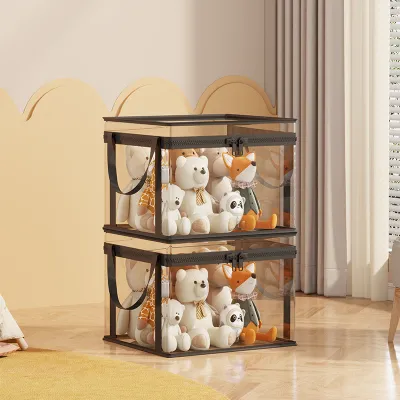
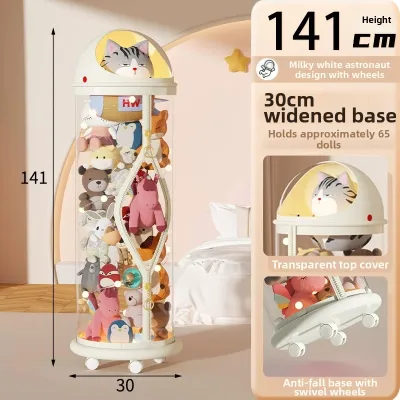
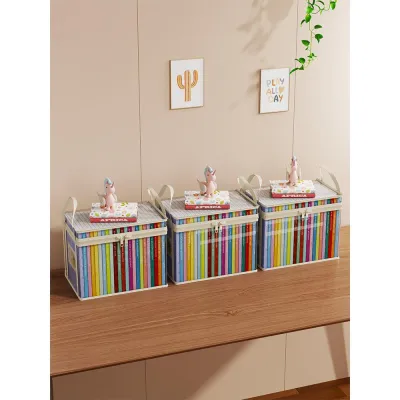
![[SG Stock]Storage Bucket with Upgraded Zipper Large Capacity PVC Plush Doll Storage Plush Doll Storage](https://img.lazcdn.com/g/p/c795a047f6df03dfb0f1d3abdedf7627.jpg_400x400q80.jpg_.webp)
![[SG LOCAL STOCKS] Multi-purpose Kids Cartoon Toys Storage Box Foldable Collapsible for Clothes Book Toys Able to Sit](https://img.lazcdn.com/g/p/9235a57074fa6b12b8368c399923c4dd.jpg_400x400q80.jpg_.webp)
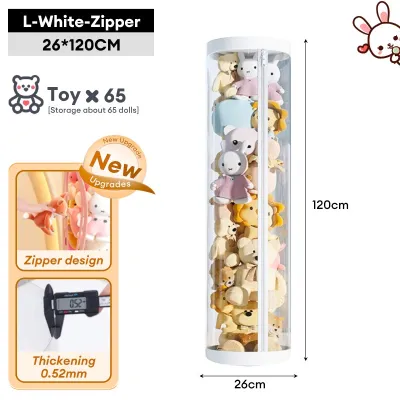
Prices are valid at publication and may change. Please refer to the product page for the latest price.
Child accessibility is another key factor that changes as your baby transitions into a toddler. If you want to foster independence, storage bins should be low enough for your child to reach safely without assistance. Low-slung baskets or floor-level bins allow toddlers to choose their own toys and, eventually, participate in putting them away. Conversely, if you prefer to control access to certain toys, elevated shelving or wall-mounted options may be more appropriate for your setup.
Weight capacity and structural stability are vital safety considerations that parents sometimes overlook when storing lightweight items like plush toys. While a single soft toy weighs very little, a large collection packed into a single basket or shelf can become surprisingly heavy. You must verify that the storage unit can support the cumulative weight without bowing, sagging, or becoming top-heavy. Any unit with a high centre of gravity poses a tipping hazard, especially if a child attempts to climb it to reach a toy at the top.
Finally, evaluate the material safety, ease of cleaning, and aesthetic compatibility of the storage options. Nursery furniture should be free from sharp edges, splintering wood, or toxic finishes. Because soft toys can gather dust and allergens, the storage containers themselves must be easy to clean, whether through machine washing for fabric bins or wiping down for plastic and wooden shelves. Choosing materials that complement your nursery’s decor helps create a calming, cohesive environment.
Comparing the Most Practical Storage Types
Nursery storage generally falls into three main categories: freestanding bins, suspended or wall-mounted organizers, and modular shelving units. Each type offers distinct advantages depending on your room’s layout, the size of your toy collection, and how often the toys are used. Understanding these differences allows you to select a single system or combine multiple styles to create a customized storage plan.

Freestanding options excel at providing quick, low-level access but require dedicated floor space. Suspended organizers utilize vertical space, making them excellent for small rooms, though they keep toys out of a young child’s reach. Modular shelving offers the greatest versatility and longevity, adapting to your changing needs as your child grows. Many parents find that mixing a low floor basket for daily favorites with a wall-mounted hammock for display-only plushies provides the perfect balance.
Freestanding Bins and Baskets
Freestanding bins and baskets are the most straightforward solution for rapid toy cleanup. Soft canvas and cotton rope baskets are highly popular because they have no sharp corners, making them exceptionally safe for babies who are learning to crawl or pull themselves up. Rigid woven baskets or plastic tubs, on the other hand, maintain their shape even when empty, providing a neater appearance but requiring more care to avoid bumps and scrapes.
Stability is a primary concern with floor-level storage. Lightweight fabric baskets will simply collapse if a child leans on them, which prevents injury but can spill the contents across the floor. Rigid plastic or wooden bins must have a wide, stable base to prevent them from tipping over if a toddler decides to climb inside or pull on the rim. Always test the stability of a freestanding unit when it is fully loaded to ensure it remains firmly on the ground.
Cleaning requirements vary significantly by material. Cotton rope and canvas bins can often be spot-cleaned or tossed into a washing machine, though you must check the manufacturer’s care label first to prevent shrinkage. Plastic bins are the easiest to sanitize with a simple damp cloth and mild baby-safe detergent. Woven natural fibers, like seagrass or rattan, can trap dust in their crevices and may require regular vacuuming with a brush attachment to keep them clean.
Hanging Organizers and Toy Hammocks
Hanging organizers and toy hammocks are excellent for maximizing floor space by utilizing unused wall corners or the backs of doors. These solutions are particularly useful in smaller Singapore nurseries where floor space is at a premium. However, installing these items requires careful planning and the right hardware. In Singapore, nursery walls are often made of solid concrete or drywall; you must use appropriate wall plugs and screws rather than simple adhesive hooks to ensure the installation remains secure under weight.
Always check the manufacturer’s specified weight limits before loading a hanging organizer. While soft toys are generally light, a dense collection of large plushies can put significant strain on wall anchors or door hinges. Overloading a hammock can cause the fabric to sag excessively or pull the mounting screws out of the wall, creating both a mess and a safety hazard.
Placement is the most critical safety factor when installing suspended storage. You must never hang a toy hammock or wall organizer directly above a crib, changing table, or playpen. If the organizer falls or if a toy slips out, it could land on your sleeping or resting baby. Additionally, ensure the hammock is hung high enough that a standing toddler cannot reach up, grab the netting, and pull the entire structure down or use it to climb.
Modular Shelving with Removable Bins
Modular shelving units equipped with removable bins offer a highly organized, systematic approach to toy storage. These systems allow you to categorize toys by size, type, or frequency of use, making it easier to manage a large collection. The primary safety requirement for any shelving unit in a nursery is the installation of anti-tip anchoring hardware. You must secure the shelf directly to the wall stud or concrete wall using the manufacturer-supplied brackets to prevent catastrophic tip-over accidents.
When selecting a modular unit, look for interchangeable bin sizes that can be easily swapped out. Small bins are perfect for tiny plush keychains or rattle toys, while larger bins can accommodate oversized stuffed animals. Adding clear labels or simple picture tags to the front of each bin helps older toddlers identify where each toy belongs, turning cleanup time into an educational sorting activity.
The greatest benefit of modular shelving is its long-term adaptability. As your child outgrows soft toys, the unit can easily transition into a bookshelf, a display shelf for school projects, or storage for folded clothes and school supplies. Investing in a high-quality, neutral-colored wooden or sturdy composite frame ensures the furniture remains useful well into your child’s primary school years.
Crucial Safety and Maintenance Verifications
Ensuring the safety of your nursery storage requires ongoing vigilance and regular maintenance checks. For any tall furniture or shelving units, you must verify that the anti-tip anchoring hardware is correctly installed and remains tightly secured to the wall over time. Children often use shelves as makeshift ladders, and even a relatively short unit can tip forward if a child’s weight is concentrated on an open drawer or upper shelf.
Regularly inspect all storage containers for wear and tear that could pose a hazard to your baby. Check fabric bins for loose threads, fraying seams, or small decorative elements like buttons or plastic eyes that could detach and become choking hazards. For wooden or plastic units, run your hands along the edges to check for splinters, cracks, or sharp plastic corners that may have developed from rough play. If you detect any damage that compromises the structural integrity or safety of the unit, stop using it immediately until it can be repaired or replaced.
Singapore’s tropical climate, characterized by high humidity and warm temperatures, creates an environment where mold and dust mites can thrive. To prevent moisture buildup and mold growth, avoid placing storage bins directly against damp external walls or in unventilated corners. If you are using fabric or woven baskets, ensure they are completely dry after cleaning before placing toys back inside. Regularly airing out the nursery, using a dehumidifier if necessary, and washing soft toys according to their individual care labels will help maintain a healthy, allergen-free environment for your child.
Step-by-Step Guide to Finalizing Your Purchase
To make a confident purchase decision, start by measuring the exact zone in your nursery where the storage unit will stand. Note the clearance space required for nearby doors, wardrobe drawers, and walkways to ensure the room remains easy to navigate. Write down these maximum dimensions so you can quickly filter out options that are too large or awkwardly shaped during your search.
Next, establish a realistic budget in S$ for your nursery storage. Simple fabric baskets can cost as little as S$10 to S$30, while high-quality modular wooden shelving units can range from S$100 to several hundred dollars. Consider the long-term value of the item; a more expensive, durable piece of furniture that transitions with your child may save you money over time compared to a cheap plastic bin that needs frequent replacement.
Cross-reference the specifications of your shortlisted products with your safety checklist. Verify that the manufacturer includes anti-tip hardware, specifies non-toxic finishes, and provides clear weight capacity guidelines. If a product description lacks these details, contact the retailer or manufacturer directly to confirm before purchasing.
Finally, read verified buyer reviews on online marketplaces or retail websites, paying close attention to feedback regarding durability, ease of assembly, and hardware quality. Look for reviews from parents who have used the product in a nursery setting for several months. Their experiences can provide valuable insights into how well the materials hold up to daily wear and tear and whether the unit remains stable and safe in practice.
Frequently Asked Questions (FAQ)
How do I keep soft toys dust-free in storage?
To keep soft toys dust-free, store items that are not in daily rotation in lidded plastic containers or zippered fabric storage bags. This is particularly important for babies with sensitive airways or allergies. For toys that are used frequently, establish a regular cleaning routine by vacuuming them with a brush attachment or washing them according to their care labels. Ensure that any storage container you use allows for some ventilation to prevent moisture from trapping inside, which can lead to musty odors in humid climates.
Are toy hammocks safe for a baby's room?
Toy hammocks can be safe for a baby’s room, provided they are installed and used strictly according to safety guidelines. You must mount the hammock high up on the wall, completely out of reach of your baby or toddler, to prevent them from pulling it down or attempting to climb it. Never hang a hammock directly above a crib, changing table, or play area where a falling toy or a collapsing mount could injure your child. Always use heavy-duty wall anchors suitable for your wall type to ensure the hammock remains securely attached under the weight of the toys.

Community discussion
Share your experience or ask a question. Comments are reviewed before publication.