
Selecting the right soft toy organizer for a nursery in Singapore requires balancing space efficiency, child safety, and ease of maintenance in a tropical climate. Plush toys accumulate rapidly from baby showers and developmental milestones, quickly cluttering limited nursery floor space. The ideal storage solution depends on your child’s developmental stage, the room’s layout, and your storage goals. By evaluating corner hammocks, floor baskets, hanging mesh bags, and structured shelving units, you can create an organized, safe, and visually appealing environment for your little one.
In Singapore’s compact living spaces, such as HDB flats and condominiums, maximizing every square meter is essential. A well-chosen organizer not only keeps the nursery tidy but also supports your child’s cognitive and motor skill development by making toys accessible. Furthermore, managing dust and humidity is a critical consideration for any fabric-based storage in a tropical environment. This guide outlines the key factors, types, safety checks, and spatial planning steps to help you select the perfect soft toy organizer for your nursery.
Key Factors for Choosing Nursery Toy Storage
When planning your nursery storage, the primary goal is to establish clear criteria based on your family’s daily routine and your child’s growth. Accessibility is a major factor that changes as your baby transitions into toddlerhood. For infants, storage is primarily for the caregiver’s convenience, meaning items can be kept higher up or out of immediate reach. As your child reaches ten to twelve months and begins crawling or pulling themselves up, low-slung storage allows them to choose and return toys independently, fostering early organizational skills.
Products mentioned in this guide
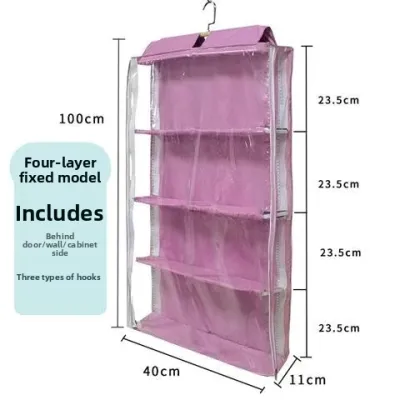
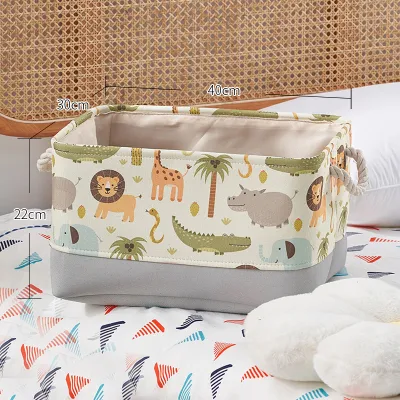
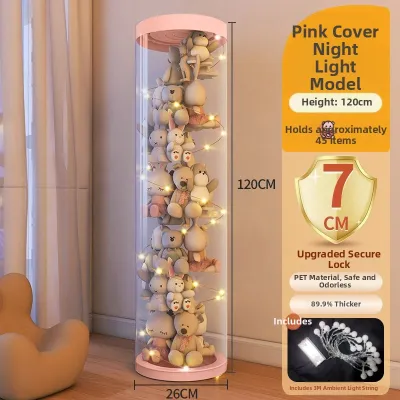
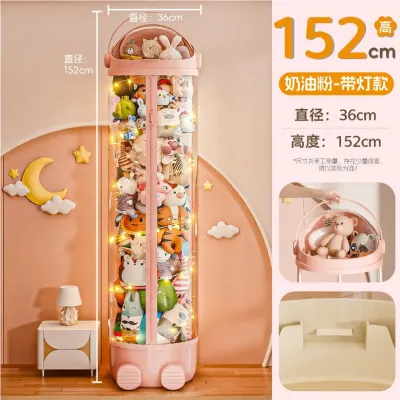
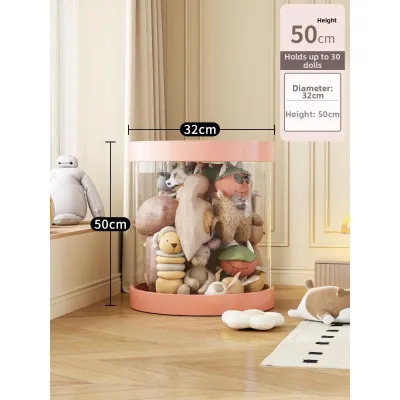
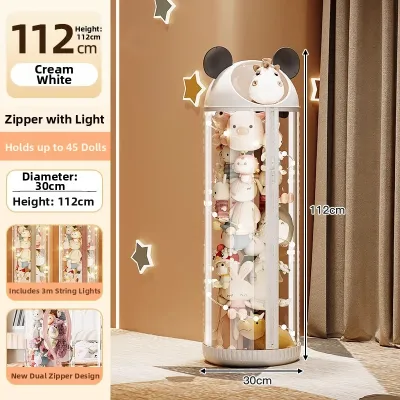
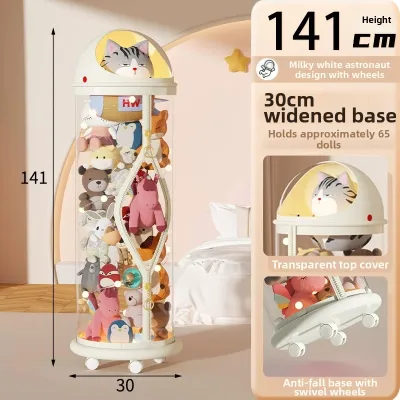
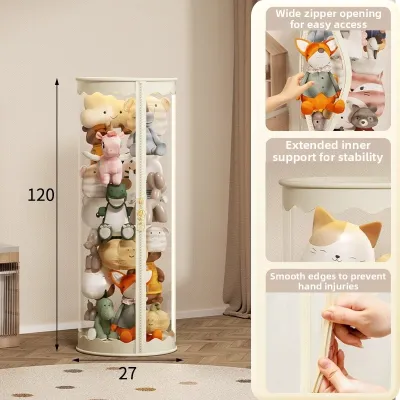
Prices are valid at publication and may change. Please refer to the product page for the latest price.
Balancing capacity with the physical footprint of the organizer is another crucial consideration. Large, bulky toy chests can quickly overwhelm a small nursery, leaving little room for play mats or nursing chairs. Vertical storage solutions, such as wall-mounted shelves or hanging organizers, help keep the floor clear while still accommodating a growing collection of plushies. It is important to choose a system that can adapt as your child’s toy collection evolves from small rattles to larger stuffed animals.
Aesthetics play a significant role in creating a calming and cohesive nursery environment. The organizer should complement your chosen decor theme, whether it is a minimalist Scandinavian design, a warm wooden aesthetic, or a colorful, playful space. Soft fabric bins, natural cotton rope baskets, and neutral-toned shelving units are popular choices that blend seamlessly with modern nursery designs. Choosing visually pleasing storage also makes the transition from a baby nursery to a toddler room much easier.
Maintenance is particularly important in Singapore’s humid climate, where dust mites and mold can thrive on soft surfaces. Fabric organizers and plush toys can easily trap dust, pet dander, and moisture if not properly managed. When selecting an organizer, look for materials that are easy to clean, machine washable, or simple to wipe down. Breathable fabrics like cotton canvas or open mesh allow for better air circulation, reducing the risk of musty odors and keeping your baby’s play environment hygienic.
Types of Soft Toy Organizers Compared
Different storage styles offer distinct advantages depending on your nursery’s layout and your child’s age. Corner hammocks are an excellent way to utilize “dead space” in the upper corners of a room. These net or fabric hammocks keep plush toys off the floor and display them clearly, making it easy to see the entire collection. However, they require drilling into the wall for installation, and the toys remain completely out of reach for young children, making this a caregiver-only access solution.

Floor baskets and bins are highly popular due to their portability and ease of use. Made from soft materials like coiled cotton rope, felt, or canvas, these baskets have no sharp edges, making them exceptionally safe for crawling babies and toddlers. They allow children to easily dump toys out and practice putting them back inside. The main drawback is that they consume valuable floor space and can look cluttered if overfilled, and they offer no protection against dust unless they come with a matching lid.
Hanging mesh or canvas bags offer a highly space-saving alternative that can be suspended behind doors, inside closets, or from wall hooks. These organizers are lightweight, budget-friendly, and often feature multiple compartments to help categorize different sizes of plushies. The breathable mesh material is particularly beneficial in humid environments as it prevents moisture buildup. However, caregivers must strictly observe weight limits to prevent the organizer from sagging or tearing, and ensure it is hung at a safe height to avoid strangulation hazards.
Shelving units with removable fabric bins provide a highly structured and versatile storage system. These units keep toys organized and hidden from view, creating a neat and tidy appearance. They can easily transition to hold books, puzzles, and school supplies as your child grows. The trade-off is a larger physical footprint and a higher initial cost, often ranging from S$50 to S$150 or more. Additionally, because these units are heavier and taller, they require secure wall anchoring to eliminate any risk of tipping over.
Safety and Accessibility Checks for Nurseries
Safety is the paramount consideration when introducing any new furniture or storage accessory into a baby’s room. For tall shelving units or heavy organizers, verifying and installing anti-tip hardware is a critical step. In Singapore, many residential walls are made of solid concrete, which requires a masonry drill bit and heavy-duty wall plugs for secure mounting. If you are mounting to a drywall partition, ensure you use appropriate toggle bolts or locate the wall studs to prevent the unit from pulling away from the wall.
Caregivers must also inspect organizers for potential choking and strangulation hazards. Avoid organizers with long hanging cords, loose drawstrings, or small decorative buttons that a curious infant could pull off and swallow. Hanging mesh bags or corner hammocks must be kept completely out of reach of infants in cribs or playpens. If a hanging organizer is placed behind a door, ensure the door cannot swing shut and trap a child’s fingers or cause the organizer to fall.
Material safety should be verified by checking manufacturer labels for non-toxic fabrics, safe dyes, and lead-free finishes. Look for certifications such as OEKO-TEX Standard 100, which indicates that the textile components have been tested for harmful substances. Avoid organizers made from cheap plastics or synthetic materials that emit strong chemical odors, as these volatile organic compounds (VOCs) can irritate a baby’s sensitive respiratory system.
Finally, align the height of the storage with your child’s current motor skills and physical development. For toddlers, daily-use toys should be kept on lower shelves or in floor baskets where they can reach them without stretching or climbing. If you observe your child attempting to climb a shelving unit or pull on a hanging organizer to reach a toy, immediately relocate those items to a lower level and consider removing the high storage unit entirely to prevent fall injuries.
How to Measure and Plan Your Nursery Space
Before purchasing any soft toy organizer, taking precise measurements of your nursery will ensure a proper fit and prevent spatial frustration. Start by identifying usable “dead spaces” that do not interfere with the room’s main functional areas. The corners of the room, the wall space above a changing table, or the area underneath a crib are excellent candidates for storage. Utilizing these underused zones helps keep the center of the room open for tummy time and active play.
Next, measure the clearances required for doors, drawers, and walking paths. Use a standard measuring tape to ensure that wardrobe doors and the main room door can open fully without striking the organizer. It is recommended to maintain a clear walking path of at least 60 to 90 cm throughout the room. This ensures that caregivers can navigate the nursery safely in the dark during nighttime feedings without tripping over low baskets or bumping into protruding shelves.
Additionally, check your wall structures and understand their weight limits before installing wall-mounted options. Knock on the wall to determine if it is solid concrete (common in structural walls of HDB flats) or hollow drywall (often used for internal partition walls). Always refer to the manufacturer’s specifications for the maximum weight capacity of the organizer. Keep in mind that while plush toys are individually light, a large collection stored together can become surprisingly heavy, putting strain on wall anchors or hanging hooks.
Where to Buy and What to Verify Before Checkout
When you are ready to purchase, navigating your retail options carefully will help you find a high-quality product that fits your budget. You can explore specialized baby boutiques, general home furniture retailers, and online marketplaces. While online marketplaces offer a wide variety of budget-friendly options, specialized baby stores often carry products that have undergone more rigorous safety and non-toxic material testing.
Before finalizing your purchase, verify exactly what hardware is included in the package. Many wall-mounted organizers or corner hammocks come with standard screws and plastic anchors, which may not be suitable for the solid concrete walls found in many Singaporean homes. You may need to visit a local hardware store to purchase heavy-duty masonry plugs and screws to ensure a secure installation.
Lastly, take the time to review the retailer’s return policy and read user feedback thoroughly. Look specifically for reviews that mention fabric durability, seam tearing, or chemical smells. A flexible return policy is highly beneficial, allowing you to return or exchange the organizer if it does not fit your nursery’s dimensions or if the material quality does not meet your expectations upon delivery.
Frequently Asked Questions (FAQ)
How often should I wash fabric toy organizers?
Always check the manufacturer’s care tag first for specific washing instructions and temperature limits. Generally, a light spot cleaning with a damp cloth and mild baby-safe detergent every month is sufficient for regular maintenance. For a deeper clean, machine wash fabric bins or canvas bags every three to six months on a gentle cycle. Because Singapore’s high humidity can encourage mold and mildew growth, ensure the organizer is completely dry—either by sun-drying or using a dryer on a low heat setting—before placing plushies back inside.
Can I use a regular storage basket instead of a nursery-specific one?
Yes, you can use general home storage baskets, but you must perform a thorough safety check first. Inspect the basket for sharp wicker edges, splintering wood, or rough metal wires that could scratch your baby’s delicate skin. Verify that the basket does not have small detachable decorative parts, loose threads, or heavy lids that could trap or pinch small fingers. Ensure any paint or finish used on the basket is non-toxic and lead-free, as babies often explore their environment by chewing on accessible surfaces.

Community discussion
Share your experience or ask a question. Comments are reviewed before publication.