
Quick Answer: Which Outlet Cover Should You Choose?
When childproofing your home, securing electrical outlets is a critical step to protect curious hands. The ideal protection method depends on how frequently you use the socket, your child’s developmental stage, and the physical design of your wall plates.
Choose sliding covers if you want a permanent, low-maintenance solution for frequently used, standard sockets. These covers automatically slide closed the moment you unplug an appliance, removing the risk of human error.
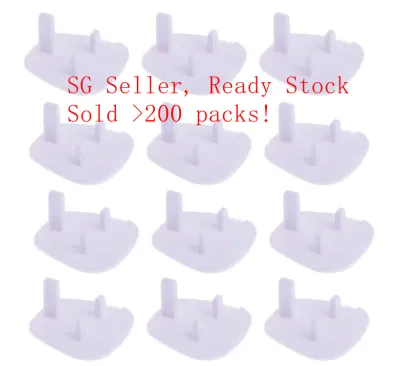
Choose plug-in caps if you need a temporary, budget-friendly, or highly portable option. They are excellent for travel, visiting relatives, or securing outlets that are rarely or never used.
Products mentioned in this guide

![[SG SELLER] [FREE SHIPPING] Child Baby Safety Socket Cover Plug Cover Protector 🇸🇬SINGAPORE USE🇸🇬](https://img.lazcdn.com/g/p/a1bb8027e643fb1f1a8c9a8404167892.jpg_400x400q80.jpg_.webp)
Prices are valid at publication and may change. Please refer to the product page for the latest price.
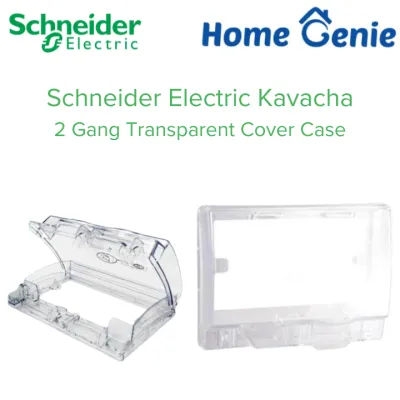
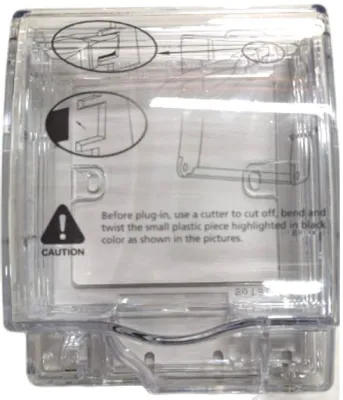
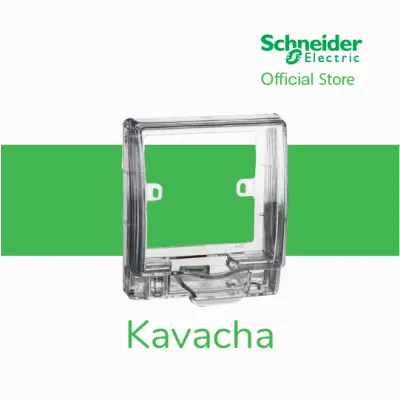
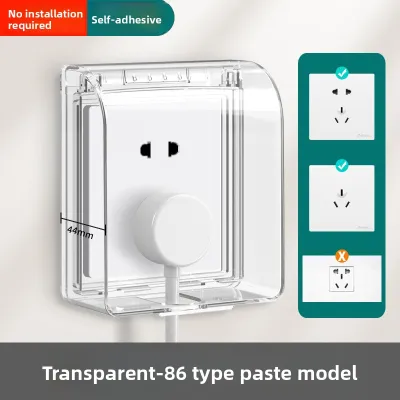
Choose outlet boxes if you need to protect outlets that have appliances constantly plugged into them, such as television consoles, refrigerators, or standing fans. These boxes enclose both the plug and the outlet switch, preventing toddlers from pulling out cords or tampering with the power switches.
Before purchasing any option, verify its compatibility with your specific wall plate design and local socket standards, such as the Type G sockets commonly found in Singapore.
Understanding the Three Main Types of Outlet Protection
Before deciding on a safety strategy, it is helpful to understand how each protection method physically blocks access to electrical contacts. Each type uses a distinct mechanical approach to keep children safe.

While all three methods aim to prevent accidental contact, their effectiveness relies entirely on correct installation, regular maintenance, and matching the exact physical dimensions of your existing wall plates.
Sliding Outlet Covers
Sliding outlet covers replace or fit over your existing decorative wall plates. They feature an internal spring-loaded mechanism that keeps the socket holes covered when no plug is inserted.
To use the outlet, you place the prongs of your plug against the cover, slide it to align with the socket holes, and push the plug in. When you pull the plug out, the cover instantly slides back into the closed position.
This automatic closing action makes them highly convenient for high-traffic areas. Because they are screwed directly into the wall plate, they cannot be easily lost or removed by older children who have developed advanced problem-solving skills.
Plug-in Caps
Plug-in caps are individual plastic inserts with prongs that press directly into the open holes of an unused socket. They sit relatively flush against the wall plate to minimize a child’s ability to grip and pull them out.
To remove these caps, adults typically need to use a specific removal tool, a flat object, or significant finger strength. This simple, tool-free installation makes them highly popular for quick childproofing setups.
Their compact size makes them highly portable, allowing you to pack them easily in a diaper bag for travel or temporary stays. However, because they must be completely removed to use the outlet, they require discipline to put back in place every time.
Outlet Boxes and Cover Boxes
Outlet boxes, or cover boxes, are protective plastic enclosures that fit over the entire wall socket, including any plugged-in cords. They typically feature a hinged door with a child-resistant latching mechanism.
These boxes are designed to address a common gap in childproofing: outlets that must remain in use. By enclosing the plug and the cord outlet, they prevent toddlers from pulling plugs out of the wall or playing with the exposed prongs.
Because they house the entire plug assembly, they have a much bulkier profile than other options. They require sufficient wall clearance and are best suited for outlets hidden behind heavy furniture or dedicated appliance zones.
Key Comparison Dimensions for Childproofing
Selecting the right outlet cover requires balancing daily household convenience with the physical capabilities of your child. Evaluating these options across key practical dimensions will help you identify the best fit for each room.
Ease of Use for Adults
Daily friction can quickly lead to childproofing fatigue. Sliding covers offer the most seamless experience for adults, as they require no extra tools or loose parts to manage; you simply slide and plug in with a single, fluid motion.
Plug-in caps, on the other hand, introduce daily friction. Prying a tightly fitted cap out of a socket can be frustrating, especially if you are in a hurry or do not have the removal tool nearby.
Outlet boxes fall in the middle. They require you to press a release latch to open the cover, which can be tricky to do with one hand, but they are generally left closed for long periods since they protect permanently plugged-in appliances.
Child Resistance
Children develop physical skills rapidly, and a barrier that works today might fail tomorrow. Plug-in caps rely on a tight fit to resist a child’s pincer grasp, but as toddlers grow stronger and more coordinated, they may eventually succeed in prying them loose.
Sliding covers offer excellent long-term resistance. The dual-action motion of sliding the cover while simultaneously pushing a plug in requires a level of physical coordination and strength that young children do not possess.
Outlet boxes provide the highest level of physical protection for active plugs. They completely isolate the plug and the wall switch, preventing toddlers from using brute force to pull cords or turn switches on and off.
Aesthetics and Space
How a cover fits into your living space affects both home decor and safety. Sliding covers are the most visually discreet option, often blending seamlessly with your existing wall plates and maintaining a flat profile.
Plug-in caps are small but can look cluttered if you have multiple unused outlets in a single room. Choosing caps that match the color of your wall plates helps them blend in and reduces visual curiosity for your child.
Outlet boxes are highly visible and protrude several centimeters from the wall. You must ensure there is enough clearance behind TV consoles, desks, or cribs so the furniture does not press against the box and damage the wall socket.
Comparison Table
| Protection Type | Installation Effort | Daily Convenience | Toddler Resistance | Ideal Use Case |
|---|---|---|---|---|
| Sliding Outlet Covers | Moderate (requires screwdriver) | High (automatic closing) | High (requires dual-action motion) | Frequently used outlets in living areas |
| Plug-in Caps | Low (push into socket) | Low (requires prying out to use) | Moderate (depends on grip strength) | Travel, guest rooms, or rarely used outlets |
| Outlet Boxes | Moderate to High (screws or adhesive) | Moderate (requires opening latch) | High (encloses plug and switch) | Heavy appliances and plugged-in cords |
Note: Always check manufacturer specifications for exact dimensions, compatibility with local socket standards, and specific installation requirements before purchasing.
Matching the Outlet Cover to Your Child's Age and Mobility
As your child grows, their interaction with the home environment changes. Tailoring your electrical safety strategy to their developmental milestones ensures you provide the right level of protection at the right time.
Crawlers and Early Walkers (6–15 months)
When babies begin to crawl and pull themselves up, low-lying wall outlets sit directly at their eye level. At this stage, their curiosity is driven by touch and exploration, making open socket holes highly attractive targets.
Simple physical barriers like plug-in caps are often sufficient for this age group, as infants lack the finger strength and coordination to remove them. However, because babies explore with their mouths, you must monitor these caps closely to ensure they remain securely flush against the wall.
Active adult supervision is essential during this transitional phase, as no physical barrier can completely replace watchful eyes when a child is first exploring their mobility.
Toddlers (15–36 months)
Toddlers quickly develop fine motor skills, including a strong pincer grasp, and they love to mimic adult actions. If they watch you remove a plug-in cap, they may attempt to do the same using their fingers or small toys.
During this highly active phase, sliding covers or locked outlet boxes become necessary. Sliding covers prevent toddlers from inserting foreign objects into the socket, while outlet boxes keep them from pulling out heavy appliance cords or flipping wall switches.
This is also the stage where children begin to use toys as tools. Ensuring that all active outlets are physically inaccessible prevents dangerous experimentation with keys, hairpins, or toy parts.
Older Children (3+ years)
By the age of three, many children can understand basic safety rules and verbal instructions. This is an excellent time to start teaching them about the dangers of electricity and why they must never touch plugs or outlets.
Physical covers should remain in place until your child consistently demonstrates a clear understanding of these safety rules and shows reliable self-control around electrical appliances.
Always check the manufacturer’s age guidelines on your safety products, as some designs are specifically rated to resist older toddlers while remaining manageable for adults.
Installation Checks and Safety Boundaries
To ensure your chosen outlet covers perform effectively, you must perform a few essential compatibility and safety checks before and during installation.
Socket Compatibility
Before purchasing any outlet cover, inspect your existing wall plates. In Singapore, homes typically use Type G sockets, which are rectangular and often feature individual on/off switches next to the plug holes.
Many sliding covers and outlet boxes are designed for international socket standards and may not fit Type G configurations. Measure the outer dimensions of your wall plate, note the position of the mounting screws, and verify that the cover will not block the operation of the safety switches.
Material and Build Quality
Look for outlet covers made from high-quality, durable, and flame-retardant plastics. Avoid cheap, brittle materials that can easily crack, chip, or warp over time.
Inspect the covers regularly for signs of wear, such as loose fits, weakened springs in sliding covers, or cracked hinges on outlet boxes. Any damaged safety device should be replaced immediately to prevent it from failing when needed.
When to Stop and Consult a Professional
Never attempt to force an incompatible cover onto a wall plate, modify the physical structure of your electrical fittings, or alter any fixed wiring yourself.
If you discover loose sockets, exposed wires, or cracked wall plates during your childproofing process, stop immediately. For any structural electrical repairs or modifications, always consult a licensed electrical worker in Singapore to ensure your home remains safe and compliant with local regulations.
Frequently Asked Questions (FAQ)
Are outlet covers a choking hazard?
Poorly fitting, low-quality, or damaged plug-in caps can pose a choking hazard if a child manages to pull them out of the socket and place them in their mouth. To minimize this risk, always choose caps that fit extremely tightly into your sockets and require significant adult grip strength or a specific tool to remove. Avoid using cheap, flimsy caps that loose their snug fit over time. Regularly inspect all installed caps for cracks, wear, or loose components, and replace any that no longer sit completely flush against the wall plate.
Do I need to cover unused outlets if they are behind furniture?
Yes, it is highly recommended to secure outlets behind furniture. Heavy furniture can shift over time, or curious toddlers may attempt to squeeze behind desks, sofas, and television consoles to reach hidden spaces. For outlets located behind heavy, immovable furniture, low-profile plug-in caps are usually sufficient to provide basic protection. For outlets behind lighter furniture that a child could easily push aside, or where cords are actively plugged in, use more robust solutions like outlet boxes to ensure the plugs and switches remain completely inaccessible.

Community discussion
Share your experience or ask a question. Comments are reviewed before publication.