
Finding the right diaper bag capacity is a balancing act between carrying everything your baby needs and avoiding an overly bulky load. Skip Hop offers a variety of diaper bag styles, from streamlined backpacks to spacious totes, each designed to accommodate different daily routines. To determine which model fits your lifestyle, you must evaluate your typical outing duration, your child’s developmental stage, and the specific items you cannot leave behind. Whether you are navigating busy public transport networks, visiting local shopping malls, or heading out for a quick stroll in a warm climate, matching your bag’s capacity to your daily essentials ensures a much smoother outing.
Assessing Your Daily Carrying Needs
Start by categorizing your daily gear into non-negotiable essentials and optional items. Non-negotiables typically include diapers, wipes, a changing mat, feeding supplies, and a change of clothes. Optional items might include multiple toys, extra blankets, or extensive first-aid kits. By separating these categories, you can establish a realistic baseline of the physical volume you actually require on a standard outing, preventing you from overestimating the space you need and carrying unnecessary weight.
A child’s age significantly influences the volume and type of gear you must carry. For a newborn, you will need a high volume of diapers, multiple changes of clothes to handle frequent spills, and feeding equipment like bottles or nursing covers. As your child transitions into toddlerhood, the bulky newborn gear is replaced by smaller but more numerous items, such as solid food containers, water bottles, and small toys. Recognizing this shift helps you choose a bag that remains functional over several years of your parenting journey.
Products mentioned in this guide
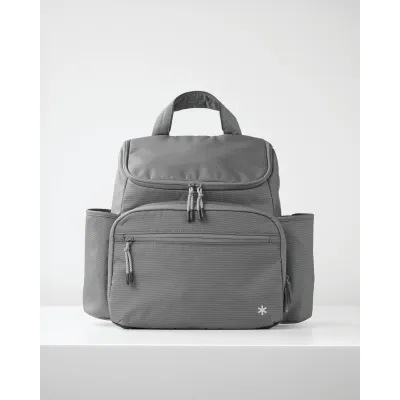
![[2 Yr Local Warranty] Skip Hop Forma Next Nappy Backpack](https://img.lazcdn.com/g/p/fa8751a3e183a531f09586dc0cadccb8.png_400x400q80.png_.webp)
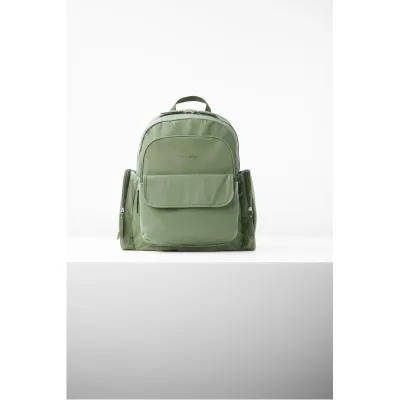
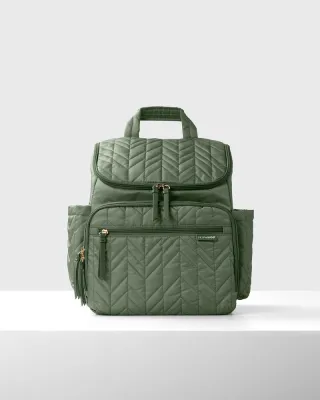
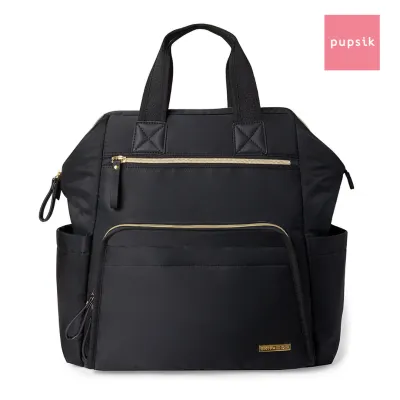
Prices are valid at publication and may change. Please refer to the product page for the latest price.
Do not forget to account for your own personal items when calculating space. If you commute to work or travel frequently, you may need a dedicated compartment for a laptop, tablet, or work documents. Nursing parents might need to carry a breast pump and its associated accessories, which can quickly consume the main compartment of a standard diaper bag. Factoring in these parent-specific items ensures you do not end up carrying two separate bags for a single outing, keeping your hands free for your child.
Understanding Skip Hop Bag Styles and Space Profiles
Skip Hop designs diaper bags in several distinct formats, each offering unique spatial dynamics and carrying methods. Backpacks are highly popular for their hands-free convenience and even weight distribution across both shoulders, making them ideal for active parents navigating public transport or long walks. Totes offer a more classic, wide-access design that allows you to see all your contents at a glance, though they are typically carried on one shoulder. Stroller organizers are compact and designed for quick trips, holding only the bare essentials like a phone, keys, and a single bottle.

When comparing models, it is crucial to look beyond external visual size and examine the manufacturer’s official dimensions and interior layout specifications. A bag that appears large from the outside may have thick insulation, heavy padding, or structured dividers that reduce the actual usable volume inside. Checking the interior pocket configuration helps you understand how the space is divided and whether it can accommodate your specific items, such as wide-neck bottles or a specific size of tablet, before making a purchase.
The empty weight of the bag and its material structure also play a significant role in your daily comfort. A highly structured, rigid bag maintains its shape and protects delicate items, but it can feel bulky and heavy even before you pack a single diaper. Conversely, a slouchy, lightweight fabric bag can expand to accommodate oddly shaped items and is easier to squeeze into tight spaces, but it may offer less protection and can become disorganized if not packed carefully.
Matching Storage Features to Your Specific Routine
Smart storage features can dramatically increase the functional capacity of a diaper bag without increasing its physical footprint. External pockets, such as dedicated insulated bottle compartments or quick-access side pockets, keep high-frequency items within reach while freeing up valuable space in the main compartment. Some models feature specialized pockets designed to hold standard wipe packs with an exterior opening, allowing you to grab a wipe without unzipping the entire bag, which is incredibly helpful during messy situations.
For families with multiple children or those who plan extended day trips, modular organization is key. Look for bags that are compatible with add-on packing cubes, mesh pouches, or modular accessories. These tools allow you to compartmentalize items by child or by function—such as a dedicated snack pouch or a diapering kit—making it easy to swap modules in and out depending on the day’s agenda. This modular approach ensures you only carry what you need for that specific outing.
The bag’s opening mechanism is another critical factor in daily usability. Wide-frame openings, often referred to as doctor’s bag styles, stay open on their own to give you an unobstructed view of the interior. Combined with light-colored interior linings, these designs prevent the “black hole” effect where small items get lost at the bottom of the bag. Internal dividers and zippered pockets help maintain this organization, ensuring you can retrieve a pacifier or toy in seconds during an emergency.
Common Capacity and Sizing Mistakes to Avoid
One of the most common mistakes parents make is overpacking a diaper bag and hanging it from a stroller’s handlebars. While many diaper bags come with stroller straps, overloading the bag can exceed the safe weight limits of your stroller, creating a serious tipping hazard. Always consult both your stroller and diaper bag manuals to verify weight limits, and ensure the stroller remains stable when the bag is attached. If the stroller feels unstable, stop using the handlebar straps immediately and store the bag in the under-seat basket.
Another pitfall is assuming that a larger exterior dimension automatically translates to more storage. Thick decorative hardware, heavy-duty zippers, and dense protective padding can eat into the interior volume. Always verify the internal compartment measurements if you plan to carry specific large items, such as a laptop or a specific brand of breast pump, to ensure they will actually fit through the opening and sit comfortably inside without straining the seams.
Additionally, remember to account for the space occupied by included accessories. Many diaper bags come with a matching changing pad, insulated bottle bags, or accessory pouches. While these are highly useful, they do consume a portion of the bag’s main compartment volume when stored. When evaluating a bag’s capacity, consider whether you will use these included accessories or if you plan to replace them with more compact alternatives to save space.
Frequently Asked Questions (FAQ)
Can I attach any Skip Hop diaper bag to my stroller?
Not all diaper bags are designed to be hung safely from a stroller. You must consult the specific product documentation for both your Skip Hop diaper bag and your stroller to verify compatibility and safety warnings. Many Skip Hop models feature built-in stroller straps or clips designed for this purpose, but you must never exceed the manufacturer’s recommended weight limits. Hanging a heavy bag on the handlebars can cause the stroller to tip backward, risking injury to your child.
How do I manage bag capacity when transitioning from newborn to toddler?
As your child grows, your storage needs will shift from bulky newborn supplies to a higher quantity of smaller items. Periodically re-evaluate your bag’s contents to remove obsolete items like newborn diapers, formula dispensers, or multiple changes of clothes. Replace them with toddler essentials such as spill-proof snack cups, water bottles, and small toys. Utilizing small, color-coded modular pouches can help keep these smaller toddler items organized and prevent them from getting lost in a large main compartment.

Community discussion
Share your experience or ask a question. Comments are reviewed before publication.