
Finding the right Size S diaper for your baby in Singapore is less about identifying a single, universally superior brand and more about matching a diaper’s specific design to your baby’s unique physical profile. Every infant has a distinct body shape, urination pattern, and skin sensitivity level, meaning a diaper that works perfectly for one family might lead to frequent leaks or irritation for another. Instead of relying on generic recommendations, parents can make an informed choice by systematically evaluating options across three core pillars: absorbency, fit, and overall value. By understanding how to read packaging specifications and observe real-world performance, you can establish a reliable diapering routine that keeps your baby dry and comfortable without overstretching your household budget.
Selecting the ideal diaper requires moving past marketing buzzwords and focusing on observable physical evidence. Because babies grow rapidly during the early months, a diaper size that fit perfectly last week might suddenly begin to leak or cause discomfort today. This guide provides a structured framework to help you assess packaging claims, observe real-world performance, and build a personalized shortlist for your baby’s daily and nighttime needs. By taking a methodical approach, you can minimize trial-and-error purchases and ensure your baby remains dry, comfortable, and rash-free.
Confirming the Right Fit: Is Size S Still Correct?
Before comparing different brands, it is essential to verify that Size S is indeed the correct size for your baby’s current developmental stage. Most manufacturers design Size S diapers for babies weighing between 4 and 8 kilograms, but this range is merely a general guideline. Because babies of the same weight can have vastly different body shapes—some having rounder bellies while others have chubbier thighs—the printed weight range should never be the sole deciding factor.
Products mentioned in this guide
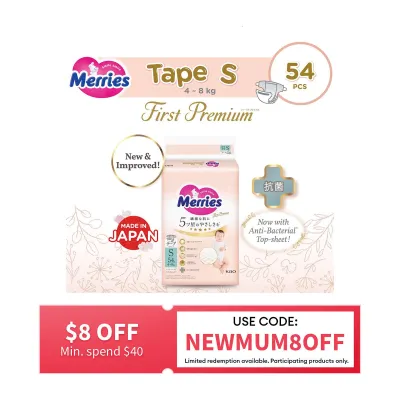
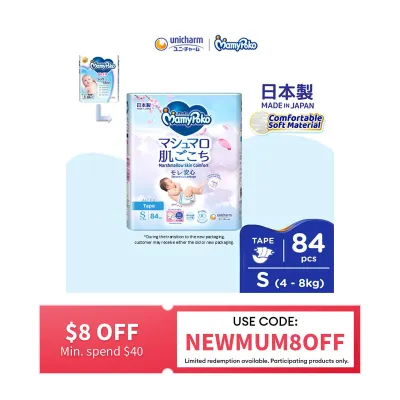
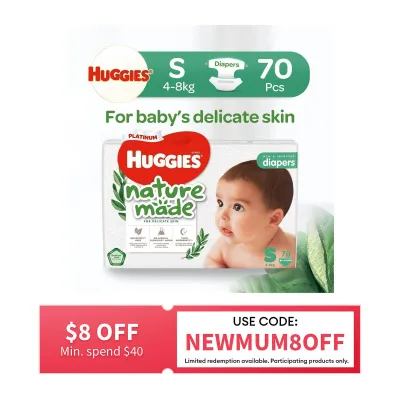
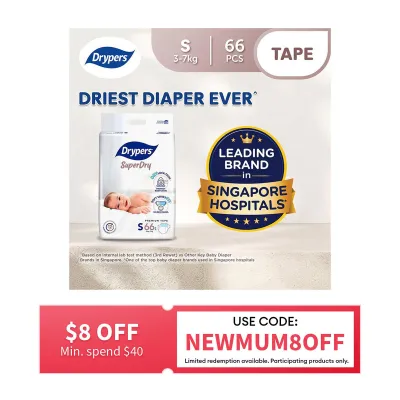
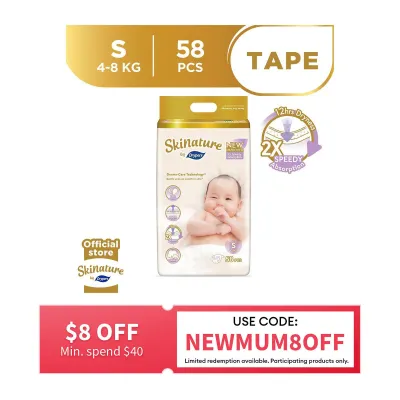

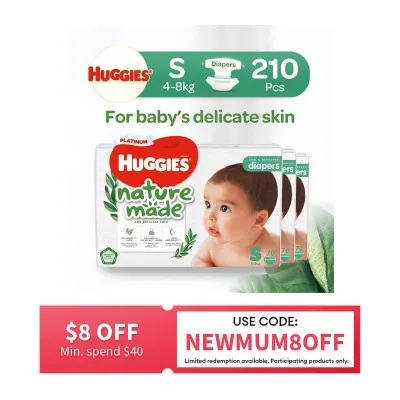
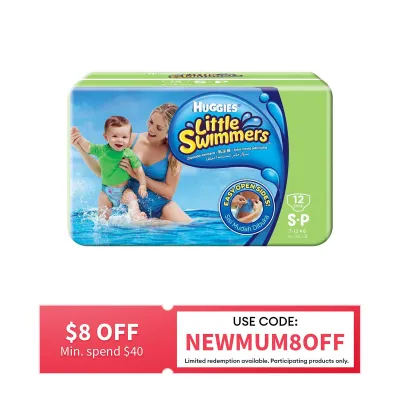
Prices are valid at publication and may change. Please refer to the product page for the latest price.
To determine if a diaper fits correctly, you must observe how it sits on your baby’s body during rest and movement. A well-fitting Size S diaper should sit symmetrically on your baby’s waist, with the fastening tabs securing easily near the center without requiring excessive pulling. The waistband should be snug enough to prevent gaps at the back, yet loose enough that you can easily slide two fingers between the diaper and your baby’s skin.
Physical signs of outgrowing a size are often highly visible and require immediate attention. If you notice deep red marks or indentations on your baby’s thighs, hips, or waist after removing a diaper, the elastic bands are likely too tight, indicating it is time to size up. Frequent side leaks, especially when the diaper does not feel completely saturated, also suggest that the physical coverage of a Size S is no longer sufficient to contain your baby’s movements.
It is also important to recognize that sizing and cuts vary significantly across different manufacturers. A baby who fits comfortably in a Size S from one brand may find another brand’s Size S too tight or too loose. When transitioning between brands, always consult the manufacturer’s specific size chart and consider buying a single trial pack before committing to bulk quantities.
How to Evaluate Absorbency Claims and Real-World Performance
Absorbency is the primary function of any disposable diaper, yet evaluating this feature requires looking beyond the bold claims printed on the packaging. Manufacturers often use proprietary terms to describe their absorbent cores, such as channel technology, rapid-dry layers, or superabsorbent polymers. While these technologies are designed to lock moisture away from the skin, their effectiveness must be validated through daily observation in your specific home environment.

One of the most practical packaging features to look for is a wetness indicator line. This external line changes color when exposed to moisture, allowing you to monitor wetness without constantly opening the diaper. Additionally, look for labels that specify whether a diaper is optimized for daytime use or overnight protection. Overnight diapers typically feature a thicker absorbent core and enhanced distribution layers designed to handle larger volumes of liquid over extended periods.
To monitor real-world performance, pay close attention to how the diaper behaves after a few hours of continuous use. A high-performing diaper should distribute liquid evenly throughout the core rather than allowing it to clump or sag heavily in one spot. When you change your baby, gently touch the inner lining of the used diaper; it should feel relatively dry to the touch, indicating that the core has successfully locked the moisture away from the baby’s skin.
Your baby’s feeding schedule and typical urination volume will also dictate your absorbency requirements. For instance, a baby who feeds frequently throughout the night will naturally produce a higher volume of urine, requiring a diaper with a highly efficient distribution layer to prevent pooling. By matching the diaper’s real-world performance to your baby’s hydration patterns, you can prevent leaks and minimize skin irritation caused by prolonged wetness.
Checking Comfort, Flexibility, and Skin Sensitivity
A diaper must not only absorb moisture but also move harmoniously with your baby’s body. As babies in the Size S range become more active, kicking their legs and rolling over, the diaper’s flexibility becomes crucial. Inspect the elasticity of the waistband and the design of the leg cuffs; they should feature soft, stretchy materials that create a secure but gentle seal against the skin.
The leg cuffs, often referred to as leak guards, should stand upright and wrap snugly around the thighs. When putting on the diaper, always run your finger along the inside of the leg cuffs to ensure they are flared outward rather than tucked inward, as tucked cuffs are a primary cause of leg leaks. The waistband should also feature a high-rise design at the back to contain explosive bowel movements, which are common at this developmental stage.
Skin sensitivity is another critical factor, as an infant’s skin barrier is incredibly delicate and prone to irritation. After removing a diaper, inspect your baby’s skin for any signs of friction, redness, or localized rashes. If you notice irritation specifically where the elastics touch the skin, the material may be too rough, or the diaper may be too tight.
To protect sensitive skin, look for diapers that carry specific labels such as hypoallergenic, fragrance-free, or dermatologically tested. Fragrances and certain chemical bleaching processes can trigger allergic reactions or contact dermatitis in sensitive infants. If your baby has a history of skin irritation, prioritizing diapers made with breathable, cotton-like outer covers can help facilitate airflow and keep the skin cool in Singapore’s warm, humid climate.
Calculating True Value and Cost Per Diaper
When managing household expenses in Singapore, comparing the upfront price of a diaper box can be highly misleading. Different brands package their diapers in varying quantities, meaning a cheaper box might actually contain fewer diapers, resulting in a higher cost per individual unit. To make an accurate financial comparison, you must calculate the exact cost per diaper.
To perform this calculation, divide the total price of the pack by the number of diapers inside. For example, if a pack costs S$24.00 and contains 80 diapers, the cost per diaper is S$0.30. Keeping a simple log of these unit costs allows you to compare premium and budget brands on an equal footing.
Local shoppers can leverage several strategies to secure better value without compromising on quality. Purchasing diapers in bulk cartons rather than individual packs often yields significant savings per unit. Additionally, utilizing subscription services on local ecommerce platforms or purchasing during major promotional events and baby fairs can drastically reduce your ongoing diapering expenses.
It is also wise to balance your diaper budget by using different diaper profiles for different times of the day. For daytime use, when changes are frequent—typically every two to three hours—a standard, value-focused diaper is often highly cost-effective. For nighttime use, when your baby sleeps for longer stretches, investing in a premium, highly absorbent diaper can prevent sleep disruptions and leaks, making the higher unit cost of the overnight diaper a worthwhile investment.
Decision Framework: Which Diaper Profile Fits Your Baby?
To simplify your selection process, you can categorize available diapers into distinct profiles based on your baby’s specific needs and your family’s lifestyle. This structured approach helps you avoid the trap of buying large quantities of a diaper that may not suit your baby’s current habits.
If your baby is a heavy wetter, sleeps for long uninterrupted stretches, or frequently experiences leaks during the night, you should prioritize a premium, high-absorbency diaper profile. These diapers are engineered with advanced absorbent cores that lock away moisture quickly, keeping the skin dry even during ten to twelve hours of sleep. While these options carry a higher cost per diaper, their superior performance during critical sleep windows justifies the expense.
Conversely, if your baby is highly active during the day, requires frequent changes due to regular bowel movements, and has standard skin sensitivity, a flexible, value-focused diaper profile is the most practical choice. These diapers offer excellent freedom of movement and reliable daytime protection at a much lower unit cost, allowing you to maintain a clean, dry environment for your baby without unnecessary spending.
Finally, if your baby has a history of severe diaper rash or highly sensitive skin, your primary focus must be on material composition and breathability. Before committing to a bulk purchase, carefully verify the ingredient lists, look for recognized dermatological certifications, and consult your pediatrician if chronic irritation persists. In these cases, choosing a specialized sensitive-skin diaper profile is essential for your baby’s comfort and long-term skin health.
Frequently Asked Questions (FAQ)
When should I transition my baby from Size S to Size M?
While weight guidelines printed on the packaging serve as a helpful baseline, you should prioritize physical fit indicators when deciding to transition to Size M. If the leg cuffs feel tight, the waistband leaves deep red marks, or you struggle to fasten the tabs near the center, your baby has likely outgrown Size S. Additionally, a sudden increase in leak frequency—even when the diaper is applied correctly—often indicates that the absorbent core capacity of a Size S diaper is no longer sufficient to handle your baby’s growing urination volume.
Can a highly absorbent diaper prevent diaper rash?
A highly absorbent diaper is an important tool in managing moisture, but it cannot guarantee the prevention of diaper rash on its own. While keeping wetness away from the skin is crucial, diaper rash is also caused by prolonged exposure to urine and stool, friction from movement, and a lack of airflow. To maintain healthy skin, you must combine a reliable diaper with regular changing routines, gentle but thorough cleaning techniques during changes, and the application of a protective barrier cream as directed by your pediatrician.

Community discussion
Share your experience or ask a question. Comments are reviewed before publication.