
Finding the right size L diaper pants for a mobile toddler requires balancing secure fit, high-capacity absorbency, and flexible leak protection. Because no single brand universally outperforms the rest across all body types and movement patterns, the best choice depends on matching specific design features—such as waistband elasticity, core distribution, and leg cuff height—to your toddler’s unique shape and activity level. This guide provides a conditional framework to evaluate leading options and select the most suitable diaper pants for your child’s daily needs.
Active toddlers present a unique diapering challenge. As they transition from crawling to walking, running, and climbing, their physical movements put immense stress on diaper seals. A diaper that performs excellently during naptime might sag, shift, or leak when subjected to the constant twisting and bending of playground play. Therefore, finding the ideal size L diaper pants is not about searching for a universal winner, but rather identifying which design elements align with your child’s physical build and daily movement habits.
Key Performance Metrics for Active Toddlers
To evaluate how well a size L diaper pant will perform on an active toddler, caregivers must look beyond basic marketing claims and focus on specific physical attributes. The first critical metric is waistband stretch and recovery. When a toddler climbs, bends, or sits, their abdominal circumference changes rapidly. A high-quality waistband must expand smoothly to accommodate these shifts without digging into the skin, and it must instantly contract back to its original shape when the toddler stands up to prevent the diaper from slipping down.
Products mentioned in this guide
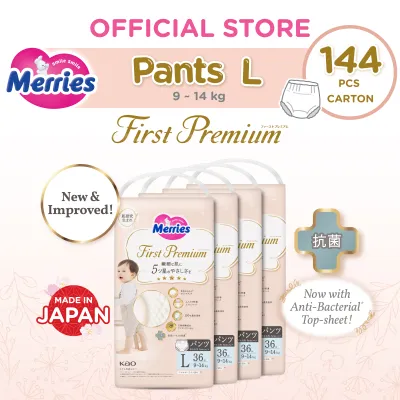



![[1 Carton] Drypers DryPantz (Sizes M L XL XXL)](https://img.lazcdn.com/g/p/5e3e411e79777887deee5a23ddca4550.png_400x400q80.png_.webp)
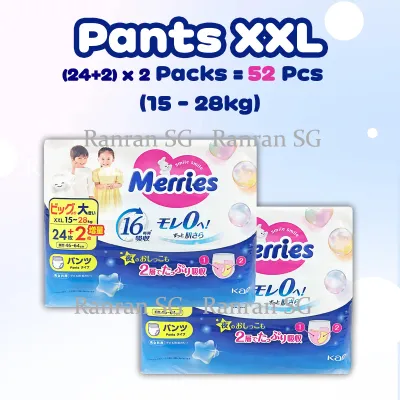
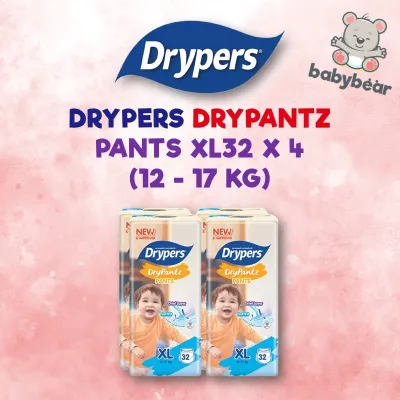
Prices are valid at publication and may change. Please refer to the product page for the latest price.
Another essential metric is the placement and distribution of the absorbent core. Toddler anatomy and typical movement postures dictate where fluid is most likely to pool. For instance, boys and front-sleeping toddlers often require more concentrated absorbency toward the front of the diaper, while girls and back-sleepers benefit from a more centrally distributed core. When evaluating different brands, look at how the absorbent material is structured inside the chassis—some brands use zoned channels that lock fluid in specific areas, while others distribute it evenly throughout the entire length of the pant.
Finally, leg cuff flexibility and material softness are paramount for preventing chafing during high-mobility play. The leg openings are the most common failure points for leaks, yet they are also highly prone to causing friction. The elastic bands in the leg cuffs must be wrapped in soft, breathable non-woven fabrics that do not create harsh friction points against the delicate skin of the inner thighs. Caregivers should physically feel the inner cuffs of a diaper pant to assess their softness and elasticity before committing to a large purchase.
How to Evaluate Fit and Mobility in Size L
Achieving the perfect fit in a size L diaper pant requires careful observation of how the diaper behaves while your toddler is in motion. Start by checking the waistband gap once the pants are pulled up. A properly fitting diaper pant should sit snugly against the lower back and stomach, allowing you to slide two fingers comfortably inside the waistband. If the band leaves deep, persistent red marks on your toddler’s skin after play, the elastic is either too tight or the overall cut is too small, even if the toddler falls within the recommended weight range.

Next, observe the rise and crotch width of the diaper pant. The rise refers to how high the diaper sits on the toddler’s torso; it should ideally rest just below the belly button. If the rise is too low, the diaper is prone to slipping down during active play; if it is too high, it can restrict abdominal movement. The crotch width should be narrow enough to allow a natural walking gait without forcing the legs outward into a bulky waddle, yet wide enough to ensure the absorbent core fully covers the perineal area.
While weight ranges printed on packaging serve as a helpful starting guideline, they should never be treated as absolute rules. Size L diaper pants typically cover a broad weight spectrum, often ranging from 9 to 14 kilograms, but every brand utilizes a slightly different sizing template. A toddler who is tall and lean may require a different brand than a toddler of the exact same weight who has a rounder tummy and thicker thighs. Always prioritize physical fit indicators over the weight numbers on the box.
Assessing Absorbency and Leak Protection for Movement
Active movement increases the risk of compression leaks, which occur when physical pressure forces liquid out of an already saturated absorbent core. To prevent this, high-performance diaper pants utilize standing leak guards, which are the inner fabric barriers running along the leg openings. When preparing a diaper change, inspect these guards to ensure they stand upright and possess sufficient elasticity to hug the contours of your toddler’s thighs, creating a reliable secondary barrier against sudden surges of wetness.
Wetness indicators are another common feature, but their utility changes as toddlers become more active. While highly convenient for infants, wetness indicators on active toddlers can sometimes be misleading due to localized sweating or high humidity, which is particularly common in warm climates. Rather than relying solely on the color-changing line, caregivers should perform a quick physical check of the diaper’s weight and bulkiness to determine if a change is necessary, especially before heading outdoors or embarking on a long car ride.
Core clumping and shifting are frequent issues during high-energy play. When some absorbent materials absorb liquid, they can break apart or sag into heavy clumps between the toddler’s legs, which restricts movement and increases the likelihood of leaks. To evaluate this, inspect a wet diaper during a change; the absorbent core should remain relatively flat, cohesive, and securely anchored within the outer shell, rather than bunching up into isolated, heavy lumps that sag toward the knees.
Comparing Value: Price per Diaper and Pack Sizes
When managing a household budget, comparing the total price of diaper packs can be highly deceptive because pack counts vary significantly between brands and packaging tiers. To establish a true cost comparison, caregivers should calculate the price per piece. For example, if a pack of size L diaper pants costs S$24 and contains 40 pieces, the price per piece is S$0.60. Performing this simple calculation allows you to compare premium, standard, and budget options on an equal footing across local supermarkets and online marketplaces.
It is also important to weigh the value of premium features against your daily budget constraints. Features such as ultra-thin cores, organic cotton outer sheets, or specialized skin-care lotions infused into the inner lining often command a higher price per piece. While these features can be highly beneficial for toddlers with specific sensitivities or for overnight wear, they may not be strictly necessary for daytime use when changes are more frequent. Many families find success by using a more economical, highly breathable diaper pant during the day and reserving premium, high-capacity options for nighttime.
To optimize your spending without sacrificing quality, look for bulk subscription options or promotional bundles on local ecommerce platforms. Buying in larger quantities or subscribing to regular deliveries often yields a lower price per piece. However, avoid stockpiling excessive quantities of size L diaper pants too far in advance, as toddlers can experience sudden growth bursts that quickly render an entire bulk shipment too small, leaving you with unused inventory.
Decision Framework: Matching Brand Features to Your Toddler
To simplify your selection process, you can use a structured decision framework that matches specific diaper design features to your toddler’s physical build, activity level, and skin sensitivity. If your toddler is exceptionally active, constantly running, and dislikes any feeling of bulkiness, prioritize brands that feature highly elastic, 360-degree stretch waistbands combined with ultra-thin, channel-based absorbent cores. These designs move like real underwear, minimizing bulk and allowing maximum freedom of movement during active daytime play.
For toddlers who are heavy wetters or those prone to leaks during long periods of sleep, shift your focus toward diaper pants with reinforced back panels and high-capacity cores. Look for designs that feature a wider rear coverage area and double-layered leg cuffs to contain liquid even when the toddler rolls over or sleeps on their side. These high-capacity options are specifically engineered to lock away larger volumes of fluid over extended hours, reducing the need for disruptive nighttime changes.
If your toddler has highly sensitive skin or is prone to diaper rash, skin health must take precedence over all other performance metrics. In this scenario, prioritize diaper pants that are explicitly labeled as fragrance-free, hypoallergenic, and dermatologically tested. Look for breathable outer backsheets that allow heat and moisture to escape, keeping the skin dry. Before purchasing a large bulk pack of any new brand, buy a small trial pack to observe how your toddler’s skin reacts to the materials over a few days of continuous wear.
Frequently Asked Questions (FAQ)
When should I switch from taped diapers to diaper pants in size L?
The transition from taped diapers to diaper pants is typically driven by your toddler’s developmental milestones rather than their weight alone. If your child has become highly resistant to lying still during changes, frequently rolling over or attempting to stand up, diaper pants offer a much faster and less stressful changing process. Additionally, once a toddler begins walking and showing interest in toilet training, diaper pants can be easily pulled up and down, helping them develop independence while still providing reliable leak protection.
How do I know if size L is too small or too large for my toddler?
You can determine if a size L diaper pant is the wrong size by looking for specific physical cues. If the diaper is too small, you will notice deep red marks around your toddler’s thighs or waist, the waistband will sit significantly below the belly button, or you will experience frequent blowouts and side leaks due to insufficient coverage. Conversely, if the diaper is too large, it will sag noticeably even when empty, leave visible gaps around the legs when the toddler bends, or cause leaks because the elastic cuffs cannot form a snug seal against the skin.

Community discussion
Share your experience or ask a question. Comments are reviewed before publication.