
Quick Answer: Is Sirujoa the Right Choice for Your Baby?
Finding the right diaper for your baby is a highly individualized process. The ideal choice depends entirely on your baby’s unique body shape, skin sensitivity, and your household budget. Because independent, standardized comparative tests are not publicly available, parents must rely on manufacturer specifications, product labels, and real-world observation.
Determining whether Sirujoa outperforms your current mainstream diaper requires a controlled, small-batch trial. While marketing claims can highlight specific features, only direct observation on your baby’s skin and during active movement will reveal if this brand is the right fit for your family.
Core Comparison Dimensions: Evaluating Sirujoa Against Mainstream Brands
To compare Sirujoa against established options, you must look past marketing buzzwords and focus on verifiable structural features. Evaluating three parallel dimensions—absorbency, fit, and skin sensitivity—will help you make an objective decision based on physical evidence rather than brand popularity.
Products mentioned in this guide
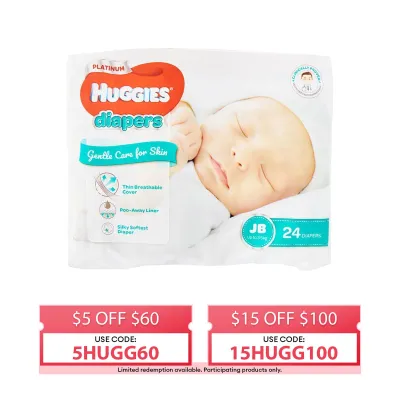
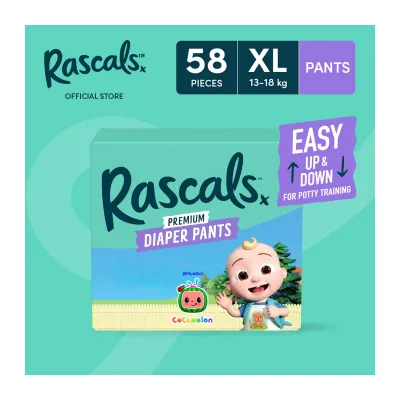
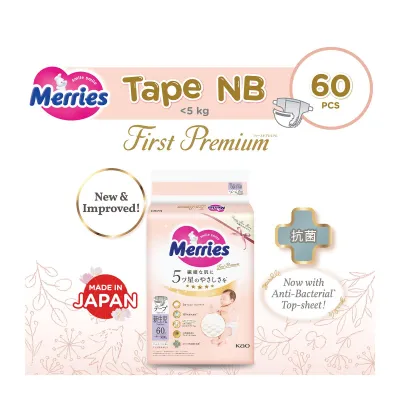
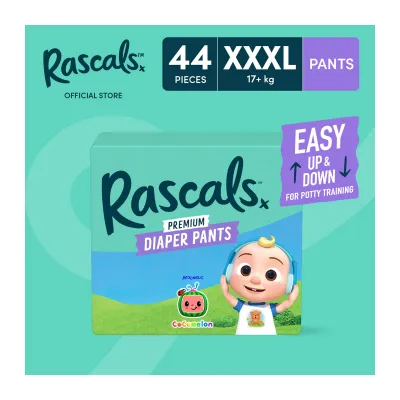
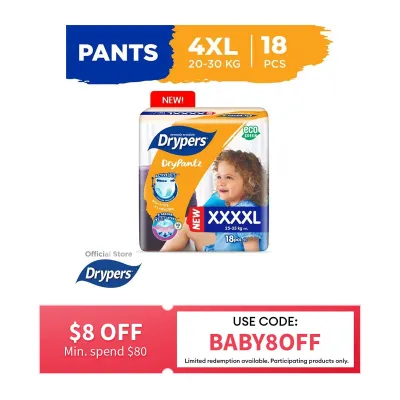
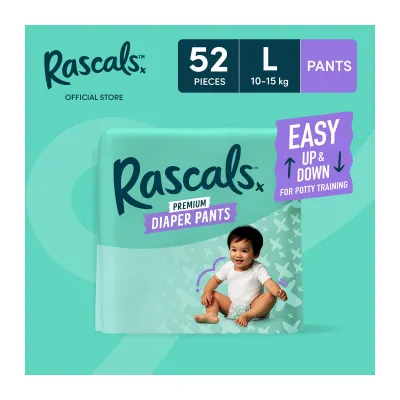
Prices are valid at publication and may change. Please refer to the product page for the latest price.

Absorbency and Leak Protection
Absorbency is the core function of any disposable diaper. When evaluating Sirujoa, start by checking the packaging for details on the absorbent core materials and any stated capacity limits. Look for terms that describe how the core locks in moisture, but treat these as specifications to verify rather than guaranteed outcomes.
To assess real-world absorbency, observe the diaper’s physical weight and surface dryness after three to four hours of active daytime use. A high-performing diaper should keep moisture away from your baby’s skin, leaving the inner lining dry to the touch even when full.
Keep in mind that leak protection does not rely solely on the internal core material. Proper sizing and the correct placement of the double-layered leg cuffs are critical; even the most absorbent diaper will leak if the fit around the thighs is loose or misaligned.
Fit, Elasticity, and Comfort
A diaper’s fit directly impacts your baby’s comfort and your peace of mind. Physically compare the elasticity of Sirujoa’s waistband and leg cuffs against a familiar mainstream brand. Feel the stretch and tension to estimate how well the diaper will adapt to your baby’s movements.
When securing the diaper, apply the classic two-finger rule at the waist. You should easily slide two fingers between the waistband and your baby’s tummy to ensure it is not too tight. Additionally, run your finger around the leg cuffs to ensure they flare outward and leave no gaps at the thighs, which helps prevent blowouts.
Remember that sizing charts vary significantly by manufacturer. A “Medium” in one brand may not correspond to the same weight range in Sirujoa. Always verify the specific weight range printed on the Sirujoa pack before purchasing, especially if your baby is near the upper limit of their current size.
Material Breathability and Skin Sensitivity
Singapore’s tropical, humid climate makes material breathability a top priority for preventing diaper rash. Carefully inspect the ingredient and material list on the Sirujoa packaging. Look for the presence of known irritants, added fragrances, or lotions that might react with your baby’s skin.
When transitioning to a new brand, monitor your baby’s skin closely during every diaper change. Watch for localized redness, trapped heat, or chafing where the elastic bands contact the waist and thighs. These physical signs are more reliable indicators of compatibility than any marketing claim.
Terms like “hypoallergenic” or “dermatologically tested” are common on diaper packaging, but they are manufacturer-asserted claims. Because every baby’s skin chemistry is unique, these labels must always be verified against your baby’s actual physical reaction during use.
Evaluating Price and Value per Diaper
Comparing overall pack prices can be highly misleading because sheet counts vary between brands and sizes. To find the true cost of using Sirujoa, divide the total pack price in S$ by the number of diapers inside to calculate the exact unit cost.
While purchasing bulk cartons on local e-commerce platforms often lowers the unit cost, consider your home storage limits. Singapore’s high humidity can degrade diaper adhesives and absorbent materials if they are stored in non-air-conditioned spaces for extended periods. Ensure you have adequate, dry storage space before buying in bulk.
Additionally, factor in your daily diaper consumption rate. A lower-priced diaper that leaks or requires more frequent changes due to dampness may ultimately cost more per month than a slightly more expensive, highly absorbent option. True value lies in the balance between unit price and performance.
How to Run a Safe, Small-Batch Diaper Trial
Before committing to bulk purchases or subscription plans, always start with a low-risk trial. Purchase the smallest single pack of Sirujoa available to minimize financial loss and avoid wasting storage space if the fit is incorrect.
Conduct a structured three-to-five-day observation period using a simple daily checklist. Track how often leaks occur, check for red elastic marks upon removal, and inspect the skin for any signs of moisture retention. Keep your baby’s routine consistent during this trial so you can isolate the diaper’s performance from other variables like new skincare products or dietary changes.
If you observe severe skin irritation, persistent redness, blistering, or any signs of an allergic reaction, stop using the diapers immediately. Clean the area gently with water, keep the skin dry, and consult a qualified pediatrician or healthcare professional.
Decision Framework: Which Diaper Should You Choose?
To finalize your decision, weigh your trial observations against your household’s specific priorities.
Choose Sirujoa if:
- You want to test a new brand and the calculated unit cost in S$ fits comfortably within your monthly baby care budget.
- Your baby demonstrates standard skin tolerance and experiences no leaks or chafing during the initial trial.
- The physical fit aligns well with your baby's unique body shape and movement patterns.
Stick to your current popular brand if:
- Your baby has highly sensitive skin or a history of severe diaper dermatitis.
- Your current diaper routine is completely leak-free, especially during overnight sleep.
- The convenience of purchasing your current brand locally outweighs any potential cost savings.
Verify first if:
- Your baby is currently transitioning between weight categories on the sizing chart.
- You need to clarify specific material certifications or ingredient lists on the manufacturer's packaging.
- You are unsure how the diaper performs during long stretches of nighttime sleep.
Frequently Asked Questions (FAQ)
Can I mix Sirujoa with other diaper brands during the day and night?
Yes, mixing diaper brands is a practical strategy used by many parents. You might choose a highly absorbent, premium diaper for uninterrupted overnight sleep and use a lighter, more cost-effective diaper like Sirujoa for frequent daytime changes. If you adopt this hybrid approach, ensure both brands fit your baby’s current weight and shape perfectly to avoid leaks during transition times.
What should I do if Sirujoa diapers cause red marks on my baby's thighs?
Faint, temporary red marks usually indicate that the diaper is too tight, the leg cuffs were not pulled out properly, or your baby is ready to transition to the next size up. However, if these marks are accompanied by swelling, broken skin, or a persistent rash, stop using the diaper immediately. Clean the area gently and consult a healthcare professional to rule out contact dermatitis or allergic reactions.

Community discussion
Share your experience or ask a question. Comments are reviewed before publication.