
Navigating child passenger safety laws can be overwhelming for parents, especially when trying to match specific brand models with local legal requirements. In Singapore, ensuring your child is properly restrained is not just a safety priority but a strict legal mandate. This guide breaks down the core regulations for child restraint systems and provides a practical framework to help you verify whether a Chicco car seat meets the necessary safety standards before you make a purchase.
Understanding how local laws apply to your daily commute is the first step in keeping your child secure. By familiarizing yourself with the recognized safety standards and the physical indicators of compliance, you can confidently select a seat that protects your child and keeps you on the right side of the law.
Understanding Singapore's Car Seat Laws for Children
Singapore’s Road Traffic Act mandates that any passenger under the height of 1.35 meters must be properly secured using an approved child restraint system or a booster seat appropriate for their height and weight. This law applies to all passengers traveling in motor vehicles, with very few exceptions. Failing to secure a child properly can result in composition fines, demerit points, and potential court prosecution for the driver.
Products mentioned in this guide
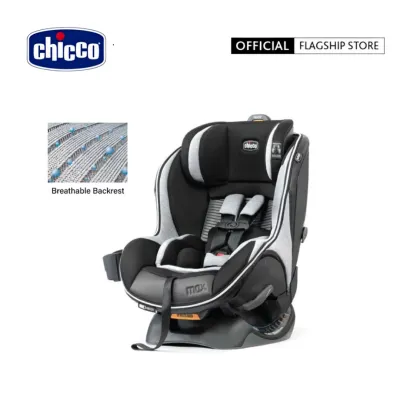
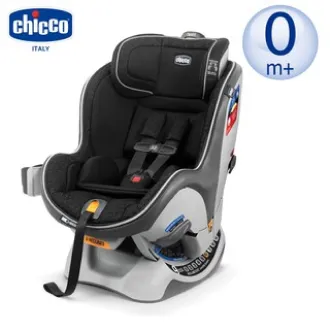
Prices are valid at publication and may change. Please refer to the product page for the latest price.
The law distinguishes between different types of restraints based on the child’s physical development. Infant carriers are designed for the youngest passengers, transitioning to convertible child seats as they grow, and eventually to booster seats that position the vehicle’s adult seatbelt correctly. Each phase of growth requires a specific type of restraint to ensure the impact forces of a collision are safely distributed across the strongest parts of the child’s body.
One critical distinction that parents in Singapore must understand is the difference between taxis and private hire vehicles. While traditional street-hail taxis are currently exempt from the child restraint law due to their public transport status, private hire cars booked via mobile applications are classified as private passenger vehicles. This means if you travel with a child under 1.35 meters in a private hire vehicle, you are legally required to provide and use an approved child restraint.
Because traffic regulations and enforcement policies can be updated, it is always best to verify the latest official guidelines directly with the Singapore Traffic Police. Staying informed ensures that your travel habits remain compliant with any recent amendments to local transport laws.
How to Verify if a Chicco Car Seat Meets Local Standards
To ensure a Chicco car seat is legally compliant in Singapore, you must verify that it carries an internationally recognized safety certification label. Singapore authorities accept several major international standards, with the European standards being the most common. Specifically, look for the UN ECE R44/04 or the newer UN R129 (also known as i-Size) certification labels.

These certifications are typically displayed on an orange or white sticker permanently affixed to the plastic shell of the Chicco car seat. The label will clearly state the standard version, the approved weight or height range, and a unique approval number. Before purchasing, locate this sticker on the physical seat and cross-reference the details with the product’s official user manual to confirm its authenticity.
Parents should exercise caution when considering second-hand Chicco seats or parallel imports from online marketplaces. These seats may lack visible certification labels, have expired materials due to prolonged exposure to heat and humidity, or be designed for foreign markets with different installation standards. A seat without a verifiable, intact certification label is not considered legally compliant and may not offer the intended level of protection in an accident.
Choosing the Right Chicco Car Seat by Age and Size
Selecting the correct Chicco car seat requires matching the seat’s specifications to your child’s current height and weight, rather than relying solely on age brackets. Infant carriers are designed to be installed exclusively rear-facing, providing crucial support for a baby’s head, neck, and spine. It is legally and physically safest to keep your child rear-facing for as long as possible, up to the maximum limits specified by the manufacturer.
As your child outgrows the infant carrier, they will transition to a convertible or forward-facing child seat. These models utilize a built-in five-point harness to secure the child. The transition from a five-point harness to a booster seat should only occur when the child has reached the maximum weight or height limit of the harness system, and possesses the developmental maturity to sit properly without slouching.
Booster seats, which can be high-back or backless, are designed for older children who have outgrown their harness seats but are still under the 1.35-meter threshold. The booster seat raises the child so that the vehicle’s three-point seatbelt fits snugly across the shoulder and pelvis, rather than resting against the neck or abdomen. Always check the specific limits printed on the Chicco model’s certification label to ensure your child falls within the approved range.
Installation and Safety Checks for Compliance
Even the highest-quality Chicco car seat cannot perform its job or meet regulatory expectations if it is installed incorrectly. Most modern vehicles in Singapore are equipped with ISOFIX anchor points, which allow for a rigid, secure connection between the car seat base and the vehicle chassis. Alternatively, many Chicco models can be installed using the vehicle’s three-point seatbelt system, provided the routing paths are followed precisely.
To verify a secure installation, perform the physical movement test. Grasp the car seat at the belt path or ISOFIX connection point and pull firmly from side to side and front to back; the seat should not move more than 2.5 centimeters in any direction. Additionally, perform the harness tightness check on your child: if you can pinch any excess webbing of the harness straps at the child’s collarbone, the harness is too loose and must be tightened.
Before finalizing your setup, thoroughly read both the Chicco instruction manual and your vehicle’s owner manual. Pay close attention to warnings regarding active passenger airbags, as placing a rear-facing car seat in a front passenger seat with an active airbag is extremely dangerous and often illegal. Whenever possible, install the child restraint in the rear seats of the vehicle.
Frequently Asked Questions (FAQ)
Can I use a Chicco car seat bought overseas in Singapore?
You can use an overseas-purchased Chicco car seat in Singapore only if it features an approved safety certification label recognized by local authorities, such as the UN ECE R44/04 or UN R129 standard. You must also ensure the original user manual is available for proper installation guidance. Additionally, verify that the specific model and batch number have not been subject to any international safety recalls before using the seat locally.
Are backless booster cushions legally sufficient for children under 1.35m?
Yes, backless booster cushions are legally permissible in Singapore for children under 1.35 meters, provided they carry an approved safety certification label and are used in conjunction with a standard three-point vehicle seatbelt. However, high-back booster seats are generally recommended by safety experts because they offer superior side-impact protection and ensure more reliable seatbelt routing across the child’s shoulder.
What should I do if my Chicco car seat lacks a visible certification label?
If your Chicco car seat is missing its certification sticker, do not use it. You should check the original user manual or locate the white tracking label on the seat shell to find the model and batch number. Contact the official Chicco customer support or the authorized local distributor in Singapore to verify if the model is certified. If compliance cannot be officially confirmed, the seat should be replaced to ensure legal compliance and passenger safety.

Community discussion
Share your experience or ask a question. Comments are reviewed before publication.