
Navigating the roads of Singapore with young passengers requires a clear understanding of local traffic regulations. Under the Road Traffic Act, anyone below a specific height threshold—typically 1.35 metres—must be secured with an approved child restraint or booster seat appropriate for their height and weight when traveling in a motor vehicle. Ensuring your child is properly secured is not only a legal obligation for drivers but also a fundamental step in protecting young passengers from injury during sudden stops or collisions.
As a caregiver, understanding these laws helps you make informed decisions when purchasing travel gear and planning daily commutes. Singapore’s dense traffic and strict enforcement mean that non-compliance can lead to immediate penalties, but more importantly, it compromises the safety of your child. By familiarizing yourself with the statutory requirements, certification standards, and installation best practices, you can ensure every journey is both legally compliant and safe.
Understanding the Core Legal Thresholds for Child Restraints
To remain compliant with Singapore traffic regulations, drivers must verify the specific physical thresholds that dictate when a child requires a dedicated restraint system. The primary legal benchmark is the child’s height rather than their age alone. Currently, any passenger under the height of 1.35 metres must be secured using an approved child restraint, a booster seat, or an adjustable seat belt. Parents should regularly measure their child’s height to ensure they do not prematurely transition them to a standard adult seat belt, which is designed for fully grown adult bodies.
Products mentioned in this guide
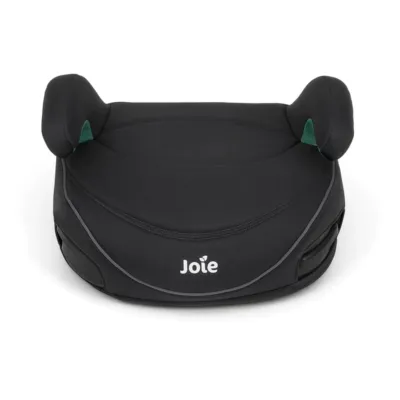
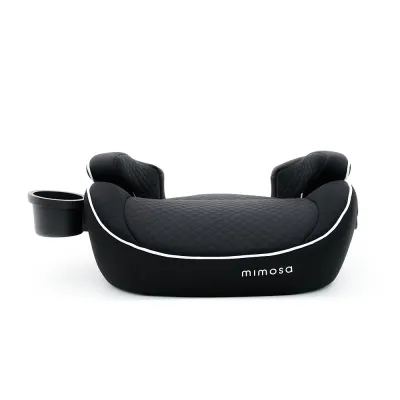
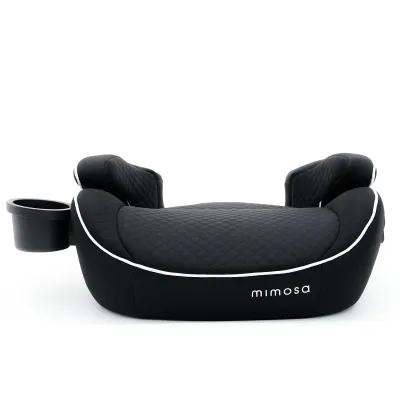
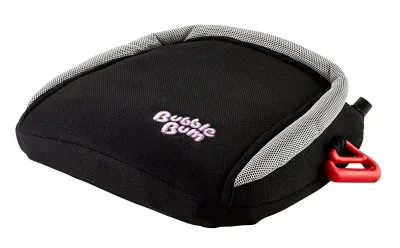
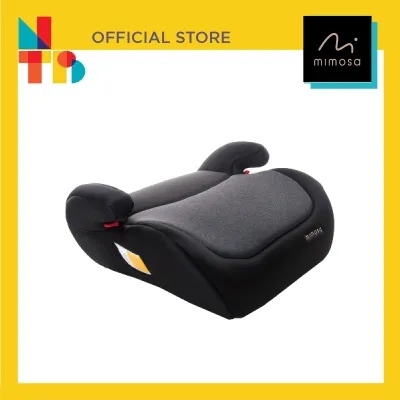
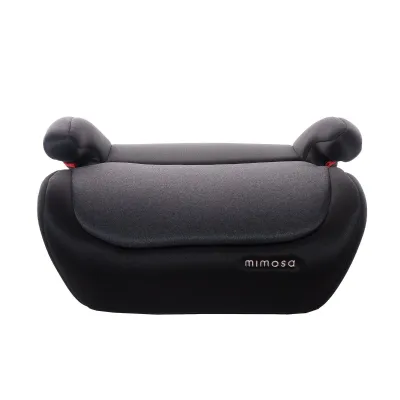
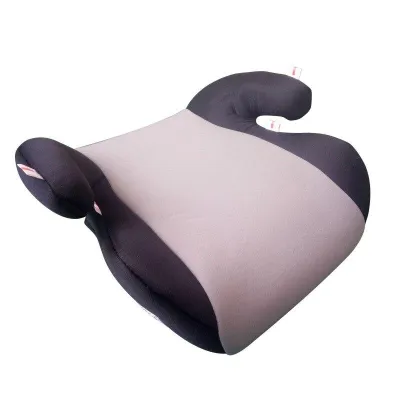
Prices are valid at publication and may change. Please refer to the product page for the latest price.
The physical reasons behind this height threshold are rooted in how vehicle safety systems are engineered. Standard vehicle seat belts are designed to secure adults who are at least 1.35 to 1.4 metres tall. When a shorter child uses an adult seat belt without a booster, the lap belt tends to ride up over the soft abdomen, and the shoulder belt can rest against the neck. In a sudden deceleration, this improper fit can lead to severe internal injuries, making a booster seat essential to position the belt correctly over the child’s strong skeletal frame.
The rules also differ significantly depending on where the child is seated within the vehicle. If a child under 1.35 metres is seated in the front passenger seat, they must be secured in an approved child restraint system. Placing a child under this height threshold in the front seat with only a standard adult seat belt is a traffic violation. For rear-seat passengers, the same height threshold applies, meaning a booster seat or child restraint is mandatory for anyone under 1.35 metres. This distinction is crucial because front-seat airbags are designed for adults and can deploy with forces that pose severe risks to unrestrained or improperly restrained children.
Certain legal exemptions do exist under specific circumstances. For instance, passengers with medical conditions that make the use of standard child restraints impractical or unsafe may be exempt. However, these exemptions are not automatic. Drivers must obtain official medical certification and verify the exact application process with the Singapore Traffic Police to ensure they hold the necessary documentation during travel. It is important to note that general discomfort or a child’s reluctance to sit in a seat does not qualify as a valid medical exemption.
Choosing a Legally Compliant Booster Seat for Kids
When selecting a booster seat for kids, parents must choose between high-back and backless models, both of which serve distinct roles in legal compliance and physical protection. High-back booster seats provide essential lateral support and guide the vehicle’s shoulder belt across the child’s chest, making them highly suitable for younger or shorter children who still require torso positioning. Backless boosters are more compact and elevate the child so the lap belt sits flat across the thighs, but they do not offer side-impact protection or upper-body belt routing.

To ensure a booster seat is legally recognized in Singapore, you must physically inspect the product for approved safety certification labels. The Singapore Traffic Police recognize specific international standards, which typically include certifications from the United States, Europe, Japan, or Australia. Before purchasing any restraint system, locate the physical orange or white certification sticker on the seat shell to verify its compliance, rather than relying solely on online product descriptions or merchant claims.
Using second-hand or expired booster seats carries significant legal and safety compliance risks. Over time, the plastic shell of a booster seat can degrade due to heat and humidity, reducing its structural integrity. Furthermore, a second-hand seat may have been involved in a collision, which can introduce unseen micro-fractures that compromise its performance. Always check the manufacturer’s expiration date, usually stamped on the bottom of the seat, and avoid using any restraint with an unknown history.
Proper Installation and Usage to Meet Safety Standards
A legally compliant booster seat only fulfills its protective role if it is installed and used correctly according to manufacturer specifications. When securing a booster seat with the vehicle’s three-point seat belt, the lap belt must sit low and snug across the child’s hips and pelvis, never across the soft abdomen. The shoulder belt must cross the center of the child’s shoulder and chest, avoiding the neck or face.
To prevent installation errors, drivers must cross-reference both the vehicle’s owner manual and the booster seat manufacturer’s instruction guide. Some vehicles have specific seat belt designs or anchor points that affect how a booster seat rests on the vehicle seat. Ensuring a flush fit against the vehicle’s seatback and verifying that the seat belt retracts smoothly through the booster’s belt guides are critical steps in achieving a secure installation.
Parents must remain vigilant for observable signals that indicate it is time to adjust, upgrade, or stop using a booster seat. If the child’s ears rise above the top of the high-back booster’s headrest, or if they exceed the manufacturer’s stated weight limit, the seat is no longer suitable. Conversely, if a child is over 1.35 metres but the adult seat belt still rides up against their neck or face, continuing the use of a booster seat is highly recommended until a proper belt fit is achieved naturally.
Penalties and Compliance Checks for Drivers
Failing to secure a child passenger in an approved restraint system carries strict legal consequences for drivers in Singapore. Violations can result in composition fines, demerit points, or court prosecution for repeat offenses. Drivers should consult the latest traffic offense schedules published by the Singapore Traffic Police to stay informed about current penalty structures and enforcement updates.
For multi-child families or carpooling arrangements, compliance requires careful spatial planning. Installing multiple child restraints or booster seats across a single rear bench can be challenging due to space constraints. Drivers must ensure that each restraint is installed independently and does not interfere with the buckle mechanisms of adjacent seats. If three restraints cannot fit safely across the rear seat, alternative travel arrangements or larger vehicles may be necessary to remain legally compliant.
When using commercial transport, the legal requirements vary by vehicle type. Traditional public taxis are legally exempt from the child restraint requirement for rear-seat passengers, allowing children under 1.35 metres to travel using only the taxi’s rear seat belts. However, private hire cars booked via mobile applications are not exempt from this law. When booking a private hire car, parents must either bring their own portable booster seat, select a vehicle tier that provides a child restraint, or face potential refusal of service by the driver due to compliance regulations.
Frequently Asked Questions (FAQ)
Do the same car seat laws apply to taxis and private hire cars in Singapore?
No, the legal requirements differ between these two types of commercial vehicles. Public taxis are exempt from the child restraint law for passengers riding in the rear seats, meaning children under 1.35 metres can legally travel using the standard seat belt. However, private hire cars booked through ride-hailing apps enjoy no such exemption. To travel legally and safely in a private hire car, parents must provide their own portable booster seat or book a specialized vehicle service that includes an approved child restraint.
When can my child legally transition from a car seat to a booster seat?
A child can transition from a harnessed car seat to a booster seat once they have outgrown the height or weight limits of their forward-facing car seat, as specified by the manufacturer. Legally, the child must remain in an approved restraint appropriate for their physical size. Parents should verify that the child can sit properly in the booster seat for the entire journey without slouching, slouching forward, or pulling the shoulder belt under their arm or behind their back.
Are there legal exemptions for children with special medical needs?
Yes, Singapore traffic regulations allow for legal exemptions for children who cannot use standard child restraints due to specific medical conditions. To obtain this exemption, parents must secure a formal medical certificate from a registered medical practitioner detailing the child’s condition and why a standard restraint is unsuitable. This documentation must be submitted to the Traffic Police for official review and approval to ensure the driver is exempt from standard restraint requirements during travel.

Community discussion
Share your experience or ask a question. Comments are reviewed before publication.