
In Singapore, all child passengers under 1.35 metres in height, regardless of their age, must be secured in an approved child restraint appropriate for their height and weight when travelling in private vehicles. As a globally recognized safety brand, many Britax car seat models comply with these strict requirements, but compliance depends entirely on selecting a model certified to recognized international standards and using it within its specified physical limits. Understanding how local traffic laws intersect with the brand’s product offerings is essential for keeping your child secure and avoiding steep penalties.
Understanding Singapore's Mandatory Car Seat Regulations
Under the Road Traffic Act in Singapore, the primary metric for child passenger safety is height rather than age. Specifically, any passenger under 1.35 metres must use an approved child restraint, booster seat, or adjustable seatbelt to mitigate the risk of injury during a collision. Those 1.35 metres and above are legally permitted to use standard adult seatbelts. The law applies to all private passenger vehicles, meaning parents must ensure their child is properly secured every time they travel in a family car or a private hire vehicle.
The law categorizes restraints based on the child’s developmental stage to ensure maximum protection. Infant restraints are designed for newborns and young babies, typically providing rear-facing support. Child seats, which are often convertible or forward-facing harness seats, accommodate toddlers, while booster seats lift older children so that the vehicle’s three-point seatbelt aligns correctly across their pelvis and shoulder rather than their neck and stomach. Each category serves a distinct anatomical purpose, protecting vulnerable areas like the spine, neck, and abdomen from the extreme forces of a crash.
Products mentioned in this guide
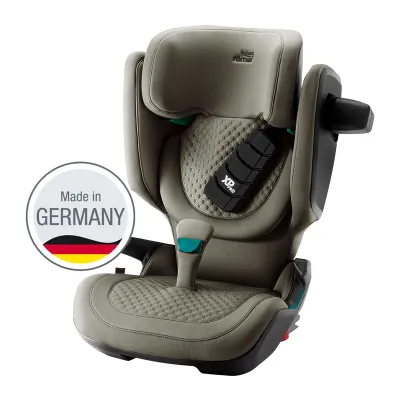
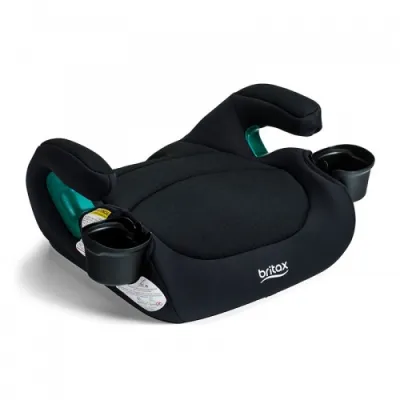
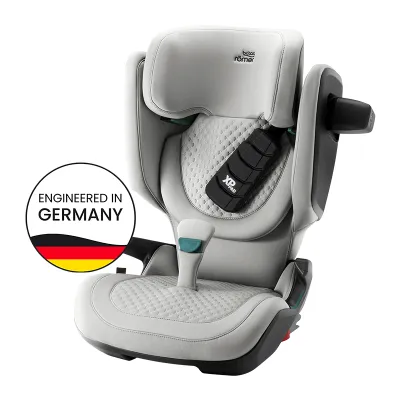
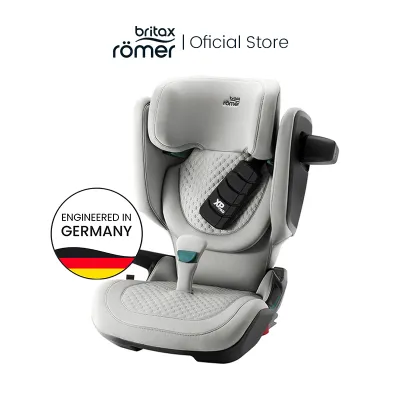
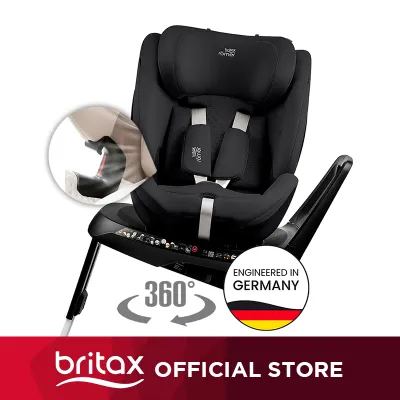
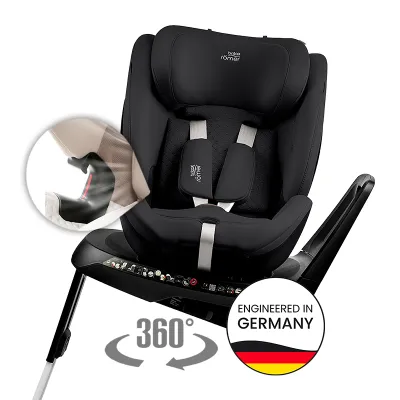
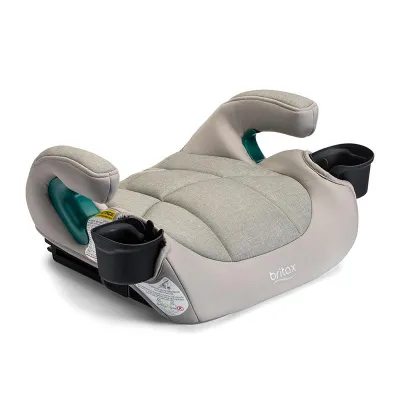
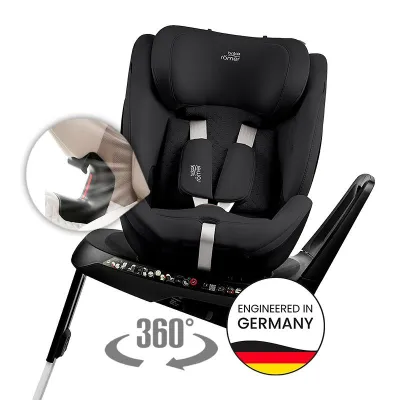
Prices are valid at publication and may change. Please refer to the product page for the latest price.
Failing to comply with these regulations carries strict legal consequences. Drivers found carrying unrestrained passengers under 1.35 metres face a composition fine or prosecution in court, which can result in a fine of up to S$1,000, imprisonment for up to three months, or both for a first offense, along with demerit points. However, parents should view these legal limits as absolute baselines. For maximum safety, safety experts recommend keeping children in each stage of restraint—especially rear-facing—for as long as possible until they reach the maximum height or weight limits of the seat, rather than transitioning them the moment they hit the legal minimum.
How to Verify if a Britax Car Seat Meets Legal Standards
The Singapore Traffic Police and the Land Transport Authority recognize specific international safety standards for child restraints. The two most common standards you will encounter on a Britax car seat are the UN ECE R44.04 (a weight-based standard) and the newer, more rigorous UN ECE R129 (also known as i-Size, which is height-based). When shopping for or verifying a Britax seat, you must ensure it carries an official approval label from one of these recognized frameworks, as seats without these certifications are not legally compliant for use in Singapore.

To verify compliance, look for the orange homologation label affixed to the plastic shell of the Britax car seat. This label is a legal requirement for certified seats and contains crucial safety information. At the top or center of the label, you will see the specific standard (such as ECE R44/04 or ECE R129). The label also displays the approved weight range (for R44) or height range (for R129), a country code indicating where the seat was tested (such as E1 for Germany or E11 for the United Kingdom), and a unique approval number.
A Britax seat is only legally compliant for your specific child if their physical measurements fall strictly within the limits printed on this orange label. For example, if a seat is certified under R44/04 for Group 1 (9 kg to 18 kg), using it for a child weighing 8 kg or 19 kg is both unsafe and legally non-compliant. Always weigh and measure your child regularly, and cross-reference these figures with the label on your specific Britax model to ensure ongoing compliance.
Matching Britax Seat Categories to Your Child's Growth Stages
Infant Carriers (Rear-Facing Only)
For newborns and young infants, Singapore law and international safety guidelines mandate rear-facing travel. Rear-facing infant carriers are engineered to support the child’s head, neck, and spine by absorbing the forces of a frontal impact. Britax infant carriers, such as those in the Baby-Safe series, are specifically designed for this vulnerable stage. When using these carriers, caregivers must verify the maximum weight or height limit on the orange label. Typically, R129 infant carriers accommodate babies up to 83 cm or 85 cm in height, while R44 models usually cap at 13 kg. Once your baby’s head reaches the top edge of the carrier shell, or they exceed the certified weight or height limit, you must stop using the carrier and transition to the next category, even if their legs are bent or touching the vehicle seat.
Convertible and Multi-Stage Seats
Convertible and multi-stage Britax car seats offer a versatile solution that transitions from rear-facing to forward-facing as your child grows. Many modern Britax models support extended rear-facing, allowing children to remain rear-facing up to 105 cm or approximately 18 kg to 22 kg, depending on the model. To maintain legal compliance and safety, parents must check the specific model’s forward-facing minimum requirements on the product label. Under R129 regulations, children must remain rear-facing until they are at least 15 months old and meet the minimum height threshold (usually 76 cm). When transitioning the seat to forward-facing mode, ensure the internal five-point harness is adjusted correctly and that you adhere strictly to the maximum weight or height limits specified for harness use before converting the seat into a high-back booster.
Booster Seats and Cushions
Once a child outgrows the internal harness of a convertible seat but remains under Singapore’s 1.35-metre height limit, they must transition to a booster seat. Britax offers high-back booster seats, such as the Kidfix series, which use the vehicle’s three-point seatbelt to secure the child. High-back boosters are highly recommended over backless booster cushions because they provide essential side-impact protection and guide the shoulder belt safely across the collarbone. Under R129 standards, backless booster cushions are restricted and can only be certified for children taller than 125 cm. Always check the manufacturer’s documentation and the orange label to confirm your child meets the minimum height and weight requirements before using any booster seat, and ensure the vehicle’s lap belt rests low across the hips, not the stomach.
Installation and Usage Boundaries for Legal Compliance
An approved Britax car seat can only protect your child and satisfy legal safety requirements if it is installed correctly. Even the highest-rated seat can fail or be deemed non-compliant during a roadside check or accident if it is improperly secured. Caregivers must consult both the Britax user manual and your vehicle’s owner’s manual to determine the correct installation method, whether using ISOFIX anchors or the vehicle’s three-point seatbelt. If the instructions conflict, or if you are unsure of the compatibility, stop the installation and consult the manufacturer or a qualified car seat installation professional.
When planning your installation and ongoing usage, verify the following key boundaries:
- Vehicle Compatibility: Confirm whether your vehicle has dedicated ISOFIX lower transition anchors and top tether points, or if the Britax seat must be secured using the vehicle seatbelt. Not all cars accommodate all ISOFIX seats, especially in older vehicle models common in Singapore.
- Harness and Headrest Adjustments: The harness straps must be at or slightly below the shoulders for rear-facing, and at or slightly above the shoulders for forward-facing. The headrest must support the head fully, with the harness guide positioned correctly.
- Retirement and Expiration: Car seats degrade over time due to heat and UV exposure, which is particularly relevant in Singapore's tropical climate where interior vehicle temperatures can soar. Check the user manual or the underside of the seat for the manufacturer's recommended lifespan (typically 5 to 10 years from the date of manufacture or first use).
- Post-Collision Replacement: Any Britax seat involved in a moderate to severe collision must be retired and replaced immediately, as invisible structural damage can compromise its protective capabilities. Check if your model qualifies for Britax's crash exchange program.
Frequently Asked Questions (FAQ)
Are children exempt from car seat laws in taxis and private hire cars?
In Singapore, public taxis are legally exempt from the child restraint requirement; children under 1.35 metres may travel in the rear seat of a taxi using a standard seatbelt, though using a portable ride-share safety device is highly recommended. However, private hire vehicles (such as Grab, Gojek, or Tada) are not exempt. If you travel in a private hire car, your child must legally use an appropriate child restraint or booster seat. Many ride-hailing services offer specialized booster-equipped vehicle categories that you should pre-book if you do not carry your own portable Britax seat.
Is it legal and safe to use a second-hand Britax car seat?
While it is legally permissible to use a second-hand Britax car seat in Singapore provided it bears a valid UN ECE R44.04 or R129 homologation label, safety experts strongly advise against it. It is virtually impossible to verify a used seat’s complete history, including whether it has been involved in a collision, subjected to harsh cleaning chemicals that degrade the harness webbing, or stored in conditions that cause structural weakness. If you must use a second-hand seat, only accept one from a trusted source where you can guarantee its history, verify its expiration date, and confirm that all original labels, manuals, and components are intact.
How do I know when my child can legally stop using a booster seat?
Your child can legally stop using a booster seat in Singapore once they reach 1.35 metres (135 cm) in height. To ensure they can safely transition to an adult seatbelt, perform a simple five-step fit check: their back must rest flat against the vehicle seat back, their knees must bend comfortably over the edge of the seat cushion, the lap belt must sit low across their hips and thighs (not their stomach), the shoulder belt must cross the middle of their shoulder (not their neck), and they must be able to maintain this position for the entire journey. If they do not meet all these criteria, they should remain in a booster seat for their safety, regardless of their height or age.

Community discussion
Share your experience or ask a question. Comments are reviewed before publication.