
In Singapore, ensuring the safety of young passengers on the road is both a critical parental duty and a strict legal requirement. Under the Road Traffic Act, anyone under the height of 1.35 meters must be secured with an approved child restraint system appropriate for their height and weight when traveling in a motor vehicle. For children who have outgrown their forward-facing harness seats but are not yet tall enough for adult seatbelts, a booster seat is the legally mandated solution.
This height-centric regulation is designed to protect children from the severe injuries that adult seatbelts can cause during a collision. While age is often discussed as a general milestone, the law prioritizes physical height as the definitive metric for compliance. Whether you are driving a personal vehicle or booking a ride-hailing service, understanding how these rules apply to your daily commute is essential for staying compliant and keeping your child safe.
The Core Legal Standard: Why Height Matters More Than Age
The Singapore Traffic Police enforce a strict height-based rule for child safety restraints rather than relying solely on age. Specifically, any passenger in a motor vehicle who is under 1.35 meters tall must be secured with an approved child restraint system, which includes booster seats. This rule applies regardless of whether the child is a toddler or an older pre-teen, making height the primary legal threshold for compliance.
Products mentioned in this guide
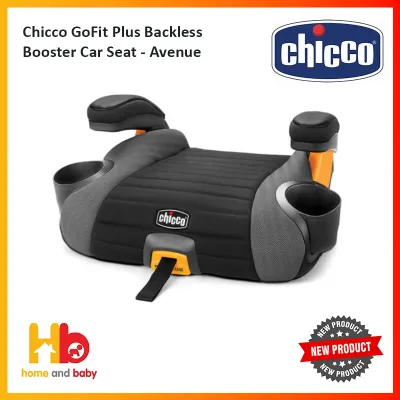
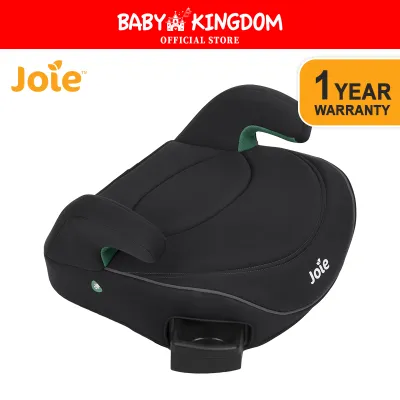
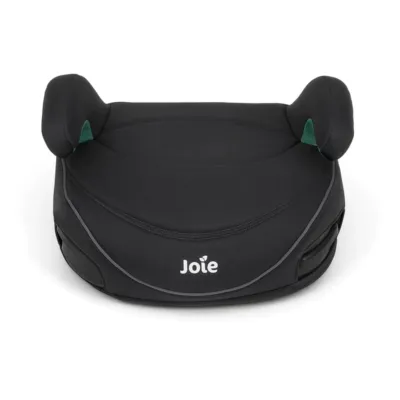
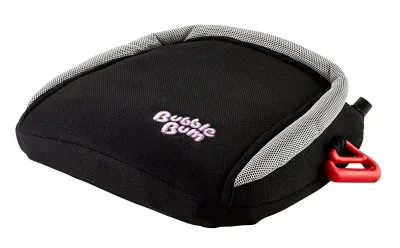
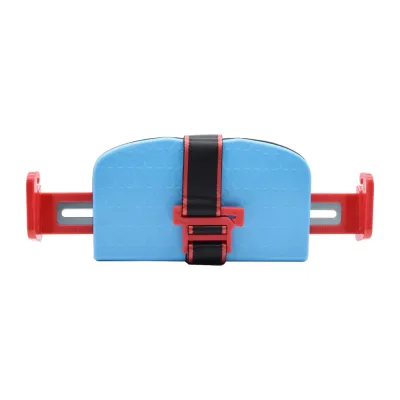

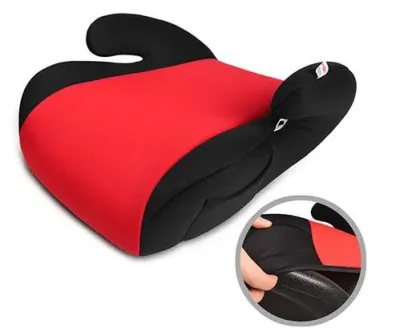
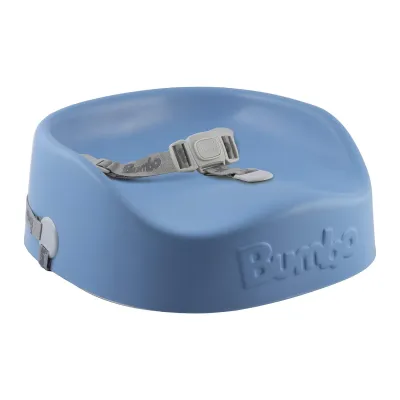
Prices are valid at publication and may change. Please refer to the product page for the latest price.
The reason the law prioritizes height over age lies in the physical design of standard vehicle safety systems. Adult seatbelts are engineered to secure passengers who are at least 1.5 meters tall. When a child under 1.35 meters uses a standard seatbelt without a booster, the belt typically rests across their neck and soft abdomen rather than their strong collarbone and hip bones. In a sudden deceleration or collision, this improper positioning can lead to severe seatbelt syndrome, causing internal organ damage or neck injuries.
While many parents associate the age of 12 with the transition to adult seatbelts, age is merely a secondary guideline. A child may reach 12 years of age but still measure under 1.35 meters, meaning they legally still require a booster seat. Conversely, a tall child who is under 12 but has surpassed the 1.35-meter mark is legally permitted to use the adult seatbelt, provided it fits them properly.
To determine if your child legally requires a booster seat, you should measure their height accurately at home. Have your child stand flat-footed against a wall without shoes, ensuring their heels, upper back, and head make contact with the vertical surface. Use a flat ruler placed horizontally on their head to mark the wall, then measure the distance from the floor to the mark. If the measurement is even slightly under 1.35 meters, a compliant booster seat must be used for every journey in private vehicles and private hire cars.
How to Verify Your Booster Seat Meets Legal Standards
Not all booster seats sold online or in physical stores are legally compliant in Singapore. To ensure your child’s seat meets local regulations, you must verify that the product carries a recognized international safety standard label. The Singapore Traffic Police recognize specific standards, including the United Nations standard (UN ECE R44/04 or UN R129, also known as i-Size) and the United States standard (FMVSS 213). Before purchasing, locate the physical certification sticker on the seat shell to confirm compliance.

Booster seats generally fall into two categories: high-back boosters and backless boosters. High-back boosters provide a dedicated shell that supports the child’s head, neck, and torso, often incorporating side-impact protection and built-in shoulder belt guides. Backless boosters simply raise the child so the vehicle’s seatbelt aligns correctly across their body. While both styles can be legally compliant if they carry approved safety labels, they serve different developmental stages and physical needs.
The transition from a forward-facing car seat with an internal harness to a booster seat must be guided by physical limits rather than convenience. A child is ready to transition only when they have fully outgrown the maximum weight or height limit of their forward-facing harness seat, as specified by the manufacturer. Moving a child to a booster seat too early reduces their protection, as a booster relies entirely on the vehicle’s adult seatbelt to restrain both the seat and the child.
To maintain safety and compliance throughout the product’s lifespan, parents should register their child restraint system with the manufacturer immediately after purchase. This registration ensures you receive critical safety notices or recall alerts. Always keep the original user manual stored in a dedicated pocket on the seat or in your glove compartment, allowing you to quickly verify weight and height boundaries as your child grows.
Front Seat vs. Back Seat: Legal Rules and Airbag Risks
Placing a child in a booster seat in the front passenger seat carries severe safety risks that every driver must understand. Front passenger seats are equipped with active frontal airbags designed to protect adults in high-speed collisions. However, the force of a deploying airbag can cause catastrophic injuries to a child seated in a booster seat, as the airbag deploys at the level of the child’s head and chest.
Under Singapore law, a child under 1.35 meters should ideally be secured in the rear seats of the vehicle. If circumstances require a child to sit in the front seat—such as when the rear seats are fully occupied by other child restraints or if the vehicle lacks a rear seat—strict conditions apply. The front passenger airbag must be manually deactivated if the vehicle allows it, and the vehicle seat must be slid back as far as possible to maximize the distance between the child and the dashboard. If the airbag cannot be deactivated, placing a child in the front seat is highly discouraged and may violate safe usage guidelines.
The legal requirements also vary depending on the type of commercial transport you use in Singapore. Standard street-hailed taxis are currently exempt from the child restraint law under Traffic Police regulations due to their classification as public service vehicles. This exemption allows parents to travel with young children in traditional taxis without a booster seat, though doing so carries inherent safety risks.
In contrast, private hire cars (such as ride-hailing services booked via mobile apps) do not share this legal exemption. Because private hire vehicles are classified differently, drivers are legally required to ensure all passengers under 1.35 meters are secured in an appropriate child restraint. If you book a standard private hire car without bringing your own portable booster seat or booking a specialized family-friendly vehicle tier that provides a booster, the driver has the legal right—and obligation—to refuse the ride. Parents should verify the latest exemption policies and ride-hailing safety terms on the official Traffic Police website before planning their journeys.
Legal Penalties for Driving Without a Proper Child Restraint
In Singapore, the legal responsibility for ensuring that all passengers are properly secured rests squarely on the driver of the vehicle. If you are stopped by the Traffic Police and found to be carrying a passenger under 1.35 meters tall who is not secured in an approved child restraint system, you are committing an offense. This rule applies to personal car owners, rental car drivers, and private hire drivers alike.
Violating these child restraint regulations results in immediate legal penalties, which typically include composition fines and demerit points issued to the driver’s license. The exact penalty structures, including fine amounts and the number of demerit points deducted, are subject to periodic updates by the authorities. To verify the most current penalty rates, drivers should consult the official Singapore Police Force or Traffic Police digital portals.
Beyond the financial and administrative consequences of a traffic ticket, the primary risk of non-compliance is physical. Unsecured or improperly secured children are highly vulnerable to being thrown against the vehicle interior or ejected during a sudden stop or collision. Ensuring your child is in a compliant booster seat is a fundamental safety practice that far outweighs the goal of avoiding legal fines.
Correct Seatbelt Routing and Knowing When to Stop Using a Booster
Securing your child in a booster seat is only effective if the vehicle’s seatbelt is routed correctly across their body. The primary function of a booster seat is to position the adult seatbelt over the strongest parts of the child’s skeletal structure. The shoulder belt must cross the center of the child’s shoulder and chest, avoiding the neck entirely, while the lap belt must sit low across the upper thighs and hips, never riding up onto the soft tissue of the abdomen.
Common installation and usage mistakes can severely compromise the safety of a booster seat. Parents must ensure that the shoulder belt is never tucked under the child’s arm or behind their back, as this leaves the upper body completely unrestrained during a crash. Additionally, ensure the seatbelt is pulled taut and is not twisted, as twisted webbing concentrates crash forces onto a narrower area of the body.
To determine if your child has physically outgrown the need for a booster seat, do not rely solely on them reaching the legal height of 1.35 meters. Instead, perform a standard five-step seatbelt fit test once they reach this milestone:
- Step 1: Does the child sit all the way back against the vehicle's seat back without slouching?
- Step 2: Do the child's knees bend comfortably over the edge of the vehicle seat cushion?
- Step 3: Does the shoulder belt cross naturally over the middle of their shoulder and chest?
- Step 4: Does the lap belt sit low and flat across their upper thighs and hips?
- Step 5: Can the child comfortably maintain this proper seating position for the entire duration of the journey?
If the answer to any of these steps is no, the child is not yet physically ready to transition to a standard seatbelt alone. Even if they meet the legal height requirement, they should continue using a booster seat until the adult seatbelt fits them perfectly. If you are ever uncertain about the fit or installation of a specific model, consult the manufacturer’s instructions or seek guidance from a certified child passenger safety technician.
Frequently Asked Questions (FAQ)
Can my child ride in a taxi without a booster seat?
Yes, under current Singapore Traffic Police regulations, standard street-hailed taxis are exempt from the child restraint requirement. This exemption exists because taxis are classified as public transport vehicles. However, this legal exemption does not apply to private hire cars (ride-hailing apps), where a booster seat remains legally mandatory. For maximum safety, parents are strongly encouraged to use a portable booster seat or book specialized family-friendly ride options even when traveling in standard taxis.
Is a backless booster seat legal in Singapore?
Yes, backless booster seats are legally acceptable in Singapore, provided they carry a recognized international safety certification label, such as UN ECE R44/04 or UN R129. You must also ensure your child meets the manufacturer’s specified minimum weight and height requirements for that specific model. While legal, high-back boosters are often recommended for younger or smaller children because they offer additional side-impact protection and help keep the child’s head and torso properly positioned.
What if my child is under 12 but taller than 1.35m?
If your child is under the age of 12 but has already grown taller than 1.35 meters, they are legally permitted to travel in a vehicle using only the standard adult seatbelt. The law uses 1.35 meters as the definitive threshold for requiring a child restraint system. However, before removing the booster seat, you should perform the five-step fit test to confirm that the adult seatbelt sits correctly across their shoulder and hips without riding up onto their neck or stomach.
Community discussion
Share your experience or ask a question. Comments are reviewed before publication.