
In Singapore, child passenger safety is strictly regulated to minimize the risks associated with road travel. Anyone under the height of 1.35 metres must be secured with an approved child restraint appropriate for their height and weight when travelling in a private vehicle. This rule applies regardless of age, making a baby booster seat or child car seat a legal necessity for most children until they reach this height threshold. Navigating these laws is essential for parents to ensure both legal compliance and the physical protection of their children.
Understanding the Core Legal Framework for Child Restraints
Under Singapore’s Road Traffic Act, all passengers in motor vehicles must be properly secured. For children, this means using an approved child restraint system that matches their physical development. The law places the primary responsibility on the driver, who must ensure that every passenger under the age of 21 is secured with a seatbelt or an appropriate child restraint.
The law distinguishes between different types of restraints based on the child’s physical size. Infant car seats and convertible seats are designed for younger babies who require specialized neck and spine support, while booster seats are intended for older children who have outgrown harness-based systems but are still too short for adult seatbelts. Booster seats function by raising the child so that the vehicle’s standard three-point seatbelt fits correctly across their stronger skeletal structures.
Products mentioned in this guide
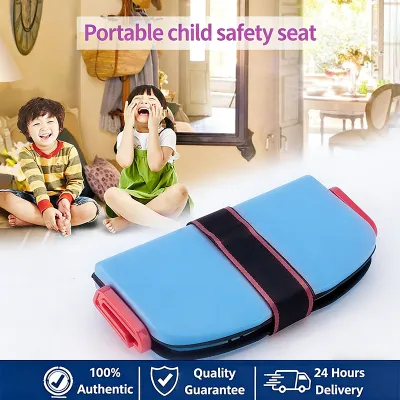
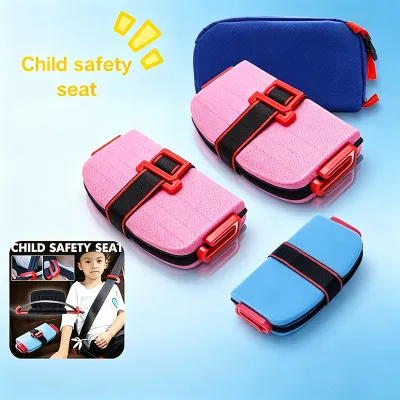
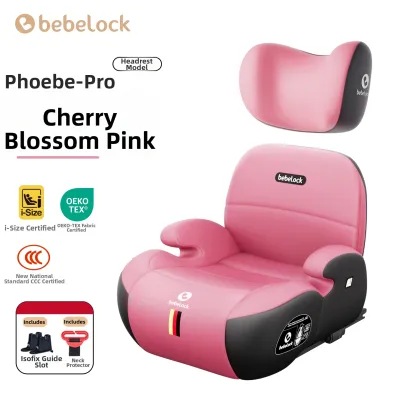
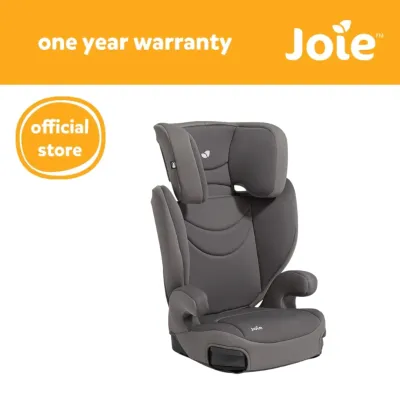
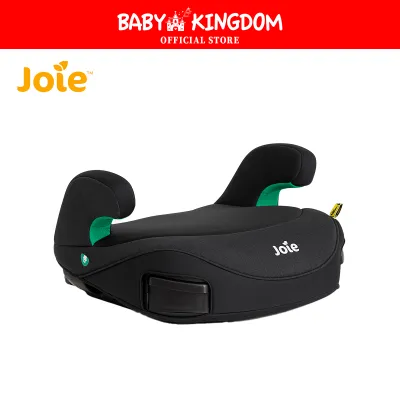
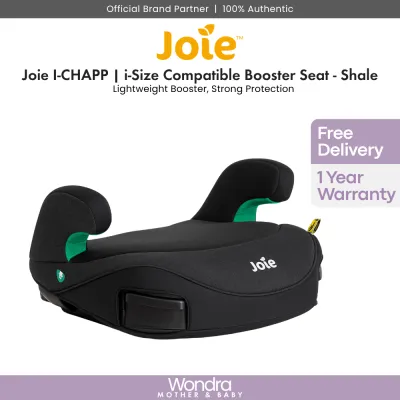
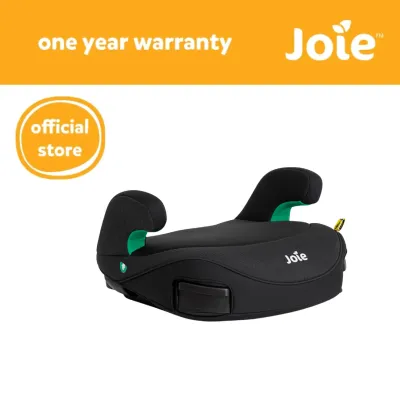
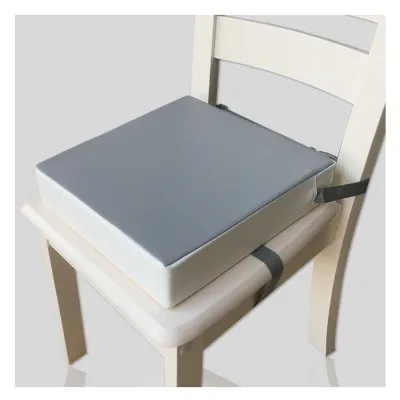
Prices are valid at publication and may change. Please refer to the product page for the latest price.
Failing to secure a child passenger properly is a serious traffic offense in Singapore. Drivers face immediate legal liabilities, including composition fines and demerit points, while passengers who fail to comply can also be held legally responsible. Beyond the legal penalties, non-compliance exposes young passengers to significant physical risks during sudden stops or collisions, making adherence to the framework a matter of basic safety.
Official Thresholds: Height, Age, and Weight Requirements
The primary legal trigger for child restraints in Singapore is height. According to local traffic regulations, any passenger below 1.35 metres in height must use an approved child restraint, booster seat, or adjustable seatbelt clip. Once a child reaches or exceeds 1.35 metres, they are legally permitted to use a standard adult seatbelt without any additional booster accessory.

While height is the absolute legal threshold, age and weight serve as critical secondary indicators for choosing the correct seat type. Parents should consult the manufacturer’s documentation to verify the specific weight and height limits of their booster seat, as using a seat outside its specified range can compromise its effectiveness. For example, many booster seats are rated for children weighing between 15 and 36 kilograms, which typically corresponds to children aged four to twelve.
A child can legally transition to using a standard adult seatbelt without a booster seat only when they reach or exceed the 1.35-metre mark. Even if a child is older, they must continue using a booster seat if they have not yet reached this height. Conversely, a younger child who is exceptionally tall and exceeds 1.35 metres may legally use an adult seatbelt, though safety experts often recommend continuing with a booster seat until the seatbelt fits perfectly.
Approved Safety Standards and Certification Marks
Singapore authorities recognize several international safety standards for child restraints. These typically include regulations such as the United Nations standard (UN ECE R44 or R129), the American Federal Motor Vehicle Safety Standard (FMVSS 213), or equivalent standards from Britain, Australia, or Japan. Restraints that do not carry one of these approved certification marks are not legally compliant for use on Singapore roads.
Parents must verify that their baby booster seat displays a clear, genuine certification label. This label is usually located on the underside or back of the seat shell, indicating compliance with one of the recognized international testing frameworks. For example, a UN ECE compliant seat will feature an orange label with an ‘E’ mark followed by a number indicating the country of certification.
Using an uncertified, expired, or second-hand booster seat carries significant legal and safety risks. Materials degrade over time, and second-hand seats may have suffered invisible structural damage in previous incidents, making it essential to verify the seat’s history and expiration date. Parents should avoid purchasing unlabelled seats from unverified online marketplaces, as these products may not have undergone rigorous crash testing.
Seating Positions and Installation Compliance
For optimal safety, child restraints are generally recommended for installation in the rear seats of the vehicle. While rear seating is the safest practice, local regulations require strict compliance with installation instructions if a child restraint must be placed in the front passenger seat. The rear center seat is often considered the safest position, provided it is equipped with a proper three-point seatbelt or compatible anchorage points.
If a booster seat or rear-facing child seat is installed in the front passenger seat, the front airbag must be deactivated. An active airbag deploying against a child restraint can cause severe injury, so parents must verify their vehicle’s airbag status and manual before installation. Many modern vehicles allow manual deactivation of the passenger airbag, but if this is not possible, the child restraint must be installed in the rear.
Proper installation is legally required to ensure the restraint functions as intended. This involves securing the booster seat using either the vehicle’s three-point seatbelt system or approved anchorage systems like ISOFIX, following the manufacturer’s routing guides precisely. High-back booster seats often feature red plastic guides to show exactly where the shoulder and lap belts must pass to secure the child safely.
Transitioning Out of a Booster Seat: When Is It Legal?
Transitioning a child out of a booster seat is legal once they reach 1.35 metres, but parents should also look for key physical and behavioral milestones. The child must be able to sit all the way back against the vehicle seat with their knees bending comfortably over the edge without slouching. If the child’s knees do not bend naturally at the seat edge, they will likely slide forward, causing the seatbelt to ride up onto their vulnerable abdomen.
To ensure a safe transition, parents can perform a standard seatbelt fit test. The shoulder belt must rest flat across the center of the collarbone and chest, never rubbing against the neck or face, while the lap belt must sit low across the hips and thighs rather than the stomach. The child must also be mature enough to remain in this correct seating position for the entire duration of the journey without slouching or pulling the belt under their arm.
If there is any doubt about whether a child fits a standard seatbelt safely, it is best to continue using the booster seat or consult a certified child passenger safety technician. Keeping the child in a booster seat for as long as they fit within the manufacturer’s limits provides the best protection. Many high-back booster seats accommodate children up to 1.5 metres, offering extended side-impact protection and belt positioning well beyond the minimum legal requirement.
Frequently Asked Questions (FAQ)
Are booster seats legally required in taxis and private hire cars?
In Singapore, public taxis are legally exempt from the child restraint requirement, allowing children under 1.35 metres to travel in the rear seat using a standard seatbelt. However, this exemption does not apply to private hire vehicles (such as ride-hailing services), where children must be secured in an approved restraint or booster seat. Families using ride-hailing services should bring a portable booster seat or book a vehicle equipped with a child restraint to remain legally compliant.
What are the penalties for not using a compliant baby booster seat?
Drivers who fail to secure a passenger under 1.35 metres with an approved child restraint face a composition fine of S$120 and 3 demerit points under current traffic police guidelines. If the case goes to court, first-time offenders can face a fine of up to S$1,000, imprisonment for up to three months, or both, with penalties increasing for subsequent offenses.
Can I use a booster seat purchased overseas in Singapore?
Yes, you can use an overseas-purchased booster seat in Singapore, provided it carries a certification mark from a recognized international standard, such as the UN ECE or FMVSS. Parents must verify that the seat’s design is compatible with Singapore vehicle seatbelts and anchorage systems, as some overseas models may require specific installation hardware not standard in local cars.

Community discussion
Share your experience or ask a question. Comments are reviewed before publication.