
The best brush for cleaning baby bottles depends entirely on your bottle material and daily cleaning habits. While silicone offers excellent scratch prevention and quick drying, sponge provides superior lathering for fresh milk, and nylon delivers the heavy-duty scrubbing power needed for glass bottles. Choosing the right material ensures you remove milk residue effectively without damaging the bottle surface, which could otherwise harbor bacteria.
Proper bottle hygiene is critical because breast milk and formula contain fats and proteins that easily cling to container walls. If these residues are not completely cleared, they can form a thin film that becomes a breeding ground for microbes. Selecting a brush that matches your specific bottle type is the first step toward maintaining a clean and safe feeding setup for your infant.
How to Match Brush Material to Your Baby Bottles
Selecting the right cleaning tool starts with examining what your baby bottles are made of. Plastic bottles, such as those made from polypropylene (PP) or polyphenylsulfone (PPSU), are highly susceptible to microscopic scratches. Glass bottles, on the other hand, are much more resilient against abrasive scrubbing but require thorough cleaning to keep their surfaces crystal clear.
Products mentioned in this guide
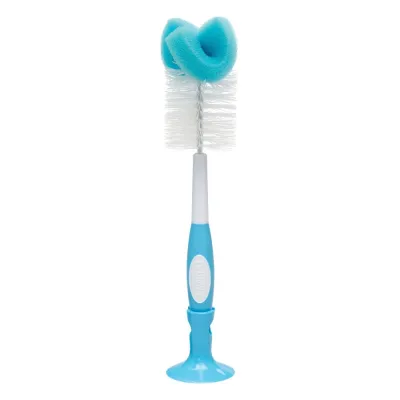

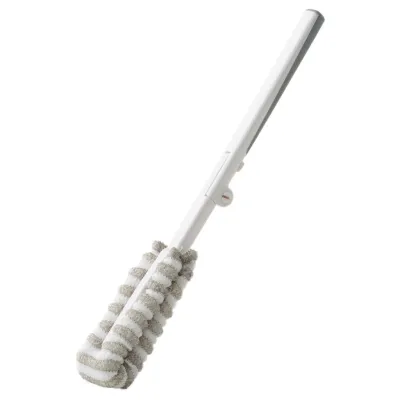

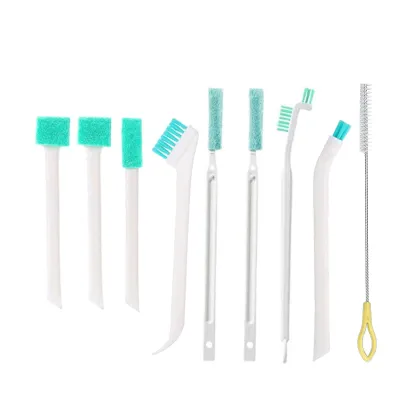
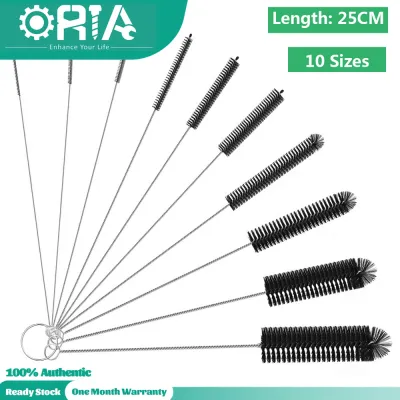
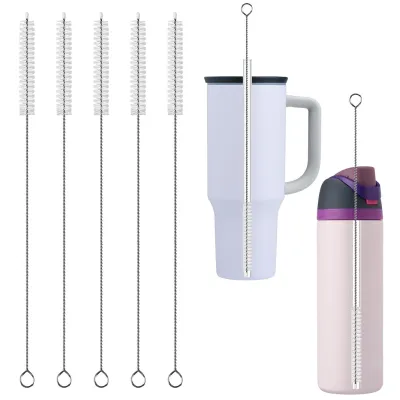
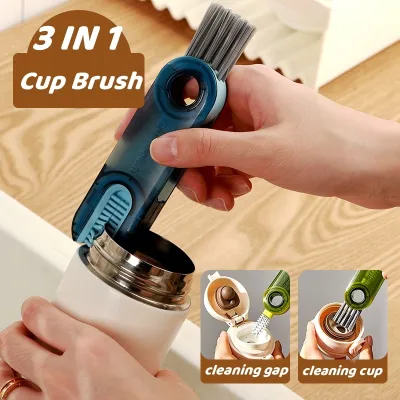
Prices are valid at publication and may change. Please refer to the product page for the latest price.
Your daily feeding routine also dictates your choice. If you wash bottles immediately after each feeding, a gentle brush that creates a rich lather is often sufficient. However, if bottles frequently sit with dried-on formula or breast milk residue before you can wash them, you will need a brush capable of breaking down stubborn, dried-on fats.
To simplify your choice, consider this practical framework. Choose a silicone brush if you prioritize scratch prevention, long-term durability, and rapid drying in humid environments. Opt for a sponge brush if you want maximum foaming action to lift fresh milk film quickly with minimal effort. Select a nylon brush if you primarily use glass bottles and need robust scrubbing power to clear away dried-on residue.
Before purchasing any brush, always check the manufacturer care labels on both your baby bottles and the brushes themselves. Some bottle brands explicitly warn against using stiff nylon bristles on their plastic ranges, while certain brush designs have specific sterilization limits that you must verify to prevent melting or warping.
Silicone Bottle Brushes: Gentle and Quick-Drying
Silicone bottle brushes have gained popularity due to their gentle contact and hygienic properties. The soft, flexible silicone bristles bend easily to conform to the contours of both plastic and glass bottles. Because silicone is inherently non-abrasive, it minimizes the risk of creating micro-scratches on plastic interiors, helping to preserve the smooth surface of your feeding gear over months of repeated washing.

From a hygiene perspective, silicone offers distinct advantages in humid climates. The material is non-porous, meaning it does not absorb water, milk residue, or soap. After cleaning, a simple shake removes most of the water, allowing the brush to dry rapidly. This quick-drying nature significantly reduces the likelihood of mold, mildew, or bacterial buildup on the brush head between uses.
However, silicone brushes do have notable trade-offs when it comes to mechanical scrubbing power. Because the bristles are flexible and smooth, they do not generate the same level of friction as nylon or the high absorbency of sponge. If you are dealing with dried-on formula or stubborn breast milk fats, you will likely need to pre-soak the bottles in warm, soapy water to loosen the residue before scrubbing with a silicone brush.
Additionally, silicone brushes do not lather soap as easily as sponge or nylon. You may find yourself using slightly more bottle-cleansing liquid to achieve the same soapy consistency. For parents who prefer a rich foam to feel confident in their cleaning, this characteristic requires a slight adjustment in expectations and washing technique.
Sponge Bottle Brushes: High Absorbency and Foaming
Sponge bottle brushes excel at creating a rich, thick lather with very little dish soap. The highly absorbent material holds soapy water throughout the cleaning process, allowing you to wipe down the entire inner surface of the bottle smoothly. This soft contact makes sponge brushes highly effective at lifting fresh milk film and liquid residue without any risk of scratching delicate plastic surfaces.
Despite their excellent cleaning performance, sponge brushes require rigorous maintenance due to their porous structure. Sponges trap moisture, soap scum, and microscopic organic matter deep within their pores. In warm, humid environments, this retained moisture creates an ideal breeding ground for bacteria and mold if the brush is not dried completely in a well-ventilated area.
To keep feeding accessories safe, caregivers must monitor sponge brushes closely for signs of degradation. You should inspect the sponge head daily for visual wear indicators such as tearing, crumbling, or discoloration. Any lingering sour or musty odor that persists after washing is a clear signal that bacteria have colonized the sponge, requiring immediate replacement of the brush head.
Furthermore, the physical connection between the sponge and the plastic handle can weaken over time. Repeated twisting and squeezing can cause the sponge to tear away from its plastic anchor. If you notice the sponge head loosening or starting to shred, stop using it immediately to prevent small sponge particles from remaining inside the bottle or nipple.
Nylon Bottle Brushes: Heavy-Duty Scrubbing
Nylon bottle brushes are the traditional choice for heavy-duty cleaning. The stiff, tightly packed nylon bristles generate high friction against the bottle walls, allowing you to scrub away stubborn, dried-on milk deposits and baked-on stains quickly without the need for extensive pre-soaking. This mechanical efficiency makes them highly practical for busy parents who manage large batches of bottles at the end of the day.
However, this aggressive scrubbing power comes with a significant drawback for plastic bottles. Nylon bristles can easily create micro-scratches on softer plastic materials over time. These tiny grooves are not just cosmetic issues; they can harbor microscopic milk proteins and bacteria that are difficult to reach and clean, potentially compromising the hygiene of future feeds.
Consequently, nylon brushes are best reserved for specific, high-durability use cases. They are ideal for cleaning glass baby bottles, which possess a hard surface that resists scratching from stiff bristles. They are also highly effective for scrubbing durable, non-plastic feeding accessories, such as silicone nipples or stainless steel components, where heavy-duty friction is required to clear residue from tight crevices.
When using a nylon brush, pay close attention to the tip of the brush. Many designs feature a wire core that holds the bristles together; if this wire becomes exposed due to bristle shedding, it can scratch even glass bottles or puncture delicate silicone nipples. Regular inspection of the brush tip is essential to prevent accidental damage.
Hygiene and Maintenance Rules for All Brush Types
Regardless of the brush material you choose, establishing strict hygiene habits is essential to prevent your cleaning tools from spreading bacteria. After every use, rinse the brush thoroughly under running water to remove all traces of soap and milk residue. Shake off excess water and store the brush upright in a well-ventilated holder, away from the damp sink area, to ensure it dries completely before the next use.
Sanitizing your bottle brush requires careful attention to manufacturer instructions, as heat tolerances vary widely. While some silicone brushes can withstand boiling water or UV sterilizers, others feature plastic handles or adhesives that can warp, melt, or degrade under high heat. Always verify the product label before exposing any brush to steam, boiling water, or chemical sterilizing solutions.
Incorporate a quick routine inspection into your daily washing schedule to ensure your tools remain safe. Check nylon brushes for loose or shedding bristles that could accidentally end up inside a baby bottle. Examine sponge brushes for structural breakdown, and inspect silicone brushes to ensure the head remains securely attached to the handle. If you notice any loose parts, cracking, or persistent odors, stop using the brush immediately.
Finally, avoid using your baby bottle brush for general household dishes or family cookware. Cross-contamination from grease, spices, and raw food residues can introduce stubborn bacteria and oils to your baby’s feeding equipment. Keep a dedicated, clearly labeled cleaning station specifically for infant feeding items to maintain a high standard of hygiene.
Frequently Asked Questions (FAQ)
How often should you replace a baby bottle brush?
While many manufacturers suggest replacing bottle brushes every few weeks, the actual timeline depends on your usage frequency and how well the brush dries. You should replace the brush immediately if you observe visual cues like frayed or missing nylon bristles, torn or crumbling sponge edges, or deformed silicone heads. Olfactory cues, such as a persistent sour or musty smell even after the brush has dried, also indicate that it is time for a replacement.
Can you put bottle brushes in the dishwasher or sterilizer?
You must check the specific product packaging for dishwasher-safe symbols and temperature limits before machine washing any bottle brush. Dishwashers and sterilizers pose material-specific risks, such as melting plastic handles, degrading the adhesives holding sponge heads, or warping the inner cores of silicone brushes. If your brush is not rated for high-heat appliances, sanitize it by washing it thoroughly with warm, soapy water and allowing it to air-dry completely in a clean, sunny spot.

Community discussion
Share your experience or ask a question. Comments are reviewed before publication.