
Selecting the right milk bottle brush is a critical yet often overlooked step in maintaining your infant’s feeding hygiene. The ideal brush must thoroughly remove stubborn milk fats and proteins without compromising the structural integrity of the bottle itself. Because baby bottles are manufactured from a variety of materials—ranging from traditional glass to modern plastics and flexible silicone—a single brush type rarely suits every household. Matching the physical properties of your brush to the specific material of your bottles is essential to prevent micro-scratches, which can become breeding grounds for bacteria.
How to Match Brush Material to Your Baby Bottles
To establish a safe and efficient cleaning routine, you must first identify the material composition of your baby bottles. Glass bottles are highly resilient and possess a hard, non-porous surface. This durability allows them to withstand stiff bristle brushes and abrasive scrubbing actions without scratching, making them compatible with almost any brush material. However, glass bottles are heavy and fragile, meaning the brush handle should offer a secure grip to prevent accidental slips in soapy water.
Plastic bottles, including those made from Polypropylene (PP), Polyphenylsulfone (PPSU), and Polyethersulfone (PES), require a much gentler approach. These materials are relatively soft and highly susceptible to micro-scratches. When a stiff or abrasive brush scratches the inner walls of a plastic bottle, it creates microscopic grooves. These tiny crevices are incredibly difficult to clean and sanitize, easily harboring milk fat residues, protein buildup, and bacterial colonies over time.
Products mentioned in this guide
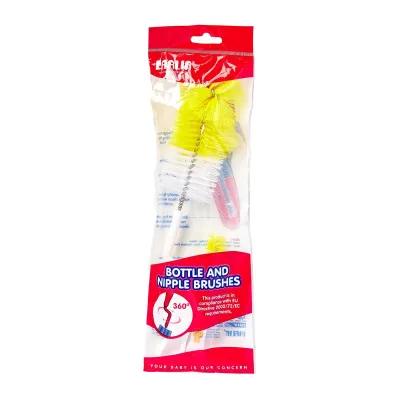
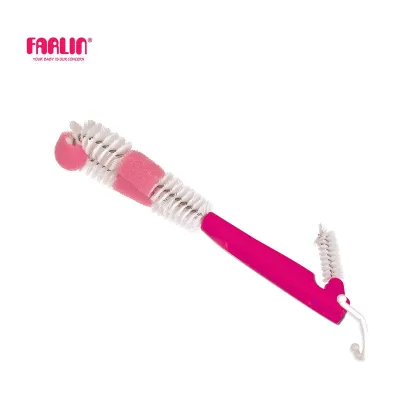
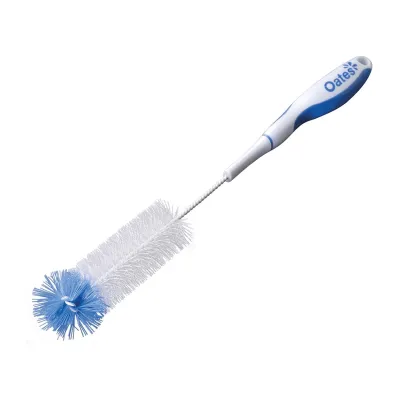
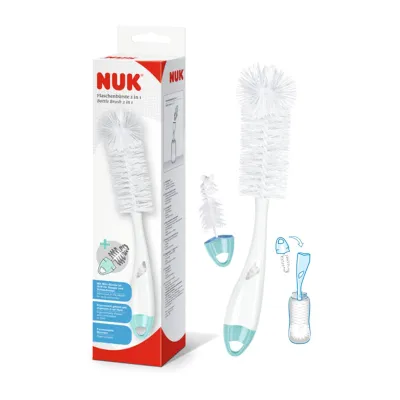
Prices are valid at publication and may change. Please refer to the product page for the latest price.
Silicone bottles present another unique set of physical characteristics. While they are highly durable and heat-resistant, their flexible, rubbery surfaces can experience high friction when rubbed with certain materials. Using an overly stiff or abrasive brush on silicone can lead to surface pilling, micro-tears, or gradual material degradation, particularly around the delicate collar and nipple attachment areas.
Before purchasing any cleaning tool, the most reliable action is to consult the bottle manufacturer’s care instructions. Manufacturers specify which cleaning implements are safe for their products and outline any prohibited tools. Checking these guidelines ensures you do not inadvertently damage the bottles or void any product warranties.
Silicone Bottle Brushes: Gentle but Effective?
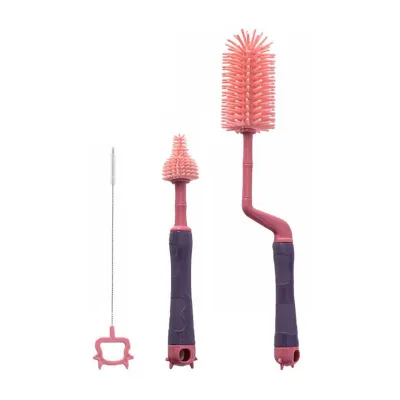
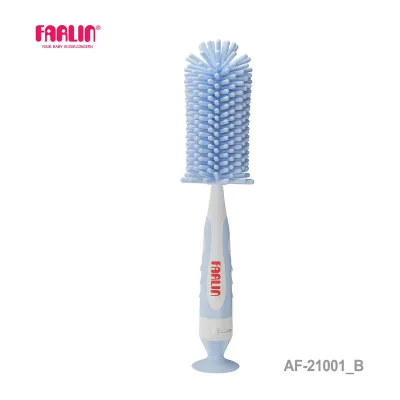
Silicone bottle brushes have gained popularity due to their durability and hygienic properties. These brushes typically feature flexible, molded silicone bristles or solid, textured silicone heads. When rotated inside a bottle, the soft bristles bend easily to conform to the contours of the bottle walls, gently sweeping away liquid residues without applying excessive localized pressure.

The primary advantage of silicone is its exceptionally low scratch risk. Because silicone is softer than glass and most high-grade plastics like PPSU, it glides over these surfaces without leaving micro-scratches. This makes silicone brushes an excellent choice for maintaining the smooth, clear interior of plastic and silicone bottles over months of repeated washing.
However, silicone brushes have distinct physical limitations when dealing with dried-on milk residue. Because silicone bristles are flexible and non-porous, they do not absorb water or create the same level of surface friction as fiber-based brushes. If formula or breast milk has dried and hardened on the bottle walls, a silicone brush may slide over the residue rather than scrubbing it away. To overcome this, caregivers usually need to soak the bottles in warm, soapy water beforehand to loosen the dried fats and proteins.
Maintaining a silicone brush is relatively straightforward but requires regular inspection. You should routinely check the brush head for torn bristles or cracks in the crevices where the head meets the handle, as these areas can occasionally harbor moisture. Following the manufacturer’s guidelines for sanitizing and replacing the brush is key to ensuring long-term hygiene.
Sponge Bottle Brushes: High Absorbency and Scrubbing Power
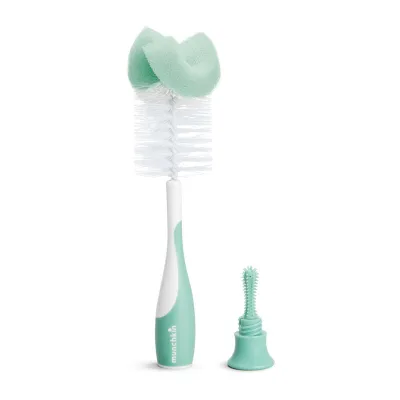
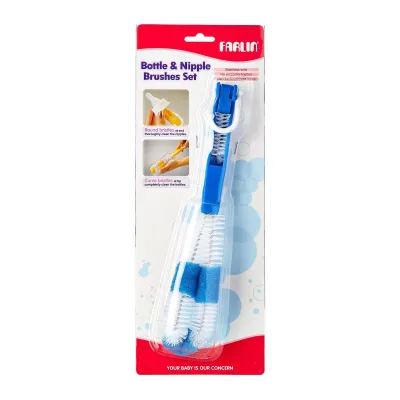
Sponge bottle brushes are highly valued for their exceptional liquid retention and rich lathering capabilities. The porous structure of a sponge allows it to hold a significant amount of water and dish soap, creating a dense foam that easily dissolves and lifts milk fats. When compressed inside a bottle, the sponge expands to fill the entire cavity, applying even, gentle pressure against the walls and bottom corners.
This high absorbency makes sponge brushes highly effective at removing thick formula residues and breast milk fats, which tend to cling to bottle surfaces. The soft texture of a standard polyurethane sponge is generally safe for plastic bottles, providing a thorough clean without the immediate risk of scratching. However, some sponge brushes feature dual-textured heads with slightly more abrasive scrubbing pads on the tip; these textured sections must be monitored, as they can degrade softer plastic surfaces over time.
The most significant drawback of sponge brushes relates to hygiene and moisture retention. In warm, humid climates—such as Singapore’s tropical environment—sponges dry very slowly. A damp sponge left in a poorly ventilated kitchen becomes an ideal environment for bacterial proliferation and mold growth. Consequently, sponge brushes require meticulous care, including thorough rinsing, squeezing out excess water, and hanging them in a well-ventilated area to dry.
Because of these hygiene challenges, sponge brushes have a much shorter lifespan than silicone or nylon alternatives. Caregivers must commit to replacing sponge brushes frequently—often every few weeks—or immediately if they detect any sour odors, discoloration, or tearing of the sponge material. They are best suited for households where bottles are washed immediately after feeding, preventing milk from drying and reducing the need for aggressive scrubbing.
Nylon Bristle Brushes: Deep Cleaning with Scratch Risks
Nylon bristle brushes are the traditional choice for bottle cleaning, characterized by stiff, tightly packed synthetic bristles attached to a twisted wire core. This design provides excellent mechanical scrubbing power. The stiff bristles easily scrape away stubborn, dried-on milk deposits, dried formula powder, and sticky residues from the hard-to-reach corners and bottom edges of the bottle.
Despite their superior scrubbing efficiency, nylon brushes carry a high risk of scratching softer bottle materials. The sharp, stiff tips of nylon bristles can easily gouge micro-scratches into the inner walls of PP, PPSU, and silicone bottles. Over time, these scratches dull the clarity of the plastic and create microscopic pockets where bacteria can multiply, even after standard sterilization cycles.
Another physical consideration is bristle shedding and wear. With repeated use, nylon bristles can bend, splay, or break off from the wire core. Loose bristles not only reduce the cleaning effectiveness of the brush but also pose a potential choking hazard if they remain inside the bottle or nipple. Caregivers must inspect nylon brushes regularly and discard them as soon as the bristles begin to splay or shed.
Given these characteristics, nylon bristle brushes are best reserved for glass bottles, which are hard enough to resist scratching. They are also highly effective for cleaning hard plastic accessories that do not come into direct contact with the infant’s mouth, such as outer screw caps, collars, travel discs, and the external threads of bottle necks.
Material Comparison Matrix: Cleaning Power vs. Bottle Safety
To help you quickly evaluate your options, the following matrix summarizes the observable physical traits and performance characteristics of silicone, sponge, and nylon bottle brushes.
| Feature / Material | Silicone Brushes | Sponge Brushes | Nylon Bristle Brushes |
|---|---|---|---|
| Scratch Risk (Plastic/Silicone) | Extremely Low | Low (if non-abrasive) | High |
| Scratch Risk (Glass) | Extremely Low | Extremely Low | Extremely Low |
| Effectiveness on Dried Milk | Moderate (requires soaking) | High | Extremely High |
| Drying Speed | Very Fast | Slow (high moisture retention) | Moderate to Fast |
| Visual Wear Indicators | Torn bristles, split head | Tearing, discoloration, odor | Splayed or shedding bristles |
Note: The actual performance, durability, and safety of any bottle brush depend heavily on the manufacturer’s specific design, bristle density, and material quality. Use this matrix as a general guide to narrow down your choices based on the primary bottle material you use at home.
How to Choose the Right Milk Bottle Brush for Your Routine
Selecting the right brush involves balancing your bottle materials with your daily washing habits and maintenance capacity. If your bottle collection consists primarily of plastic (PPSU, PP) or silicone bottles, a silicone brush is highly recommended. This choice minimizes the risk of micro-scratches, keeping your bottles clear and hygienic over a longer period. Because silicone requires a bit more effort on dried residue, this option is ideal for parents who wash bottles immediately after use or utilize a dedicated soaking routine.
If you frequently feed your baby thick formula or find yourself washing bottles with dried-on milk, a sponge brush offers the high absorbency and scrubbing power needed to lift stubborn residues quickly. However, you must be prepared for the maintenance commitment. This includes thoroughly squeezing out the sponge after every use, ensuring it dries completely in a well-ventilated space, and replacing the brush head frequently to prevent bacterial buildup.
If you have invested in a set of durable glass bottles, a nylon bristle brush is an excellent match. It provides the heavy-duty scrubbing power needed to clean glass efficiently without any risk of scratching the hard surface. A nylon brush is also a valuable secondary tool to keep on hand for scrubbing hard plastic accessories like collars, caps, and mixing pitchers.
Regardless of which material you choose, always verify your selection against the bottle manufacturer’s care instructions. Some high-end bottle brands specify approved cleaning tools or warn against certain brush types to maintain their product warranty. Taking a moment to cross-reference these instructions will protect your investment and ensure your baby’s feeding equipment remains safe and clean.
Frequently Asked Questions (FAQ)
How often should I replace my baby bottle brush?
The replacement frequency of a baby bottle brush depends on its material, usage frequency, and physical condition. As a general rule, sponge brushes should be replaced every 4 to 6 weeks due to their high moisture retention and susceptibility to bacterial growth. Nylon brushes should be replaced every 2 to 3 months, or immediately if you notice splayed, bent, or shedding bristles. Silicone brushes are the most durable and can often last 3 to 4 months, but they must be discarded if you observe any tears, cracks, or a loss of bristle tension. Always refer to the manufacturer’s specific guidelines for replacement intervals.
Can I put my bottle brush in the dishwasher or sterilizer?
Whether you can sanitize your bottle brush in a dishwasher or sterilizer depends entirely on the materials used in its construction. Many silicone brushes are highly heat-resistant and can safely undergo steam sterilization or a top-rack dishwasher cycle. However, sponge brushes and nylon brushes with metal wire cores or plastic handles often cannot tolerate high heat, which can melt the glue, warp the plastic, or degrade the sponge material. Always check the manufacturer’s packaging or instruction manual for maximum temperature limits and approved sanitization methods before exposing your brush to high heat.

Community discussion
Share your experience or ask a question. Comments are reviewed before publication.