
Selecting the right bottle brush is a fundamental yet often overlooked decision in your daily baby care routine. While it might seem like a simple cleaning tool, the material of your bottle brush directly impacts the hygiene of your baby’s feeding equipment, the longevity of your bottles, and how much time you spend scrubbing at the sink. There is no single “perfect” brush for every household; instead, the ideal choice depends on whether you feed with glass, plastic, or silicone bottles, and how much effort you can dedicate to drying and sanitizing your cleaning tools.
In Singapore’s warm, humid climate, kitchen hygiene requires extra vigilance. Moisture-retaining cleaning tools can quickly become breeding grounds for bacteria, making the physical properties of your bottle brush highly consequential. By understanding the distinct differences between silicone, sponge, and nylon bristle brushes, you can make an informed choice that keeps your baby’s bottles pristine while ensuring your cleaning routine remains efficient and sustainable over the long term.
Quick Answer: Which Bottle Brush Material Should You Choose?
There is no single “perfect” bottle brush material; the best choice depends on your bottle material and cleaning habits. Each material offers a distinct set of trade-offs across hygiene, gentleness, and scrubbing power.
Products mentioned in this guide
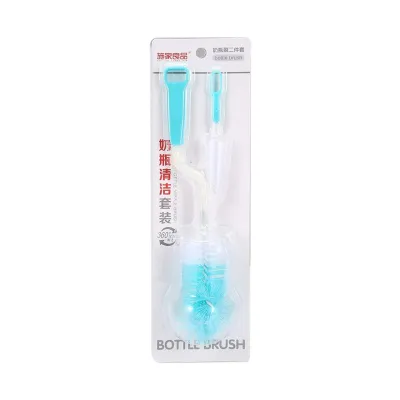
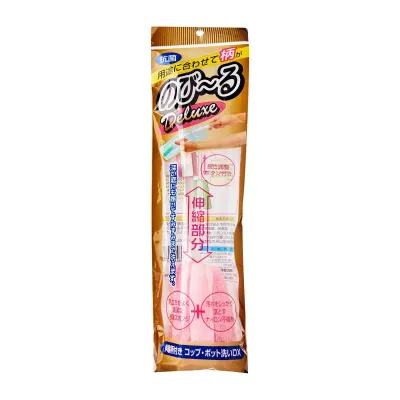
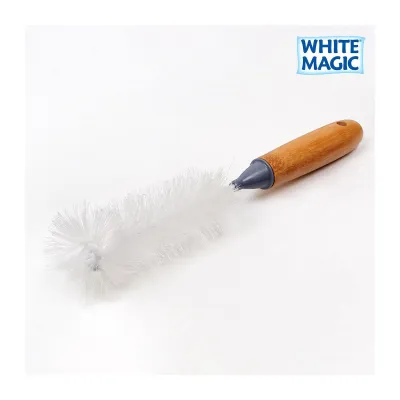
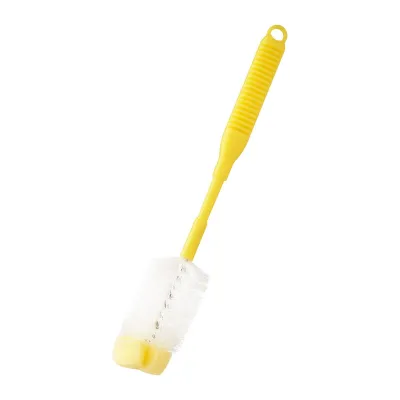
Prices are valid at publication and may change. Please refer to the product page for the latest price.
Silicone is generally preferred for its quick-drying, non-porous surface and gentleness on plastic bottles. Because silicone is hydrophobic, it sheds water rapidly and dries quickly, making it highly resistant to mold and bacterial growth. This material is exceptionally gentle, making it ideal for plastic and silicone bottles, though it may require extra effort to clear away stubborn, dried-on milk residue.
Sponge brushes offer excellent gentle wiping for glass bottles but require meticulous drying. They generate a rich, soapy lather that easily lifts away loose milk films. However, because sponges retain water, they require careful air-drying in a well-ventilated space to prevent bacterial buildup and must be replaced frequently.
Nylon bristle brushes provide the strongest scrubbing power for stubborn residue but carry a higher risk of scratching soft plastics if used aggressively. The stiff bristles easily cut through dried-on formula or breastmilk fats, but they can create micro-scratches on soft plastic surfaces over time, which may harbor residue and bacteria.
Comparing Hygiene, Bottle Safety, and Cleaning Power
To choose the right bottle brush, evaluate how silicone, sponge, and nylon perform across three critical dimensions: hygiene, bottle safety, and cleaning effectiveness. Each material’s physical structure dictates how it interacts with water, soap, and bottle surfaces.

Hygiene and Moisture Management
The physical structure of a bottle brush determines how quickly it dries and how easily it harbors bacteria. Silicone is completely non-porous and naturally repels water. A simple shake removes most residual moisture from a silicone brush, allowing it to dry completely in minutes. This rapid drying is a significant advantage in humid environments like Singapore, where airborne moisture can delay drying times.
Sponges, by contrast, feature a highly porous, open-cell structure designed to absorb and retain liquid. While this holds soapy water well, it also means the sponge remains damp for extended periods, creating an ideal environment for microbial growth and mold if stored in a poorly ventilated area.
Nylon bristles fall in the middle. The individual filaments are non-porous and dry relatively quickly, but the design of the brush head can introduce hygiene challenges. Nylon bristles are typically crimped or stapled into a plastic or metal wire core. This dense base can trap water, soap scum, and microscopic milk particles, requiring thorough rinsing after every use to prevent debris from accumulating at the root of the bristles.
Bottle Safety and Scratching Risk
Protecting the interior surface of your baby’s bottles is crucial for long-term hygiene. Plastic bottles—whether made of standard polypropylene (PP) or premium, heat-resistant polyphenylsulfone (PPSU)—are relatively soft and susceptible to physical abrasion. Stiff nylon bristles, especially those that have become worn or splayed, can create microscopic scratches on the inner walls of plastic bottles. These micro-scratches are problematic because they create tiny crevices where milk proteins, fats, and bacteria can hide, making the bottles increasingly difficult to sterilize.
Silicone and sponge brushes are non-abrasive and pose virtually zero risk of scratching plastic or silicone bottles. They glide smoothly over the surfaces, preserving the smooth interior finish of the bottle. However, regardless of the brush material you select, always verify your specific baby bottle manufacturer’s care instructions. Some manufacturers explicitly state which brush types are safe to use on their bottles to maintain the product’s integrity and warranty.
Cleaning Effectiveness
The mechanical action of each brush material determines how easily it removes milk residue. Nylon bristles excel at high-friction scrubbing. The stiff, individual filaments can easily reach into tight corners, threads, and grooves, breaking down the stubborn, dried-on milk fats and proteins that accumulate when a bottle is not rinsed immediately after feeding.
Sponge brushes clean through a broad, soft wiping action. Because the sponge conforms to the shape of the bottle and holds a large volume of soapy water, it generates a dense lather that quickly lifts away loose, oily milk films. This makes it highly efficient for quick, daily washes of freshly used bottles.
Silicone brushes rely on flexible, squeegee-like nubs. While they are highly effective at wiping away liquid milk, they lack the high-friction scrubbing power of nylon and the absorbent wiping action of sponge. If you are dealing with dried-on formula or breastmilk that has hardened at the bottom of a bottle, a silicone brush may require more physical passes, a stronger soap concentration, or a specialized textured tip to achieve the same level of cleanliness.
Durability and Lifespan: How Long Each Material Lasts
A bottle brush is a high-use tool subjected to daily friction, water exposure, and chemical detergents. Understanding how each material degrades over time helps you anticipate replacement schedules and maintain a safe, hygienic cleaning routine.
Nylon Wear Patterns
Nylon bristle brushes degrade primarily through mechanical wear and heat exposure. With repeated use, the stiff filaments gradually lose their structural memory, causing them to splay, bend outward, or fray. Once the bristles splay, the brush loses its ability to make direct, pressurized contact with the bottle walls, significantly reducing its scrubbing efficiency. Furthermore, frequent exposure to high-heat sanitizing methods, such as boiling water or steam sterilizers, can warp the nylon fibers, accelerating this splaying process and causing the bristles to become brittle and shed.
Sponge Degradation
Sponge is the least durable of the three materials. Under the constant twisting and pulling forces required to clean bottle interiors, the delicate cell walls of the foam begin to tear. Over time, the sponge material compresses, loses its original shape, and starts to crumble or tear at the edges. This physical breakdown not only reduces its cleaning surface area but can also leave behind tiny foam fragments inside the bottles. Sponges degrade rapidly when subjected to high heat; steam sterilization or boiling can quickly melt the adhesives holding the sponge to the plastic handle or cause the foam itself to disintegrate.
Silicone Longevity
High-quality food-grade silicone is exceptionally durable and highly resistant to physical wear and tear. It maintains its shape, flexibility, and structural integrity even after months of daily use. Silicone is also highly heat-resistant, allowing it to withstand repeated sterilization in boiling water or steam sterilizers without warping, melting, or degrading. However, silicone is not completely indestructible; the flexible nubs can tear or puncture if they are snagged on sharp plastic threads near the bottle collar or the metallic edges of breast pump parts. Always check the manufacturer’s care label to verify the specific temperature limits of your silicone brush.
The lifespan of any bottle brush is heavily dependent on adherence to the product’s specific care and heat-tolerance labels. Regularly inspecting your brush ensures you do not use a tool that compromises the cleanliness of your baby’s feeding gear.
Material Breakdown: Pros, Cons, and Ideal Use Cases
To help you weigh the trade-offs of each option, here is a detailed breakdown of the advantages, limitations, and ideal scenarios for silicone, sponge, and nylon bottle brushes.
Silicone Bottle Brushes
Silicone brushes have grown in popularity due to their superior hygiene profile and long-lasting durability.
- Pros: The non-porous surface rinses clean easily and repels water, preventing bacterial growth and mold. They are highly gentle on all bottle materials, preventing scratches. Most silicone brushes are dishwasher-safe and can withstand high-heat sterilization (subject to label verification).
- Cons: The smooth, flexible silicone nubs have lower surface friction, meaning they may struggle to grip and remove stubborn, dried-on milk residue without extra scrubbing effort or a specialized textured tip.
- Ideal For: Parents prioritizing quick drying, long-term hygiene, and gentle care for plastic, PPSU, or silicone baby bottles.
Sponge Bottle Brushes
Sponge brushes remain a traditional favorite for their rich lathering ability and gentle contact.
- Pros: Excellent absorbency and soft wiping action that easily lifts away loose milk film. They generate a rich, soapy lather and are exceptionally gentle on delicate glass bottles, leaving them sparkling clean.
- Cons: High moisture retention makes them prone to bacterial growth and musty odors if not dried carefully in a well-ventilated area. The material degrades quickly under daily use and cannot withstand frequent high-heat sterilization.
- Ideal For: Households that primarily use glass baby bottles and prefer a soft, wiping clean over heavy scrubbing, and have a well-ventilated drying area.
Nylon Bristle Bottle Brushes
Nylon brushes are the classic choice for heavy-duty cleaning and stubborn residues.
- Pros: Superior scrubbing friction that easily cuts through dried-on milk fats, proteins, and formula residue. Often features a dense bristle head for thorough coverage in corners and tight crevices.
- Cons: Stiffer bristles carry a high risk of scratching soft plastic bottles over time. The bristles can deform, splay, or trap debris at the base if not rinsed and maintained meticulously.
- Ideal For: Parents dealing with heavy milk residue who use durable glass or high-quality plastic bottles and are committed to regularly inspecting and replacing the brush.
Decision Framework: How to Choose the Right Brush for Your Routine
To finalize your decision, consider your specific bottle materials, drying environment, and cleaning habits. Use the following guidelines to select the brush that best fits your daily routine:
- Choose Silicone if: You want a low-maintenance, highly hygienic brush that dries rapidly in humid climates, primarily wash plastic, PPSU, or silicone bottles, and prefer a tool that can be sterilized repeatedly alongside your baby's feeding gear.
- Choose Sponge if: You primarily use glass bottles, prefer a soft wiping action that creates a rich lather, and have a well-ventilated, dry storage area to prevent the sponge from retaining moisture and developing odors.
- Choose Nylon if: You frequently clean bottles with dried-on milk residue, use highly durable bottles (such as glass or premium, scratch-resistant plastics), and are committed to regularly inspecting the bristles for splaying or wear.
Before purchasing any brush, always verify if your baby bottle manufacturer specifies a required or prohibited brush type in their user manual. Some premium bottle brands explicitly recommend silicone or sponge to preserve the clear finish of their plastic bottles, while others warn against stiff nylon bristles to prevent scratching. Checking the care label first ensures you maintain the bottle’s integrity and warranty.
Daily Care, Sanitizing, and When to Replace Your Brush
Proper maintenance not only extends the life of your bottle brush but also ensures that the tool you use to clean your baby’s feeding gear remains hygienic.
Routine Care
Immediately after cleaning your baby’s bottles, rinse the brush thoroughly under warm running water to remove all traces of soap scum and milk residue. Shake the brush vigorously to expel as much excess water as possible. Store the brush in an upright position in a well-ventilated holder or hang it by its hook. Avoid laying the brush flat on the sink surface or leaving it inside a damp basin, as trapped moisture quickly encourages bacterial colonization.
Sanitizing Safely
Before sanitizing your brush, always check the manufacturer’s heat-tolerance label. While high-quality silicone brushes can typically be boiled, steam-sterilized, or washed on the top rack of a dishwasher, other materials require caution. Sponge brushes and certain nylon brushes with glued handles or metal wire cores can melt, warp, or rust when exposed to extreme heat. If your brush is not rated for high-heat sterilization, wash it thoroughly with warm, soapy water and allow it to air-dry completely in a clean environment.
Replacement Signals
No bottle brush lasts indefinitely, and using a worn-out brush compromises your cleaning hygiene. Look for these clear visual and tactile cues to determine when it is time to dispose of your brush:
- Nylon: Replace the brush immediately if the bristles become splayed, bent outward, lose their stiffness, or begin to shed. This typically occurs every 1 to 2 months of daily use.
- Sponge: Replace the brush if the foam feels slimy when wet, develops a musty or sour odor despite thorough washing, or begins to tear, crumble, or detach from the handle. Sponges generally require replacement every 2 to 4 weeks.
- Silicone: Replace the brush if you notice tears, missing nubs on the brush head, or if the handle becomes cracked or loses its structural integrity. While highly durable, a damaged silicone brush can harbor bacteria in its tears. They typically last 4 to 6 months with proper care.
Frequently Asked Questions (FAQ)
Can I use the same bottle brush for baby bottles and adult drinkware?
It is highly recommended to keep a dedicated bottle brush exclusively for your baby’s feeding items. Adult drinkware often contains residues from coffee, tea, smoothies, or pungent spices, which can easily transfer to delicate baby bottles. Furthermore, adult cups are frequently washed with stronger, heavily scented dishwashing detergents or may have been exposed to raw food residues in the kitchen sink. Having a separate, dedicated baby bottle brush ensures optimal hygiene and prevents cross-contamination.
Do I need a separate brush for the bottle nipples?
Yes, a separate, smaller nipple brush is essential. Baby bottle nipples are made of delicate silicone or latex and have narrow, hard-to-reach contours. Using a large bottle brush can stretch, tear, or damage the nipple, or accidentally enlarge the feeding hole, which affects the milk flow rate and can pose a choking hazard. A small, soft nipple brush—often included in the handle of a standard bottle brush—allows you to gently clean the interior tip without damaging the delicate material. Always refer to the nipple manufacturer’s cleaning instructions to ensure you do not compromise the safety of the nipple.

Community discussion
Share your experience or ask a question. Comments are reviewed before publication.