
Quick Answer: Silicone, Sponge, or Nylon?
Choosing the right baby bottle brush is a balancing act between scrubbing power, hygiene, and long-term durability. No single material excels in every category, meaning your choice will depend on your baby’s bottle material and your daily washing routine.
Nylon brushes offer robust scrubbing power to remove stubborn residue but can scratch softer plastics. Sponge brushes excel at gentle cleaning and rich lathering, though they require careful drying to prevent microbial growth. Silicone brushes provide a highly hygienic, long-lasting option that protects bottles from micro-scratches, though they may require more physical effort to clear dried-on milk fats.
Ultimately, matching the brush material to your specific bottles ensures effective cleaning without damaging the surfaces where bacteria can hide.
Products mentioned in this guide
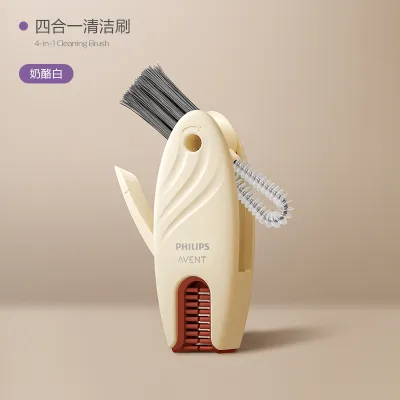
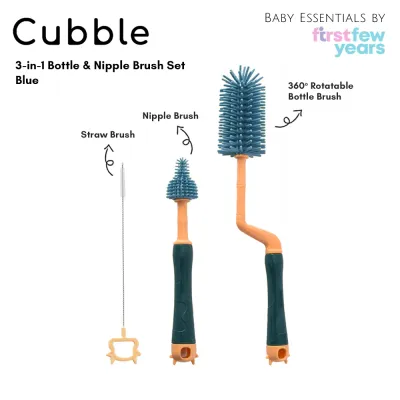
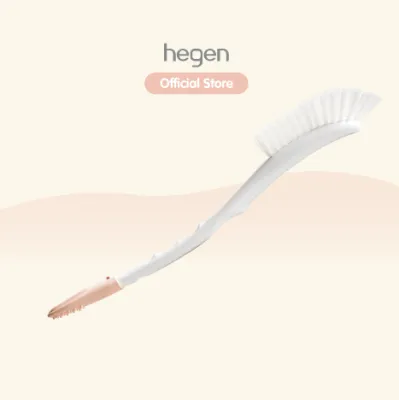
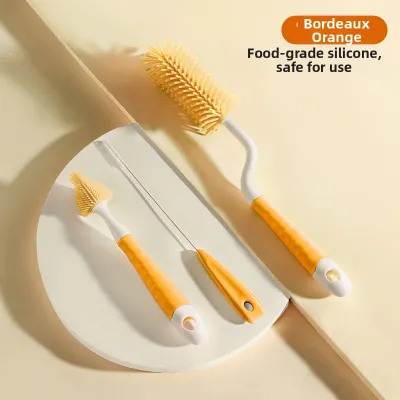
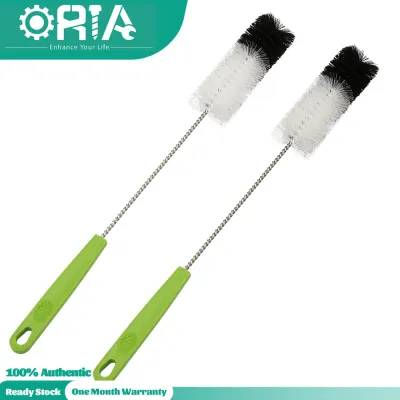
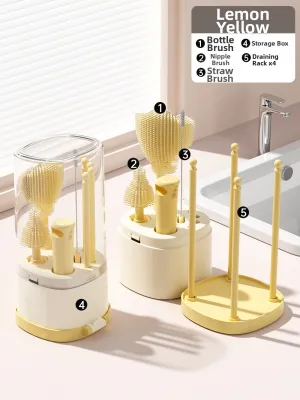
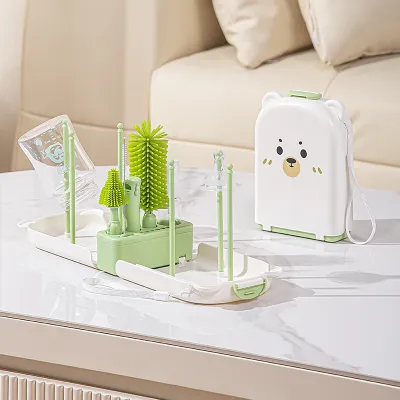
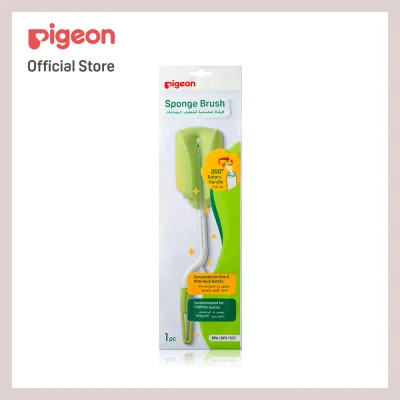
Prices are valid at publication and may change. Please refer to the product page for the latest price.
Cleaning Effectiveness and Scrubbing Power
Each brush material interacts differently with milk residue, fats, and the inner walls of your baby bottles. Understanding these physical differences helps you maintain clean feeding equipment without causing unintended wear.

Nylon bristles are stiff and highly effective at scraping away dried-on formula or breast milk from the bottom and corners of a bottle. This high scrubbing power makes quick work of stubborn residue, but the rigid tips can create microscopic scratches on softer plastic surfaces over time. These tiny abrasions can eventually become breeding grounds for bacteria and make future cleaning more difficult.
Sponge brushes offer excellent surface contact because the porous material compresses fully against the bottle walls. This seamless contact allows for thorough wiping of light residues and creates a rich lather with baby-safe dish soap. However, sponges can struggle to scrape away heavily dried-on milk fats, often requiring pre-soaking to achieve a completely clean surface.
Silicone brushes feature flexible, blunt bristles that glide smoothly over surfaces, making them the gentlest option for preventing micro-scratches. While they protect delicate bottle interiors, silicone bristles do not absorb water or soap in the same way as sponges. As a result, you may need to apply more physical effort and use a bit more water to clear away heavy, greasy residues.
Before selecting a brush, always check your bottle manufacturer’s care instructions to see which brush types are recommended or warned against.
Hygiene, Drying Time, and Bacterial Risks
In a warm and humid climate like Singapore’s, how quickly a bottle brush dries is a critical factor in maintaining daily hygiene. Moisture retention in cleaning tools creates an ideal environment for mold, mildew, and bacterial growth.
Silicone is naturally non-porous and hydrophobic, meaning it does not absorb water during the washing process. Once you finish cleaning, a quick shake removes most of the surface moisture, allowing the brush to dry almost immediately. This rapid drying time significantly reduces the risk of microbial colonization, making silicone a highly hygienic choice for busy households.
Sponge brushes, by contrast, are highly porous and retain significant amounts of water deep within their structure. If left in a poorly ventilated kitchen or near a damp sink, a sponge can remain wet for hours, increasing the risk of mold and unpleasant odors. Caregivers using sponge brushes must squeeze them out thoroughly and place them in a well-ventilated, dry area after every use.
Nylon brushes fall into a middle ground, drying much faster than sponges but slower than silicone. While the nylon fibers themselves do not absorb much water, the dense spacing of the bristles can trap moisture and tiny food particles. If the brush is not rinsed thoroughly under running water after each session, these trapped residues can compromise hygiene.
To maintain hygiene, observe your kitchen’s drying environment and ensure your brushes are stored upright or hung in a clean, dry space away from standing water.
Durability and Lifespan Expectations
The lifespan of a baby bottle brush depends heavily on its material composition and how well it tolerates daily friction and cleaning agents. Investing in a durable option can reduce the frequency of replacements and ensure consistent cleaning performance.
Silicone brushes are exceptionally durable and retain their shape even after months of daily scrubbing. The flexible bristles resist tearing and do not easily deform under pressure, maintaining their structural integrity over time. Additionally, many silicone models can withstand high-temperature sterilization methods, though you must always verify the specific temperature limits on the product label before attempting this.
Nylon brushes offer moderate durability, but the bristles will eventually begin to fray, bend, or splay outward with regular use. Once the bristles lose their upright shape, their ability to scrub effectively decreases, requiring you to apply more pressure to clean the same areas. Bent bristles can also make it harder to reach the tight bottom corners of your bottles.
Sponge brushes have the shortest lifespan of the three materials, as the soft foam is highly prone to tearing and degrading. Frequent friction against bottle threads and internal parts can cause the sponge to crumble or detach from the handle. Because they degrade quickly under heavy use, sponges require much more frequent replacement to remain functional and sanitary.
Rather than relying on a rigid calendar timeline for replacement, make it a habit to inspect the physical condition of the bristles and handle weekly.
How to Match the Brush to Your Bottle Material
Selecting the most suitable brush requires looking closely at what your baby bottles are made of, as different materials have varying levels of scratch resistance. Using an incompatible brush can degrade your bottles prematurely and compromise feeding hygiene.
Glass bottles are highly scratch-resistant and can easily tolerate the firm scrubbing action of nylon bristles or the soft wiping of a sponge. Because glass does not scratch easily, you can use more aggressive cleaning tools to remove stubborn, dried-on milk without worrying about damaging the interior surface.
High-heat plastics like Polyphenylene Sulfone (PPSU) and Polyethersulfone (PES) are exceptionally durable and offer better scratch resistance than standard plastics. While they are more resilient, it is still wise to verify the manufacturer’s guidelines regarding abrasive tools. A gentle nylon brush or a high-quality silicone brush is typically suitable for these premium materials.
Standard Polypropylene (PP) bottles and other soft plastics are highly susceptible to micro-scratches from stiff bristles. For these bottles, silicone brushes or very soft sponge brushes are highly recommended to keep the inner surfaces smooth and intact. Avoiding scratches is crucial, as microscopic grooves can trap milk proteins and bacteria, making subsequent sterilizing cycles less effective.
Before purchasing any new cleaning tools, always consult your bottle’s user manual or packaging for specific warnings regarding brush compatibility and material care.
Brush Care, Sterilization, and Replacement Signs
Proper maintenance of your baby bottle brush is just as important as cleaning the bottles themselves. A neglected brush can quickly become a source of contamination, defeating the purpose of your daily washing routine.
After every cleaning session, rinse the brush thoroughly under warm, running water to remove all traces of soap and milk residue. Shake off excess water and store the brush upright in a well-ventilated holder or hang it by its handle loop to dry. Avoid storing wet brushes in closed cupboards or damp sink caddies, where stagnant air prevents proper drying.
When it comes to sanitizing your cleaning tools, always check the manufacturer’s instructions for sterilization limits. Some brush handles and bristles can melt or warp if exposed to boiling water, steam sterilizers, or UV sanitizers. Only subject the brush to high heat or UV exposure if the product label explicitly states it is safe to do so.
Keep a close eye out for clear visual signs that indicate it is time to discard your brush. For nylon brushes, look for bent, splaying, or falling-out bristles; for sponges, watch for tearing, discoloration, or a lingering sour smell; and for silicone, check for torn or missing bristles. Using a damaged brush reduces cleaning efficiency and increases the risk of scratching your bottles or harboring unwanted bacteria.
Frequently Asked Questions (FAQ)
Can I use a regular kitchen dish brush for baby bottles?
Using a standard kitchen dish brush for baby bottles is not recommended due to the high risk of cross-contamination. Kitchen brushes regularly come into contact with adult food oils, spices, and raw meat residues, which can easily transfer bacteria to your baby’s feeding equipment. Additionally, standard household brushes often feature stiff bristles designed for heavy cookware, which can easily scratch delicate baby bottle plastics.
Do I need a separate brush for the bottle nipples?
Yes, a separate or specialized nipple brush is highly recommended for thorough cleaning. Standard bottle brushes are typically too large to reach into the narrow tips of bottle nipples or clean out delicate anti-colic valves. Using a smaller, dedicated nipple brush ensures you can gently clear away trapped milk fats from these tight spaces without tearing the soft silicone.
Is it safe to put baby bottle brushes in the dishwasher?
Whether a bottle brush is dishwasher-safe depends entirely on its specific materials and construction. You must check the manufacturer’s label, as some brushes use adhesives or plastics that cannot withstand the high heat of a dishwasher cycle. If the product is labeled as dishwasher-safe, place it on the top rack to keep it away from the heating element and prevent warping or melting.

Community discussion
Share your experience or ask a question. Comments are reviewed before publication.