
Choosing the right bottle brush cleaner is a fundamental decision for maintaining your infant’s feeding hygiene. While both silicone and sponge brushes are widely available, they offer fundamentally different cleaning mechanisms. Silicone brushes feature non-porous, flexible bristles that excel at durability and rapid drying, making them highly resistant to bacterial growth. On the other hand, sponge brushes utilize highly absorbent, porous heads that generate a rich lather and physically wipe away stubborn milk fats with ease.
The ideal choice depends on your specific daily routine, the type of bottles you use, and whether you feed your baby breast milk or infant formula. Breast milk contains high levels of complex lipids that can cling to bottle walls, requiring a brush that can effectively lift oils. Infant formula often leaves behind a powdery residue or protein film that demands thorough mechanical scrubbing, especially in the tight corners of the bottle base. By understanding how these materials interact with different bottle surfaces and residues, you can establish a safe, efficient, and hygienic cleaning routine.
Cleaning Power and Scrubbing Effectiveness
The physical scrubbing action of a bottle brush cleaner is determined by its material structure and how it interacts with water and dish soap. Silicone bristles are typically molded as solid, non-absorbent fingers. When you scrub a bottle with a silicone brush, the bristles bend and scrape against the inner walls, relying on mechanical friction to dislodge residue. Because silicone does not absorb water, it does not create a thick, self-sustaining lather. Instead, you must apply liquid soap directly to the wet bottle or the brush head, and the soap tends to slide off quickly, requiring careful technique to ensure even distribution.
Products mentioned in this guide
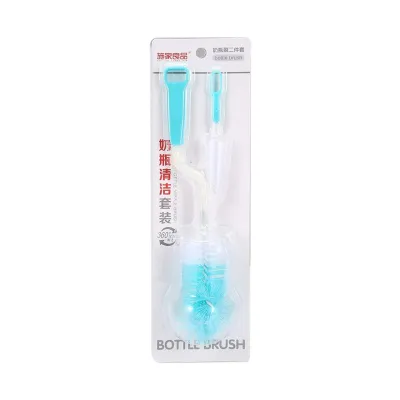
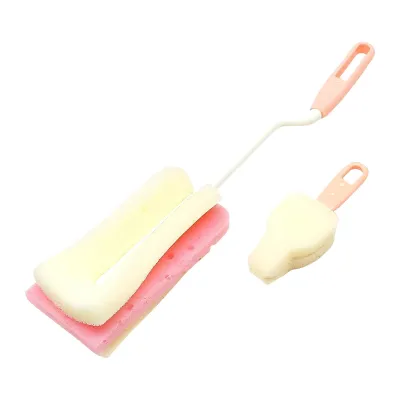
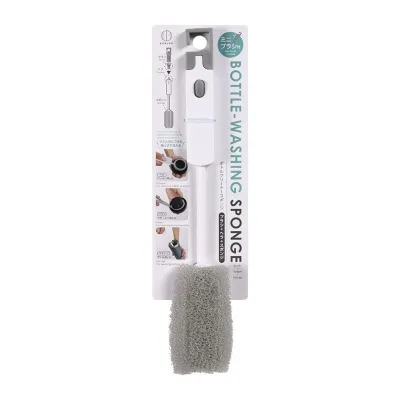
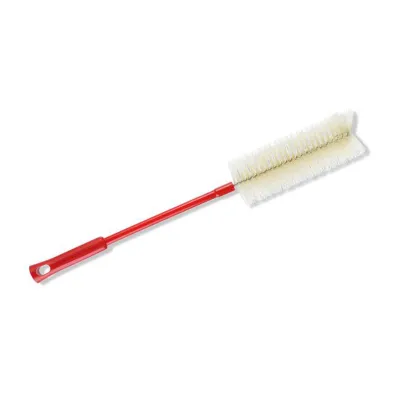
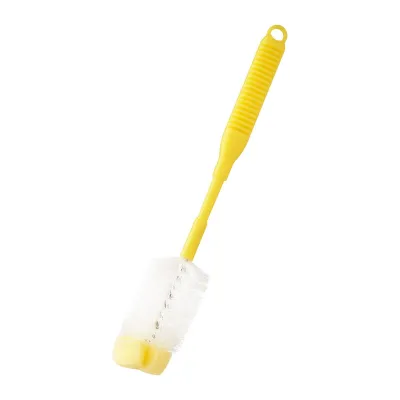
Prices are valid at publication and may change. Please refer to the product page for the latest price.
Sponge brush heads, conversely, are highly porous and excel at water retention. This porous structure acts as a reservoir for both water and baby bottle dish soap, allowing you to generate a rich, dense lather with minimal effort. The soft, compressible nature of the sponge means it conforms completely to the shape of the bottle, maximizing the surface area contact. This makes sponge brushes exceptionally effective at wiping away the greasy film left by breast milk fats, which can sometimes slide under the slick bristles of a silicone brush without being fully lifted.
To ensure thorough cleaning, you must evaluate the density and shape of the brush head. Look for designs that feature a dense cluster of bristles or sponge layers at the very tip. This is crucial for reaching the bottom corners of the bottle, where milk residue frequently pools and hardens. A narrow-necked bottle requires a brush head that can compress sufficiently to pass through the opening and then expand to clean the wider body. If the brush head is too sparse or rigid, it will skip over the curved shoulders and bottom edges of the bottle, leaving behind invisible patches of organic matter.
The type of infant feeding also dictates your scrubbing needs. Breast milk is rich in fats that adhere to plastic and glass surfaces, forming a stubborn lipid layer. A sponge brush is highly efficient at absorbing and lifting these oils due to its capillary action. Infant formula, which contains concentrated proteins and minerals, can leave a chalky, sticky residue if the bottle is not rinsed immediately. For dried-on formula, the firm mechanical scraping of a silicone brush can be highly advantageous, as the individual bristles can apply targeted pressure to dislodge hardened spots without absorbing the residue into the brush itself.
Hygiene, Drying Time, and Bacteria Risk
Hygiene is the primary concern when selecting baby feeding accessories, and the drying characteristics of your brush play a critical role in preventing microbial growth. Sponge materials are inherently hydrophilic and porous, meaning they trap water deep within their cellular structure. This damp, dark environment, combined with any microscopic milk particles trapped inside, creates an ideal breeding ground for bacteria, mold, and mildew. Even in well-ventilated kitchens, a dense sponge brush can take several hours or even a full day to dry completely, maintaining a high moisture level that compromises sanitation.

Silicone is a non-porous, hydrophobic material that repels water. When you finish using a silicone bottle brush, a simple shake is usually enough to dislodge most of the remaining water droplets. The individual bristles do not absorb moisture, allowing the brush to dry completely within a fraction of the time required for a sponge. This rapid drying capability significantly reduces the risk of bacterial colonization and prevents the development of sour, musty odors that are common with aging sponge brushes.
To further mitigate hygiene risks, look for specific design features that promote air circulation and sanitary storage. Many modern bottle brushes feature built-in suction cup stands at the base, allowing the brush to stand upright on your countertop rather than lying flat on a potentially contaminated surface. Other designs include hanging loops or ventilated storage caddies. Avoid storing any wet brush in a closed drawer or a tight, unventilated cupboard, as stagnant air will prolong drying times and encourage mold growth on both silicone and sponge surfaces.
Regular visual and tactile inspections are essential for maintaining a sanitary cleaning setup. For sponge brushes, inspect the head daily for any dark spots, discoloration, or a slimy texture, which are clear indicators of mold or bacterial biofilms. Squeeze the sponge and smell it; any persistent sour or musty odor means the material has harbored bacteria and must be discarded immediately. For silicone brushes, check the base of the bristles where they meet the core handle, as this is the most common area for soap scum or hard water minerals to accumulate if the brush is not rinsed thoroughly after each use.
Durability and Bottle Scratch Risk
The compatibility between your brush material and your baby bottles is vital for preventing structural damage. Baby bottles are manufactured from various materials, including standard borosilicate glass, polypropylene (PP), polyethersulfone (PES), and polyphenylsulfone (PPSU). Glass bottles are highly scratch-resistant and can withstand vigorous scrubbing with almost any brush type. However, plastic bottles—especially PP and even high-grade PPSU—are relatively soft and susceptible to micro-scratches on their inner surfaces.
Sponge brushes are exceptionally gentle on all plastic surfaces. The soft, yielding texture of polyurethane or cellulose sponge ensures that even with firm pressure, there is virtually zero risk of scratching the delicate plastic walls. This makes sponge brushes an excellent choice for maintaining the pristine, clear appearance of plastic bottles over months of repeated washing. However, the trade-off is durability; sponge heads degrade rapidly under the friction of daily scrubbing, often tearing, crumbling, or detaching from the handle within a few weeks of regular use.
Silicone brushes are far more durable, often lasting several months without any visible wear or loss of structural integrity. The silicone material resists tearing and does not crumble or shed particles into the bottle. However, you must verify the flexibility and quality of the silicone tips. Extremely stiff or low-quality silicone bristles can exert concentrated pressure on plastic bottle walls. Over time, this mechanical friction can create microscopic scratches. These micro-scratches are not just an aesthetic issue; they create tiny crevices where milk proteins and bacteria can lodge, making the bottle significantly harder to sterilize.
To minimize the risk of scratching while using a silicone brush, choose a model with highly flexible, soft-tipped bristles that bend easily under light pressure. Avoid using excessive force when scrubbing plastic bottles, and let the cleaning solution do the work. Watch for visual indicators of wear on both brush types. For sponges, look for tearing, thinning of the foam, or pieces of sponge crumbling off during washing. For silicone brushes, inspect the head for split bristles, shedding, or a loss of flexibility, which indicate that the polymer is degrading and the brush needs to be replaced.
Decision Framework: Which Bottle Brush Cleaner Fits Your Routine?
To determine which bottle brush cleaner is the right fit for your household, you must evaluate your daily cleaning habits, bottle materials, and convenience priorities. A silicone brush is generally the preferred choice if you prioritize long-term durability, rapid drying, and low-maintenance hygiene. It is highly suited for families who use glass bottles, as the risk of scratching is non-existent, allowing you to leverage the firm scrubbing action of silicone bristles. It is also ideal if you travel frequently or live in humid climates, where fast drying times are essential to prevent mold growth.
A sponge brush is the preferred choice if you primarily use plastic bottles (such as PP or PPSU) and want to eliminate any risk of micro-scratches. It is also the highly effective option if you find yourself struggling to clean greasy breast milk residue, as the sponge’s ability to hold soap and create a rich lather makes quick work of oily films. Parents who prefer a quick, effortless wash with plenty of suds will find the sponge brush much more satisfying to use, provided they are willing to replace the brush head frequently to maintain hygiene.
Before making your final decision, always verify your specific baby bottle manufacturer’s care instructions. Some high-end bottle brands explicitly recommend or prohibit certain brush materials in their user manuals. For instance, a manufacturer of delicate, coated glass or specialized plastic bottles may state that only sponge brushes should be used to preserve the integrity of the internal coating or measurement markings. Checking these guidelines beforehand ensures you do not inadvertently void any product warranties or damage your expensive feeding equipment.
Daily Care and Replacement Indicators
Proper daily maintenance is essential to extend the lifespan of your bottle brush cleaner and ensure it remains safe for baby feeding equipment. After every cleaning session, rinse the brush thoroughly under warm, running water to remove all traces of soap and milk residue. For sponge brushes, squeeze the head firmly several times under the water, then press it flat between your hands to expel as much moisture as possible; never wring or twist the sponge, as this tears the delicate foam fibers. For silicone brushes, run your fingers through the bristles under running water to clear any trapped debris, then give the brush a vigorous shake to remove excess water.
Once rinsed, place the brush in an upright position or hang it in a well-ventilated area to dry. If your brush came with a suction base, secure it to a clean spot on your sink or countertop. Never leave a wet brush lying flat in the sink basin or inside a damp drying rack where water pools. If you wish to sanitize your brush, check the manufacturer’s instructions first. Some silicone brushes are dishwasher-safe or can be boiled for a few minutes, whereas sponge brushes will quickly degrade, melt, or lose their adhesive bonding if exposed to high heat or steam sterilization.
Knowing when to discard and replace your bottle brush is critical for infant health. As a general rule, sponge bottle brushes should be replaced every 4 to 6 weeks, or immediately if you notice tearing, crumbling, a persistent sour odor, or dark mold spots. Silicone brushes can last much longer, typically between 3 to 6 months, but they are not permanent. Replace your silicone brush if you observe bristles splitting, shedding, or becoming sticky, or if the plastic handle develops cracks where bacteria could hide. Always refer to the manufacturer’s packaging for specific replacement timelines and sterilization limits to ensure you are using the product safely.
Frequently Asked Questions (FAQ)
Can I use a regular kitchen dish sponge for baby bottles?
No, you should never use a standard kitchen dish sponge to clean baby bottles or feeding accessories. Kitchen sponges are notorious for harboring millions of bacteria, food particles, and grease from everyday dishes, pots, and pans. Using the same sponge on baby bottles introduces a high risk of cross-contamination, exposing your infant’s developing immune system to harmful pathogens. Always keep a dedicated bottle brush cleaner solely for baby feeding equipment, store it separately from general dishwashing tools, and verify that the product label specifies it is made from food-contact-safe, BPA-free materials.
Do I need a separate brush for the bottle and the nipple?
Yes, a separate, smaller brush is highly recommended for cleaning bottle nipples and pacifiers. The structural design of a bottle nipple features tight crevices, a narrow tip, and a delicate feeding hole that a standard, wide bottle brush cannot reach effectively without causing damage. Forcing a large brush into a nipple can stretch or tear the silicone, altering the milk flow rate and creating safety hazards. When purchasing a bottle brush cleaner, check if it includes an integrated mini-brush stored inside the handle, or purchase a dedicated, soft nipple brush designed specifically to clean these delicate components gently and thoroughly.

Community discussion
Share your experience or ask a question. Comments are reviewed before publication.