
Choosing the right tool to clean your infant’s feeding equipment is a daily decision that impacts both hygiene and convenience. While a general-purpose water bottle brush might seem like a convenient option, dedicated baby bottle brushes are engineered to meet strict safety standards. Neither a silicone brush nor a sponge brush is universally superior; instead, the ideal choice depends on your specific feeding routine, the type of milk or formula you use, and your daily maintenance habits.
Sponge brushes are highly effective at scrubbing away stubborn, dried-on formula residue due to their high friction and superior lathering capabilities. However, they degrade quickly and require frequent replacement to remain safe.
Silicone brushes excel in hygiene, fast drying times, and long-term durability. They do not absorb moisture, making them highly resistant to bacterial growth and wear over time.
Products mentioned in this guide
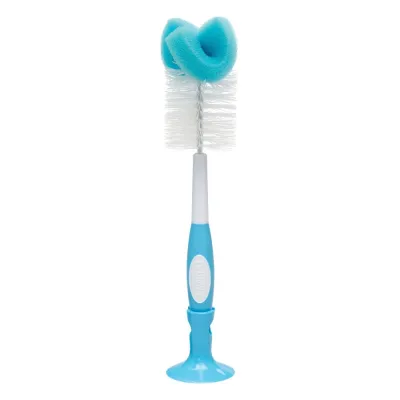
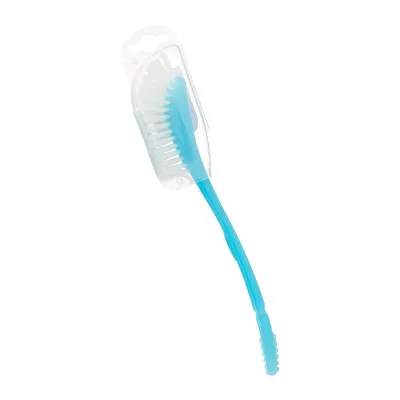
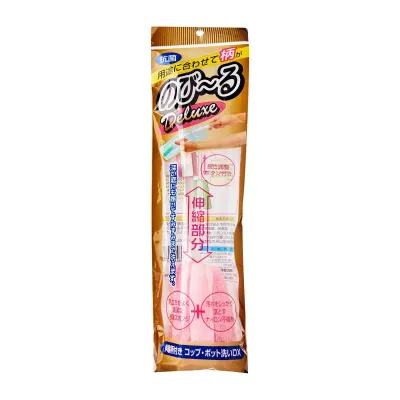
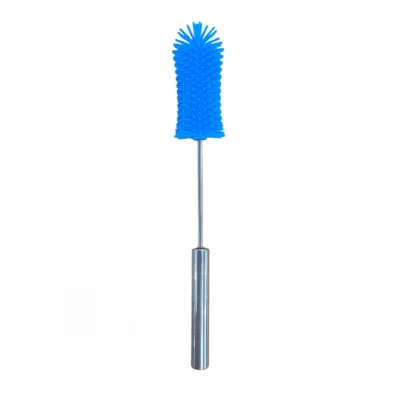
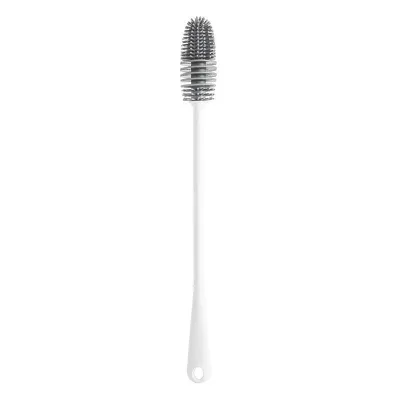
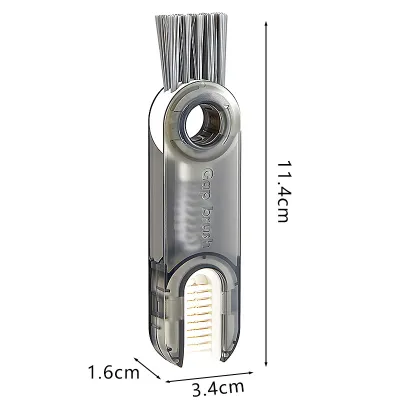
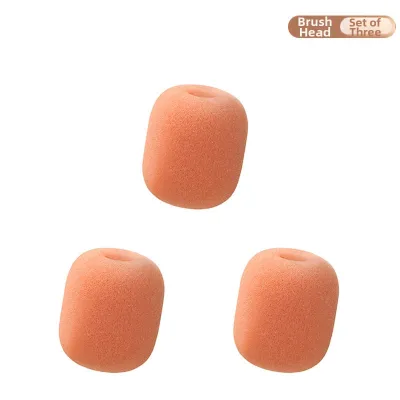
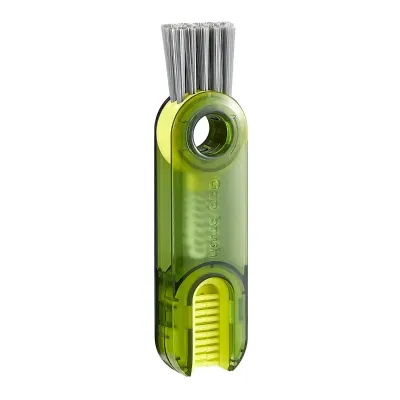
Prices are valid at publication and may change. Please refer to the product page for the latest price.
For parents living in Singapore’s consistently warm and humid climate, silicone’s resistance to moisture and mold makes it an exceptionally practical default choice. Sponge brushes can still be valuable for heavy-duty scrubbing, but they demand rigorous care and frequent replacement to prevent microbial growth in humid household environments.
Cleaning Performance: Scrubbing Power vs. Gentle Reach
The physical design and material properties of your bottle brush directly influence how effectively it removes milk fat, proteins, and residues. Baby bottles are manufactured from several materials, including glass, polyphenylsulfone (PPSU), polyethersulfone (PESU), and polypropylene (PP). Each material interacts differently with cleaning tools, meaning your choice of brush can affect the longevity and safety of your bottles.
Milk is a complex emulsion of fats, proteins, and carbohydrates that can leave a stubborn film on the interior surfaces of bottles. Removing this film requires a combination of chemical action from a safe detergent and mechanical action from the brush. Understanding how sponge and silicone materials perform this mechanical action helps you choose the right tool for your specific bottles.
Sponge Brushes: Deep Cleaning and Absorbency
Sponge brushes are highly favored for their exceptional scrubbing power and ability to create a rich, dense lather. The porous structure of a sponge holds water and baby-safe detergent efficiently, distributing the soap evenly across the interior surfaces of the bottle. This high absorbency allows you to lift dried formula and thick milk lipids with minimal physical effort.
The soft, compressible nature of a sponge allows it to conform to the shape of the bottle, ensuring that the bottom corners and curved shoulders receive thorough contact. This makes sponges particularly effective for wide-neck bottles where milk residue can collect in the hard-to-reach transitions near the base.
However, this high friction and scrubbing efficiency can have drawbacks over time. While sponges are generally safe for glass and highly durable PPSU bottles, aggressive scrubbing on softer plastics, such as standard polypropylene (PP) bottles, can cause micro-scratches. These tiny grooves on the interior surface of the bottle can become harborages for milk residue and bacteria, making future cleaning more difficult. Always check your bottle manufacturer’s care instructions to verify compatibility with abrasive or high-friction cleaning tools.
Silicone Brushes: Bristle Flexibility and Scratch Prevention
Silicone brushes feature flexible, non-abrasive bristles that easily navigate narrow bottle necks and reach into tight corners. Because food-grade silicone is soft and pliable, these brushes glide smoothly over plastic, glass, and silicone surfaces without leaving micro-scratches. This gentle cleaning action helps preserve the smooth interior finish of your baby bottles, extending their usable lifespan.
The design of silicone bristles allows them to bend and flex, making them excellent for reaching around internal components, such as the threads of the bottle neck or the edges of anti-colic venting systems. This flexibility ensures that you can clean delicate parts without applying excessive pressure that might warp or damage them.
The primary limitation of silicone is that it is non-porous and does not absorb water or soap. Consequently, silicone brushes do not generate a thick lather and may slide over oily milk films rather than lifting them immediately. To achieve a thorough clean with a silicone brush, you may need to use more baby-safe detergent, pre-soak the bottles in warm soapy water, or apply more physical effort to scrub away stubborn, dried-on milk residue.
Hygiene and Bacteria Resistance: Drying Time in Humid Climates
Hygiene is the most critical factor when selecting and maintaining baby feeding equipment. Because an infant’s immune system is still developing, keeping cleaning tools sanitary is just as important as sterilizing the bottles themselves. A contaminated brush can easily transfer bacteria, mold, and yeast back onto freshly washed bottles, compromising your baby’s health.

The climate of your living environment plays a significant role in how hygienic your cleaning tools remain between uses. In tropical regions like Singapore, where relative humidity levels are consistently high, damp materials can take a long time to dry. This prolonged moisture creates an ideal environment for microbial proliferation, making the drying speed of your brush a vital safety consideration.
Silicone: Non-Porous and Fast-Drying
High-quality food-grade silicone is inherently non-porous, meaning it does not absorb water, milk proteins, or cleaning solutions. When you finish washing a bottle, water quickly runs off the silicone bristles, allowing the brush to dry within a fraction of the time required for a traditional sponge.
This rapid drying capability is a major advantage in humid climates, as it deprives bacteria and mold of the moisture they need to multiply. By drying quickly, silicone brushes remain naturally resistant to sour odors and discoloration, providing a consistently sanitary cleaning surface for your baby’s bottles.
Additionally, the smooth, non-porous surfaces of silicone bristles prevent milk particles and soap scum from becoming trapped within the material. A simple rinse under warm running water is usually sufficient to clear away any remaining residue, ensuring that the brush is clean and ready for its next use.
Sponge: Moisture Retention and Mold Risks
The porous, cellular structure that makes sponges so effective at lathering also makes them highly susceptible to hygiene challenges. Sponges naturally absorb and retain large amounts of water, along with microscopic milk proteins, fats, and soap residue. This trapped organic material serves as a nutrient source for bacteria and mold.
In a humid home environment, a wet sponge brush can remain damp for hours or even days, especially if stored in a compact kitchen or a closed drying rack. This prolonged dampness allows mold spores and bacterial colonies to develop rapidly, often manifesting as a persistent sour odor, dark spots, or a slimy texture.
To mitigate these risks, caregivers must practice strict maintenance. After every use, the sponge must be thoroughly rinsed, squeezed completely dry with clean hands, and placed in a well-ventilated, upright holder away from sink splashes. If you notice any signs of mold, discoloration, or a sour smell, you must discard the sponge immediately to protect your infant from potential pathogens.
Durability and Lifespan: Wear, Tear, and Sterilization Tolerance
The durability of a bottle brush determines how often you must replace it, directly affecting your daily routine and household waste. A brush that degrades quickly not only loses its cleaning effectiveness but can also shed material particles into your baby’s bottles. Evaluating how well each material withstands daily friction, hot water, and sterilization is key to making an informed choice.
Food-grade silicone is exceptionally durable and highly resistant to thermal degradation. Most silicone brushes can withstand exposure to high temperatures, allowing you to sanitize them regularly using boiling water, steam sterilizers, or UV sterilizers. This heat tolerance ensures that you can maintain a high standard of hygiene throughout the brush’s lifespan without damaging the material.
While silicone bristles may eventually splay or bend after months of continuous use, the structural integrity of the brush remains intact. A high-quality silicone brush can easily last for six months or more before needing replacement, making it a robust and reliable tool for your feeding station. However, always check the manufacturer’s instructions for your specific brush, as some models feature plastic handles (such as polypropylene) that may have lower heat tolerances than the silicone head.
In contrast, sponge brushes degrade rapidly under the demands of daily use. Frequent exposure to hot water, friction, milk fats, and cleaning chemicals causes the polyurethane or cellulose fibers of the sponge to break down. Over time, the sponge will begin to tear, crumble, or detach from the plastic handle, posing a risk of leaving small sponge particles inside the bottles.
Furthermore, sponges cannot tolerate the high temperatures of steam or boiling sterilization without accelerating their physical breakdown. Subjecting a sponge brush to heat sterilization often causes the adhesive or the sponge material itself to melt, warp, or lose its structural integrity. Caregivers should check the manufacturer’s label for specific care instructions and adhere to a strict replacement cycle—typically every four to six weeks—to ensure safety and performance. If instructions conflict or the material shows signs of wear, stop using the brush and replace it immediately.
Value for Money: Upfront Cost vs. Long-Term Replacement Cycles
When managing a household budget, understanding the difference between upfront costs and long-term expenses is essential. At first glance, sponge bottle brushes appear to be the more economical choice. They are widely available at local baby stores and online marketplaces in Singapore, with typical prices ranging from S$3 to S$8 per brush.
However, the low initial price of a sponge brush can be deceptive when you calculate the cost of frequent replacements. Because sponges degrade quickly and carry higher hygiene risks, pediatric health guidelines and manufacturers generally recommend replacing them every four to six weeks. Over a typical one-year bottle-feeding journey, you may need to purchase between 8 and 12 sponge brushes, resulting in a total annual expenditure of approximately S$24 to S$96.
Silicone bottle brushes carry a higher upfront cost, usually ranging from S$15 to S$30 depending on the brand and design. Despite this higher initial investment, their extended lifespan of six months or more means you will likely only need to purchase one or two brushes per year. This brings the annual cost of silicone brushes to approximately S$15 to S$60, making them a more cost-effective and environmentally friendly option over time.
To maximize your budget, look for bundle sets or multi-packs that include both a main bottle brush and specialized nipple or straw cleaners. Many brands offer complete cleaning kits that provide better value than purchasing individual items. When shopping on local e-commerce platforms or at baby boutiques, compare the cost per unit and check for durable materials that will withstand daily use.
Decision Framework: Which Bottle Brush Should You Choose?
Deciding between a silicone and a sponge bottle brush comes down to aligning their specific characteristics with your daily routine and preferences. By evaluating your feeding setup, bottle materials, and maintenance habits, you can choose the tool that best supports your family’s needs.
To help you make a clear and confident decision, use the following structured framework based on your household’s specific cleaning priorities:
Choose Silicone if:
- You prioritize hygiene and want a low-maintenance brush that dries quickly in Singapore's humid climate.
- You want a durable tool that lasts for several months and can be regularly sterilized in boiling water or steam.
- You primarily use glass, PPSU, or PESU bottles and want to prevent micro-scratches on the interior surfaces.
- You prefer to minimize household waste by reducing the frequency of plastic and foam disposal.
Choose Sponge if:
- You primarily feed formula, which leaves a thicker, more stubborn residue that requires heavy-duty scrubbing power.
- You prefer a brush that creates a rich, dense lather with minimal baby-safe detergent.
- You are highly diligent about squeezing out moisture, drying your cleaning tools upright in a well-ventilated area, and replacing them strictly every four to six weeks.
- You prefer a lower upfront cost and do not mind purchasing replacements regularly.
Verify first if:
- Your specific baby bottle brand, teat design, or anti-colic vent system manufacturer explicitly recommends or restricts a certain type of brush. Some delicate silicone valves, narrow straws, or specialized colic vents require dedicated miniature brushes to prevent tearing or warping. Always check the manufacturer's user manual before cleaning these specialized parts. If instructions are unclear, consult the manufacturer's customer service or a qualified professional.
Daily Care and Maintenance to Maximize Brush Lifespan
Regardless of the brush material you choose, proper daily care is essential to ensure it remains hygienic and functional. Taking a few simple steps after each cleaning session will help extend the lifespan of your brush and keep your baby’s bottles safe from contamination.
Always rinse your bottle brush thoroughly under warm running water immediately after use. This helps wash away remaining milk fats, proteins, and soap residue before they can dry and harden on the bristles or within the sponge fibers.
Wash the brush regularly with a mild, baby-safe detergent to remove any accumulated oils. Once clean, shake off excess water and store the brush upright in a well-ventilated holder or drying rack. Avoid placing damp brushes in closed cupboards, deep drawers, or tight corners where airflow is restricted, as this encourages mold and bacterial growth.
Perform a regular visual and tactile inspection of your cleaning tools. If you observe any signs of wear, such as tears in the sponge, loose or splaying bristles, discoloration, black spots, or a persistent sour odor, stop using the brush immediately and discard it. Prioritizing these simple checks ensures that your cleaning routine remains safe and effective for your infant.
Frequently Asked Questions About Water Bottle Brushes (FAQ)
Can I use a standard water bottle brush for baby bottles?
A standard water bottle brush designed for adult travel mugs, gym flasks, or household glassware is generally not suitable for cleaning baby bottles. These standard brushes are often constructed with stiff, harsh nylon bristles that can easily scratch the delicate plastic or silicone surfaces of infant feeding equipment. These micro-scratches create microscopic grooves where milk residue and harmful bacteria can collect, making proper sanitization difficult.
Additionally, standard household brushes may not be manufactured to the strict safety standards required for infant products. They are often not certified as BPA-free or food-grade, and they may contain materials that are unsafe for contact with baby food. To ensure your child’s safety, always select brushes that are specifically designed, tested, and labeled for cleaning baby bottles and teats.
Furthermore, standard brushes typically lack the specialized shapes and sizes needed to clean narrow bottle necks, delicate teats, and anti-colic valves. Using an oversized or rigid brush can tear soft silicone nipples or damage internal venting components, compromising the bottle’s functionality. Always refer to your bottle manufacturer’s guidelines to select a compatible, safe cleaning tool.

Community discussion
Share your experience or ask a question. Comments are reviewed before publication.