
Cradle cap, or infantile seborrheic dermatitis, is a common condition causing oily, yellowish scales on a newborn’s scalp. When managing this, choosing the right cradle cap brush is a critical decision. While silicone brushes offer excellent hygiene, easy cleaning, and targeted exfoliation for thicker flakes, soft bristle brushes provide unmatched gentleness for newborns with sensitive skin or fine hair. The safest choice depends on your baby’s scalp condition, hair density, and how well you can maintain the tool to prevent bacterial growth.
Understanding Cradle Cap and Brush Requirements
Cradle cap typically presents as patchy, flaky, or crusty scales on an infant’s scalp. Although it may look uncomfortable, it is generally not painful. However, removing these flakes requires a delicate touch. A newborn’s skin is significantly thinner and more sensitive than adult skin, meaning any tool used must be designed specifically for infants. Aggressive scrubbing can easily cause micro-tears, redness, and localized irritation, which may open the door to secondary infections.
When evaluating any cradle cap brush, safety must be your primary filter. Look for tools featuring a highly flexible base that contours naturally to the shape of your baby’s head. The contact points, whether bristles or silicone nubs, must have rounded tips to prevent scratching. Inspect the brush closely for any manufacturing defects, such as sharp plastic seams along the handle, which could scrape the scalp.
Products mentioned in this guide
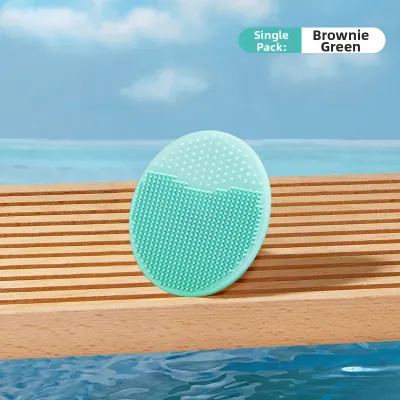
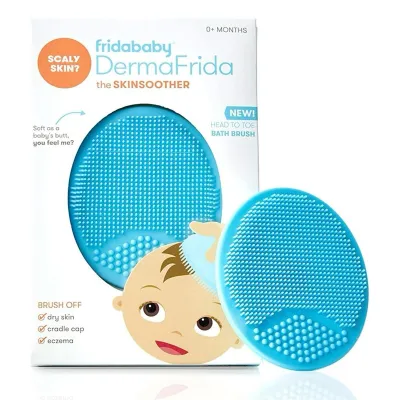
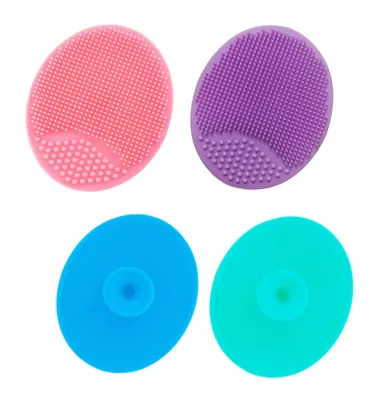

![[SG 🚚] Newborn Cradle Caps Comb Head Cleaning Comb Shape Comb Travel Hair Styling Comb for Baby Toddler Bath Head](https://img.lazcdn.com/g/p/e65c7e1d5e51d1711b82071badce2ffa.jpg_400x400q80.jpg_.webp)
Prices are valid at publication and may change. Please refer to the product page for the latest price.
Before using any grooming tool, always read the manufacturer’s packaging for age recommendations and specific warnings. Some brushes are designed specifically for newborns, while others are better suited for older infants with more hair. Additionally, check for warnings regarding caregiver supervision and proper usage methods. A cradle cap brush is a specialized care tool, not a toy, and should only be used under direct adult supervision.
Evaluating Silicone Cradle Cap Brushes
Silicone cradle cap brushes are popular due to their hygienic properties. When evaluating a silicone brush, examine its physical traits. Press your fingers against the silicone nubs to test their flexibility; they should bend easily under light pressure. The handle should be ergonomic and non-slip, allowing you to maintain a secure hold even when wet or covered in baby oil during bath time.

Silicone is highly favored in humid climates because of its resistance to moisture retention. Unlike natural fibers, silicone does not absorb water, making it easy to wash, rinse, and dry rapidly. This material is highly durable and does not degrade easily when exposed to warm water. If your baby has thicker, more stubborn flakes, the structured nature of silicone nubs can provide the gentle traction needed to lift scales without scratching.
However, silicone brushes have limitations. Some models feature shorter, stiffer nubs that may feel too firm on a newborn’s sensitive scalp or over the soft spots (fontanelles). If your baby has very fine, sparse hair, a stiff silicone brush might slide over the scalp rather than lifting flakes, or cause mild redness if too much pressure is applied.
To ensure safety, verify the packaging claims. Look for labels indicating food-grade or medical-grade silicone, ensuring the material is free from harmful chemical additives. Always check for a clear BPA-free label and verify compliance with consumer product safety standards. Do not assume all silicone brushes are identical; lower-quality plastics can be blended into cheaper products, making material verification essential.
Evaluating Soft Bristle Cradle Cap Brushes
Soft bristle brushes represent the traditional approach to infant hair care. When assessing a soft bristle brush, observe the density and softness of the bristles. High-quality baby brushes feature densely packed, ultra-soft bristles that feel silky to the touch. When gently pressed against your inner wrist, the bristles should bend completely without poking or scratching.
These brushes are exceptionally well-suited for newborns with very fine hair and highly sensitive scalps. The soft bristles work by gently sweeping away loose, dry flakes while distributing the scalp’s natural oils across the hair shafts. This action helps to naturally condition the hair and soothe the scalp without generating harsh friction. If your baby’s cradle cap is mild and consists primarily of dry, loose flakes rather than thick, oily crusts, a soft bristle brush is often the gentlest starting point.
The primary limitation of soft bristle brushes, particularly those made with natural fibers like goat hair, is moisture retention. In humid climates, a wet bristle brush can take a long time to dry completely. If the brush remains damp in a poorly ventilated bathroom, it can quickly become a breeding ground for mold and bacteria. This requires caregivers to practice meticulous cleaning and drying routines to keep the brush sanitary.
When shopping, check the packaging to identify the exact bristle material. Natural bristles, such as goat hair, are prized for extreme softness, while synthetic bristles, like nylon, are often more durable and easier to sanitize. Look for manufacturer labels indicating hypoallergenic properties or specific safety certifications. Verifying these details helps ensure the bristles will not trigger allergic reactions or irritate delicate skin.
Choosing the Right Brush Material for Your Baby
Selecting the ideal brush material involves matching the tool to your baby’s current developmental stage and scalp condition. For a very young newborn with sparse hair and highly sensitive skin, a natural soft bristle brush is often the safest initial choice due to its minimal friction. As your baby grows, develops thicker hair, or if the cradle cap presents as thick, oily, adherent scales, transitioning to a flexible silicone brush can provide the necessary structure to lift the flakes effectively.
Many parents find success using a dual-phase approach: using a soft bristle brush for daily grooming and gentle oil distribution, and employing a flexible silicone brush during bath time specifically for targeted flake removal.
As you compare options, actively avoid several red flags. Reject any brush with stiff, unyielding bristles or a rigid, heavy base that could accidentally impact the baby’s head. Inspect the brush for small, detachable parts or poorly secured bristle bundles that could shed and pose a choking hazard. Avoid products that emit a strong chemical or plastic odor, as this can indicate the presence of volatile organic compounds or low-grade manufacturing materials.
Most importantly, establish clear boundaries for home care. If your baby’s scalp exhibits signs of severe irritation, intense redness, swelling, bleeding, or weeping fluid, do not attempt to use any cradle cap brush. These symptoms suggest a more severe inflammatory response or a secondary infection. In such cases, immediately stop all mechanical brushing and consult a pediatrician or qualified healthcare professional for a proper diagnosis and targeted treatment plan.
Safe Brushing Techniques and Brush Maintenance
Using the correct technique is just as important as choosing the right brush material. When brushing your baby’s scalp, always use light, circular motions. Never scrape, pick, or pull at the flakes, as this can damage the skin barrier and lead to infection. Be extremely gentle when brushing over the fontanelles—the soft spots on your baby’s head—applying almost no downward pressure.
To make the process safer and more effective, prepare the scalp beforehand. Applying a small amount of baby oil, coconut oil, or a specialized cradle cap treatment can help soften the crusty scales. Always follow the specific instruction label of the oil or treatment product, including recommended wait times, before gently brushing. After brushing, wash your baby’s scalp with a mild baby shampoo to remove the loosened flakes and excess oil, preventing the pores from becoming clogged.
Proper maintenance of the brush is vital to prevent microbial growth. For silicone brushes, wash them after every use with warm, soapy water. Many silicone models can also be sterilized in boiling water or a steam sterilizer, but you must verify this in the manufacturer’s care guidelines first.
For soft bristle brushes, wash them gently with a mild baby shampoo, rinse thoroughly, and squeeze out excess water. Because of the humid climate, never store a damp bristle brush in a closed drawer or a damp bathroom. Instead, place it in a well-ventilated, dry area with the bristles facing down to air-dry completely. Regularly inspect both types of brushes for signs of wear, such as loose bristles, cracking plastic, or tears in the silicone, and replace them immediately if any degradation is observed.
Frequently Asked Questions (FAQ)
Can I use a regular adult soft-bristle brush for my baby's cradle cap?
No, you should not use an adult soft-bristle brush on an infant’s scalp. Adult brushes are designed with much stiffer bristles, denser arrangements, and rigid bases that do not contour to a baby’s delicate head. Using an adult brush poses a high risk of causing micro-abrasions and severe irritation on a newborn’s thin, sensitive skin.
How often should I brush my baby's hair to treat cradle cap?
You should consult your pediatrician or refer to the brush manufacturer’s guidelines for specific frequency recommendations. Generally, gentle brushing during bath time two to three times a week is sufficient. If you notice any redness, irritation, or if your baby shows signs of discomfort, stop brushing immediately and allow the scalp to rest.
When should I stop using a cradle cap brush and see a doctor?
Stop using the brush immediately and consult a pediatrician if you observe signs of infection or severe inflammation. These include bleeding, weeping fluid, raw skin, intense redness, swelling, or if the flaking spreads rapidly beyond the scalp to the face or body. Mechanical brushing should never be performed on irritated or broken skin.

Community discussion
Share your experience or ask a question. Comments are reviewed before publication.