
Neither silicone nor soft bristle is universally the “best” material for every newborn. The safest and most effective choice depends entirely on your baby’s specific scalp condition, such as the presence of cradle cap, their hair density, and the manufacturer’s age recommendations. This guide breaks down the characteristics of both materials to help you make an informed decision for your baby’s grooming kit.
Newborn babies have incredibly delicate skin that is far more sensitive than adult skin. Their skull bones are still developing, and their scalps require the gentlest touch during daily care routines. Choosing between a silicone comb and a soft bristle brush is not just about keeping their hair neat; it is about protecting their skin barrier and supporting their overall comfort.
By understanding how these materials interact with your baby’s scalp, you can select a tool that serves as a gentle grooming aid rather than a source of irritation. Whether you are dealing with the common flakes of cradle cap or simply looking to smooth down fine hair after a bath, the right tool makes all the difference in your daily routine.
Products mentioned in this guide
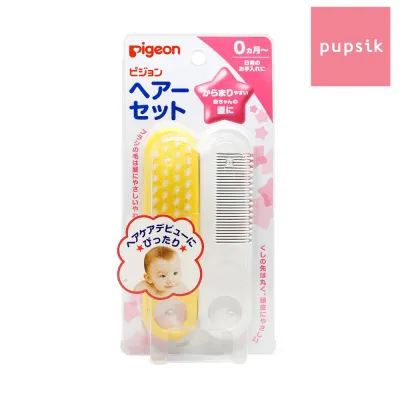
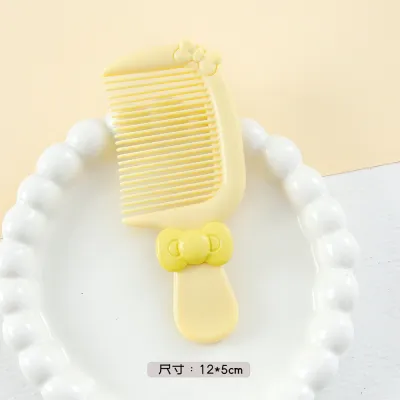
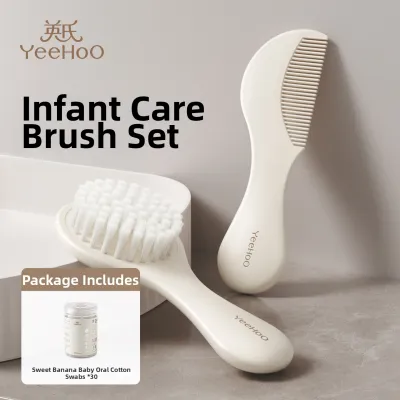
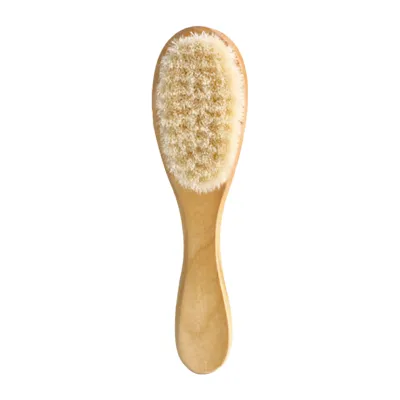
![[SG 🚚] Newborn Cradle Caps Comb Head Cleaning Comb Shape Comb Travel Hair Styling Comb for Baby Toddler Bath Head](https://img.lazcdn.com/g/p/e65c7e1d5e51d1711b82071badce2ffa.jpg_400x400q80.jpg_.webp)
Prices are valid at publication and may change. Please refer to the product page for the latest price.
Assessing Your Newborn's Scalp and Hair Needs
Before selecting a grooming tool, it is essential to evaluate your baby’s current scalp condition and hair characteristics. A newborn’s scalp is exceptionally thin and sensitive, requiring a highly cautious approach to any physical contact. One of the most critical anatomical features to keep in mind is the fontanelle, commonly known as the soft spot, where the skull bones have not yet fully fused. Any tool used in this area must be capable of gliding over the skin without exerting downward pressure or causing friction.
You should also observe whether your baby’s scalp shows signs of cradle cap, medically known as infantile seborrheic dermatitis, or if it is simply experiencing normal newborn dryness. Cradle cap typically presents as thick, oily, yellowish, or brownish scales that adhere closely to the scalp. In contrast, normal dry skin appears as fine, light, white flakes that easily brush away. Identifying which condition your baby has is crucial, as treating cradle cap requires a tool that can gently nudge stubborn flakes loose without scratching the underlying skin.
Finally, take note of your baby’s hair density and texture. Some newborns are born with a surprising abundance of thick, fine hair, while others have sparse, delicate peach fuzz that is barely visible. If your baby has thicker hair, your primary grooming goal may be gentle detangling and preventing knots. For babies with sparse or very fine hair, the goal is usually to smooth down flyaways, distribute natural oils, and manage static, which is particularly common in air-conditioned indoor environments.
Silicone Baby Combs: Features and Best Use Cases
Silicone baby combs and brushes have gained significant popularity due to their unique physical properties and hygienic benefits. Made from food-grade, flexible silicone, these tools feature soft, rubbery nubs or teeth that bend easily under the slightest pressure. This high level of flexibility ensures that the comb contours gently to the shape of your baby’s head, providing a soothing, massage-like sensation rather than a scraping sensation. This gentle massage can help stimulate the scalp and turn grooming into a relaxing, sensory experience for your infant.

When it comes to managing cradle cap, silicone combs are highly effective tools. The flexible nubs are designed to gently massage the scalp and help loosen stubborn, oily flakes. However, it is important to remember that these tools should never be used dry to scrape the skin. Safe removal of cradle cap flakes typically requires applying a pediatrician-approved baby oil or specialized treatment first, allowing it to soften the crusts according to the product’s instructions, and then using the silicone comb in soft, circular motions to lift the loosened scales.
Another major advantage of silicone is its non-porous nature, which makes it exceptionally hygienic and easy to maintain. Unlike traditional materials, silicone does not absorb water, oils, or grooming products, preventing the buildup of bacteria, yeast, or mold. This is a particularly valuable feature in warm, humid climates where moisture-loving microbes can quickly multiply on damp surfaces. A silicone comb can be washed easily with warm, soapy water, rinsed thoroughly, and shaken dry in a matter of seconds, making it a highly practical choice for busy parents.
Soft Bristle Baby Combs: Features and Best Use Cases
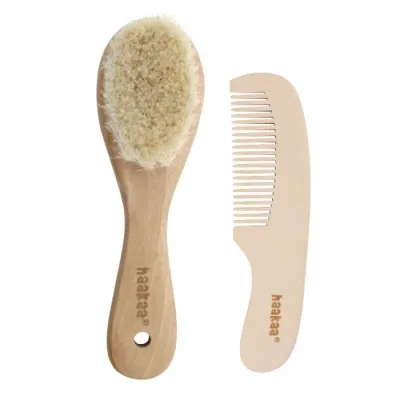
Soft bristle brushes represent the traditional approach to infant hair care, offering a classic, comforting grooming experience. These brushes generally feature either natural bristles, such as ultra-soft goat hair, or synthetic bristles made from fine, flexible nylon fibers. When shopping, parents should carefully examine product labels and material specifications to confirm the bristle source, especially if they prefer natural materials or have specific concerns regarding synthetic fibers.
The primary strength of a soft bristle brush lies in its ability to smooth fine, delicate baby hair and manage static. As the dense, soft bristles glide over the scalp, they act like a gentle sweep, distributing the scalp’s natural oils evenly along the hair shafts. This process helps keep the hair looking healthy, soft, and neat while minimizing the flyaways that often occur after bathing or sleeping. The incredibly soft texture of these bristles makes them ideal for babies with very fine hair or highly sensitive scalps that do not require exfoliation.
However, soft bristle brushes require a higher level of care and maintenance than their silicone counterparts. Because the bristles are densely packed and often porous, they can easily trap moisture, oils, dead skin cells, and bath products deep within the brush head. If the brush is left damp in a poorly ventilated bathroom, it can quickly become a breeding ground for mold and mildew. To prevent this, parents must wash the brush gently, rinse it thoroughly, and allow it to air-dry completely in a well-ventilated area, preferably with the bristles facing downward to prevent water from pooling in the base.
Silicone vs Soft Bristle: Key Comparison Factors
To help you quickly compare these two popular grooming options, the table below outlines how silicone combs and soft bristle brushes perform across several practical categories.
| Feature | Silicone Combs | Soft Bristle Combs |
|---|---|---|
| Primary Function | Scalp massage and gentle exfoliation | Hair smoothing and oil distribution |
| Cradle Cap Management | Highly effective for loosening softened flakes | Limited; bristles are too soft to lift crusts |
| Hair Smoothing | Moderate; better for short or sparse hair | Excellent for fine, dense, or static-prone hair |
| Cleaning & Maintenance | Very easy; non-porous and quick-drying | Requires careful washing and thorough air-drying |
While this comparison highlights the general characteristics of each material, it is important to remember that the actual performance and safety of any grooming tool depend heavily on the specific product’s design. Factors such as bristle density, handle ergonomics, and the manufacturer’s age recommendations play a significant role in how well a tool will work for your child. Always inspect the physical product and read the packaging carefully before introducing it to your baby’s routine.
How to Choose the Right Baby Comb for Your Child
Selecting the right grooming tool for your newborn does not have to be complicated if you base your decision on your baby’s specific scalp and hair needs. By matching the physical properties of the material to your daily routine and your baby’s physical characteristics, you can ensure a safe and comfortable experience.
You should choose a silicone comb if your baby is currently dealing with cradle cap or dry scalp buildup that requires gentle exfoliation. The flexible silicone nubs are perfectly suited for massaging oil into the scalp and lifting softened flakes without causing irritation. Additionally, silicone is a highly practical choice if you prioritize convenience, as its quick-drying, non-porous surface fits seamlessly into a low-maintenance cleaning routine and is highly resistant to mold in humid environments.
On the other hand, you should choose a soft bristle brush if your baby has a full head of fine hair that needs regular smoothing, detangling, or static control. The dense, soft bristles are unmatched when it comes to distributing natural oils and keeping fine hair looking neat and healthy. This option is also perfect if you want to focus on a gentle, soothing sensory experience that promotes bonding during your baby’s post-bath routine.
Before making your final purchase at a local baby boutique or through an online marketplace, always verify the product details. Check the packaging to ensure the manufacturer specifies that the tool is safe for newborns, as some brushes are designed for older infants with thicker hair. Look for material safety assurances, such as BPA-free certifications, and review the cleaning instructions to make sure they align with your household sanitizing habits.
Safe Grooming Practices and Comb Maintenance
Regardless of the material you choose, practicing safe grooming techniques is essential to protect your newborn’s delicate scalp and ensure their comfort. Always approach hair brushing as a gentle, slow activity rather than a rushed chore. Use light, sweeping strokes that glide over the surface of the hair and skin, and be exceptionally careful to avoid applying any direct downward pressure over the fontanelles, or soft spots, on your baby’s head.
During the grooming session, actively monitor your baby’s reactions and look for any stop signals. If you notice localized scalp redness, signs of scratching, or if your baby shows distress by crying, pulling away, or fussing, stop using the tool immediately. These signs indicate that the bristles may be too stiff, the pressure is too firm, or your baby’s scalp is currently too sensitive for grooming. If scalp irritation or redness persists after you stop grooming, consult a pediatrician or a qualified healthcare professional for guidance.
Maintaining the hygiene of your baby’s grooming tools is just as important as the grooming technique itself. Always follow the manufacturer’s specific cleaning instructions to prevent the buildup of oils, skin flakes, and moisture. For soft bristle brushes, this typically involves washing the bristles gently with a mild baby shampoo, rinsing thoroughly under running water, and laying the brush flat with the bristles facing down on a clean towel to dry. Regularly inspect the comb or brush for signs of wear; if you notice bent, shedding, or damaged bristles, or if the silicone begins to crack or degrade, replace the tool immediately to ensure your baby’s safety.
Frequently Asked Questions (FAQ)
Can I use a regular adult soft brush on my newborn?
No, you should avoid using regular adult hairbrushes on a newborn, even if they are labeled as soft. Adult brushes are designed for mature scalps and thicker hair strands, meaning they often feature stiffer bristles, sharper plastic or wooden tips, and spacing that can easily scratch or irritate an infant’s highly sensitive skin. Purpose-built baby combs and brushes undergo specific design considerations to ensure the materials, bristle flexibility, and physical structures are completely safe for a newborn’s delicate head.
How often should I comb my newborn's hair?
There is no strict schedule for grooming a newborn’s hair, and the frequency should be adjusted based on your baby’s unique scalp health and comfort. A brief, gentle daily brushing session is typically sufficient to manage fine hair, distribute natural oils, and enjoy a quiet bonding moment with your baby. However, if your baby has cradle cap, you might use a silicone comb during bath times a few times a week as directed by your pediatrician, whereas if your baby has very little hair or a highly sensitive scalp, brushing every few days or skipping it entirely is perfectly fine.

Community discussion
Share your experience or ask a question. Comments are reviewed before publication.