
When babies transition from crawling to pulling themselves up, every sharp corner in your living room suddenly looks like a hazard. Choosing the right furniture corner guard is one of the simplest ways to babyproof your home, but the sheer variety of materials can be overwhelming. The best material for your home depends entirely on your specific furniture, the edge profile, and your aesthetic preferences.
Foam corner guards offer the thickest cushioning and are ideal for heavy wooden or metal edges where impact absorption is the top priority. Silicone corner guards provide a highly durable, flexible, and low-profile alternative that blends seamlessly with modern decor while resisting toddler teeth. Rigid plastic corner guards are best reserved for glass or acrylic surfaces where visual transparency is essential. By understanding the unique strengths and trade-offs of each material, you can create a safer environment without sacrificing the look of your home.
Assessing Your Furniture and Safety Needs
Before purchasing any safety accessories, take a walk through your home at your child’s eye level to identify high-risk zones. Low-lying furniture like coffee tables, TV consoles, bedside tables, and dining chairs are the most common culprits for bumps and bruises. Sharp 90-degree corners pose the greatest risk of injury, but long, sharp edges along the sides of cabinets also require careful attention.
Products mentioned in this guide
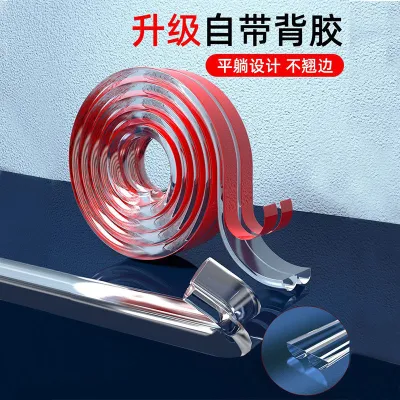
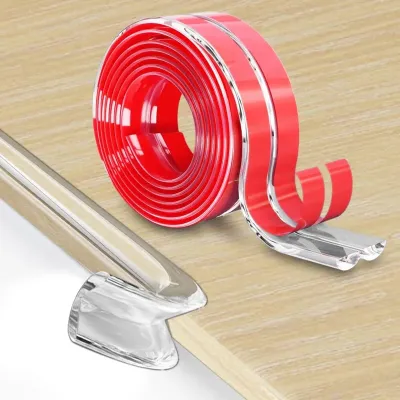
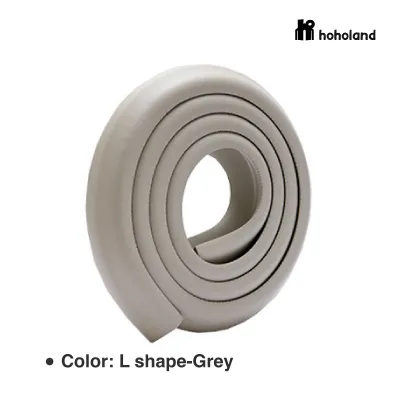
![[SG] Transparent Corner Protector | Corner Guard Baby Safety Corner Protector for Table & Furniture Corner Edge Bumper](https://img.lazcdn.com/g/p/2c50bffc2ff9a577f539ca8b522b78f3.jpg_400x400q80.jpg_.webp)
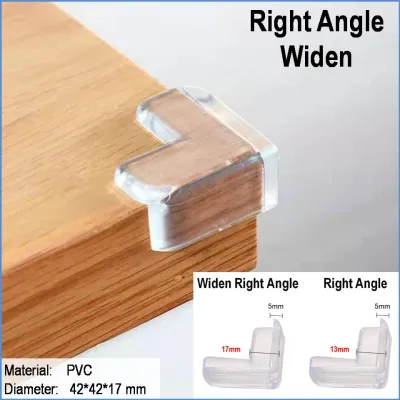
Prices are valid at publication and may change. Please refer to the product page for the latest price.
Your child’s developmental stage and mobility level should guide your choice of material. A crawling infant who is just beginning to pull up on furniture has different safety needs than a highly active toddler running through the living room. Younger babies often use furniture edges to steady themselves, meaning they will frequently touch, pull, or even bite the corner guards. Older toddlers are more prone to high-velocity impacts during active play, which demands superior shock absorption.
The material and finish of your furniture also dictate what type of corner guard and adhesive you can safely use. Polished wood, delicate veneers, glass, metal, and painted surfaces all react differently to adhesives. A heavy-duty adhesive might stay secure on a metal frame but could strip the finish off an antique wooden table upon removal. Inspecting the edge shape—whether it is a sharp right angle, a rounded bevel, or an irregular curve—will help you determine which guard shape and material will adhere securely without peeling away.
Foam Corner Guards: Maximum Cushioning for Hard Edges
Foam corner guards, typically made from soft, high-density rubber or foam materials, are the traditional choice for high-impact protection. These guards are designed to absorb and distribute the force of a sudden impact, making them highly effective for sharp, heavy wooden or metal furniture. If your primary goal is to soften the blow of a fall against a solid coffee table or a low TV console, thick foam is often the most practical option.

The primary trade-off with foam guards is their bulky, highly visible appearance. They can significantly alter the look of your furniture, which some parents find unappealing. Additionally, because foam is soft and textured, it can be highly tempting for curious toddlers to pick at, peel, or even bite. Over time, persistent picking can cause the foam to tear or crumble, creating small pieces that require immediate disposal to prevent choking hazards. Caregivers must regularly inspect foam guards for signs of wear and tear.
Installing foam guards requires careful attention to adhesive compatibility, especially on delicate wood finishes. Because foam is lightweight but bulky, it requires a strong adhesive backing to stay in place. Before applying the adhesive, clean the furniture surface thoroughly to remove dust and oils that could weaken the bond. Keep in mind that routine cleaning is necessary, as foam can absorb spills, dust, and grime more easily than non-porous materials like silicone or plastic.
Silicone Corner Guards: Durable and Low-Profile Protection
Silicone corner guards have grown in popularity as a durable, flexible, and aesthetically discreet alternative to traditional foam. These guards are typically semi-transparent or color-matched to blend in with your furniture, making them far less obtrusive in a modern living space. Because silicone is highly flexible, it conforms easily to curved edges, rounded corners, and irregular furniture profiles that rigid materials cannot accommodate.
While silicone offers excellent durability, its thinner profile means it provides slightly less shock absorption than thick, high-density foam. It is highly effective at preventing cuts and scrapes from sharp edges, but it may not cushion a heavy, high-velocity impact quite as softly as foam. However, silicone excels in durability; it is highly resistant to pulling, biting, and tearing, making it an excellent choice for persistent toddlers who try to peel off safety devices.
When choosing silicone guards, it is important to verify the tear strength and quality of the specific product. High-quality silicone is non-porous, waterproof, and easy to wipe clean, which prevents the buildup of dirt and bacteria. The main maintenance consideration is the adhesive residue left behind during removal. Because silicone guards are flexible, they require strong, clear acrylic adhesives to stay anchored, which can sometimes leave a stubborn residue that requires careful cleaning to remove without damaging the underlying furniture finish.
Plastic Corner Guards: Rigid Coverage for Specific Surfaces
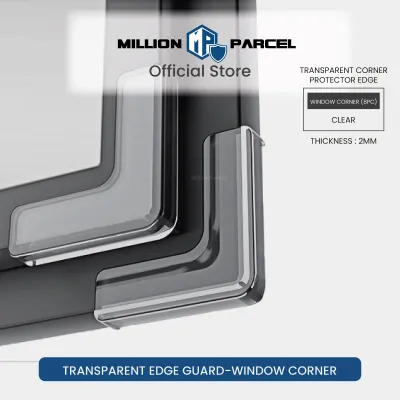
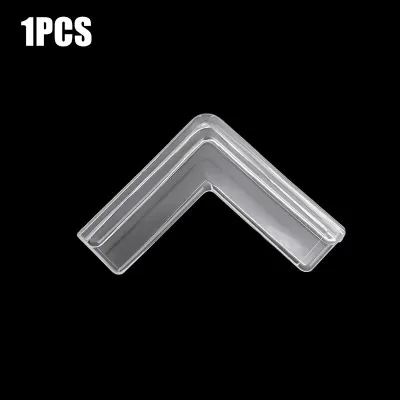
Rigid plastic corner guards, often made from clear polycarbonate or acrylic, are specialized safety accessories designed for specific furniture types. Their primary appeal is visual transparency, allowing the natural beauty of glass coffee tables, acrylic shelves, or modern minimalist furniture to show through. If you want to protect a specific corner without drawing any visual attention to the safety guard, clear plastic is a strong candidate.
The most significant trade-off with rigid plastic is its lack of impact cushioning. Unlike soft foam or flexible silicone, hard plastic does not compress under pressure. Instead, it works by capping a sharp, pointed corner and converting it into a smooth, rounded surface, thereby preventing deep cuts and lacerations rather than absorbing the force of the impact. Additionally, because the material is completely rigid, it cannot conform to uneven, curved, or non-standard furniture edges.
When installing plastic corner guards, safety checks are paramount. Inspect the guards before application to ensure the plastic itself does not have sharp manufacturing seams or rough edges that could cause scratches. It is also vital to verify that the adhesive used is rated for glass or acrylic surfaces, as some adhesives can cause clouding or leave permanent marks on transparent materials. Regularly monitor these guards for signs of cracking, yellowing, or adhesive failure, especially if they are exposed to direct sunlight.
Comparing Protection, Durability, and Aesthetics
To make an informed decision, it helps to compare how these three materials perform across key practical dimensions. Impact absorption is directly tied to material density and thickness; foam leads in this category, followed by silicone, with rigid plastic offering the least cushioning. However, durability and longevity tell a different story, as silicone and plastic easily outlast foam under the daily wear and tear of an active household.
Adhesive performance also varies by material. Foam guards are lightweight but have a larger surface area, often requiring wide adhesive strips that can be difficult to remove from wood. Silicone and plastic guards typically use clear, high-tack acrylic adhesives that offer a strong bond but may require specialized removal techniques to protect delicate veneers. Visually, clear silicone and plastic have a much smaller footprint than bulky foam, making them the preferred choice for maintaining your home’s original decor.
| Material | Primary Benefit | Best Furniture Types | Durability | Visual Profile |
|---|---|---|---|---|
| Foam | Maximum impact cushioning | Heavy wood, metal consoles, sharp edges | Moderate (prone to tearing) | High (bulky, opaque) |
| Silicone | Flexible, tear-resistant | Curved wood, dining chairs, high-traffic areas | High (bite-resistant) | Low (semi-transparent) |
| Plastic | Rigid corner capping, clear | Glass tables, acrylic shelves, modern desks | High (shatter-resistant) | Very Low (fully transparent) |
How to Choose the Right Corner Guard for Your Home
Selecting the right corner guard comes down to matching the material to the specific furniture piece and your child’s behavior. If you are protecting a heavy, sharp-edged wooden coffee table in the center of a play area, choose high-density foam to provide the maximum possible cushioning against falls. The added bulk is a worthwhile trade-off for the peace of mind that comes with superior shock absorption in high-risk zones.
For dining chairs, cabinets, or furniture with curved or irregular edges, silicone is the most versatile choice. Its flexibility allows it to wrap securely around non-standard shapes, while its tear-resistant nature ensures it will withstand a toddler’s attempts to pull or bite it off. Silicone is also the ideal option if you want a low-profile solution that does not visually dominate your living space.
If you have glass tables or acrylic shelving, clear plastic corner guards are the most suitable option. They preserve the transparency of the furniture while capping dangerous glass corners. Before applying any guard, always verify if your furniture has a delicate finish, antique coating, or specialized veneer that could be damaged by strong adhesives. If you are unsure about compatibility, consult the furniture manufacturer’s care guidelines before proceeding with installation.
Frequently Asked Questions (FAQ)
How do I remove corner guard adhesive without damaging wood furniture? (FAQ)
To remove adhesive safely from wood furniture, start by using a hair dryer on a low or medium heat setting to gently warm the adhesive backing. Direct the warm air at the corner guard for a few minutes to soften the glue, making sure not to overheat the wood, which could damage the finish. Once softened, slowly peel the guard away from one edge. If any sticky residue remains, apply a small amount of a mild, furniture-safe solvent or mineral oil to a soft cloth and gently wipe the area. Always test any solvent on an inconspicuous spot first to ensure it does not discolor the finish. If the wood has a delicate antique coating or specialized veneer, stop and consult the furniture manufacturer’s care instructions to avoid causing permanent damage.
Are clear plastic corner guards safe for glass tables? (FAQ)
Clear plastic corner guards are safe for glass tables, provided you perform a few essential checks. Before installation, run your finger along the edges of the plastic guard to ensure there are no sharp manufacturing seams or rough spots that could cause cuts. Use a clear, high-quality adhesive that is explicitly rated for glass surfaces to ensure a secure bond that will not slip under pressure. Because glass surfaces are completely smooth, any adhesive failure can cause the guard to slide off easily, so regular monitoring is necessary. Inspect the guards periodically for signs of cracking, yellowing, or peeling, and replace them immediately if the adhesive begins to fail or if the plastic shows signs of wear.

Community discussion
Share your experience or ask a question. Comments are reviewed before publication.