
As your baby transitions from crawling to taking their first tentative steps, your home suddenly transforms into a landscape of potential hazards. Sharp coffee table corners, low TV consoles, and dining table edges present immediate risks to an active toddler. Baby-proofing these sharp edges is a critical step in creating a safe environment, but choosing the right protective material can be challenging. The two most common options on the market are silicone and foam edge guards, each offering distinct physical properties. Deciding which material is best for your household depends on several factors, including your specific furniture types, your child’s developmental stage, and the local climate. By evaluating these materials across key criteria—such as impact absorption, durability, adhesion strength, and hygiene—you can make an informed decision that balances safety, aesthetics, and practical maintenance.
Impact Protection and Cushioning Performance
When evaluating edge guards, the primary concern for most parents is how well the material absorbs the force of a sudden collision. The physical structure of the material plays a decisive role in this performance. Foam edge guards, typically made from expanded materials like Nitrile Butadiene Rubber (NBR) or ethylene-vinyl acetate (EVA), contain tiny pockets of trapped air. This cellular structure allows the foam to compress significantly upon impact, dispersing the energy of a bump over a wider surface area. This makes foam highly effective at cushioning high-velocity impacts, especially on very sharp or prominent corners where a deep, soft barrier is needed.
Silicone edge guards, on the other hand, are composed of a solid, dense elastomeric polymer. Unlike foam, silicone does not compress as easily because it lacks an internal cellular structure. Instead, it relies on its natural elasticity and the thickness of the molded profile to deflect and absorb force. While silicone provides a firmer barrier, it is highly effective at preventing deep cuts or lacerations from sharp edges. To ensure adequate protection, parents should check the manufacturer’s specifications for the exact thickness of the guard. A thicker silicone profile is generally necessary to match the soft, deep cushioning provided by standard foam guards.
Products mentioned in this guide
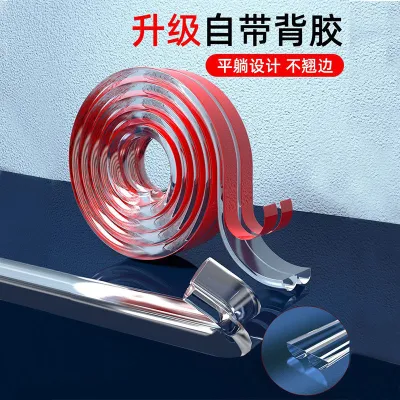
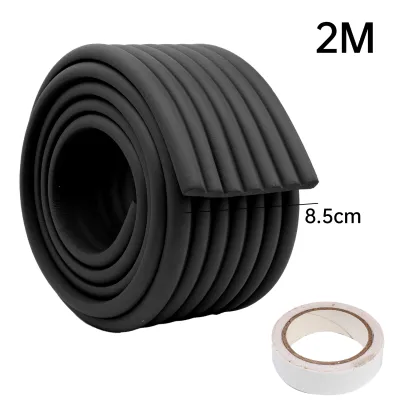
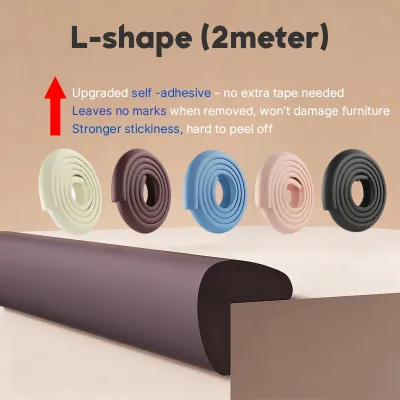
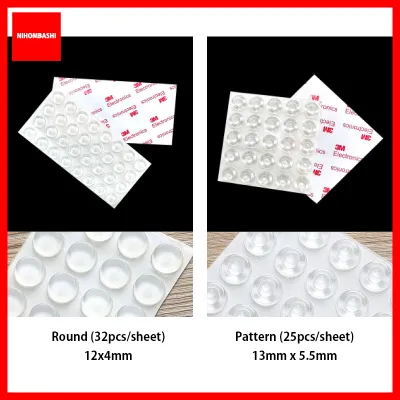
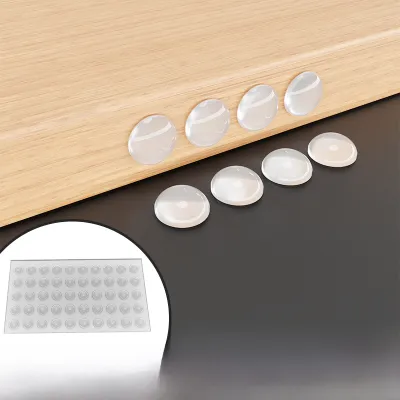
Prices are valid at publication and may change. Please refer to the product page for the latest price.
To judge the long-term cushioning effectiveness of either material, you can perform a simple manual test before permanent installation. Press firmly into the material with your thumb and observe how quickly it returns to its original shape. High-quality foam or silicone should demonstrate rapid rebound and compression recovery, indicating that the material will not remain permanently flattened after a single impact. Over time, materials that lose their elasticity or remain compressed will offer significantly reduced protection during subsequent collisions.
Durability, Adhesion, and Wear Resistance
The longevity of an edge guard depends heavily on its ability to withstand daily wear, environmental conditions, and the curious hands of a teething toddler. Solid silicone is exceptionally durable and highly resistant to tearing, scratching, and biting. Because silicone is a tough, solid elastomer, it does not easily crumble or shred when subjected to friction or toddler teeth. This makes it an excellent choice for homes with children who are in the active teething phase and prone to chewing on accessible surfaces.

In contrast, foam structures are softer and more susceptible to physical damage. A determined toddler can easily pick at, scratch, or bite off small pieces of soft NBR or EVA foam. This not only destroys the protective barrier but also presents a potential choking hazard if the loose pieces are swallowed. If you choose foam edge guards, regular visual inspections are essential to ensure the material remains intact and free from tears or bite marks.
Adhesion strength is another critical factor, as even the most durable material is useless if it does not stay attached to the furniture. The effectiveness of the adhesive backing varies depending on the material and the furniture surface. Silicone guards are often paired with clear, high-strength acrylic adhesives that bond exceptionally well to smooth, non-porous surfaces like glass, metal, and polished or varnished wood. Foam guards typically use thicker double-sided tapes that can conform slightly to textured or uneven surfaces, such as painted wood or plastic. Before purchasing, check the product labels for specific warnings regarding temperature tolerances and UV resistance, especially if you live in a warm, humid climate like Singapore, where high humidity can accelerate the degradation of certain adhesives and materials.
Safety Standards, Toxicity, and Hygiene
Because baby-proofing products are installed within easy reach of infants—who frequently explore their environment using their mouths—chemical safety and hygiene are paramount. Parents should always look for independent safety certifications and non-toxic testing labels on the product packaging. Look for indicators that the product is free from harmful substances such as phthalates, heavy metals, bisphenol A (BPA), and flame retardants. Since standards can vary, verifying these certifications directly on the manufacturer’s official documentation is the most reliable way to ensure chemical safety.
The physical structure of the material also directly impacts daily hygiene and maintenance. Silicone is a non-porous material, meaning it does not absorb liquids, oils, or dirt. This makes it highly resistant to staining, moisture retention, and bacterial growth. If your child spills juice or drools on a silicone guard, the liquid remains on the surface and can be easily wiped away. This non-porous nature makes silicone an incredibly hygienic choice for high-chair trays, dining tables, and kitchen counters.
Foam, by contrast, has a porous or semi-porous structure that can absorb moisture, sweat, and spilled liquids over time. In humid environments, this absorbed moisture can create a breeding ground for mold, mildew, and bacteria within the foam matrix. To maintain a sanitary environment, foam edge guards require regular, careful cleaning. Always follow the manufacturer’s care instructions, which typically recommend wiping the surface with a damp cloth and mild soap, followed by thorough air-drying. Avoid using harsh chemical cleaners or soaking the foam, as excess moisture can compromise both the material integrity and the adhesive backing.
Feature Comparison: Silicone vs Foam Edge Guards
To help you quickly evaluate the practical differences between these two popular baby-proofing materials, the table below summarizes their key physical properties, typical applications, and maintenance requirements.
| Feature | Silicone Edge Guards | Foam Edge Guards | What to Verify on the Label |
|---|---|---|---|
| Material Structure | Solid, dense elastomer | Porous or cellular (NBR/EVA) | Specific polymer type and density |
| Cushioning Style | Firm, elastic deflection | Soft, deep compression | Thickness and impact rating |
| Bite & Tear Resistance | High; extremely difficult to tear | Low to moderate; can be bitten off | Choking hazard warnings |
| Moisture Resistance | Excellent; non-porous | Poor to moderate; can absorb liquids | Mold and mildew resistance claims |
| Best Surfaces | Glass, metal, polished wood | Painted wood, plastics, uneven surfaces | Adhesive compatibility list |
| Cleaning Method | Easy wipe-down with damp cloth | Gentle wipe; must dry completely | Manufacturer cleaning instructions |
| Aesthetic Impact | Often clear; blends with furniture | Opaque; highly visible | Color options and dimensions |
Decision Framework: Which Material Fits Your Home?
Selecting the right edge guard involves matching the material’s strengths to your specific household environment, furniture types, and your child’s current developmental stage. There is no universal winner; instead, the best choice depends on where and how the guard will be used.
You should choose silicone edge guards if your primary concerns are hygiene, durability, and aesthetics. Silicone is highly recommended for smooth, non-porous surfaces such as glass coffee tables, metal bed frames, and polished wooden dining tables. Its transparent or low-profile design allows it to blend seamlessly with your decor, making it less visually intrusive. Additionally, if your child is actively teething and prone to chewing on furniture, silicone’s high tear resistance makes it the safer, more durable option for long-term use.
You should choose foam edge guards if you require maximum initial cushioning for extremely sharp, high-risk corners, or if you are applying the guards to slightly textured or irregular surfaces. The deep, soft compression of foam provides excellent peace of mind around low-lying TV consoles or heavy wooden chests where a fall could result in a significant impact. Foam is also highly suitable for playrooms or dedicated child areas where visual safety cues are helpful, as the opaque, colored foam clearly marks boundaries for active toddlers.
You must verify compatibility first if you are dealing with delicate wood finishes, antique furniture, or rented properties. Some high-strength adhesives can strip paint, varnish, or wood veneer upon removal, leading to permanent damage. In these scenarios, look for products specifically labeled as “surface-safe” or “easy-removal,” and consider testing a small piece of the adhesive tape on an inconspicuous area of the furniture before completing the full installation.
Safe Installation and Removal Guidelines
Proper installation is essential to ensure the edge guard remains securely in place, while careful removal prevents permanent damage to your household surfaces. Before applying any adhesive, thorough surface preparation is critical. Clean the furniture edge with a mild cleaning solution or an appropriate solvent recommended by the manufacturer to remove dust, grease, and oil. Allow the surface to dry completely, as any remaining moisture or residue will severely weaken the adhesive bond.
Once the surface is clean and dry, apply the adhesive backing to the guard and press it firmly onto the furniture edge, holding it in place for the duration specified in the product instructions. It is vital to follow the manufacturer’s recommended curing time—often 24 hours—before allowing your child near the area or subjecting the guard to any pulling or friction. Allowing the adhesive to fully cure ensures a maximum strength bond that is much harder for curious toddlers to peel off.
When it comes time to remove the edge guards, rushing the process can tear paint or damage delicate wood veneers. To safely remove the adhesive, apply gentle heat using a hair dryer set to a low or medium temperature. The heat will soften the adhesive, making it pliable and easier to peel away slowly. If any sticky residue remains on the furniture, apply a small amount of a gentle, surface-safe solvent, such as warm soapy water, cooking oil, or a specialized adhesive remover. Always test the solvent on a hidden, inconspicuous area of the furniture first to ensure it does not discolor or damage the finish.
Frequently Asked Questions (FAQ)
Are silicone edge guards completely chew-proof?
While silicone is highly tear-resistant and significantly more durable than foam, no material is entirely indestructible against persistent, aggressive biting. A teething toddler with developed teeth can eventually puncture or damage even high-quality silicone if left unsupervised. It is important to conduct regular visual inspections of all installed edge guards, checking for punctures, tears, or loose edges that could pose a choking hazard or compromise safety.
Can foam edge guards be used outdoors or in high-humidity areas?
Foam edge guards are generally not recommended for outdoor use or high-humidity environments unless specifically rated for those conditions by the manufacturer. The porous structure of standard foam can absorb environmental moisture, rain, and humidity, which can lead to mold growth and rapid degradation of the adhesive backing. For outdoor patios, bathrooms, or kitchens, non-porous silicone guards are typically a more reliable and hygienic choice.
How do I safely remove adhesive residue left by edge guards?
To safely clean up adhesive residue without damaging your furniture, start with mild, non-abrasive methods. Applying a small amount of cooking oil or warm soapy water to the residue and letting it sit for a few minutes can help break down the adhesive bonds. Gently wipe the area with a soft microfiber cloth, avoiding abrasive scrubbing pads that can scratch the surface. Always test any cleaning agent on an inconspicuous spot first to verify it is safe for your specific furniture finish.

Community discussion
Share your experience or ask a question. Comments are reviewed before publication.