
When baby-proofing your home, sharp furniture edges present immediate hazards for newly mobile infants and toddlers. Selecting the right protective barrier involves balancing impact protection, durability, and how well the material integrates with your living space. Silicone and foam are the two primary materials used for edge guards, each offering distinct physical properties, safety profiles, and maintenance requirements.
Silicone edge guards provide a dense, low-profile, and highly durable barrier that resists biting and is easy to clean. Foam edge guards offer a highly compressible, lightweight, and soft cushion that excels at absorbing blunt impacts. Understanding the trade-offs between these materials allows you to make an informed decision that keeps your child safe while preserving your furniture.
Material Properties: Silicone vs Foam Edge Guards
Silicone is a synthetic polymer characterized by its dense, flexible, and non-porous structure. When manufactured as an edge guard, it typically presents a slim, rubbery profile that sits relatively flush against furniture surfaces. This material is naturally resilient, retaining its shape even after repeated impacts, and it does not degrade easily when exposed to light, moisture, or household cleaning agents.
Products mentioned in this guide
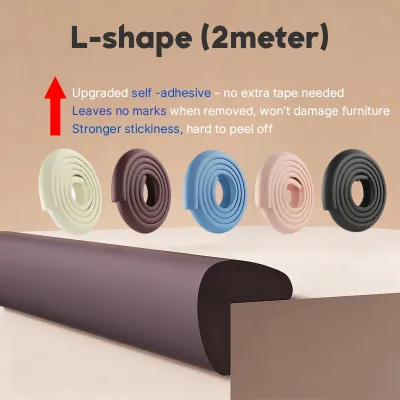
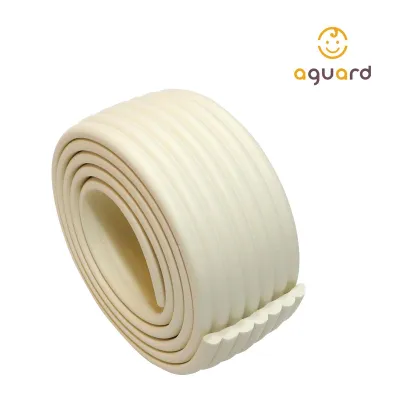
Prices are valid at publication and may change. Please refer to the product page for the latest price.
Foam edge guards are commonly made from expanded materials such as nitrile butadiene rubber (NBR) or polyurethane. This structure is highly compressible, porous, and lightweight, creating a thick, spongy barrier around sharp corners. Because foam contains tiny air pockets within its matrix, it deforms significantly under pressure, providing a soft, yielding surface that feels highly cushioned.
The density of each material directly influences how it looks and feels on your furniture. Silicone’s high density allows for a translucent or color-matched appearance that blends discreetly with wood, glass, or metal. Foam’s lower density requires a much thicker physical profile to provide adequate protection, which often makes the guards highly visible and bulky on table edges.
The specific thickness, density, and flexibility of these guards vary widely by manufacturer. Rather than assuming all silicone is firm or all foam is soft, you should check the product specifications provided on the packaging to ensure the guard matches your specific furniture dimensions.
Evaluating Safety and Impact Protection
Evaluating how well an edge guard protects your child requires understanding how different materials handle physical impacts. Foam relies on compressibility to absorb energy; when a child bumps into a foam guard, the air pockets compress, slowing down the force of the impact. This makes foam highly effective at cushioning blunt-force falls, particularly for unsteady toddlers who are still mastering their balance and prone to falling directly onto low tables.

Silicone handles impacts through force dispersion rather than deep compression. Because silicone is dense and rubbery, it distributes the energy of a localized blow across a wider surface area, preventing the sharp edge underneath from breaking through. While it feels firmer to the touch than foam, it provides a highly durable shield that is particularly effective on very sharp, narrow edges where foam might easily split.
Matching the guard material to the specific hazard in your home is key to effective baby-proofing. For heavy wooden coffee tables, low TV consoles, or brick fireplace hearths, the thick cushioning of foam is often preferred to soften major tumbles. For sharp glass dining tables, metal bed frames, or narrow shelf edges, the slim, wrap-around grip of silicone provides excellent coverage without slipping or tearing.
When purchasing any edge guard, you must verify the safety and chemical composition of the material. Look for clear indications on the product packaging that the material is non-toxic, food-grade, or certified free from harmful additives like phthalates, heavy metals, and flame retardants. Always evaluate the specific product’s thickness, density ratings, and safety compliance labels to determine if it meets the physical demands of your home environment.
Durability, Adhesion, and Daily Maintenance
The daily maintenance of baby-proofing products is a major factor in their long-term usability. Silicone features a completely non-porous surface, meaning it does not absorb liquids, oils, or dirt. When spills occur or sticky fingers touch the guard, you can easily wipe it clean with a damp cloth and mild soap, or even sanitize it without damaging the material.
Foam, due to its porous nature, presents more significant cleaning challenges. It can easily absorb spilled milk, juice, and dust, which can lead to staining or the growth of bacteria over time if not dried thoroughly. Furthermore, scrubbing foam too harshly or using abrasive household cleaners can cause the material to crumble, tear, or degrade, shortening its lifespan.
Adhesion requirements also differ between the two materials due to their weight and flexibility. Foam is exceptionally lightweight and flexible, meaning it requires relatively light adhesive backing—such as standard double-sided tape—to stay securely in place. This lighter adhesive is generally easier to remove later and is less likely to strip away delicate wood veneers or paint finishes.
Silicone is heavier and more rigid, which often necessitates stronger, high-tack acrylic adhesives to prevent the guard from peeling away or springing back to its straight shape. While this ensures the guard remains firmly attached despite tugging from a curious toddler, the aggressive adhesive poses a higher risk of damaging sensitive furniture finishes, varnishes, or paint when it is eventually removed.
To protect your household investments, you should always test the adhesive on an inconspicuous area of your furniture before applying the guard fully. Monitor the guards regularly for observable signs of wear. Foam should be checked for tearing, crumbling, or bite marks, while silicone should be inspected for yellowing, hardening, or signs that the adhesive is beginning to lift at the corners.
How to Choose the Right Edge Guard for Your Home
To simplify your decision, you can use a structured framework based on your specific household needs, furniture types, and daily habits. Selecting the right material involves identifying which trade-offs align best with your family’s lifestyle.
Choose silicone if you prioritize a clean, modern aesthetic and require a low-profile guard that blends seamlessly with your decor. It is also the ideal choice for high-moisture areas, such as dining tables or kitchen counters, where frequent spills require constant wiping. Additionally, if your child is actively teething and prone to chewing on household surfaces, silicone’s high tear resistance makes it a much safer option.
Choose foam if your primary goal is to provide maximum, soft cushioning for high-impact zones where toddlers are likely to trip and fall, such as low-lying coffee tables or play areas. Foam is also highly suitable if you need to cover large, irregular surface areas quickly, as it is lightweight and easy to cut to custom lengths. Finally, select foam if you are protecting delicate, high-value furniture finishes that could be ruined by the aggressive adhesives often required for silicone.
Verify first if you are dealing with specialty materials or unique household dynamics. If you have glass, metal, or leather furniture, check the manufacturer’s instructions to ensure the adhesive is compatible and will not cause staining or structural stress. If you have household pets that like to scratch or chew on furniture, keep in mind that foam can be shredded easily, making silicone or alternative barriers a more practical starting point.
Installation Best Practices and Ongoing Safety Checks
Proper installation is critical to ensuring that any edge guard performs as intended. Begin by thoroughly cleaning the furniture surface with rubbing alcohol or mild soap to remove all dust, grease, wax, and polish, which can severely compromise adhesive performance. Ensure the surface is completely dry before applying the guard, and press down firmly along the entire length for at least thirty seconds to activate the adhesive bond.
Once applied, it is vital to respect the manufacturer’s specified curing time. Most high-quality adhesives require at least 24 hours to reach full bonding strength. During this curing period, keep your child away from the area and avoid touching or testing the guard, as premature stress on the adhesive can cause it to fail prematurely.
Baby-proofing is not a set-and-forget task; it requires ongoing vigilance as your child grows and gains strength. Establish a routine check every few weeks to gently pull on the edges of the guards, verifying that the adhesive remains strong. Inspect foam guards closely for any signs of tearing or missing chunks, which present immediate choking hazards, and check silicone guards for peeling edges that a child could grip and pull off.
If you observe any structural failure, tearing, or loose adhesive, stop using the guard immediately and replace it. When your child outgrows the need for edge protection, remove the guards carefully, using an adhesive remover or hair dryer on a low heat setting to soften the glue and protect your furniture.
Frequently Asked Questions (FAQ)
Can I use silicone or foam edge guards on glass tables?
Yes, both materials can be used on glass tables, but they require careful adhesive selection. Strong, high-tack adhesives can leave stubborn residue or, in rare cases, create localized stress points on tempered glass surfaces. When baby-proofing glass, it is highly recommended to choose clear silicone guards, which maintain the table’s aesthetic while providing robust protection. Always check the manufacturer’s compatibility list to ensure the adhesive is rated safe for glass surfaces and can be removed cleanly without scratching.
What should I do if my baby chews on the edge guard?
If your baby is chewing on edge guards, you must take immediate action to prevent ingestion hazards. Foam guards pose a high risk because a teething child can easily bite off small, spongy pieces, creating a severe choking hazard. Silicone is much more durable and resistant to bite marks, but it should still be monitored closely. Inspect all guards daily for visible damage; if you find any bite marks, tears, or loose sections, remove and replace the damaged guard immediately. If you suspect your child has swallowed any piece of an edge guard, consult a pediatrician or seek medical advice right away.

Community discussion
Share your experience or ask a question. Comments are reviewed before publication.