
Selecting the right edge guard material depends on your specific furniture surfaces, edge profiles, and the level of impact cushioning required. Clear silicone works well for glass and metal due to its low visual profile and strong grip on non-porous surfaces. Soft foam is ideal for sharp wooden corners where maximum shock absorption is needed to protect active toddlers. Dense rubber provides heavy-duty durability for high-traffic zones and heavy furniture.
While edge guards help cushion accidental bumps, they do not replace active caregiver supervision. Parents should regularly inspect these safety accessories as babies reach new developmental stages, such as pulling up to stand or teething. Teething infants may attempt to bite or chew on soft materials, making regular wear-and-tear checks essential. If an edge guard shows signs of tearing, peeling, or loose adhesive, stop using it immediately and replace it to prevent potential choking hazards.
Comparing Silicone, Foam, and Rubber Edge Guards
Silicone edge guards are highly flexible, often clear or translucent, and visually unobtrusive. This material adheres exceptionally well to smooth, non-porous surfaces like glass, polished stone, and metal frames. Because silicone is non-porous, it resists moisture and is easy to wipe clean, making it a practical option for households prioritizing hygiene. However, silicone is typically thinner than foam, meaning it offers less compression under heavy impact.
Products mentioned in this guide
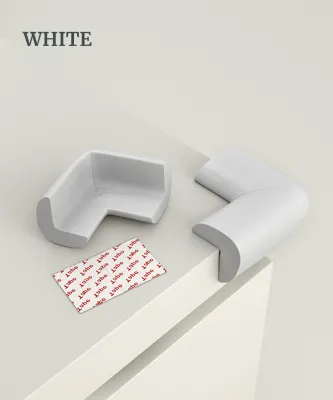
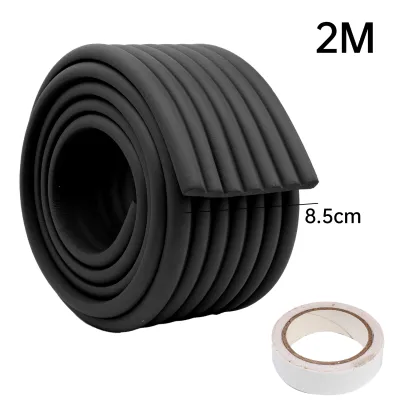
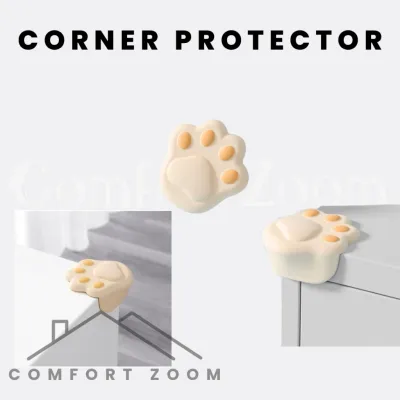
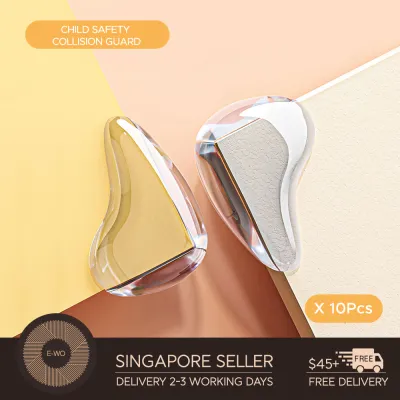
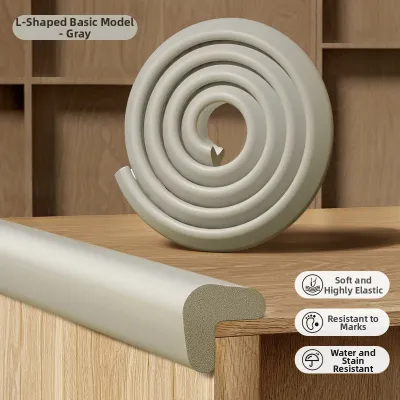

Prices are valid at publication and may change. Please refer to the product page for the latest price.
Foam guards, often made from Nitrile Butadiene Rubber (NBR) or Polyvinyl Chloride (PVC), are lightweight, highly compressible, and thick. This structure excels at absorbing the force of sudden impacts by deforming under pressure. Foam is highly versatile and can be cut easily to fit custom lengths. On the downside, the soft, textured surface of foam can be tempting for teething children to bite, and its porous nature makes it more challenging to clean if spilled liquids soak into the material.
Dense rubber edge guards offer a heavy-duty alternative with high structural durability. Unlike soft foam, dense rubber resists tearing, scratching, and heavy wear, making it suitable for long-term use. It is much heavier and less compressible than foam, providing a firm barrier rather than a soft cushion. Rubber is often preferred for high-traffic areas where furniture is frequently bumped by vacuum cleaners, toys, or heavy household movement.
Material names alone do not guarantee specific performance or safety levels. When purchasing, you must verify the manufacturer’s specifications for exact material properties, density, and adhesive compatibility. Look for detailed product labels that specify the intended age range, developmental suitability, and specific surface recommendations to ensure the product matches your home environment.
Matching Edge Guard Materials to Furniture Types
Glass tables and metal frames benefit significantly from clear silicone guards. Glass coffee tables have sharp, unforgiving edges, but their modern aesthetic is easily disrupted by bulky, colored foam. Clear silicone preserves the visual appeal of the furniture while providing a secure, low-profile grip on smooth, non-porous surfaces. The adhesive backing on silicone tends to bond more uniformly to glass and metal than to textured wood.

Wooden cabinets, shelving units, and sharp wooden coffee tables are best protected with thick foam guards. Wood often features sharp 90-degree corners that require deep, compressible cushioning to prevent injuries during a fall. Foam guards easily wrap around these rigid angles, providing a thick physical barrier. Because wood can have varied grain textures, the wider profile of foam guards often allows for larger adhesive strips to secure the guard in place.
High-traffic play areas and heavy furniture require the durability of dense rubber. In spaces where children play actively with ride-on toys, or where dining chairs are constantly moved, soft foam can quickly tear or peel away. Dense rubber guards withstand frequent contact and maintain their shape over time, making them a practical choice for low-lying wall corners, heavy storage chests, and play zone boundaries.
Before applying any guard, check the product labels to ensure the adhesive is safe for your specific furniture finish. Delicate finishes, thin wood veneers, or freshly painted surfaces can easily be damaged or stripped when removing strong adhesives. If you are dealing with antique furniture or high-value wood finishes, consult the furniture manufacturer or test a small, inconspicuous area before proceeding with full installation.
Safety, Adhesion, and Maintenance Considerations
Adhesive strength and residue are primary concerns when installing baby-proofing products. Strong adhesives are necessary to keep guards secure against curious hands, but they can leave stubborn residue or damage surfaces upon removal. Always check the manufacturer’s instructions for safe removal methods. Many brands recommend using a hairdryer to gently warm the adhesive, softening it before slowly peeling the guard away to protect the underlying furniture finish.
Choking hazards and material integrity must be monitored continuously. As infants grow and develop grip strength, they may pull, tug, or bite at the edge guards. Foam guards are particularly susceptible to being bitten or torn into small, swallowable pieces. Caregivers should conduct weekly physical inspections of all installed guards, checking for loose corners, bite marks, or crumbling material. If any portion of the guard is loose or damaged, it should be replaced immediately.
Maintaining clean edge guards requires following the specific cleaning instructions on the product label. Avoid using harsh chemical solvents, bleach, or abrasive scrubbing pads, as these can degrade the guard material or weaken the adhesive bond. For silicone and rubber, a damp cloth with mild soapy water is usually sufficient. For foam guards, minimize excess moisture during cleaning to prevent water from seeping under the adhesive tape and causing it to lift.
In warm and humid climates, such as in Singapore, adhesive performance can be affected by ambient moisture. High humidity can sometimes interfere with the curing process of double-sided tapes, leading to premature peeling. Ensuring the room is well-ventilated and the furniture surface is completely dry during installation can help mitigate these climate-related challenges.
Step-by-Step Installation for Maximum Effectiveness
Proper surface preparation is the most critical step for ensuring a long-lasting adhesive bond. Begin by wiping the furniture edge thoroughly with rubbing alcohol or mild soap and water to remove dust, grease, fingerprints, and furniture polish. Allow the surface to dry completely. Any remaining moisture, oil, or wax will prevent the adhesive from bonding securely, leading to early failure.
Once the surface is dry, measure the furniture edge and cut the guard to the required length. If you are using corner protectors alongside edge strips, plan the alignment carefully to avoid gaps. Peel the adhesive backing, position the guard precisely, and press down firmly along the entire length. Apply consistent pressure for at least 30 seconds to activate the pressure-sensitive adhesive. Allow the adhesive to cure undisturbed according to the manufacturer’s instructions, which typically requires 24 hours before exposure to pulling or impact.
After the curing period, perform a gentle post-installation check by lightly pressing the edges to ensure there are no lifting corners. Monitor the installation daily during the first week. Look for early signs of peeling, dust accumulation under the edges, or shifting. If a guard begins to lift, do not attempt to re-stick the old tape; remove the guard, clean the surface again, and apply fresh adhesive tape.
Decision Framework: Which Edge Guard Should You Buy?
To simplify your selection process, use this condition-based framework to match the material to your household needs:
- Choose Silicone if: You require a discreet, low-profile look for glass coffee tables, polished stone countertops, or curved metal frames, and need a material that adheres exceptionally well to smooth, non-porous surfaces.
- Choose Foam if: You need maximum shock absorption for sharp, 90-degree wooden corners, prioritize thick and highly compressible cushioning, and have a teething child who is supervised closely.
- Choose Rubber if: You require heavy-duty protection, high structural durability, and resistance to tearing in high-traffic play areas or on heavy, frequently moved furniture.
- Verify first if: Your furniture has a delicate, antique, or freshly painted finish. Always check the manufacturer's specifications for adhesive compatibility, and consult the furniture manufacturer if you are concerned about potential surface damage.
Frequently Asked Questions (FAQ)
Can I use edge guards on walls or painted surfaces?
Using edge guards on painted walls or drywall carries a high risk of surface damage. Strong adhesives can easily peel away paint, plaster, or wallpaper when the guard is removed. Before application, check the product label to see if the adhesive is rated safe for painted surfaces. For wall corners in high-traffic areas, consider using temporary, tension-mounted barriers or specialized wall-safe corner shields instead.
How often should I replace baby edge guards?
Edge guards should be replaced immediately upon showing any observable signs of wear, such as tearing, cracking, hardening, or adhesive failure. If a guard becomes loose or can be easily pulled off by a child, it no longer serves its protective purpose and poses a choking hazard. Regular weekly inspections will help you identify when the material has degraded and needs replacement.
Are transparent silicone guards completely invisible?
Transparent silicone guards are highly discreet compared to colored foam, but they are not completely invisible. They can reflect light, and their thickness creates a visible border on the furniture edge. Over time, exposure to sunlight, household dust, and cleaning agents can cause clear silicone to yellow or lose its clarity, making it more noticeable.

Community discussion
Share your experience or ask a question. Comments are reviewed before publication.