
Baby-proofing a home is a milestone that requires balancing child safety with the preservation of your living space. When toddlers begin crawling and taking their first tentative steps, every sharp edge on a coffee table, TV console, or dining set becomes a potential hazard. Finding the right corners protector is not about finding a single universally perfect product, but rather matching the right material to your specific furniture and household needs.
The ideal choice depends entirely on your furniture type, edge sharpness, and aesthetic preferences. To make an informed decision, caregivers must evaluate several key factors: shock absorption, adhesive strength, visual discretion, and residue-free removal. Each material—silicone, foam, and plastic—offers distinct advantages and trade-offs in these areas.
This guide compares these three primary materials to help parents and caregivers navigate the baby-proofing process. By understanding how each material behaves on different surfaces, you can create a safer environment for your child while protecting your furniture finishes from permanent damage.
Products mentioned in this guide
Prices are valid at publication and may change. Please refer to the product page for the latest price.
Silicone Corner Protectors: Aesthetics and Flexible Grip
Silicone corner protectors are highly popular due to their balance of flexibility and visual subtlety. Made from a pliable synthetic polymer, these protectors stretch and conform easily to various corner shapes, making them particularly useful for modern furniture designs with slightly rounded or non-standard angles.
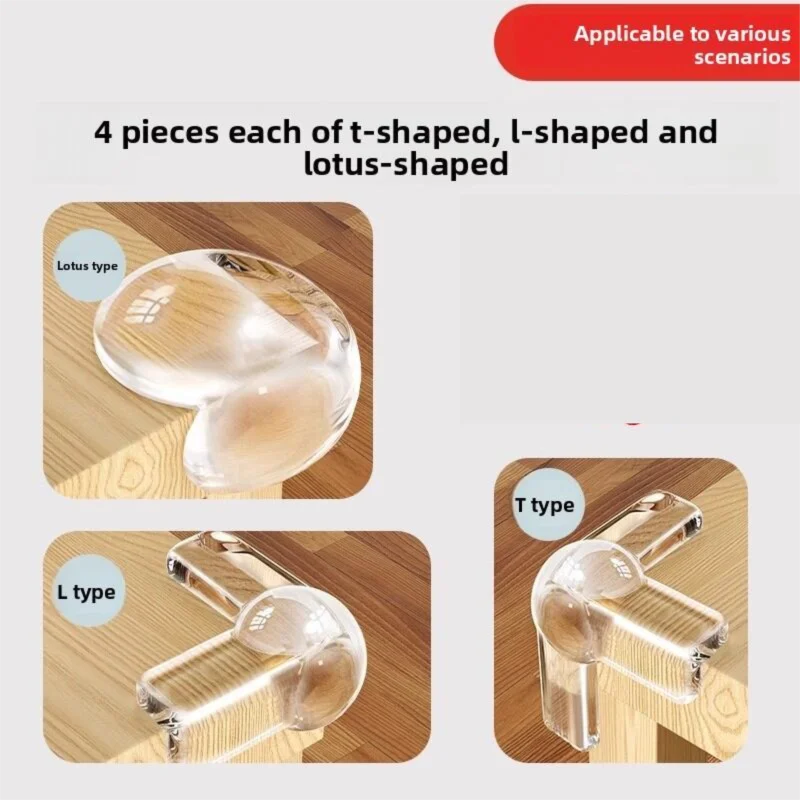
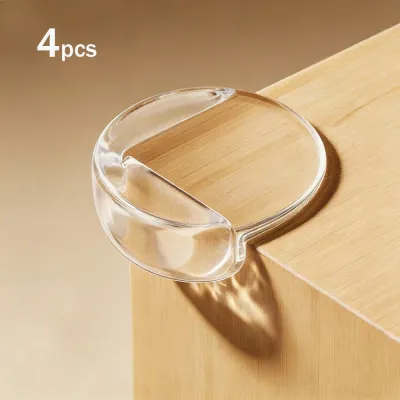
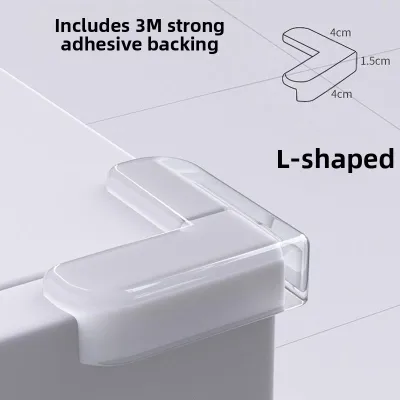
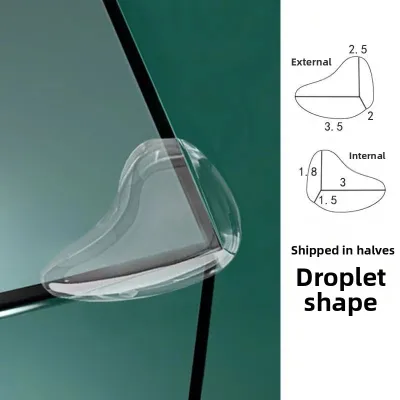
One of the primary advantages of silicone is its visual discretion. Many silicone protectors are completely clear or transparent, allowing the natural wood grain, glass edge, or painted finish of your furniture to show through. This transparency minimizes the visual impact of baby-proofing, helping to maintain the aesthetic integrity of your home. They are highly suitable for glass tabletops, polished wood, and metal frames where a bulky, colored guard would look out of place.
In terms of physical performance, silicone offers a firm, rubbery grip. When a child bumps into a silicone-guarded corner, the material deflects some of the force through elastic deformation. However, because silicone protectors are typically thinner and denser than foam, they provide less overall cushioning during high-velocity impacts. They act more as a blunt barrier to prevent lacerations rather than a soft cushion to absorb deep impacts.
Adhesion is another critical factor to consider. While silicone adheres exceptionally well to smooth, non-porous surfaces like glass and polished laminate, it can struggle on highly porous, unfinished, or dusty wood surfaces. The adhesive backing requires a completely clean, flat surface to cure properly. If your furniture has a textured or rustic finish, the silicone protector may peel away prematurely, requiring frequent reapplication.
Foam Corner Protectors: Maximum Shock Absorption
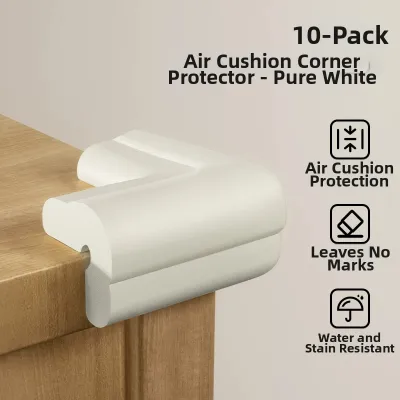
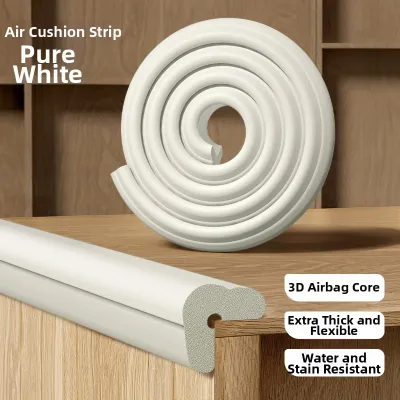
When maximum impact protection is the primary goal, foam corner protectors are often the preferred choice. Typically constructed from dense, closed-cell foam such as ethylene-vinyl acetate (EVA) or nitrile rubber (NBR), these guards are designed specifically to absorb and dissipate heavy impact forces. They are significantly thicker than silicone or plastic options, providing a soft, pillowy barrier over sharp edges.

This superior shock absorption makes foam highly suitable for areas where toddlers are at a high risk of severe falls. Low coffee tables, heavy wooden dining tables, stone hearths, and metal bed frames are prime candidates for foam protection. If a child loses their balance and falls directly onto a foam-covered corner, the closed-cell structure compresses deeply, dramatically reducing the peak force of the impact. This physical property makes foam highly effective at preventing serious bruising or head injuries during active play.
However, this high level of protection comes with notable aesthetic trade-offs. Foam protectors are inherently bulky and highly visible. They are difficult to conceal and often come in a limited range of solid colors, such as brown, black, grey, or off-white. Finding an exact match for your furniture finish can be challenging, and the bulky profile can significantly alter the appearance of delicate or high-end furniture designs.
The adhesion characteristics of foam also require careful management. Because foam is lightweight and flexible, it relies heavily on strong double-sided tape to stay secured to furniture corners. This tape must withstand constant pulling and tugging from curious toddlers. Consequently, the adhesives used are often highly aggressive. When it comes time to remove the foam guards, these strong adhesives can leave behind a stubborn residue or, in worse cases, peel away delicate wood veneers, paint, or lacquer finishes.
Plastic Corner Protectors: Rigid and Heavy-Duty Defense
Hard plastic corner protectors focus primarily on structural rigidity and long-term durability. Often made from materials like polycarbonate or acrylic, these protectors do not compress under pressure, providing a tough, unyielding shield over the corner of the furniture.
This rigid mechanism is highly effective at preventing physical damage to the furniture itself, such as chipped wooden corners, dented drywall, or splintered edges. For households with pets that chew or scratch furniture, or in homes where heavy equipment and toys are frequently moved around, plastic guards offer excellent long-term defense. They are highly durable and resistant to wear, maintaining their shape and position over years of use.
However, from a child safety perspective, plastic protectors have clear limitations. Because they do not compress, they offer very little shock absorption during a fall. If a toddler collides with a hard plastic corner protector, the impact is still rigid and unyielding, though the rounded shape of the protector prevents sharp lacerations. They are best utilized on corners that are out of the primary fall zone but still pose a scraping hazard, or in households where the primary goal is a mix of minor safety proofing and furniture preservation.
Installation and removal of plastic protectors can also be more demanding. Some heavy-duty plastic guards are designed to be screwed directly into the underside of wooden furniture or require industrial-strength adhesives to bond the rigid plastic to the surface. This makes them far less suitable for temporary baby-proofing, especially in rented properties or on delicate heirloom furniture where permanent alteration is not an option.
Material Comparison and Conditional Selection Guide
To help you decide which material fits your home best, it is helpful to compare their performance across key categories. The table below outlines how silicone, foam, and plastic perform in real-world household scenarios.
| Material | Impact Absorption | Visual Profile | Adhesion Type | Best Furniture Match |
|---|---|---|---|---|
| Silicone | Moderate (Elastic) | High Discretion (Clear) | Double-sided acrylic tape | Glass, polished wood, metal |
| Foam | High (Compression) | Low Discretion (Bulky) | Heavy-duty double-sided tape | Sharp wood tables, stone hearths |
| Plastic | Low (Rigid Shield) | Moderate Discretion | Screws or strong adhesive | Utility tables, high-traffic corners |
To apply this comparison to your home, use the following conditional decision framework:
- Choose Silicone if you have modern, minimalist, or glass furniture where maintaining the original aesthetic is a high priority, and you require moderate protection against minor bumps and scrapes.
- Choose Foam if you have sharp-edged, heavy wooden or metal furniture in high-traffic play areas where your toddler is actively learning to walk, and maximum impact cushioning is essential.
- Choose Plastic if your primary goal is long-term durability, protecting utility furniture from physical damage, or preventing minor scrapes on corners that are less likely to experience direct, high-velocity impacts.
- Verify first if your furniture finish is compatible with adhesives. Always check the manufacturer instructions for both the corners protector and your specific furniture piece before applying any adhesive backing, as some finishes can react negatively to tape.
Safe Installation and Residue-Free Removal
Proper installation is critical to ensuring your corners protector remains securely in place while protecting your furniture from damage. The first step in any installation is thorough surface preparation. Dust, oil, and household grime will severely compromise the bond of any adhesive. Clean the corner area with a mild soap solution or a mixture of water and isopropyl alcohol, ensuring the surface is completely dry before applying the protector. Any moisture trapped beneath the adhesive can prevent proper curing and lead to premature peeling.
Environmental factors also play a significant role in adhesive performance. In high-humidity environments, such as tropical climates, the moisture in the air can extend the curing time of double-sided tapes. It is highly recommended to allow the adhesive to cure for at least 24 hours before allowing children to touch or pull on the protectors. Following the manufacturer’s specific instructions regarding curing times and temperature ranges will ensure the longest possible bond life.
When your child outgrows the need for baby-proofing, removing the protectors safely requires patience to avoid peeling away wood veneer, paint, or lacquer. To remove adhesive-backed protectors, apply gentle heat using a hairdryer set to a low or medium temperature. The heat softens the adhesive, making it pliable and easier to pull away. Slowly peel the protector from one edge, applying continuous heat as you go. If stubborn residue remains, use a mild adhesive remover or vegetable oil, testing it first on an inconspicuous area of the furniture to ensure it does not react with or discolor the finish. If you notice any softening or discoloration of the furniture finish during this test, stop immediately and consult a professional furniture restorer.
Frequently Asked Questions (FAQ)
How often should I replace baby corner protectors?
You should inspect your corner protectors regularly for visible signs of wear, degradation, or failing adhesion. Common indicators that a protector needs replacement include yellowing or hardening of silicone, tearing or crumbling of foam, and peeling or lifting edges. If a protector becomes loose, it no longer provides adequate impact protection and poses a serious choking hazard if a toddler manages to pull it off and place it in their mouth. Replace any compromised guard immediately to maintain a safe environment.
Are there non-adhesive corner protectors for glass tables?
Yes, there are alternative options designed specifically for glass surfaces where traditional adhesives are undesirable or ineffective. Some protectors utilize a friction-fit design that slides tightly over the edge of the glass, while others use small suction cups to hold the guard in place without leaving sticky residue. While these options protect the furniture finish, they generally offer lower impact resistance and can be easily removed by curious children. Consequently, they require constant caregiver supervision to ensure they remain properly positioned during active play.

Community discussion
Share your experience or ask a question. Comments are reviewed before publication.