
Choosing the right silicone bowl for baby weaning requires balancing your baby’s developing motor skills with your daily caregiving routine. While silicone is a popular material for infant feeding, not all bowls are designed equally. This guide breaks down the critical material safety markers, structural design features, and practical maintenance considerations you need to evaluate. By understanding these core dimensions, you can confidently build a reliable shortlist and select a bowl that genuinely supports your baby’s transition to independent eating.
Why Choose Silicone for Weaning?
Food-grade silicone offers several distinct advantages over traditional materials like rigid plastics, glass, or ceramic. It is highly flexible, durable, and resistant to extreme temperatures, making it a safer alternative that will not crack, chip, or shatter when dropped from a highchair. Its soft, rubbery texture is also exceptionally gentle on a baby’s sensitive, teething gums, reducing the risk of accidental bruising during enthusiastic self-feeding attempts.
When shopping, you can identify genuine food-grade or premium platinum-cured silicone by carefully reading the product labels and packaging descriptions. Platinum curing is a high-quality manufacturing process that uses platinum as a catalyst, resulting in a purer material that is less likely to exhibit chemical off-gassing or retain strong food odors over time. To check the quality of a bowl in person, you can perform a simple pinch test: pinch and twist a flat surface of the silicone. If white shows through the material, it may contain cheap plastic fillers rather than being pure silicone.
Products mentioned in this guide
![[SG SELLER]1 Set Baby Bowl Food Grade Silicone Bowls & Spoon (Comes with Box) BLW Feeding Bowls Handle High Temperature](https://img.lazcdn.com/g/p/755636e97c133bf5e4761a8119c69a66.jpg_400x400q80.jpg_.webp)
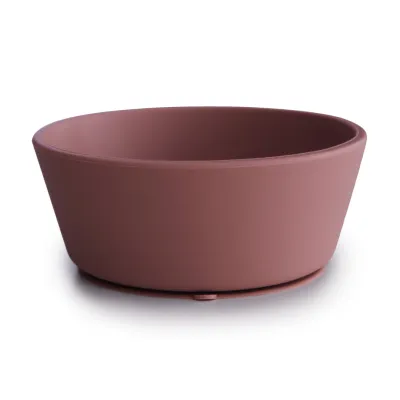
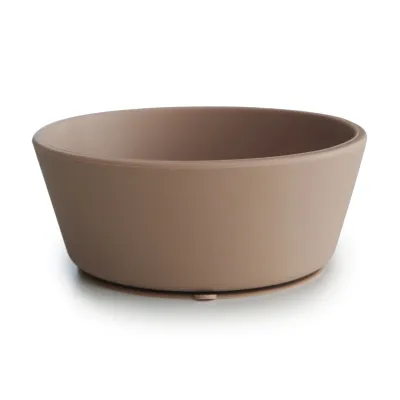
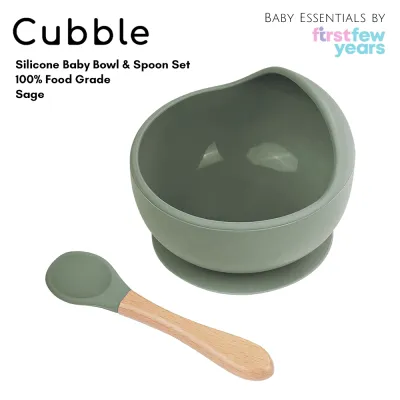
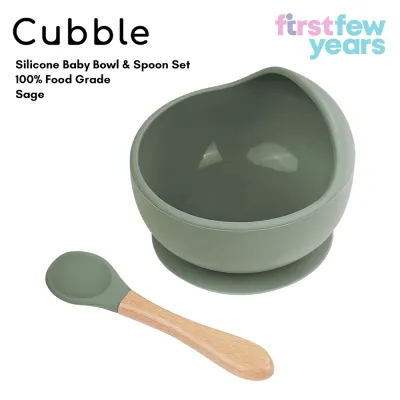
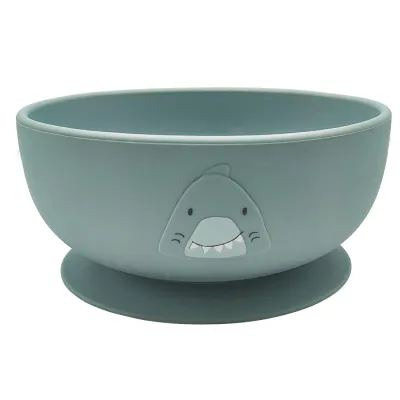
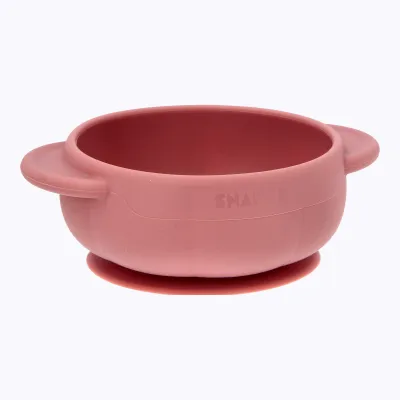
Prices are valid at publication and may change. Please refer to the product page for the latest price.
It is essential to verify that any silicone bowl you purchase is free from potentially harmful chemical additives. Always check the manufacturer’s specifications to ensure the product explicitly claims to be free from bisphenol A (BPA), bisphenol S (BPS), polyvinyl chloride (PVC), and phthalates. Because these compounds are common in lower-grade plastics and can act as endocrine disruptors, reputable brands will clearly display these safety exclusions on their packaging or official product listings.
Key Design Features to Support Self-Feeding
The physical geometry of a weaning bowl plays a critical role in how easily your baby learns to feed themselves. During the early stages of weaning, infants lack the wrist rotation required to scoop food efficiently with a spoon. A bowl with a wide opening and a stable base allows them to approach the food from various angles, while a smooth, gradual transition from the bottom of the bowl to the side walls helps a spoon glide easily along the surface.

Spills are a natural part of the learning process, but specific structural features can help minimize the mess. Weighted bases add physical stability, making it much harder for a clumsy hand to tip the bowl over. Additionally, some bowls feature a wider, flared base that lowers the center of gravity, keeping the bowl upright even when your baby applies uneven pressure while trying to grasp finger foods.
It is also important to match the bowl’s capacity and depth to your baby’s current weaning stage and typical portion sizes. For early weaning around six months, small, shallow bowls with a capacity of about 150ml to 200ml are ideal, as they make small portions of purees easily accessible. As your child transitions to chunkier foods and larger portions around nine to twelve months, a deeper bowl with a capacity of 250ml or more becomes necessary to prevent food from spilling over the edges during vigorous stirring.
Suction Bases and Stability
Suction bowls are designed to lock onto surfaces to prevent babies from lifting and throwing their meals, but their effectiveness depends heavily on your dining setup. Suction mechanisms rely on creating a vacuum, which requires a completely smooth, flat, and non-porous surface, such as glass, polished stone, or smooth plastic highchair trays. Textured wood, matte finishes, or surfaces with grain patterns allow air to seep under the suction cup, causing it to release almost instantly.
While strong suction is excellent for keeping the bowl in place, it can make cleanup difficult if there is no easy way to remove it. Look for designs that incorporate a small, integrated quick-release tab on the edge of the suction base. This tab allows caregivers to lift the edge slightly, breaking the vacuum seal effortlessly without having to pry the entire bowl off the table, which can lead to accidental food splatters.
Caregivers should also keep in mind that suction performance can degrade over time with regular use and cleaning. Exposure to high heat in dishwashers, harsh scrubbing, or natural wear can warp the thin silicone edge of the suction base, reducing its ability to hold a vacuum. Regularly inspect the base for warping, tears, or accumulated soap residue, and be prepared to replace the bowl if the suction grip becomes unreliable.
Bowl Shape, Depth, and Ergonomics
Different weaning methods and food textures require different bowl shapes to facilitate easy eating. Shallow, wide bowls are excellent for baby-led weaning because they allow easy access to finger foods like steamed vegetables or soft fruit slices, giving small hands plenty of room to maneuver. Conversely, deep, narrow bowls are better suited for purees, yogurts, and cereals, as they keep liquid-based foods concentrated in one area for easier scooping.
One of the most helpful innovations in modern baby bowls is the active-scoop lip or inward-curving rim. This design features one side of the bowl that curves slightly inward at the top. When your baby pushes food up the side of the bowl with a spoon, the curved rim naturally guides the food back onto the spoon rather than pushing it over the edge onto the table, building confidence and reducing frustration.
Even if a bowl is designed to stay on the table, there are times when your baby will want to hold it, or you will need to carry it. Some silicone bowls feature textured outer walls, raised ridges, or integrated side handles that are easy for tiny hands to grasp. These ergonomic additions support the development of fine motor skills and allow older toddlers to practice carrying their own snacks, fostering a sense of independence.
Practicality for Caregivers: Cleaning and Temperature Safety
Silicone is highly practical for busy households because it is generally dishwasher-safe, but it does require specific care to maintain its quality. Because silicone is a slightly porous material, it can sometimes absorb oils and chemical fragrances from standard dishwashing detergents, leading to a soapy taste or lingering food odors. To prevent this, wash the bowl with unscented, gentle dish soaps, and place it on the top rack of the dishwasher away from direct heating elements.
One of the greatest advantages of high-quality silicone is its temperature versatility, allowing it to transition from the freezer to the microwave or even the oven. However, temperature limits vary widely depending on the specific grade of silicone and any integrated materials, such as plastic suction rings or wooden handles. Always verify the exact temperature thresholds printed on the product packaging or the manufacturer’s instruction manual before exposing the bowl to extreme heat or cold.
When selecting a bowl, pay close attention to whether it is a single solid piece or has removable parts. A single, solid piece of molded silicone is highly recommended because it has no seams, crevices, or joints where food particles and moisture can hide. Bowls with removable suction bases, plastic collars, or wooden components require extra care, as water can easily get trapped in the joints during washing, creating a breeding ground for mold and bacteria.
How to Verify Safety Labels and Age Suitability
Manufacturers typically provide age guidelines on their packaging, which are based on typical developmental milestones such as a baby’s ability to sit upright and grasp objects. Before purchasing, cross-reference these guidelines with your baby’s current physical abilities. A bowl that is too large or heavy may overwhelm a younger infant, while a bowl that is too small will quickly become obsolete as your child’s appetite grows.
Because baby feeding products are subject to strict safety regulations, you should look for verified compliance marks on the packaging or online product listings. Look for independent safety certifications such as LFGB compliance, which is a strict European food-contact safety standard, or FDA compliance. These certifications indicate that the material has undergone testing to ensure it does not migrate harmful substances into food.
When shopping on ecommerce platforms, take the time to read user reviews specifically focusing on long-term durability and suction performance. Many products perform well initially but lose their suction or warp after a few weeks of daily use and washing. Checking feedback from other parents who have used the product for several months provides valuable insight into its real-world longevity, and verifying the retailer’s return policy ensures you can easily exchange the bowl if it proves incompatible with your highchair tray.
While choosing the right bowl is important, always remember that weaning requires active caregiver supervision at all times to prevent choking hazards. If your baby experiences persistent difficulties with swallowing, refuses solids consistently, or struggles significantly with motor coordination during feeding, stop using self-feeding tools temporarily and consult a pediatrician or a qualified pediatric feeding specialist for personalized guidance.
Frequently Asked Questions (FAQ)
How do I remove lingering food smells from a silicone bowl?
Silicone can occasionally absorb food odors or dish soap fragrances due to its porous nature. To remove these smells, you can create a paste using equal parts baking soda and water, rub it thoroughly over the interior of the bowl, and let it sit for several hours before rinsing. Alternatively, soaking the bowl in a mixture of warm water and white vinegar or fresh lemon juice for about thirty minutes can help neutralize stubborn odors. Always check the manufacturer’s care instructions first to ensure these mild household agents are safe for your specific product.
Can I use a silicone suction bowl on any highchair tray?
No, silicone suction bowls do not work universally on all highchair trays. The suction cup requires a completely smooth, non-porous, and clean surface to create the necessary vacuum seal. If your highchair tray has a textured, matte, or slightly grainy finish, air will seep under the base, causing the suction to fail. Before purchasing, test your highchair tray by pressing a damp suction cup against it, or consult the bowl manufacturer’s compatibility guidelines to ensure a secure fit.

Community discussion
Share your experience or ask a question. Comments are reviewed before publication.