
Your baby’s transition from a bottle to a cup is a major developmental milestone that supports oral motor skills and long-term dental health. Knowing when to introduce a baby straw cup depends less on a strict chronological age and more on your child showing specific physical and behavioral readiness cues. Most babies are developmentally prepared to begin this transition between 6 and 12 months of age, coinciding with the introduction of solid foods.
By observing their ability to sit upright, hold objects, and control their lip movements, you can determine the perfect moment to make the switch. Introducing a cup too early can lead to frustration, while waiting too long might make weaning from the bottle more challenging. Tuning in to your baby’s individual developmental timeline ensures a smooth and safe transition.
Why the Transition from Bottle to Straw Cup Matters
Drinking from a straw requires a completely different set of muscles than sucking from a bottle. An infantile suckle pattern involves a simple forward-and-backward tongue movement. Straw drinking, however, forces the baby to pull the tongue back, elevate its tip, and seal their lips tightly around the straw. This active engagement strengthens the cheeks, lips, and tongue, laying a healthy foundation for speech clarity and mature swallowing patterns.
Products mentioned in this guide
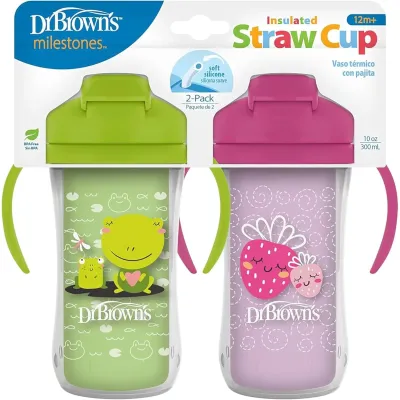
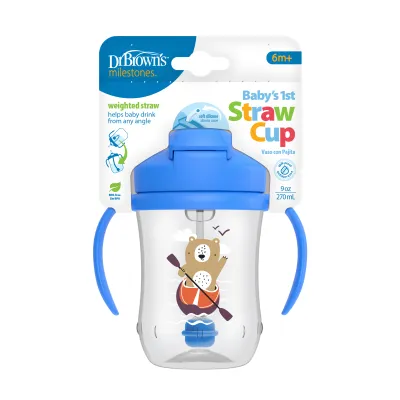
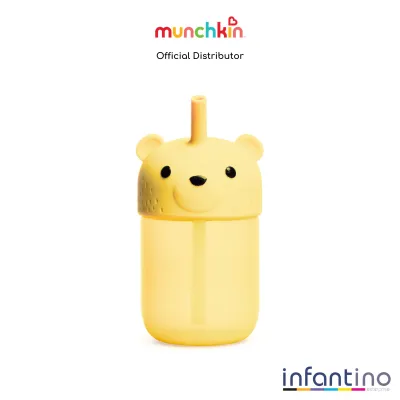
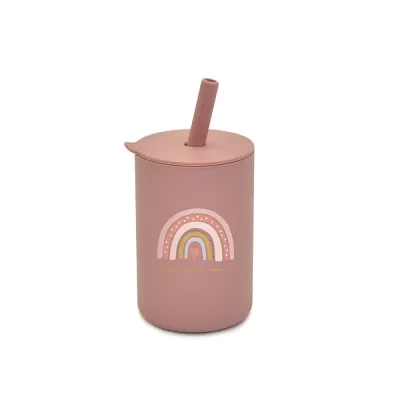
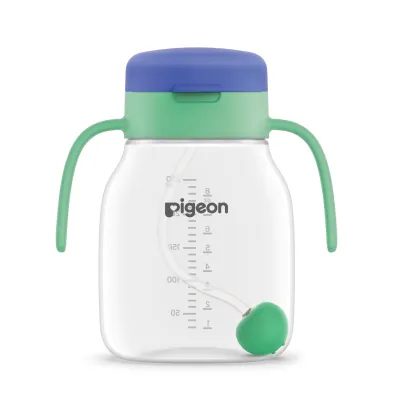
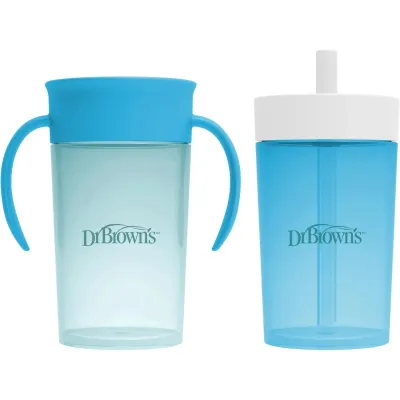
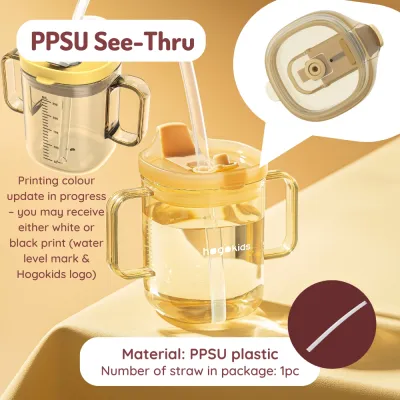
Prices are valid at publication and may change. Please refer to the product page for the latest price.
Beyond oral motor development, moving away from bottles is highly beneficial for your baby’s dental health. Prolonged bottle use, especially when babies are allowed to sleep with a bottle or sip milk continuously throughout the day, can lead to liquid pooling around the teeth. In Singapore’s warm climate, where keeping babies hydrated is essential, establishing healthy drinking habits early is crucial. The sugars in milk that pool around primary teeth can contribute to early childhood caries (tooth decay). Introducing a straw cup helps ensure that liquids bypass the front teeth and are swallowed directly, minimizing the risk of dental issues.
It is helpful to view this transition as a gradual developmental milestone rather than a rigid calendar deadline. Every child develops at their own pace, and forcing a cup before your baby is physically ready can lead to feeding aversion or accidental choking. By focusing on your child’s individual cues rather than comparing their progress to others, you can ensure a safer, more positive learning experience for both of you.
Developmental Signs Your Baby Is Ready for a Straw Cup
Before purchasing a baby straw cup, look for a cluster of physical and behavioral signs that indicate your baby has the coordination required for straw drinking. These signs typically emerge around the same time your baby begins eating solid foods, but they should be assessed individually to ensure safety.

Physical and Motor Skills
The first prerequisite is stable physical posture. Your baby must be able to sit upright unassisted with excellent head and neck control. This physical stability is vital for safe swallowing; a slouching baby or one who cannot keep their head steady is at a much higher risk of choking or inhaling liquid into their lungs. Additionally, look for manual dexterity. Your baby should be able to grasp toys or small objects with their hands and deliberately bring them to their mouth. If they can hold a small toy and guide it accurately to their lips, they possess the hand-eye coordination needed to manage a cup.
Oral Motor and Swallowing Skills
Observe how your baby handles purees or soft finger foods. If they can successfully swallow thicker liquids or smooth purees without coughing, gagging persistently, or pushing the food straight back out with their tongue (known as the tongue-thrust reflex), their swallowing coordination is maturing. Straw drinking also requires the ability to close the lips tightly around an object to create suction. If you notice your baby can close their lips firmly around a spoon when feeding, or if they wrap their lips tightly around their teething toys, they are developing the oral seal necessary to draw liquid up a straw.
Behavioral and Cognitive Cues
Babies learn rapidly through observation and imitation. Pay attention to how your baby behaves during family meals. Do they reach out for your water glass or show intense curiosity when you drink through a straw? Do they copy your chewing and drinking motions? This cognitive interest is a strong indicator of readiness. If your baby actively tries to grab your cup or mimics your sipping actions, they are mentally preparing for the transition and will likely be highly motivated to try a cup of their own.
Keep in mind that these developmental milestones often appear together, but mastering one specific skill does not guarantee complete oral readiness. For instance, a baby who sits perfectly may still have a strong tongue-thrust reflex that makes straw drinking difficult. Always look for a combination of physical, oral, and behavioral cues before introducing a straw cup.
How to Safely Test Straw Cup Readiness at Home
Once you believe your baby is showing the necessary developmental signs, you can conduct a simple, low-pressure home test to verify their readiness. Introducing a straw cup safely requires careful preparation, a calm environment, and constant caregiver supervision to prevent choking or distress.
The Water Test
Always begin your readiness test using plain, room-temperature water. Water is thin, easy to swallow, and creates minimal mess if your baby spits it out or spills it. More importantly, if your baby accidentally inhales a tiny droplet of water while learning, it carries a much lower risk of causing lung irritation compared to formula, breast milk, or juice. Keep the initial portions very small—only a few teaspoons of water in the cup are necessary for a trial.
Demonstration and Mimicry
Babies are natural imitators. Before handing the cup to your baby, take a clean straw cup yourself and demonstrate how to use it. Exaggerate your lip movements, make a gentle sipping sound, and show a happy expression after swallowing. You can also place the baby’s straw cup near their mouth and gently touch it to their lips to encourage them to open up.
Observation Checklist
As your baby interacts with the straw, watch their movements closely. Look for a clean lip seal around the straw tip rather than them simply chewing on the silicone. Observe whether they can draw a small amount of water up and swallow it in a coordinated manner without coughing. It is normal for babies to let some water dribble out of their mouths during the first few attempts as they learn to coordinate their lips and tongue.
Safety Boundaries
Safety must always be your top priority. If your baby coughs heavily, gags repeatedly, splutters, or shows any signs of distress or fear, stop the test immediately. Do not force your baby to continue drinking, as this can create a negative association with the cup. A gentle gag reflex can occasionally occur as babies explore new textures, but persistent gagging or choking means they are not yet ready to coordinate the suction and swallow required for a straw. Gently take the cup away, comfort your baby, and try again at a later date.
What to Do If Your Baby Is Not Ready Yet
If your baby struggles during the initial test, there is absolutely no need to worry or feel discouraged. Developmental timelines are highly individual, and a baby who cannot manage a straw today may easily master it in just a few weeks.
Pause and Retry
The best approach is to put the baby straw cup away for two to three weeks. Babies experience rapid developmental leaps, and giving them a short break allows their oral motor skills to mature naturally without pressure. Forcing a cup on a baby who is not ready can lead to behavioral resistance, making future transition attempts much more challenging.
Alternative Feeding and Practice Methods
While you wait to try the straw cup again, you can continue with their usual breast or bottle-feeding routines. If you want to help them build oral awareness in the meantime, you can practice with a small, open cup. Hold a tiny, open cup to your baby’s lips and tilt it just enough to let a tiny drop of water touch their tongue. This helps them practice keeping their tongue back and closing their lips around a rim. You can also use a clean straw as a dropper: dip a straw into water, place your finger over the top to trap a small drop, place the straw tip in your baby’s mouth, and release your finger to let them taste the water.
When to Seek Professional Advice
While minor setbacks are normal, certain signs warrant a discussion with a professional. If your baby is over 12 months old and consistently chokes, coughs, or gags on thin liquids, or if they show a persistent inability to swallow purees or clear their mouth, consult your pediatrician. In Singapore, you can raise these concerns during routine developmental assessments at your local polyclinic or private pediatric clinic. If necessary, they can refer you to a pediatric speech-language pathologist or a feeding specialist who can evaluate your baby’s oral motor mechanics and provide tailored guidance.
Key Features to Look for When Buying a Baby Straw Cup
When your baby is ready to make the switch, selecting the right baby straw cup can make a significant difference in their success and safety. With numerous options available in Singapore’s retail stores and online marketplaces, focusing on specific design features will help you choose the best fit for your family. Quality options typically range from S$15 to S$35.
Straw Design
For beginners, a weighted straw is highly recommended. These straws feature a small weight at the bottom of a flexible silicone tube, which moves with the liquid. This design allows your baby to drink successfully even if they tilt the cup upside down or lie back, preventing them from sucking in air. As your baby grows older and masters the upright drinking posture, you can transition them to a standard straight straw, which helps refine their vertical drinking skills.
Material and Hygiene
Always check the product packaging to verify that the cup is made from safe, non-toxic materials. Look for labels indicating that the cup is BPA-free and made from food-grade silicone or durable, impact-resistant plastics. Hygiene is another critical factor, particularly in Singapore’s humid tropical climate. High humidity can encourage rapid mold growth in tiny, hard-to-reach crevices. Prioritize cups that can be completely disassembled, allowing you to remove the straw, valve, and lid for thorough washing. Look for designs that are dishwasher-safe or can withstand steam sterilization, and always refer to the manufacturer’s care instructions for proper cleaning.
Ergonomics and Independence
To foster self-feeding, look for cups equipped with easy-grip, removable handles that fit comfortably in tiny hands. Spill-proof or leak-proof valves are also invaluable features. These valves prevent water from pouring out when the cup is dropped or thrown from a high chair, giving your baby the freedom to practice drinking independently without creating a constant mess.
Verification
Before finalizing your purchase, always read the manufacturer’s specific age, weight, and developmental guidelines printed on the product packaging. Do not rely solely on the product name or general online descriptions. Ensure the cup’s specifications align with your baby’s current developmental stage to guarantee a safe and comfortable feeding experience.
Frequently Asked Questions (FAQ)
What is the typical age to introduce a straw cup?
While many pediatric experts suggest introducing a straw cup between 6 and 12 months of age, this is a general guideline rather than a strict rule. Individual development varies widely, and some babies may take longer to coordinate their sucking and swallowing. It is always best to rely on your baby’s physical and oral milestones rather than their age in months. If you have concerns about your child’s developmental timeline, consult your pediatrician or healthcare provider for personalized advice.
Does using a straw cup affect speech or dental development?
Yes, but in a highly positive way when introduced at the right developmental stage. Drinking through a straw requires complex muscle coordination, including lip closure, tongue retraction, and cheek strength. These are the very same muscles your baby will use to produce speech sounds as they grow. Unlike prolonged bottle feeding, which can cause teeth to misalign or lead to dental decay from pooled liquids, straw drinking supports a natural oral structure. If you have specific concerns about your child’s dental alignment or speech progress, consult a pediatric dentist or speech therapist.

Community discussion
Share your experience or ask a question. Comments are reviewed before publication.