
Organising a baby’s nursery in Singapore requires storage solutions that are both highly functional and exceptionally safe for a developing child. Plush storage boxes—typically made from soft fabrics, felt, or canvas—have become a popular choice for parents looking to soften the aesthetic of a room while keeping baby essentials within arm’s reach. The ideal plush storage boxes for a nursery are those that balance structural stability with soft, non-toxic materials, offering a safe environment for curious hands while standing up to the challenges of a humid tropical climate. Selecting the right box involves evaluating how the storage will be used, where it will sit in your nursery layout, and how easily it can be cleaned to maintain a hygienic space.
By focusing on fabric safety, structural integrity, and ease of maintenance, caregivers can create an organised environment that supports a child’s daily routines. Unlike rigid plastic or heavy wooden furniture, fabric-based storage offers a forgiving surface that minimises the risk of bumps and bruises as babies begin to pull themselves up and explore. However, because these items are placed in close proximity to infants, parents must look beyond visual appeal to ensure every box meets strict safety and practical standards.
Essential Criteria for Evaluating Plush Storage Boxes
When evaluating plush storage options, the material composition is the first line of defense for your baby’s health. Look for boxes made from natural, breathable fibres such as cotton canvas, or high-quality, non-toxic synthetic blends like polyester felt. It is highly recommended to check product labels for certifications indicating the fabric is free from harmful chemicals, flame retardants, and heavy dyes. Breathable fabrics are particularly important in Singapore’s humid environment, as they allow air to circulate, reducing the likelihood of musty odours developing within stored clothing or toys.
Products mentioned in this guide
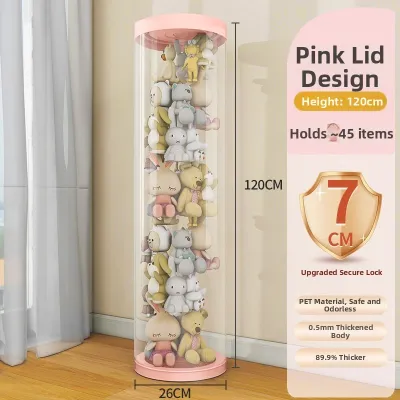
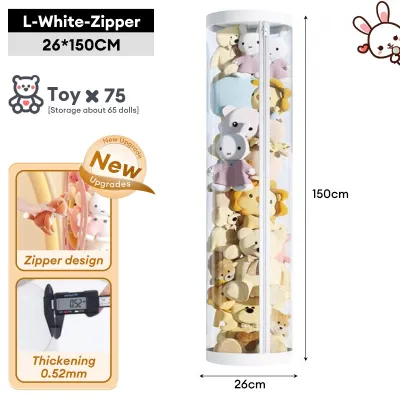
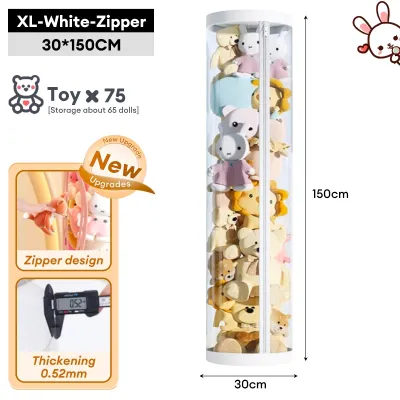
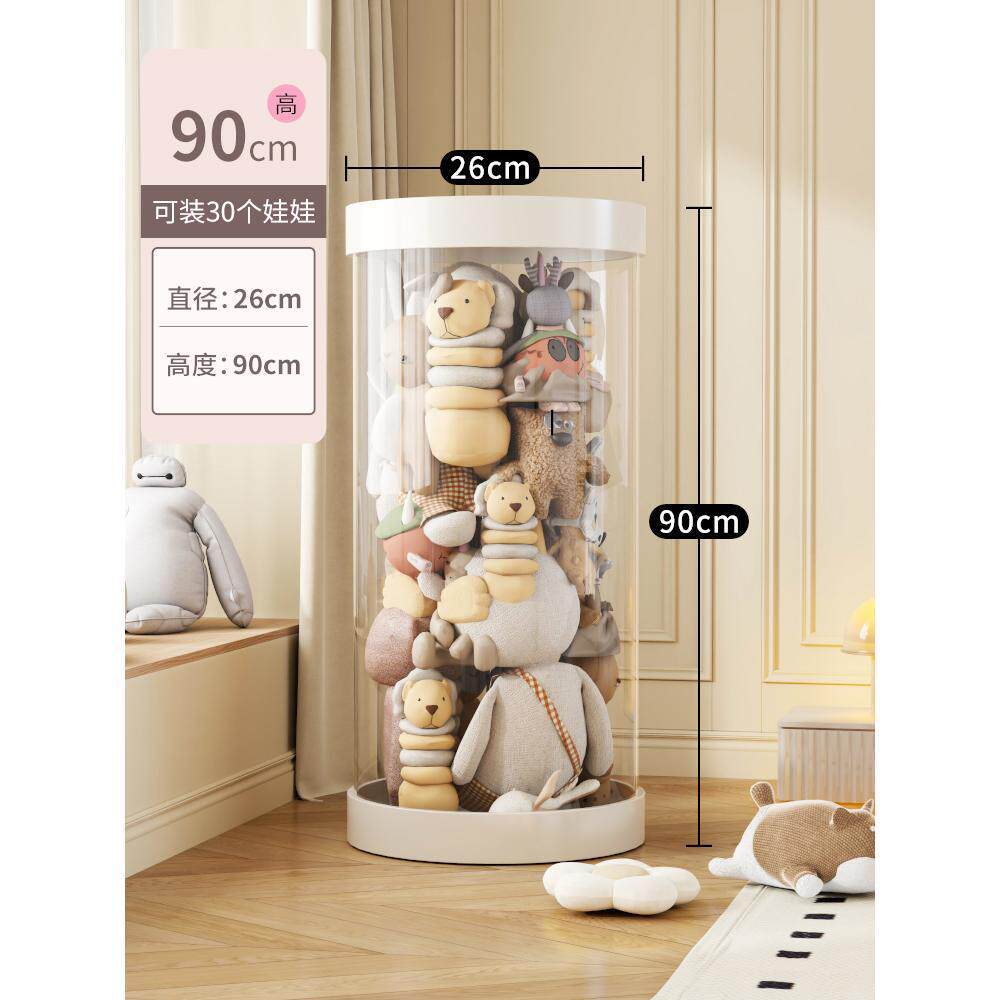
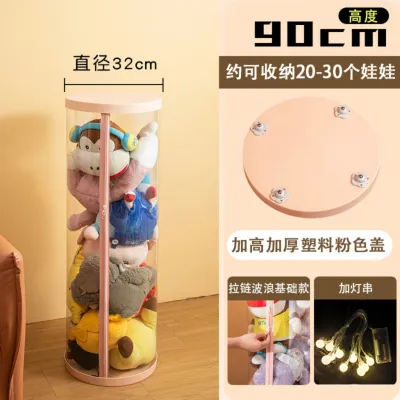
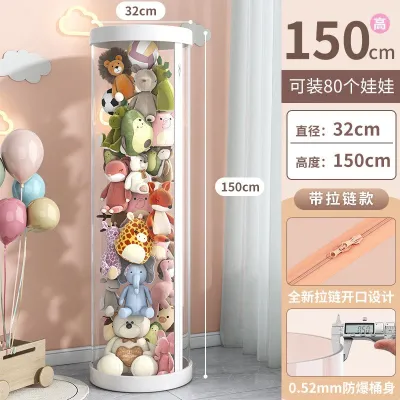
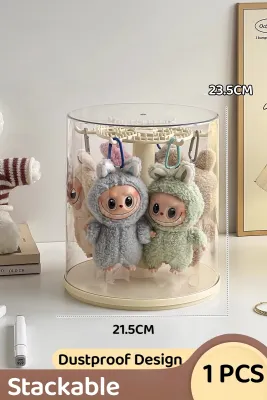
Prices are valid at publication and may change. Please refer to the product page for the latest price.
Structural integrity determines how well a box maintains its shape over time and under load. Plush storage generally falls into two categories: rigid-frame boxes and collapsible designs. Rigid-frame options often utilise internal supports made of thick cardboard, plastic panels, or lightweight wire frames to keep the walls upright even when empty. Collapsible designs, on the other hand, rely on the thickness of the fabric itself—such as compressed felt—to stand upright, allowing them to be folded flat when not in use. Caregivers should assess the base support of any box, ensuring it has a reinforced bottom panel to prevent sagging when lifted.
Accessibility is crucial for both busy parents and toddlers learning to tidy up. For caregivers holding a baby in one arm, a storage box must be easy to open and maneuver with a single hand. Look for lightweight, flexible lids or open-top designs that do not present a risk of pinching small fingers. Handles should be wide, soft, and securely attached to the body of the box. Double-stitched or cross-stitched fabric handles are generally safer and more durable than metal-riveted handles, which can sometimes rust in humid conditions or present sharp edges if they become loose.
Finally, consider the physical dimensions and footprint of the storage boxes relative to your nursery layout. Modern Singapore apartments, such as HDB flats and condominiums, often require smart space utilisation. Measure your shelving units, changing table shelves, or under-crib clearance before purchasing. Standard cube shelving units often accommodate 33×33 cm bins, while low-profile, elongated boxes are better suited for sliding under a cot. Choosing the correct dimensions ensures that the storage boxes do not obstruct walkways or create tripping hazards in a compact room.
Matching Storage Designs to Specific Nursery Items
Different categories of baby gear require distinct storage environments to remain clean, accessible, and undamaged. Soft toys, plushies, and comforters are best kept in large, open-top bins or wide-mouth baskets. This design allows for quick, hassle-free cleanup at the end of the day, as toys can simply be tossed inside. Open tops also encourage toddlers to develop independence, allowing them to see and select their favourite toys without needing assistance from an adult.

For clothing, swaddles, and bed linens, stackable plush boxes with secure lids are highly beneficial. These textiles are susceptible to dust accumulation and airborne moisture, which can irritate a baby’s sensitive skin. A snug-fitting fabric lid or a zippered closure helps protect clean laundry from environmental elements. When choosing stackable options, ensure the lower boxes have reinforced internal frames that can support the weight of the boxes above without collapsing or warping.
Small accessories, grooming kits, pacifiers, and socks can easily get lost in deep, open compartments. For these items, look for multi-compartment organisers or plush boxes equipped with removable internal dividers. These dividers keep tiny items separated and upright, saving caregivers from rummaging through a large bin during a diaper change or dressing routine. Some fabric organisers also feature external slip pockets, which are ideal for holding diaper creams or small packs of baby wipes.
Heavy or bulky items, such as bulk packs of diapers, wooden toys, or children’s books, require specialised structural reinforcement. Standard fabric bins may tear or lose their shape under the weight of these items. Select boxes with reinforced bases, sturdy plastic inserts, and heavy-duty dual carry handles. When transporting heavy items, always lift the box from the base rather than relying solely on the handles to prevent sudden tearing and potential injury.
Safety and Hygiene Considerations in the Nursery
Safety must always be the primary concern when introducing any product into a baby’s room. Inspect plush storage boxes thoroughly for potential choking and entanglement hazards. Avoid boxes with loose decorative elements, such as poorly attached plush animal eyes, buttons, sequins, or long drawstrings. Zippers should be sturdy, smooth, and free of sharp metal teeth, with pull tabs that are large enough to be operated easily but secure enough that they cannot be easily detached by a curious child.
Tip-over and collapse prevention is another critical safety factor. While soft fabric boxes are inherently safer than heavy wooden chests if they fall, a heavily loaded box can still cause injury or create a barrier if it tips onto a crawling infant. Avoid stacking fabric boxes higher than two units unless they are securely housed within a sturdy shelving unit. Always place heavier items in the bottom boxes to keep the centre of gravity low, and never allow children to climb on or inside the storage bins.
Maintaining hygiene in a fabric-based storage system requires consistent effort, especially in Singapore’s tropical climate where relative humidity frequently exceeds 80 percent. High humidity creates an ideal breeding ground for dust mites, mould, and mildew, which can trigger allergies or respiratory issues in infants. Check the manufacturer’s cleaning instructions before buying; some plush boxes feature fully machine-washable fabric covers that can be zipped off, while others are spot-clean only. If a box is spot-clean only, ensure the fabric can be wiped down with a damp cloth and mild, baby-safe detergent without colour bleeding or fabric degradation.
To prevent mould growth, ensure that any washed fabric storage box is completely dry before returning it to the nursery. Drying should ideally take place in a well-ventilated area, under direct sunlight, or in a clothes dryer if the manufacturer’s label permits. If you use a humidifier or air conditioner in the nursery, monitor the room’s humidity levels and ensure storage boxes are placed away from direct condensation paths, such as directly beneath an air conditioning unit or right next to a misting humidifier.
Building Your Shortlist and Shopping Strategy
To find the right plush storage boxes for your nursery, start by creating a condition-based shortlist. Begin by listing the exact dimensions of the spaces you intend to fill, such as shelf heights or floor areas. Next, filter your options by must-have safety and hygiene features, such as machine-washable fabrics, non-toxic material certifications, and the absence of small detachable parts. This systematic approach prevents impulsive purchases based solely on cute designs that may not be practical or safe.
When navigating online stores and specialty baby retailers, pay close attention to product specifications rather than relying on photos alone, which can sometimes distort scale. Read verified customer reviews to assess the real-world durability of the boxes. Look for feedback regarding whether the boxes retain their shape after several months of use, if they emit any chemical odours upon unboxing, and how well the seams hold up to daily wear. If purchasing from local physical boutiques, physically test the rigidity of the frames and the strength of the handles before buying.
Budgeting for nursery storage involves balancing aesthetic appeal with long-term functional lifespan. In Singapore, quality plush storage boxes typically range from S$15 for small accessory bins to S$50 or more for large, reinforced toy chests. While it may be tempting to opt for the cheapest available options, investing in durable, washable fabrics with sturdy internal frames often yields better value over time, as these boxes can transition from storing baby diapers to housing toddler toys and school supplies.
Finally, always consult the manufacturer’s guidelines for specific weight capacities and age recommendations. Some fabric boxes are designed purely for lightweight decorative purposes, while others are engineered to hold heavy items. Adhering to these guidelines ensures the longevity of the product and, most importantly, maintains a safe and secure environment for your growing child.
Frequently Asked Questions (FAQ)
How often should plush storage boxes be washed in a humid climate?
In Singapore’s humid climate, plush storage boxes should be inspected regularly for dust accumulation and musty odours. If the boxes are used to store frequently handled items like daily clothing or toys, washing them every two to three months is a good baseline. Always check the manufacturer’s care label first. If a box cannot be machine-washed, vacuum it using a brush attachment and spot-clean any soiled areas immediately. Ensure the box is completely dry before placing it back in the nursery to prevent mould growth.
Can plush storage boxes be used as seating for toddlers?
Standard plush storage boxes and fabric bins are not designed to support a child’s weight and should never be used as seating. Sitting on a standard fabric box can cause the internal cardboard or plastic supports to buckle, leading to falls or structural damage. Only storage ottomans specifically rated by the manufacturer as furniture-grade with a certified weight limit should be used for seating, and these must always be used under adult supervision.
Are collapsible plush boxes safe for unsupervised toddlers?
Collapsible plush boxes that rely on soft fabric walls without rigid wire frames are generally safe, but those with spring-loaded metal wires or folding plastic hinges require caution. If a collapsible box has a folding mechanism, check for potential pinch points where small fingers could get caught. For unsupervised play areas, it is safest to use soft, frameless felt baskets or open-top canvas bins that do not have folding parts or heavy lids, ensuring there is no risk of entrapment or sudden collapse.

Community discussion
Share your experience or ask a question. Comments are reviewed before publication.