
Caring for a newborn’s delicate skin in Singapore’s warm, humid climate requires meticulous attention to the materials that touch them daily. A baby’s skin barrier is significantly thinner and more permeable than an adult’s, making it highly susceptible to friction, environmental moisture, and chemical irritants. When it comes to daily grooming, diaper changes, and localized cleaning, cotton balls are an indispensable tool in a parent’s arsenal. However, not all cotton products are created equal, and selecting the wrong type can lead to skin chafing, contact dermatitis, or even minor infections.
To protect your infant’s sensitive skin, the ideal cotton ball must prioritize purity, structural integrity, and chemical-free processing. In Singapore, where high humidity can exacerbate skin folds’ moisture retention, choosing a high-quality, low-lint cotton ball is essential to prevent fibers from trapping sweat and bacteria against the skin. This guide provides a comprehensive framework to help you evaluate product labels, understand material differences, and establish safe usage habits for your baby’s daily care routine.
Quick Criteria for Choosing Baby-Safe Cotton Balls
When standing in the baby care aisle, identifying the safest option for your infant requires looking past colorful packaging and focusing on three primary physical characteristics. The first and most critical factor is the fiber composition. Always look for packaging that explicitly declares the product is made from “100% pure cotton.” Many generic or budget-friendly cotton balls contain synthetic fiber blends, such as polyester or rayon, which are added to reduce manufacturing costs. These synthetic materials lack the natural softness of pure cotton and can create micro-abrasions on highly sensitive infant skin during wiping.
Products mentioned in this guide
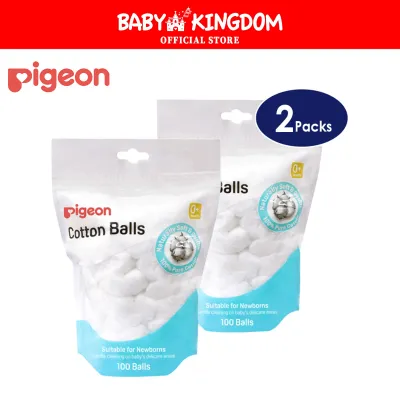
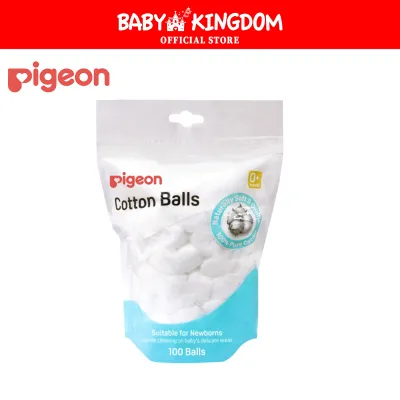
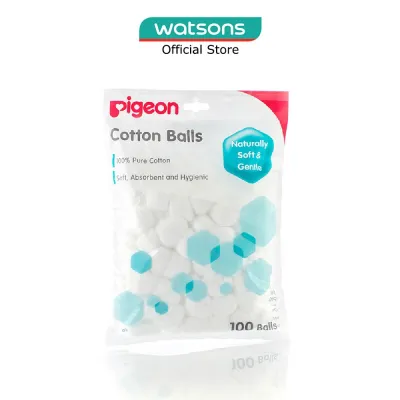
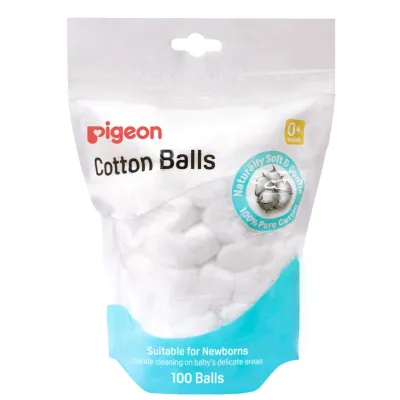
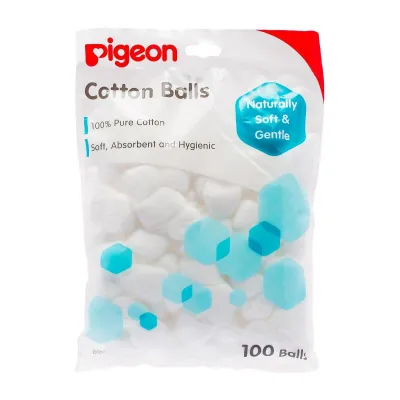
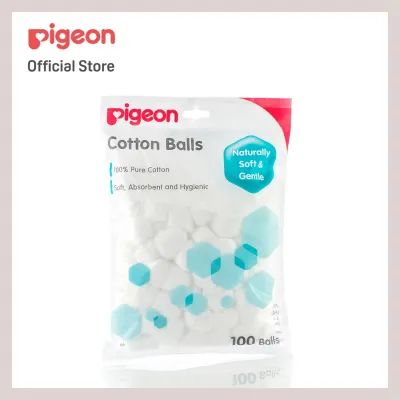
Prices are valid at publication and may change. Please refer to the product page for the latest price.
The second criterion is the chemical processing method used during manufacturing. Conventional cotton is naturally off-white or yellowish and contains natural oils that reduce absorbency. To make it highly absorbent and visually appealing, manufacturers undergo a whitening process. You should actively verify that the product is labeled as “unbleached” or processed using “chlorine-free” methods, such as hydrogen peroxide whitening. Chlorine bleaching can leave behind trace amounts of dioxins and other toxic residues that can easily penetrate a baby’s thin skin barrier.
The third physical characteristic to evaluate is the structural integrity of the cotton ball, specifically its linting behavior. High-quality baby cotton balls are manufactured using longer cotton fibers and specialized binding techniques to ensure they are “lint-free” or “low-lint.” When a cotton ball sheds loose fibers, those tiny particles can easily stick to your baby’s skin folds, get trapped in the groin area, or find their way into the eyes and nose. This can cause persistent physical irritation, localized redness, or even respiratory discomfort if the fine fibers are inhaled during face cleaning.
Decoding Product Labels and Material Claims
Navigating the marketing terminology on baby care packaging can be challenging for parents. One of the most common distinctions you will encounter is between organic and conventional cotton. Organic cotton is cultivated without the use of synthetic pesticides, herbicides, or genetically modified organisms. To verify these organic claims, do not rely solely on the word “organic” printed on the front of the bag. Instead, look for recognized independent certification logos on the back, such as the Global Organic Textile Standard (GOTS) or OEKO-TEX Standard 100. These certifications provide third-party verification that the cotton has been tested for harmful substances and processed under strict environmental and chemical safety guidelines.

Another term frequently found on packaging is “hypoallergenic.” While this label suggests that the product is less likely to cause an allergic reaction, it is important to understand that “hypoallergenic” is not a legally binding or standardized medical term. It typically indicates that the manufacturer has omitted common allergens, but it does not guarantee absolute safety for every infant. To truly assess a product’s suitability, you must inspect the ingredient list for any added substances. Some brands pre-treat their cotton balls with artificial fragrances, aloe vera, or moisturizing lotions to appeal to consumers. For a baby with highly sensitive skin or eczema, these unnecessary additives are primary triggers for contact dermatitis and should be avoided entirely.
Furthermore, parents should be wary of optical brighteners. These are chemical compounds added to some conventional cotton products to make them appear brighter and whiter under light. Optical brighteners do not wash out easily and can remain on the cotton fibers, transferring directly to your baby’s skin during use. To minimize chemical exposure, prioritize natural, unbleached cotton balls, which often have a slightly off-white or cream color and may even feature tiny, harmless dark specks of natural cotton seed husks. These visual indicators are a sign of minimal processing, which is highly beneficial for sensitive skin.
Sterile vs. Non-Sterile: Matching the Cotton to the Task
Understanding when to use sterile versus non-sterile cotton balls is essential for maintaining hygiene while managing your household budget. Sterile cotton balls undergo a specialized sterilization process, such as gamma irradiation, and are individually wrapped or sealed in small, medical-grade blister packs. These are mandatory for tasks where the skin barrier is compromised or when cleaning highly sensitive mucosal areas. For example, during the first few weeks of a newborn’s life, umbilical cord care requires strict sterile techniques to prevent bacterial infections. Similarly, cleaning minor scratches, open diaper rashes, or the delicate eye area to clear newborn discharge should always be performed with sterile cotton balls.
Conversely, non-sterile cotton balls are typically sold in large, multi-pack plastic bags containing dozens or hundreds of pieces. These are perfectly sufficient for routine, daily grooming tasks where the skin barrier is completely intact. Common uses include wiping away excess moisture after a bath, cleaning the outer ears (never inserting them into the ear canal), applying non-medicated barrier creams to the diaper area, or performing routine diaper wipes with warm water. Because non-sterile cotton balls are significantly more economical, using them for non-medical tasks helps keep daily care costs manageable.
Regardless of which type you use, maintaining the integrity of the packaging is vital. For sterile cotton balls, always inspect the individual seals before opening; if a blister pack is torn, punctured, or shows signs of moisture ingress, the contents are no longer sterile and should be demoted to routine use. For non-sterile multi-packs, check the outer bag for any tears or manufacturing defects before purchasing. Additionally, always check for an expiration date or manufacturing date on sterile products, as the sterilization validity can degrade over extended storage periods, especially in humid environments.
Where to Buy and What to Check Before Purchasing
In Singapore, parents have access to a wide variety of retail channels to source baby grooming supplies. Established physical pharmacies, such as Guardian, Watsons, and Unity, are highly reliable options. These retailers operate in climate-controlled, air-conditioned environments, which is crucial for preserving the quality of cotton products. High humidity can easily penetrate paper or thin plastic packaging, leading to mold growth or bacterial contamination before the product even reaches your home. Purchasing from physical stores also allows you to physically inspect the packaging for any signs of damage, dust accumulation, or crushing.
Dedicated mother-and-baby specialty stores and major supermarkets, such as FairPrice Finest, Cold Storage, and Giant, also stock reputable baby-specific cotton brands. When shopping in physical stores, always check the lower or back shelves to ensure you are getting the freshest stock with the longest remaining shelf life. If you prefer the convenience of online marketplaces or ecommerce platforms, it is highly recommended to purchase exclusively from official brand stores or authorized local distributors. Buying from unverified third-party sellers increases the risk of receiving counterfeit products, expired medical-grade cotton, or items that have been stored in hot, humid warehouses without proper climate control.
Before finalizing your purchase, whether in-store or upon delivery from an online order, perform a quick physical inspection of the packaging. Ensure that the resealable zip locks or plastic seals are completely intact and have not been tampered with. Squeeze the bag gently; if it deflates instantly, there may be an unnoticed puncture that has exposed the cotton to ambient air and humidity. Additionally, look closely at the color of the cotton through any transparent windows in the packaging. If you notice any yellowing, gray spots, or dampness, return the product immediately, as these are clear indicators of moisture damage or improper storage.
Safe Handling, Usage, and Disposal Practices
Proper handling techniques are just as important as choosing the right product to ensure your baby’s skin remains healthy and irritation-free. When using a cotton ball, avoid dragging or scrubbing it across the skin. Instead, moisten the cotton ball with lukewarm water and use a gentle patting or rolling motion. To prevent the cotton ball from breaking apart or leaving loose fibers behind, hold it securely between your thumb and index finger, applying even, gentle pressure. If you are cleaning a highly sensitive area, such as the eyes, always wipe in a single direction—from the inner corner to the outer corner—and discard the cotton ball immediately. Never reuse the same cotton ball for a second wipe or for the other eye, as this can easily spread localized bacteria.
Supervision is a critical safety consideration that caregivers must never overlook. Loose cotton balls pose a significant choking and inhalation hazard for infants and toddlers. Always keep the cotton packaging and individual cotton balls completely out of your baby’s reach, preferably in a high, closed cabinet. Never leave a loose cotton ball on the changing table or within the baby’s grasping range during a diaper change. If an infant manages to put a cotton ball in their mouth, the highly absorbent fibers can quickly expand and block the airway, creating an immediate emergency.
Finally, establishing hygienic disposal habits is essential for maintaining a clean home environment. Used cotton balls, especially those soiled with bodily fluids, diaper creams, or antiseptic solutions, should be disposed of immediately in a hands-free, lidded diaper pail or trash bin. Leaving used cotton on open surfaces can attract household pests, spread bacteria, and present a hazard to curious toddlers or pets who might attempt to play with or ingest them. For environmental responsibility, avoid flushing cotton balls down the toilet, as pure cotton does not dissolve quickly in water and can easily cause severe plumbing blockages in Singapore’s high-density residential sewage systems.
Frequently Asked Questions (FAQ)
Can I use regular adult cotton balls for my baby?
It is highly recommended to avoid using regular adult cotton balls on your baby’s sensitive skin. Adult-grade cotton products are often manufactured using shorter, lower-quality cotton fibers that are more prone to shedding and leaving lint behind. This lint can easily accumulate in your baby’s skin folds, leading to friction and localized irritation. Additionally, adult cotton balls are frequently subjected to harsher chemical bleaching processes and may contain optical brighteners or synthetic fiber blends to reduce costs. Because an infant’s skin barrier is much thinner and more sensitive than an adult’s, these chemical residues and rougher textures can easily trigger contact dermatitis, redness, and allergic reactions.
Are cotton pads a better alternative to cotton balls for babies?
Both cotton pads and cotton balls have distinct structural characteristics that make them suitable for different caregiving tasks. Cotton pads, especially those with pressed or stitched edges, generally offer superior structural integrity and are much less likely to shed loose fibers or tear during use. This makes them highly effective for wiping broad surface areas, such as the face, hands, or diaper area during routine cleanups. However, cotton balls are highly conformable and offer excellent absorbency in a compact shape, making them the preferred choice for targeted cleaning in tight crevices, such as behind the ears, between tiny toes, or around the delicate folds of the neck. Many parents find that keeping both options on hand allows them to match the specific tool to the daily task.
How should I store opened packs of cotton balls to maintain hygiene?
In Singapore’s highly humid tropical climate, proper storage is essential to prevent your baby’s cotton balls from absorbing ambient moisture and becoming a breeding ground for mold and bacteria. Once a pack is opened, do not store it in high-humidity zones like the bathroom. Instead, transfer the cotton balls to a clean, airtight plastic or glass container with a secure lid, or keep them in a high-quality resealable zip-lock bag. Store the container in a cool, dry pantry or cabinet away from direct sunlight and heat sources. This simple practice ensures that the cotton remains completely dry, hygienic, and safe for your baby’s skin until the very last piece is used.

Community discussion
Share your experience or ask a question. Comments are reviewed before publication.