
Preparing fresh, nutritious meals for a baby during the weaning stage requires tools that are both highly hygienic and efficient. In Singapore, where parents often balance busy schedules with a desire to prepare wholesome home-cooked meals or dine out at local food centres, ceramic baby food scissors have become a staple in many diaper bags and kitchens. These specialized tools allow caregivers to quickly shear noodles, vegetables, and tender meats directly in the serving bowl, bypassing the need for a cutting board.
Selecting the right pair of scissors involves evaluating blade safety, material composition, ease of sanitization, and portability to ensure a seamless feeding routine. Because these tools come into direct contact with food that is immediately consumed by an infant, understanding how to verify material claims and maintain the blades is essential for daily safety.
Why Choose Ceramic Blades for Baby Food?
Ceramic blades offer distinct advantages for preparing infant meals, primarily due to their chemical composition. Unlike traditional stainless steel, high-quality ceramic blades are completely rust-proof and chemically inert. This means they will not react with acidic foods such as tomatoes, citrus fruits, or apples, preventing the transfer of metallic odors or tastes to delicate baby purees and soft solids. For parents in Singapore’s highly humid climate, the rust-proof nature of ceramic is especially beneficial, as metal tools left slightly damp in storage are highly prone to oxidation.
Products mentioned in this guide
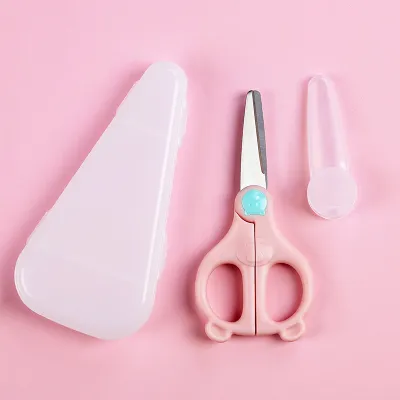
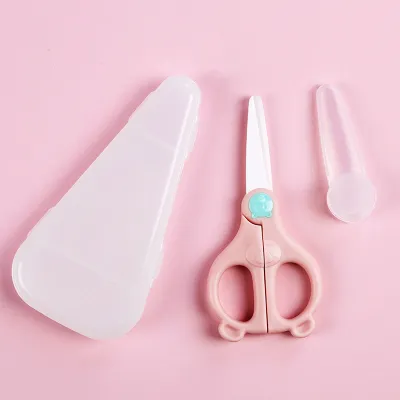
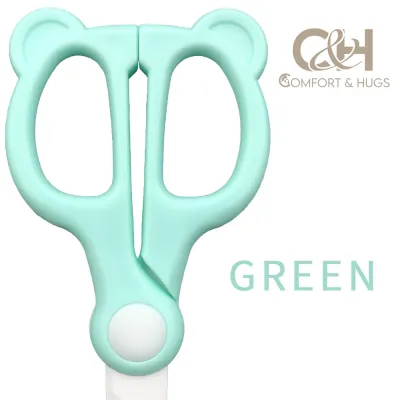
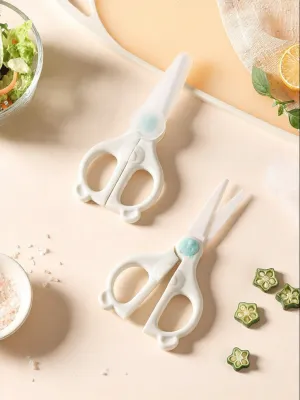
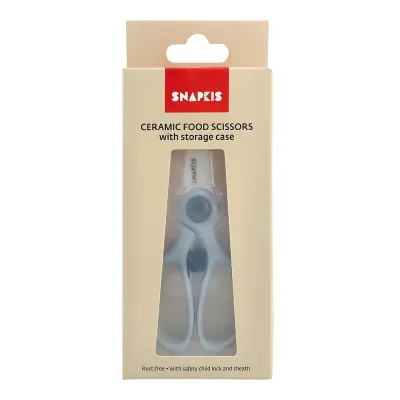
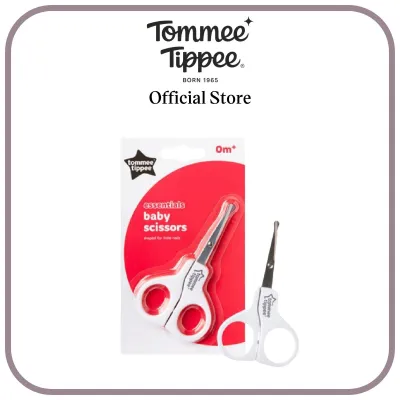
Prices are valid at publication and may change. Please refer to the product page for the latest price.
However, the structural characteristics of ceramic require careful handling. While ceramic is incredibly hard and can retain its sharp edge far longer than steel, it is also highly brittle. This lack of flexibility means the blades are susceptible to chipping or shattering if they are dropped onto hard kitchen tiles or used to cut through hard materials. Caregivers must avoid using ceramic scissors on bones, frozen foods, shells, or extremely dense vegetables like raw carrots, reserving them strictly for soft, cooked weaning foods.
Another key consideration is maintenance over time. Because ceramic is exceptionally hard, these scissors cannot be easily sharpened at home using standard kitchen knife sharpeners. Once the blades eventually lose their edge after prolonged use, they typically need to be replaced. Understanding this trade-off helps parents set realistic expectations regarding the lifespan of their baby food preparation tools.
Essential Design Features for Safe and Efficient Cutting
When selecting ceramic scissors, the physical design plays a critical role in both safety and ease of use. The blade length of baby food scissors is typically much shorter than standard kitchen shears, usually measuring between five and eight centimeters. This compact length provides better leverage and control when cutting food in small baby bowls. Furthermore, the tips of the blades must be rounded or blunt rather than pointed, minimizing the risk of accidental punctures if a child reaches toward the tool or if the scissors slip during use.

Handle ergonomics are equally important, especially when managing a hungry, squirming infant. Look for handles featuring non-slip textures or thermoplastic rubber inserts that provide a secure grip even when hands are wet, oily, or soapy. The finger loops should be designed for comfortable, one-handed operation, allowing you to hold a feeding spoon or steady a bowl with your other hand without losing control of the cutting tool.
Safety features should also extend to storage and transport. A reliable locking mechanism that keeps the blades securely closed when not in use is essential for preventing accidental cuts when reaching into a kitchen drawer or diaper bag. Additionally, a well-fitting protective cap or sheath is necessary to shield the blades from impact and keep them clean during travel. The cap should snap or click firmly into place so that it does not slide off inside a bag.
How to Verify Food Safety and Material Claims
With a wide variety of baby products available on local ecommerce platforms and in specialty boutiques, parents must know how to verify the safety of the materials used. Always inspect the product packaging or manufacturer specifications for explicit food-grade declarations. The plastic handles and protective sheaths should be certified as BPA-free, phthalate-free, and lead-free to ensure no harmful chemicals leach into the food during preparation or when the scissors are stored.
The ceramic material itself should ideally be specified as high-purity zirconia ceramic (zirconium dioxide). This material is non-porous, which prevents food juices and bacteria from penetrating the surface of the blades. When purchasing, look for compliance with recognized international food safety standards, which manufacturers typically print on the packaging as a sign of rigorous quality control.
Beyond material composition, the physical construction of the pivot joint requires close inspection. The joint where the two blades meet is a common trap for food particles, moisture, and bacterial growth. Examine whether the scissors feature a seamless joint design or, ideally, a detachable mechanism that allows the blades to be separated completely for deep cleaning. If the pivot joint cannot be disassembled, ensure there are no deep crevices or exposed metal screws that could harbor residue or rust over time.
Matching the Right Scissors to Your Weaning Routine
Your choice of ceramic scissors should align with your family’s daily lifestyle and feeding habits. For families who frequently dine out at local cafes, restaurants, or hawker centres, a highly portable, compact model is the most practical choice. These travel-friendly scissors are lightweight, feature secure locking caps, and fit easily into a diaper bag pocket, allowing you to quickly portion noodles, steamed dim sum, or soft vegetables directly in the serving bowl at the table.
For parents who prefer bulk meal preparation at home, a larger, heavy-duty pair of ceramic scissors is often more suitable. These models feature sturdier handles and slightly longer blades, which reduce hand fatigue when cutting larger quantities of steamed meats, pasta, or fibrous vegetables for freezing. Having a dedicated, larger tool for home prep ensures you can process batches of food quickly and efficiently.
It is also worth evaluating whether to use a multi-functional kitchen tool or a dedicated, single-purpose pair of baby food scissors. While multi-functional tools offer versatility, keeping a dedicated pair of scissors solely for your baby’s cooked meals is highly recommended. This practice minimizes the risk of cross-contamination from raw meats, common allergens, or spicy adult foods that may be present on general household kitchen shears.
Cleaning, Storage, and When to Replace
Proper maintenance is vital to preserve the hygiene and structural integrity of ceramic scissors. Always hand-wash the scissors using mild dish soap and a soft sponge immediately after use. Avoid using abrasive scrubbing pads, steel wool, or harsh scouring powders, as these can create micro-scratches on both the ceramic blades and the plastic handles. These tiny scratches can become breeding grounds for bacteria and weaken the materials over time.
Because Singapore experiences high relative humidity, thorough drying is essential to prevent mold and bacterial growth, particularly within the pivot joint. After washing, wipe the scissors dry with a clean, lint-free cloth and leave them open in a well-ventilated area to air-dry completely before putting on the protective cap. Storing damp scissors inside a sealed cap creates a humid microenvironment that encourages microbial proliferation.
Regularly inspect the scissors before each use to ensure they remain safe. Look closely for any visible chips, hairline cracks, or loose pivot joints. If you detect any damage to the blades or if the handle material begins to degrade and become sticky or brittle, discontinue use immediately. A chipped ceramic blade can shed microscopic, razor-sharp fragments into your baby’s food, presenting a severe ingestion hazard.
Frequently Asked Questions (FAQ)
Can ceramic scissors be sterilized in boiling water or a UV sterilizer?
While zirconia ceramic blades can easily withstand high temperatures, the plastic or silicone handles and protective caps often have much lower heat tolerances. You must check the manufacturer’s instructions before submerging the scissors in boiling water or placing them in a steam sterilizer, as excessive heat can warp, melt, or degrade the plastic components. UV sterilizers are generally safe for ceramic blades, but prolonged exposure to UV light can cause certain plastics to discolor or become brittle over time. If the manufacturer advises against high-heat or UV sterilization, washing thoroughly with warm, soapy water and allowing the tool to air-dry completely is a safe and highly effective alternative.
What should I do if the ceramic blade chips during use?
If you notice a chip or crack in the ceramic blade while preparing a meal, stop using the scissors immediately. You must discard the entire portion of food you were cutting, as tiny, sharp ceramic fragments may have mixed into the food, posing a serious internal injury risk if ingested. Carefully inspect the cutting bowl, plate, and surrounding preparation area for any stray ceramic pieces. Because ceramic blades cannot be safely repaired, glued, or filed down at home, a chipped pair of scissors is no longer safe for food preparation and must be disposed of immediately.

Community discussion
Share your experience or ask a question. Comments are reviewed before publication.