
Choosing the right baby oat cereal in Singapore involves balancing nutritional value, ingredient safety, and your child’s developmental readiness. As your baby transitions to solid foods around six months of age, iron-fortified oat cereal often serves as a suitable first food due to its gentle effect on digestion, fiber content, and low risk of allergenicity compared to other grains. Furthermore, many parents prefer oats over rice cereal to minimize dietary exposure to inorganic arsenic, which can naturally accumulate in rice crops. To find a suitable option among the many imported and local brands on supermarket shelves and online marketplaces, you must look beyond marketing claims and carefully evaluate the nutrition information panel, ingredient list, and allergen declarations. This guide provides a structured framework to help you navigate these choices, ensuring your baby receives safe, nutrient-dense, and age-appropriate nutrition during this complementary feeding phase.
Core Criteria for Evaluating Baby Oat Cereal
Around six months, an infant’s natural iron stores accumulated during gestation begin to deplete. Because iron is a critical nutrient for healthy brain development, cognitive function, and red blood cell production, pediatric guidelines recommend introducing iron-rich foods as part of the first complementary feeding stage. When examining baby oat cereal packaging, verify the presence of added iron, which is typically listed in the ingredient list as electrolytic iron, iron pyrophosphate, or ferrous fumarate. Check the nutrition information panel to determine the milligrams of iron provided per serving and compare this against the recommended daily intake for infants. Keep in mind that the bioavailability—how easily the baby’s body absorbs the nutrient—can vary depending on the form of iron used and the other ingredients present in the meal. To support iron absorption, consider mixing the cereal with breast milk or formula, or pairing it with a vitamin C-rich fruit puree like pear or apple, and always consult your pediatrician to tailor iron intake to your baby’s specific growth and developmental needs.
Pediatric guidelines emphasize the importance of avoiding added sugars and excessive sodium in infant foods. Introducing sweet or salty flavors early can shape a child’s taste preferences toward processed foods and place unnecessary strain on their developing kidneys. When evaluating baby oat cereals, carefully inspect the ingredient list for hidden sweeteners such as cane sugar, fruit juice concentrates, maltodextrin, dextrose, brown rice syrup, or barley malt. A nutrient-dense baby oat cereal should contain zero grams of added sugar and minimal, naturally occurring sodium. Additionally, the product must be free from artificial preservatives, synthetic colors, and artificial flavorings, which are unnecessary in infant nutrition and may cause adverse reactions in sensitive systems.
Products mentioned in this guide
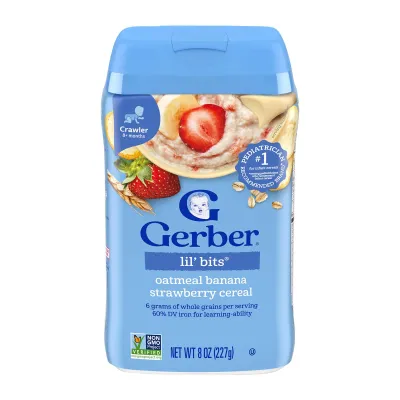
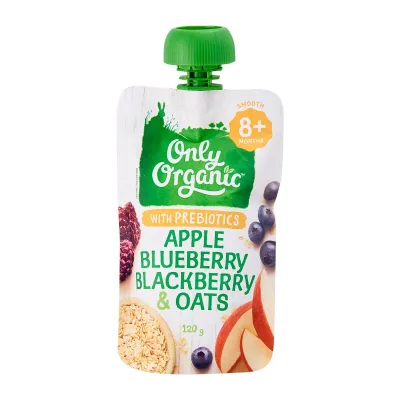
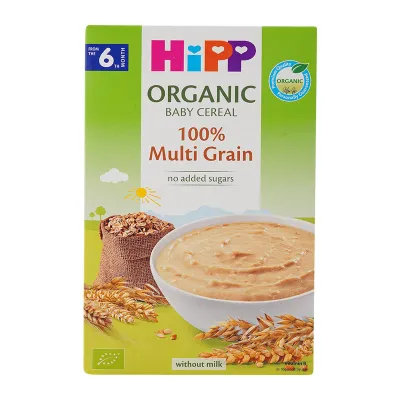
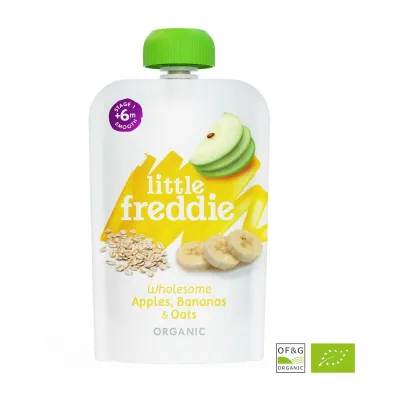
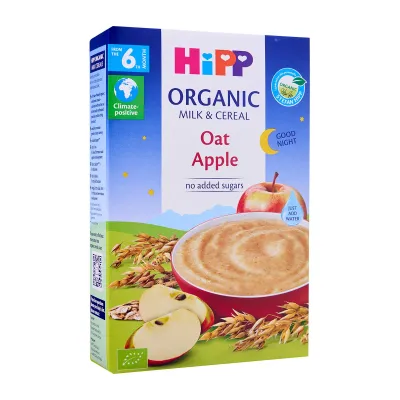
Prices are valid at publication and may change. Please refer to the product page for the latest price.
Organic certifications, such as the USDA Organic, EU Organic, or Australian Certified Organic seals, indicate that the oats were grown and processed according to specific environmental and agricultural standards. These standards restrict the use of synthetic chemical pesticides, herbicides, chemical fertilizers, and genetically modified organisms (GMOs). While conventional baby cereals sold in Singapore are subject to rigorous food safety regulations and import checks, organic options provide an alternative for parents wishing to minimize their infant’s exposure to trace chemical residues. When shopping, verify these certifications directly on the packaging, looking for official logos and certifier codes rather than relying on generic, unregulated marketing terms like “natural” or “pure.”
Matching Cereal Texture and Complexity to Developmental Stages
Infants progress in their oral motor skills and digestive capacity during their first year of life. Single-grain baby oat cereal is typically finely milled into a smooth powder that dissolves easily into a uniform, lump-free puree when mixed with liquid. This smooth texture is designed for beginners who are learning how to move solid food from the front of the mouth to the back for swallowing. As your baby masters this basic skill and shows signs of digestive readiness, you can gradually transition them to multi-grain blends that incorporate other grains like barley, spelt, millet, or quinoa. These blends introduce a wider variety of nutrients, dietary fibers, and subtle flavor profiles, helping to expand your baby’s palate and support diverse eating habits later on.

You can customize the consistency of baby oat cereal to match your child’s evolving developmental stage by adjusting the liquid-to-cereal ratio. When first starting, prepare a runny mixture—such as one tablespoon of cereal mixed with four to five tablespoons of breast milk, formula, or warm water—to make the transition from liquid feeding manageable. Over the following weeks, gradually increase the proportion of dry cereal to create a thicker, paste-like consistency that clings to a spoon. Introducing this thicker texture, along with soft lumps or finely mashed fruits and vegetables, encourages your baby to practice chewing, jaw movement, and tongue lateralization, which are important milestones for speech development and self-feeding. Always refer to the manufacturer’s preparation instructions on the packaging to ensure safe mixing ratios and proper food safety.
Before introducing baby oat cereal or advancing to thicker, more complex textures, it is essential to observe your baby for clear physical and behavioral readiness signs. These milestones typically appear around six months of age and include the ability to sit upright with minimal support, good head and neck control, the disappearance of the tongue-thrust reflex (which automatically pushes solid food out of the mouth), and a keen interest in what family members are eating during mealtimes. Caregivers must provide constant supervision during all feedings to prevent choking hazards and ensure the baby is seated safely in an upright high chair. If you are unsure whether your baby is ready to start solids or transition to more advanced textures, consult a qualified healthcare professional or pediatrician for personalized guidance tailored to your child’s growth.
Navigating Ingredients, Additives, and Allergen Safety
Commercial baby foods sometimes contain additives designed to improve shelf life, alter texture, or standardize flavor across batches. When reading the ingredient list, scan for thickeners and stabilizers such as modified food starch, xanthan gum, carrageenan, or soy lecithin, which add bulk and alter consistency without contributing valuable nutrients to your baby’s diet. A clean baby oat cereal should ideally list whole grain oat flour or organic oat flour as the primary, and sometimes only, ingredient, alongside essential vitamins and minerals added for fortification. Minimizing the number of ingredients in your baby’s first foods makes it much easier to ensure they are receiving clean, nutrient-dense fuel for their growing bodies.
Although oats are naturally gluten-free, they are frequently grown, harvested, and processed using the same equipment and facilities as gluten-containing grains like wheat, barley, and rye. This shared supply chain can lead to cross-contamination, which may pose a risk to infants with specific sensitivities. If your baby has a diagnosed wheat allergy, gluten sensitivity, or celiac disease, look for packages that are explicitly labeled “certified gluten-free,” indicating they have undergone testing to meet strict safety thresholds. Additionally, carefully read the precautionary allergen warning statements on the packaging, which disclose whether the product was manufactured in a facility that also processes common allergens such as dairy, soy, tree nuts, peanuts, or eggs.
When introducing baby oat cereal or any new food into your infant’s diet, it is vital to follow a systematic protocol to monitor for potential adverse or allergic reactions. Offer the new food in very small amounts—such as a single teaspoon—during the morning or early afternoon, which gives you ample time to observe your baby throughout the day. Introduce only one new single-ingredient food at a time, and wait three to five days before introducing another new ingredient. This waiting period allows you to identify the specific source of any reaction, which may manifest as hives, skin rashes, vomiting, diarrhea, or facial swelling. If you observe any signs of an allergic reaction or breathing difficulties, seek immediate medical attention or consult a qualified professional.
Practical Selection Checklist for Retail and E-Commerce
Whether you are shopping in physical retail stores or ordering from online marketplaces in Singapore, inspecting the packaging thoroughly is a critical step in ensuring food safety. Ensure that safety seals are completely intact, metal tins are free of dents, bulges, or rust, and cardboard boxes are not crushed, torn, or damp, as compromised packaging can expose the dry cereal to moisture, mold, and pests. For imported products, which make up a significant portion of the baby food market in Singapore, verify that a clear English label is present. This label should detail the complete ingredient list, nutritional values, allergen warnings, and the contact information of the local distributor or importer, allowing you to easily verify product authenticity and safety.
To make an economical and practical choice for your household budget, avoid comparing only the retail shelf price of different boxes or tins, as packaging sizes can vary significantly between brands. Instead, calculate and compare the unit price by dividing the retail cost by the weight of the product to find the price per 100 grams (S$ per 100g). Larger economy packs, multi-packs, or subscription options from online retailers often offer better unit value, but you must balance these savings against your baby’s actual consumption rate to avoid waste.
Always check the manufacturing and expiration dates printed on the packaging to ensure the product is fresh and has a reasonable shelf life remaining. Singapore’s warm, highly humid tropical climate poses a unique challenge for storing dry infant cereals, as ambient moisture can quickly seep into opened packages, leading to spoilage, clumping, or mold growth. Choose products with clear storage instructions and plan to store the cereal in an airtight glass or BPA-free plastic container in a cool, dry pantry away from direct sunlight. Never use wet spoons to scoop the dry cereal, as introducing even a small amount of moisture can compromise the safety and shelf life of the remaining product.
Frequently Asked Questions (FAQ)
How long can an opened box of baby oat cereal be kept?
Most manufacturers recommend consuming an opened package of baby oat cereal within three to four weeks to ensure freshness, taste, and nutrient retention. Because Singapore’s high humidity can introduce moisture every time the container is opened, it is vital to seal the inner bag tightly with a clip or transfer the dry cereal to a clean, airtight container immediately after opening. Before preparing a serving, always perform a quick sensory check: discard the cereal immediately if you notice any clumping, off-odors, discoloration, or signs of insect infestation, and never feed your baby cereal that has exceeded the manufacturer’s recommended post-opening duration.
Can I mix baby oat cereal with breast milk or formula?
Yes, mixing baby oat cereal with breast milk or prepared infant formula is a practical way to enhance its nutritional profile, add healthy fats, and provide a familiar taste that helps your baby accept the new texture. To preserve the delicate vitamins, live enzymes, and immunoglobulins present in breast milk, avoid heating the liquid in a microwave, which can create dangerous hot spots and destroy essential nutrients. Instead, warm the breast milk or formula gently in a warm water bath before stirring it into the dry cereal until you achieve the desired consistency, ensuring the final mixture is at a safe, lukewarm temperature before feeding.
When should I stop feeding my baby commercial oat cereal?
You can gradually transition your baby away from finely milled commercial oat cereals as they develop advanced oral motor skills, typically around 10 to 12 months of age. Signs that your baby is ready to transition include the ability to chew soft foods easily, the development of the pincer grasp (picking up small objects with the thumb and index finger), and a clear preference for textured foods over smooth purees. At this stage, you can begin introducing regular rolled oats or steel-cut oats cooked to a soft, mashable consistency, incorporating them into balanced family meals alongside diverse protein, fruit, and vegetable sources to support their ongoing growth.

Community discussion
Share your experience or ask a question. Comments are reviewed before publication.