
Introducing baby food bites is an exciting milestone that offers convenience for parents and helps develop your child’s pincer grasp and chewing skills. However, not all snacks are created equal, and finding the right option requires careful consideration of your baby’s specific dietary requirements. To select suitable baby food bites in Singapore, parents should focus on verifying ingredient lists, matching textures to developmental readiness, and checking nutritional panels for sodium and added sugars rather than relying on marketing claims. By establishing a systematic selection process, you can ensure that every snack interval supports your baby’s growth, motor skill development, and long-term health.
Identifying Your Baby's Specific Nutritional Needs
Before introducing any solid bites, it is essential to observe your baby’s physical readiness. Most infants begin to show signs of readiness around six months of age, but individual timelines vary. Key indicators include the ability to sit upright with minimal or no support, maintaining good head and neck control, and showing active interest in what others are eating. Additionally, the development of the pincer grasp—where a baby uses the thumb and index finger to pick up small objects—is a crucial motor milestone that typically emerges between eight and ten months, signaling that they are physically ready to handle small, individual bites.
During the weaning journey, snacks should not merely serve as a distraction or a way to keep your baby busy; they should actively contribute to their daily nutritional requirements. In the early stages of solid introduction, breast milk or formula remains the primary source of nutrition, but as babies grow, their stores of critical minerals like iron begin to deplete. Consequently, selecting bites that are fortified with iron or naturally rich in essential nutrients becomes increasingly important. Calcium is another vital nutrient required for developing strong bones and teeth, while healthy fats, such as those derived from seeds or plant oils, support rapid brain development during these formative years.
Products mentioned in this guide
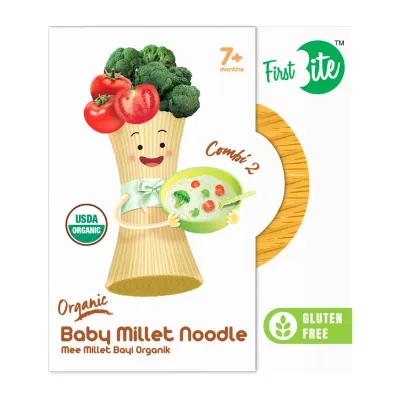
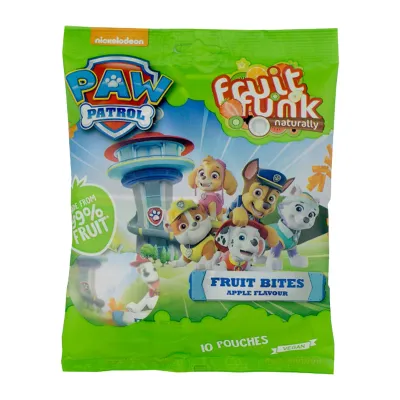
Prices are valid at publication and may change. Please refer to the product page for the latest price.
Another critical step in identifying your baby’s needs is assessing potential food sensitivities and family allergy histories. The early introduction of common allergens, such as peanuts, tree nuts, soy, wheat, and dairy, is often recommended under professional guidance, but it must be managed with extreme care. If your child has a known sensitivity or if there is a strong family history of eczema or food allergies, you will need to seek out single-ingredient bites or products manufactured in dedicated allergen-free facilities. Identifying these parameters early allows you to filter out unsuitable options immediately and focus on snacks that align with your family’s dietary preferences, whether organic, plant-based, or gluten-free.
What to Look for When Comparing Baby Food Bites
When comparing different baby food bites on the shelves in Singapore, the ingredient list is your most reliable tool. A high-quality baby snack should feature recognizable, whole-food ingredients at the very top of the list, such as whole grains, fruits, or vegetables. Ingredients are listed in descending order of weight, so the first few items should represent the primary nutritional value of the product. If you notice that refined starches, flours, or water make up the bulk of the product before any actual fruit or vegetable powder is mentioned, the snack may offer very little nutritional benefit.

It is crucial to look beyond the front-of-pack marketing claims and scrutinize the label for hidden sugars and sodium. Manufacturers often use alternative names for sugar, such as fruit juice concentrate, cane syrup, maltodextrin, or dextrose, to make a product seem healthier than it is. Infants under twelve months do not require any added salt or sugar in their diets, as their kidneys are still developing and their taste preferences are highly malleable. Consuming high-sodium or sweet snacks early in life can establish a preference for salty or sugary foods, which can persist into childhood and adulthood.
The physical properties of the bites are just as important as their nutritional content. For younger babies who are just starting with finger foods, the bites must have excellent melt-in-mouth properties. This means the snack should quickly dissolve when in contact with saliva, reducing the risk of choking even if the baby has not yet developed teeth. You can test this yourself by placing a bite on your tongue to see how rapidly it breaks down without chewing. As your baby’s chewing skills progress, you can gradually transition to firmer textures, but the size should always remain manageable—typically small enough to be picked up easily but not so small or hard that it can block the airway.
Matching Bites to Your Baby's Dietary Requirements
For infants transitioning from exclusive milk feeding to solids, iron-fortified bites can play a supportive role in meeting daily mineral targets. Iron is essential for cognitive development and healthy blood cells, and many grain-based bites, such as those made from oat or quinoa flour, are specifically fortified with iron to help bridge the gap. When selecting these options, look for products that combine iron with a source of vitamin C, such as strawberry or apple powder, as vitamin C significantly enhances non-heme iron absorption in the body.
If your baby has a sensitive digestive system or is in the initial phases of food introduction, single-ingredient or allergen-free bites are the safest starting point. Simple puffed rice or freeze-dried fruit pieces with no added ingredients allow you to isolate new foods and monitor your baby for any adverse reactions, such as skin rashes, vomiting, or changes in stool. When introducing potential allergens, choosing bites that clearly state they are free from cross-contamination with other major allergens is vital for maintaining a controlled environment.
Active toddlers and picky eaters often have high energy requirements but small stomach capacities, meaning they cannot consume large volumes of food at a single meal. For these children, calorie-dense snacks that incorporate healthy fats and proteins are highly beneficial. Look for bites that utilize nut butter powders, seed flours, or whole grains like oats, which provide sustained energy release rather than the rapid blood sugar spikes and crashes associated with simple starch puffs. These nutrient-dense options ensure that snack times contribute meaningfully to their daily caloric and macronutrient needs.
Navigating specialized dietary preferences, such as organic, plant-based, or halal-certified options, requires a disciplined approach to label reading. While terms like “organic” or “natural” are frequently displayed on packaging, parents should verify these claims by looking for official certification seals from recognized international bodies, such as the USDA Organic or EU Organic logos. Similarly, if you are seeking plant-based options, check the ingredient list to ensure there are no hidden animal-derived stabilizers or gelatin. Relying on verified certification marks rather than promotional slogans ensures that the products truly align with your family’s values and dietary standards.
How to Read Labels and Verify Safety Checks
Understanding how to read the nutritional information panel is a critical skill for any parent. Always compare the “per 100g” column with the “per serving” column to understand exactly how much sugar, sodium, and fat your baby is consuming. Sometimes, a product may appear low in sugar because the serving size is exceptionally small, but a baby might easily consume two or three servings in one sitting. Ensure that the sodium content is as close to zero as possible, and check that any sugars listed are naturally occurring from fruits or vegetables rather than added sweeteners.
Manufacturer age recommendations (such as “7 months+” or “12 months+”) are not merely suggestions; they are based on developmental capabilities and safety testing. These guidelines take into account the average chewing, swallowing, and motor skills of infants at different stages. Always cross-reference these age labels with your baby’s actual developmental progress, and never offer a snack designed for older toddlers to a younger infant. Additionally, read and strictly adhere to any choking hazard warnings printed on the packaging, which often specify the necessary feeding posture and supervision requirements.
Food safety and quality certifications provide an extra layer of reassurance for parents concerned about contaminants, heavy metals, or pesticide residues. Look for recognized certification marks on the packaging, such as those indicating compliance with international food safety standards like ISO 22000, HACCP, or specific organic certifications. In Singapore, while imported baby foods must meet strict regulatory standards set by local food authorities, visually confirming these valid certification logos on the physical package helps ensure that the product has undergone rigorous quality control processes during manufacturing.
Before purchasing or serving any baby food bites, perform a quick physical inspection of the packaging. Ensure that the outer seal is completely intact, the box or pouch is not bloated, dented, or punctured, and the resealable zipper or lid functions correctly. A compromised seal can expose the product to air, moisture, and environmental contaminants, leading to rapid spoilage, mold growth, or loss of the product’s melt-in-mouth texture. Always check the expiration date printed on the package, and once opened, consume the product within the manufacturer’s recommended timeframe, which is typically within a few days to a week for preservative-free baby snacks.
Where to Buy and Store Baby Food Bites in Singapore
Sourcing authentic and safely handled baby food bites in Singapore is straightforward if you stick to established retail channels. Major local supermarkets, reputable department stores, and specialized mother-and-baby physical boutiques are highly reliable as they maintain strict supply chain controls and proper storage conditions. For online shopping, prioritize the official brand storefronts or authorized distributors on major ecommerce platforms rather than unverified third-party sellers. This ensures that the products you receive are genuine, have not been subjected to improper storage, and are well within their shelf life.
It is highly advisable to avoid purchasing baby food from unauthorized third-party sellers or unverified online marketplaces. While these listings may sometimes offer lower prices, there is a significant risk of receiving counterfeit goods, expired products with altered date codes, or items that have been stored in hot, humid warehouses. Poor storage conditions can degrade the nutritional quality of the bites and promote the growth of harmful bacteria or mold, posing a direct health risk to your baby. Purchasing exclusively from authorized sources guarantees that the manufacturer’s quality standards have been maintained from the factory to your home.
Singapore’s hot and highly humid climate presents unique challenges for storing dry baby food bites. Once a package is opened, exposure to ambient humidity can quickly cause crisp puffs or freeze-dried bites to absorb moisture, losing their melt-in-mouth texture and becoming tough, chewy choking hazards. To prevent this, always seal the package tightly immediately after dispensing a serving. Store the bites in a cool, dry pantry away from direct sunlight, heat-emitting appliances, and moisture sources. For products that do not come in resealable packaging, transfer the remaining bites to a clean, airtight glass or BPA-free plastic container to maintain their freshness and safety.
Frequently Asked Questions (FAQ)
When is my baby developmentally ready for solid bites?
Most babies are developmentally ready to try solid bites around six to eight months of age, but readiness is determined by physical milestones rather than age alone. Your baby should be able to sit upright in a high chair with little to no support, maintain excellent head control, and show a keen interest in food by reaching out or mimicking chewing motions. They should also have lost the tongue-thrust reflex, which automatically pushes solid objects out of their mouth. Because every child develops at their own pace, it is highly recommended to consult your pediatrician or a qualified healthcare professional before introducing solid finger foods to ensure your baby is fully ready.
How can I minimize choking risks during snack time?
Minimizing choking risks requires active prevention, proper positioning, and careful product selection. Always ensure your baby is seated completely upright in a high chair or a supported seat while eating; never allow them to consume snacks while crawling, walking, lying down, or playing. Continuous, direct adult supervision is mandatory throughout the entire feeding session so you can respond immediately if your baby experiences difficulty. Additionally, always match the size and texture of the bites to your baby’s current chewing abilities, verify that the product dissolves easily in saliva as intended, and strictly follow the manufacturer’s age guidelines printed on the packaging.

Community discussion
Share your experience or ask a question. Comments are reviewed before publication.