
Welcoming a newborn brings a wave of joy along with a long list of safety decisions, particularly regarding what touches your baby’s delicate skin. Many parents in Singapore consider Sebamed baby products due to their widespread availability and reputation for maintaining a healthy skin pH. However, determining whether a specific Sebamed baby wash is safe for your newborn requires looking beyond brand reputation to verify local regulatory compliance and individual product formulations.
Safety is never a one-size-fits-all guarantee, especially for infants in their first few weeks of life. While a product may be popular, every newborn’s skin barrier is unique, and formulations can vary depending on where and how the product was sourced. To make an informed decision, caregivers must understand how to check the Singapore Health Sciences Authority (HSA) registry, read ingredient labels critically, and practice safe application methods.
This guide outlines the essential steps to verify the safety of baby bathing products in Singapore. By learning how to navigate regulatory databases, identify potential irritants, and monitor your baby’s skin reactions, you can choose bathing products with confidence and protect your newborn’s developing skin barrier.
Products mentioned in this guide
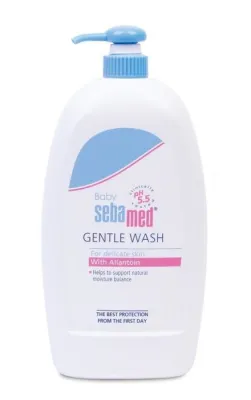
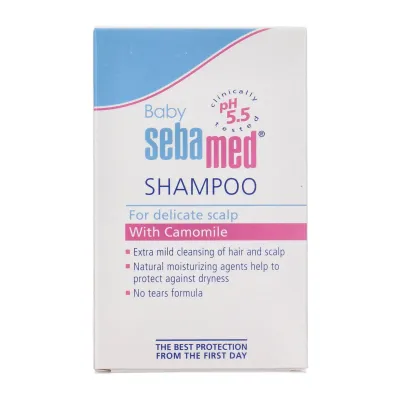
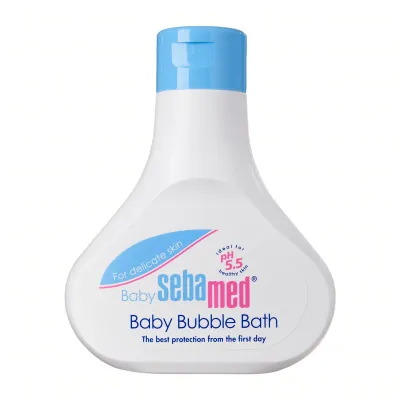
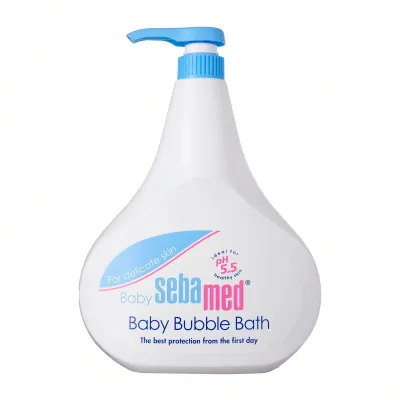
Prices are valid at publication and may change. Please refer to the product page for the latest price.
Understanding Newborn Skin and Bathing Product Safety
A newborn’s skin is vastly different from adult skin, requiring specialized care and extreme caution when selecting cleansing products. At birth, the skin barrier is still developing, making it thinner, more permeable, and highly susceptible to external irritants and moisture loss. The protective outermost layer, known as the stratum corneum, is significantly thinner in infants than in adults, which means chemicals applied to the skin are absorbed more easily into the body.
During the first few weeks of life, a baby’s skin also begins to transition from a neutral pH to a slightly acidic pH, forming what is known as the acid mantle. This acidic environment is crucial for defending against harmful bacteria and maintaining moisture. Using harsh cleansing agents can disrupt this delicate balance, stripping away natural lipids and leading to excessive dryness, irritation, or conditions like infant eczema.
General safety criteria for newborn cleansing products prioritize ultra-mild formulations that support this natural barrier. Ideal products use gentle, non-ionic surfactants that cleanse without stripping the skin. They should also be free from unnecessary additives, such as strong synthetic fragrances, artificial colorants, and harsh preservatives, which are common triggers for contact dermatitis in young infants.
Products formulated for older babies or adults are generally unsuitable for newborns. Older infants have a slightly more resilient skin barrier, meaning their products may contain stronger cleansing agents or higher concentrations of fragrance. Adult products are even more robust and often contain active ingredients, exfoliants, or preservatives that can cause immediate chemical irritation or systemic absorption issues when applied to a newborn’s highly permeable skin.
How to Verify HSA Registration for Baby Bathing Products
In Singapore, the Health Sciences Authority (HSA) regulates cosmetic products, which include baby washes, shampoos, and lotions. Unlike prescription medications, cosmetic products do not undergo a rigorous pre-market approval process by the government. Instead, importers and local manufacturers must submit a product notification to the HSA before selling the items to the public. This notification process ensures that the company responsible for the product declares compliance with local safety standards and ingredient restrictions.

To independently verify if a specific Sebamed baby wash or any other infant bathing product is officially notified in Singapore, you can use the HSA’s public database. Start by visiting the official HSA website and navigating to the “Search Registered/Notified Cosmetic Products” portal. This online tool allows consumers to search for products by brand name, product name, or the name of the importing company.
When using the portal, type “Sebamed” into the search field to view a list of notified products. Carefully compare the exact product name and variant on your bottle with the entries in the database. A successful notification indicates that the product has been officially declared to the HSA by an authorized importer, meaning it is subject to local post-market surveillance and safety monitoring.
If a specific Sebamed baby product or variant does not appear in the HSA registry, it may be an unauthorized parallel import or a product brought in through unverified channels. Formulations can differ significantly between regions to comply with different local laws, meaning an overseas version might contain ingredients not notified or permitted in Singapore. In such cases, it is safest to avoid using the product on a newborn until you can verify its origin and safety status with the manufacturer or an authorized local distributor.
Key Ingredients and Labels to Check Before First Use
Before applying any wash to your newborn, a thorough inspection of the product packaging and ingredient list is essential. First, look for explicit age recommendations provided by the manufacturer. Labels such as “suitable from birth” or “newborn safe” indicate that the formulation has been specifically designed with the vulnerabilities of neonatal skin in mind, whereas generic “baby” labels may be intended for older infants or toddlers.
Next, carefully examine the ingredient list on the back of the packaging to identify potential irritants. Even products marketed as gentle can contain ingredients that may trigger reactions in sensitive newborns. Avoid products containing sodium lauryl sulfate (SLS) or sodium laureth sulfate (SLES), as these are strong surfactants known to strip skin lipids. Additionally, look out for added fragrances (often listed as “parfum” or “fragrance”), essential oils, and certain preservatives like parabens or formaldehyde-releasing agents, which are common allergens.
Finally, always read and follow the manufacturer’s specific instructions for use. Some baby washes are highly concentrated and require dilution in bathwater rather than direct application to the skin. Other formulations may specify a thorough rinsing step to ensure no surfactant residue remains on the skin, while some may be leave-on or minimal-rinse formulas. Adhering strictly to these guidelines minimizes the risk of cumulative skin irritation.
Safe Bathing Practices and When to Stop Using a Product
Introducing a new bathing product to a newborn should always be done gradually and with careful observation. Before committing to a full-body bath, perform a simple patch test to check for localized sensitivity. Apply a very small, diluted amount of the baby wash to a tiny area of your baby’s skin, such as the inner arm or the side of the thigh, during their regular bath routine. Rinse it off as directed and monitor the area for 24 to 48 hours.
During and after bathing, keep a close eye out for observable signs of skin irritation or allergic reactions. These signs can include localized redness, dry or rough patches, scaling, tiny bumps, or hives. Additionally, if your baby becomes unusually fussy or cries during or immediately after a bath, it may indicate that the product is causing a burning or itching sensation on their skin.
If you observe any signs of irritation, take immediate action to protect your baby’s skin. Stop using the product immediately and rinse the affected area thoroughly with lukewarm, plain water to remove any lingering residue. For mild dryness, you may apply a gentle, pediatrician-approved infant moisturizer. However, if the redness persists, spreads, or is accompanied by swelling, oozing, or signs of infection, consult a pediatrician or a qualified medical professional promptly for a proper assessment.
Frequently Asked Questions (FAQ)
Does a specific pH level guarantee a baby wash is safe for newborns?
No, a specific pH level alone does not guarantee that a baby wash is completely safe for a newborn. While maintaining a slightly acidic pH of around 5.5 is beneficial for supporting the skin’s natural acid mantle and barrier function, pH is only one aspect of a product’s overall formulation. A product can be formulated at the ideal pH level but still contain harsh surfactants, synthetic fragrances, or preservatives that can irritate a newborn’s highly sensitive skin. Therefore, caregivers should evaluate the entire ingredient list and check for local regulatory notifications rather than relying solely on pH claims.
Can I use baby wash products bought from overseas e-commerce platforms in Singapore?
Using baby wash products purchased from overseas e-commerce platforms or unauthorized online marketplaces carries inherent risks. Formulations of the same brand can vary across different global markets to meet regional regulatory standards, meaning an overseas version may not match the safety profile of the product officially notified to the HSA in Singapore. Additionally, products sold through unverified online channels may bypass proper storage and transport controls, increasing the risk of product degradation or contamination. To ensure safety, it is highly recommended to purchase baby products from authorized local retailers and verify their HSA notification status.

Community discussion
Share your experience or ask a question. Comments are reviewed before publication.