
To know if a kids’ shampoo is safe and legally compliant in Singapore, you must verify its Cosmetic Product Notification status with the Health Sciences Authority (HSA) and carefully evaluate its ingredient list. Many parents look for an official “HSA-certified” seal, but the HSA does not actually certify, approve, or test cosmetic products before they are sold to the public. Instead, the regulatory framework relies on a notification system where local companies must register products before marketing them. By understanding how this system works and learning how to read ingredient labels, you can confidently select gentle, compliant bathing products that protect your child’s delicate skin.
Understanding HSA Regulations for Children's Bathing Products
Many parents search for “HSA-certified” kids’ shampoos, assuming the Health Sciences Authority runs rigorous laboratory tests on every bottle before it reaches retail shelves. In Singapore, however, the regulatory framework for cosmetic products—which includes shampoos, body washes, and baby lotions—operates differently. The HSA does not issue safety certificates, endorsements, or pre-market approvals for these items.
Instead, Singapore aligns with the ASEAN Cosmetic Directive, which requires local companies, importers, or distributors to submit a Cosmetic Product Notification to the HSA before they can market or sell any cosmetic product. This notification process serves as a formal declaration that the product complies with safety guidelines and does not contain prohibited substances. It also registers the local company as the responsible party for the product’s safety.
Products mentioned in this guide
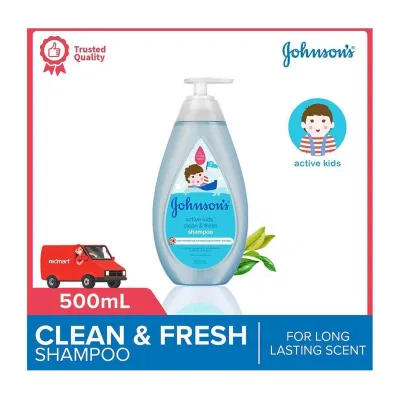
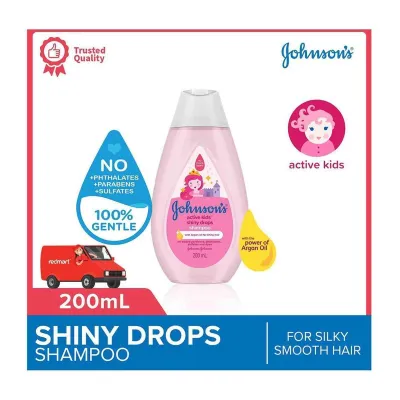
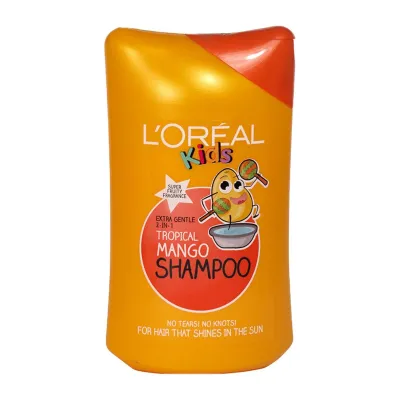
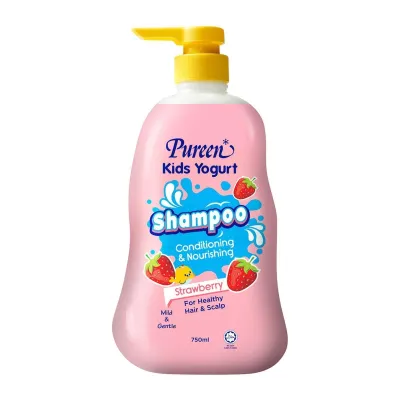
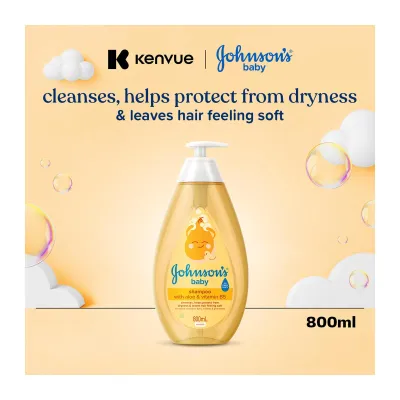
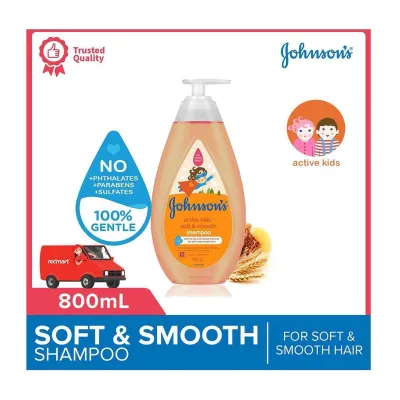
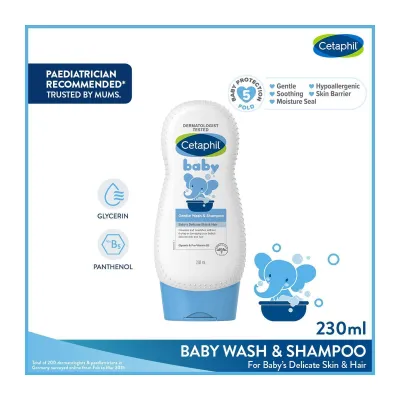
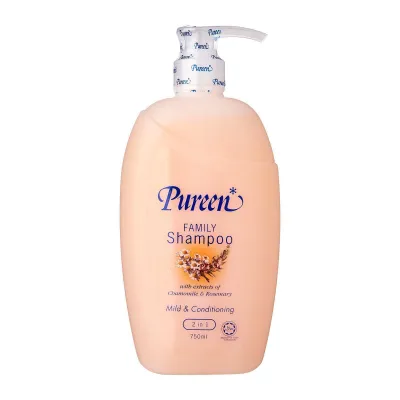
Prices are valid at publication and may change. Please refer to the product page for the latest price.
This system enables the HSA to maintain a comprehensive registry for post-market surveillance. If a safety issue arises or a consumer reports an adverse reaction, the authority can quickly trace the batch, contact the responsible local company, and initiate recalls if necessary. Ultimately, the legal responsibility for ensuring that a shampoo for kids is safe, properly labeled, and free from harmful contaminants rests entirely on the manufacturer and the local distributor.
Because there is no pre-market testing by the authority, a notification number does not mean the HSA has verified the product’s efficacy or safety claims. It simply means the company has registered the product and declared its compliance. As a consumer, this means you must remain vigilant, purchasing from reputable sources and checking the ingredients yourself.
Step-by-Step Guide to Verifying HSA Notification Status
Verifying whether a kids’ shampoo has been legally notified is a straightforward process that you can complete online. The HSA maintains a public database of notified cosmetic products, allowing consumers to verify the regulatory status of their purchases.

To begin, visit the official Health Sciences Authority website and navigate to the online search portal for cosmetic products. You can search the database using key details printed on the product packaging. Having the exact brand name, the specific product name, or the local company’s name will help narrow down the search results.
If the importer or distributor has provided a notification number on the label, you can enter this directly into the search field for immediate verification. A successful search will display the registered product name, the brand, and the name of the local company responsible for bringing the product into Singapore.
If your search yields no results, double-check the spelling or try searching by the brand name alone. Sometimes, products are registered under slightly different names than those displayed on the front label, or they may be listed under the parent company’s registration.
If the product still cannot be found in the official database, it may not have been legally notified for sale in the local market. In such cases, it is safest to stop using the shampoo immediately and contact the seller or report the product to the HSA for further investigation. Using unnotified products increases the risk of exposure to unregulated ingredients or contaminants.
Evaluating Ingredient Safety Beyond Regulatory Compliance
While a valid HSA notification confirms that a product has met basic regulatory requirements, it does not guarantee that a specific shampoo will not irritate your child’s skin. Children have thinner, more sensitive skin than adults, making it essential to read the ingredient label carefully.
When evaluating a shampoo for kids, look for mild, plant-derived surfactants that cleanse without stripping natural oils. You may want to avoid harsh sulfates, such as sodium lauryl sulfate (SLS), which can cause dryness and scalp irritation. Additionally, synthetic fragrances and certain strong preservatives, like parabens or formaldehyde-releasing agents, are common triggers for contact dermatitis in young children.
Marketing claims on the front of the bottle can sometimes be misleading. Terms like “tear-free,” “hypoallergenic,” or “dermatologically tested” are not standardized medical definitions. “Tear-free” usually means the formula uses non-ionic surfactants that are less likely to sting the eyes, but it is still wise to prevent direct eye contact. “Hypoallergenic” simply suggests the product is formulated with fewer known allergens, but individual sensitivities can still occur.
Always inspect the packaging for a complete, legible ingredient list, which is a legal requirement for notified products. Check for a clear expiration date or a Period-After-Opening (PAO) symbol, which looks like an open jar with a number followed by the letter “M” (such as 12M). This symbol indicates how many months the product remains safe to use after it has been opened.
To minimize the risk of a widespread reaction, consider performing a simple patch test before using a new shampoo. Apply a tiny amount of the diluted shampoo to a small patch of skin on your child’s inner arm or behind the ear during bath time, rinse it off, and monitor the area for 24 to 48 hours for any signs of redness or irritation.
Recognizing Adverse Reactions and When to Seek Help
Even when using a notified and gently formulated shampoo, children can occasionally experience adverse skin reactions. Monitoring your child’s scalp and skin during and after bath time is key to identifying potential sensitivities early.
Watch for observable signs of irritation or contact dermatitis, which typically present as redness, persistent itching, dry or flaky patches on the scalp, or a raised red rash. In some cases, your child might complain of a burning or stinging sensation during washing, or you might notice mild swelling around the hairline.
If you suspect a reaction, take immediate, low-risk steps to minimize discomfort. Thoroughly rinse your child’s hair and scalp with lukewarm, clean water to remove any remaining product residue. Discontinue using the shampoo immediately and switch to plain water or a known safe, ultra-gentle alternative for subsequent baths.
It is also helpful to document the reaction. Take clear photos of the irritated skin and keep the shampoo bottle, noting the batch number and expiration date. This information can be invaluable if you need to consult a healthcare professional or report the issue to the distributor.
While mild irritation often resolves once you stop using the offending product, some situations require professional medical attention. If the redness or rash spreads, develops blisters, oozes, or does not improve after a few days of discontinuing the shampoo, stop home care. Consult a pediatrician or a dermatologist to get an accurate diagnosis and appropriate treatment.
Frequently Asked Questions (FAQ)
Do imported kids' shampoos need HSA notification?
Yes, any cosmetic product sold commercially in Singapore, including imported kids’ shampoos, must be notified to the HSA by the local importer or seller before it can be distributed. However, if you purchase a shampoo from an overseas website for personal, non-commercial use, it does not go through this notification process. Keep in mind that personal imports carry a higher risk, as they bypass local regulatory checks and may not have a local representative accountable for safety.
What should I do if I suspect a counterfeit kids' shampoo?
If you notice unusual packaging, spelling errors, a strange consistency, or an unexpected chemical smell, stop using the product immediately. Avoid purchasing children’s bath products from unverified sellers on online marketplaces or informal social media groups. To report suspected counterfeit or non-compliant products, contact the HSA through their official reporting channels, and always buy from authorized retailers or official brand stores to ensure product authenticity.
Community discussion
Share your experience or ask a question. Comments are reviewed before publication.