
Introducing solid foods is an exciting milestone in your baby’s development, and exploring diverse flavors can help shape healthy eating habits.
Seaweed has become a popular ingredient among parents looking to expand their infant’s palate. Known for its unique savory taste, this marine plant offers a variety of essential minerals and vitamins that can support early growth.
However, because an infant’s digestive and renal systems are still developing, introducing seaweed requires careful attention to portion sizes, sodium levels, and preparation methods.
Products mentioned in this guide
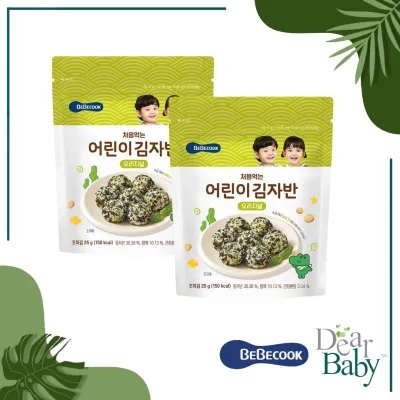
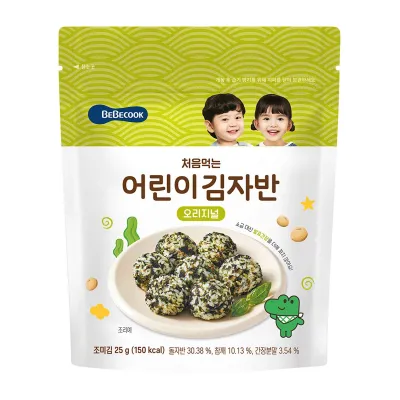
![[Single] BeBecook - My First Sun-Dried Seaweed Mix (Original | Seafood & Vegetables) 25g](https://img.lazcdn.com/g/p/8ef7bcd181b15f6d68d1e53a9dcc2250.jpg_400x400q80.jpg_.webp)
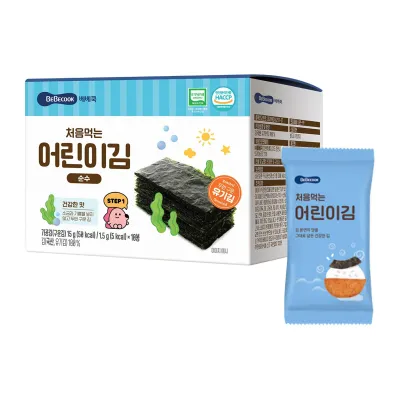
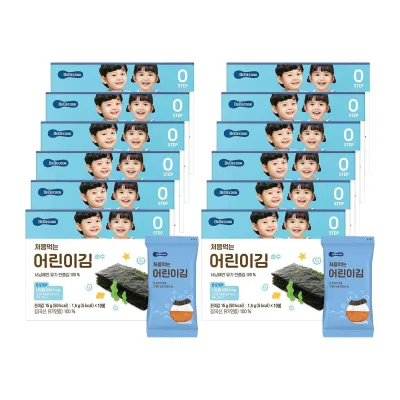
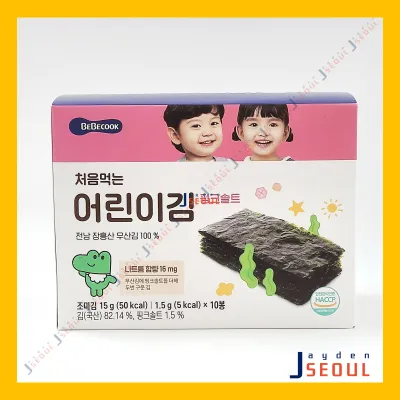
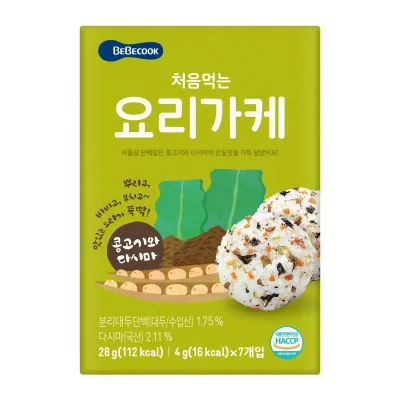
Prices are valid at publication and may change. Please refer to the product page for the latest price.
Evaluating specific commercial options, such as Bebecook seaweed, involves looking closely at product labels to ensure they align with pediatric dietary guidelines.
Why Seaweed is Considered for Baby Food
Seaweed is highly regarded in many culinary traditions for its dense nutritional profile. For growing infants, it serves as a natural source of several key minerals that are essential for early development.
In particular, seaweed typically contains iodine, iron, calcium, and vitamins such as vitamin A and various B vitamins. These nutrients play distinct roles in supporting your baby’s rapid physical growth and cognitive development during the weaning phase.
Iodine is perhaps the most notable nutrient found in seaweed. It is a critical component required for the synthesis of thyroid hormones, which regulate metabolism, brain development, and overall growth in infants.
Iron is another vital mineral, especially around the six-month mark when a baby’s natural iron stores begin to deplete and must be replenished through solid foods. Calcium supports the rapid development of bones and teeth during this active stage of infancy.
Most pediatric guidelines suggest that babies can be introduced to seaweed once they have successfully transitioned to solid foods, typically around six to eight months of age. At this stage, their digestive systems are increasingly capable of handling more complex textures and flavors.
However, because seaweed is highly concentrated in certain minerals, it should be introduced gradually and in very small quantities to monitor how your baby tolerates it.
Critical Factors When Choosing Seaweed for Infants
When selecting seaweed products for your baby, the nutrition label is your most important tool. The primary concern for parents should be the sodium content, as infant kidneys are immature and cannot efficiently process high amounts of salt.

Many commercial seaweed products designed for adults are heavily salted, making them entirely unsuitable for babies. Choosing unsalted or extremely low-sodium options is essential to protect your baby’s renal health.
Iodine levels also require careful monitoring. While iodine is necessary for thyroid function, an excess of it can lead to thyroid dysfunction.
Because different species of seaweed contain varying concentrations of iodine, it is crucial to check if the manufacturer provides specific iodine information on the packaging. Balancing this intake means serving seaweed as an occasional accent rather than a daily staple.
Additives, preservatives, and seasonings are other critical factors to evaluate. Many packaged seaweed snacks contain added sugars, monosodium glutamate (MSG), artificial flavors, or low-quality oils to enhance taste and shelf life.
For an infant, these ingredients are unnecessary and potentially harmful. Parents should prioritize products with minimal, clean ingredient lists that avoid artificial additives entirely.
Finally, the physical texture of the seaweed must be appropriate for your baby’s developmental stage. Dry, papery sheets of seaweed can easily stick to the roof of a baby’s mouth or the back of their throat, presenting a serious choking hazard.
The product must be in a form that can be easily dissolved, finely crushed, or mixed into soft foods to ensure safe swallowing.
How to Evaluate Bebecook Seaweed Products
Bebecook is a well-known brand in the baby food market, offering products specifically formulated for infants and toddlers. When considering Bebecook seaweed, parents should apply a systematic evaluation framework by carefully reading the product packaging.
Do not rely solely on the brand name or marketing claims; instead, verify the exact specifications printed on the label.
Start by examining the ingredient list on the Bebecook packaging. Look for products that specify the use of organic or high-quality seaweed with no added salt, sugar, or chemical preservatives.
Some baby-specific seaweed products may include natural flavor enhancers like calcium or oil derived from sesame or canola, so you must decide if these additions align with your feeding preferences and your baby’s age.
Next, check the nutrition facts panel for precise values. Look at the sodium content per serving and compare it to the recommended daily intake for your baby’s age group.
If the packaging lists the iodine content, verify that a single serving does not exceed the safe upper limit for infants. Additionally, check for allergen warnings, as some seaweed products are processed in facilities that also handle sesame, soy, or shellfish, which could trigger allergic reactions in sensitive babies.
Always verify the manufacturer’s age suitability guidelines printed on the Bebecook package. These recommendations are designed based on the texture and nutritional composition of the product.
Compare these details against general pediatric advice to ensure the product is appropriate for your baby’s current developmental stage and chewing capabilities.
Safe Preparation and Serving Guidelines
To safely incorporate seaweed into your baby’s diet, strict portion control is essential. Because of the high concentration of minerals like iodine and sodium, seaweed should only be offered in small, controlled amounts.
A tiny sprinkle of finely crushed seaweed over a meal is often sufficient to provide flavor and nutrients without overloading your baby’s system.
Proper preparation is key to minimizing choking risks. For younger babies, rehydrating dried seaweed in water or broth until it is completely soft is a safe approach.
Alternatively, you can finely grind dry baby seaweed sheets and mix the powder directly into warm porridge, vegetable purees, or mashed grains. This ensures the seaweed blends seamlessly with familiar textures, making it easier for your baby to swallow.
Whenever you introduce a new food like seaweed, closely supervise your baby during the meal. Watch for any immediate signs of difficulty swallowing or gagging.
It is also important to monitor your baby for several days after introduction to check for signs of an allergic reaction, such as skin rashes, hives, vomiting, or changes in stool consistency.
If you observe any adverse reactions, digestive discomfort, or signs of physical distress, stop feeding the seaweed immediately.
Consult a pediatrician or a qualified healthcare professional to address any concerns. Always seek professional medical advice if you are unsure about how to balance seaweed with your baby’s overall nutritional needs.
Frequently Asked Questions (FAQ)
Can babies eat roasted seaweed snacks meant for adults?
No, babies should not eat roasted seaweed snacks formulated for adults. Adult seaweed snacks are typically processed with high amounts of salt, monosodium glutamate (MSG), and heavy oils to appeal to adult palates.
These high sodium levels can strain an infant’s developing kidneys, and the added oils and seasonings can upset their sensitive digestive systems. Additionally, adult seaweed sheets are often tougher and cut into sizes that pose a significant choking hazard for young children.
How often should seaweed be included in a baby's weekly diet?
Seaweed should be treated as an occasional ingredient rather than a daily dietary staple. Including it once or twice a week in very small amounts is generally sufficient to offer nutritional variety without the risk of iodine or sodium overload.
Rotating seaweed with other nutrient-rich vegetables, such as spinach, broccoli, and sweet potatoes, ensures your baby receives a balanced spectrum of vitamins and minerals. If you have specific questions about your baby’s nutritional balance, consult a pediatrician for personalized guidance.

Community discussion
Share your experience or ask a question. Comments are reviewed before publication.