
When shopping for a foldable baby bed in Singapore, ensuring the product meets rigorous safety standards is the most critical step for any parent or caregiver. While Singapore does not classify foldable baby beds as “controlled goods” requiring mandatory pre-market registration, these products must comply with the Consumer Protection (Consumer Goods Safety Requirements) Regulations (CGSR). To guarantee a safe sleep environment, a foldable baby bed should ideally carry recognized international safety certifications such as the European standard EN 716, the American ASTM F406, or the Australian/New Zealand AS/NZS 2195. Verifying these certifications, alongside performing physical safety checks on the locking mechanisms and mattress firmness, is essential before introducing any portable crib into your home.
Understanding Singapore's Consumer Product Safety Requirements
In Singapore, the safety of general consumer products, including nursery furniture and infant bedding, is overseen by the Consumer Product Safety Office (CPSO), which is safeguarded under Enterprise Singapore. The CPSO plays a vital role in monitoring the market, investigating safety complaints, and issuing safety alerts or recalls for products that pose a hazard to consumers. Understanding how this regulatory body operates helps parents navigate the local retail landscape and make informed purchasing decisions.
The regulatory framework distinguishes between “controlled goods” and “general consumer goods.” Controlled goods, such as household electrical appliances and gas devices, require mandatory registration and the safety mark before they can be sold. Foldable baby beds, cots, and playpens generally fall under the category of general consumer goods. This means they do not require pre-market approval or a physical safety mark from the CPSO, but they must comply with the CGSR, which mandates that all consumer goods sold in Singapore must not present any safety hazards and should align with international standards.
Products mentioned in this guide
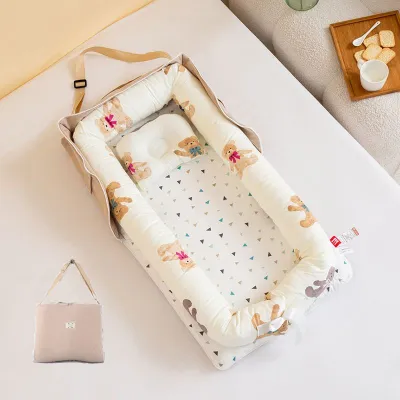
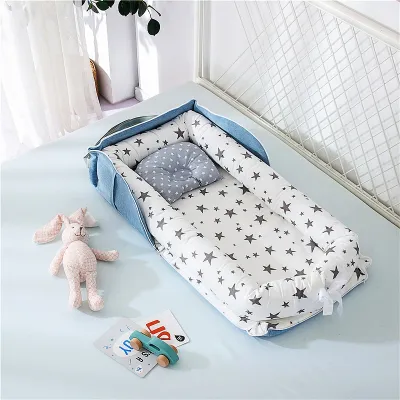
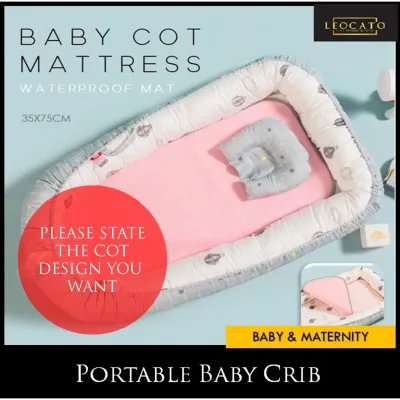
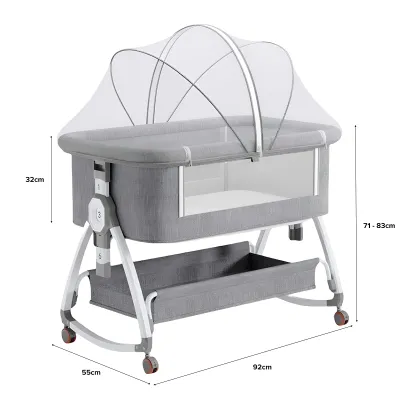
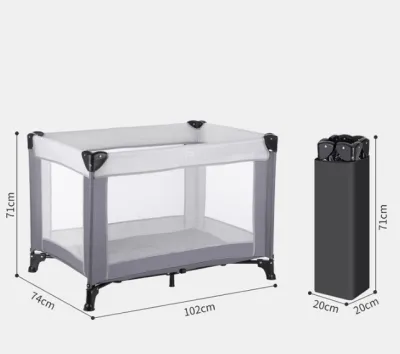
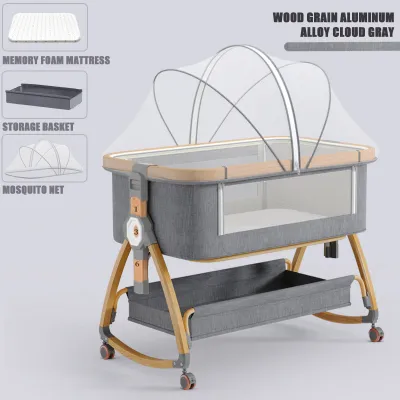
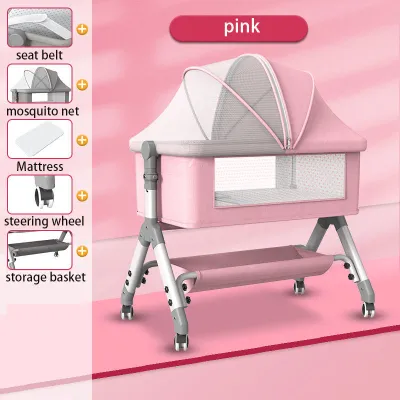
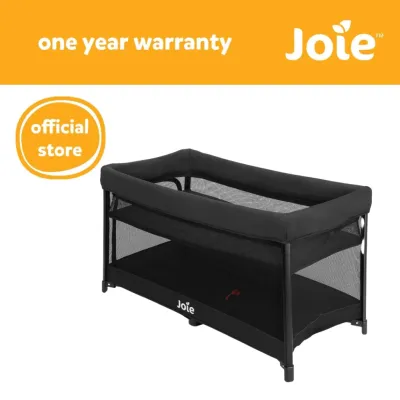
Prices are valid at publication and may change. Please refer to the product page for the latest price.
Because there is no mandatory local registration database for foldable baby beds, the responsibility of verifying safety often rests on the consumer. Parents can actively check the CPSO website for safety advisories, product alerts, and consumer product recall lists to ensure a specific brand or model has not been flagged for safety defects. Additionally, checking international recall databases, such as those in the United States, Europe, or Australia, provides an extra layer of security, as many foldable baby beds sold in Singapore are imported from global manufacturers.
Recognizing International Safety Standard Labels
Since Singapore’s local regulations point to international benchmarks, looking for specific international safety standard labels on product packaging, labels, or instruction manuals is the most reliable way to verify a foldable baby bed’s safety. The most common and highly regarded standard for folding cots is the European standard EN 716 (specifically EN 716-1 and EN 716-2), which outlines safety requirements and test methods for children’s cots and folding cots for domestic use. This standard ensures the bed has undergone rigorous testing for structural stability, impact resistance, and entrapment hazards.

Another widely recognized standard is the American ASTM F406, which covers non-full-size baby cribs and play yards. This standard places heavy emphasis on the strength of the folding mechanism, the height of the side rails, and the prevention of accidental folding. For products imported from or designed for the Australasian market, the AS/NZS 2195 standard is the applicable benchmark, known for its exceptionally strict requirements regarding mattress firmness, breathability, and thermal comfort, which are highly relevant in Singapore’s warm and humid climate.
When examining a product, it is important to distinguish between a manufacturer’s self-declaration of compliance and independent, third-party testing. A self-declaration is simply a claim made by the brand, whereas a third-party certification indicates that an accredited testing laboratory, such as TÜV SÜD, SGS, or Intertek, has independently verified the product’s compliance. Parents should not hesitate to ask retailers or distributors for a copy of the product’s Declaration of Conformity or the official test reports, which should clearly state the specific standards met and the testing laboratory involved.
Critical Physical Safety Checks for Foldable Mechanisms
While paper certifications provide peace of mind, performing physical safety checks on a foldable baby bed is an indispensable step to ensure the product is safe for daily use. The folding mechanism itself is one of the most critical areas to inspect. A safe foldable baby bed must feature a secure, dual-action locking system that requires two separate, deliberate, and sequential physical actions to release. This design prevents the bed from accidentally collapsing if a child bumps into the frame or if a caregiver accidentally presses a single release button.
The sleep surface is another vital area that requires close inspection, particularly to prevent the risk of Sudden Infant Death Syndrome (SIDS) and suffocation. The mattress supplied with the foldable baby bed must be exceptionally firm; it should not conform to the shape of the baby’s head or face. When you press your hand down on the mattress, it should spring back immediately without leaving an indentation. Furthermore, there must be no dangerous gaps between the mattress and the fabric sides of the bed. A gap wider than 30 millimeters can present a severe entrapment hazard where a baby’s head or limbs could become wedged.
Caregivers must also inspect the entire structure for potential physical hazards such as pinching, strangulation, or entrapment. Check that all fabric seams are securely stitched with no loose threads that could wrap around a baby’s fingers or neck. Ensure that all hinges, joints, and folding brackets are completely covered or designed in a way that prevents tiny fingers from getting pinched during assembly or use. Any small detachable parts, such as zipper pulls, toy bar attachments, or decorative elements, must be securely fastened and checked regularly to prevent them from becoming choking hazards.
Your Pre-Purchase Verification Checklist
To streamline your decision-making process when shopping at local boutiques or browsing online marketplaces, having a structured pre-purchase verification checklist can help you filter out unsafe products. Before finalizing your purchase, ask the retailer direct questions about the product’s origin, import documentation, and local warranty support. A reputable seller should be able to provide clear answers regarding which international safety standards the foldable baby bed complies with and offer documentation to back up their claims.
Always locate and read the manufacturer’s physical warning labels, which are typically printed directly onto the fabric of the bed or the mattress base. These labels contain crucial information regarding age, weight, and developmental limits, such as when to stop using the bassinet insert or when to transition the child out of the foldable bed entirely. Ensure the product includes a comprehensive, clear assembly manual in English, as incorrect assembly is a major cause of structural failures and accidents.
If a product listing on an ecommerce platform lacks clear safety certifications, test reports, or user manuals, or if the seller is evasive when asked for proof of compliance, it is highly recommended to avoid the purchase. In the absence of verifiable safety documentation, look for alternative models from established brands that prioritize transparency and provide easily accessible safety records. Investing in a well-documented product ensures you are providing a secure sleep environment for your child.
Frequently Asked Questions (FAQ)
Are second-hand foldable baby beds safe to use?
Buying a second-hand foldable baby bed carries inherent risks that require careful consideration. Over time, the locking mechanisms of folding cots can degrade, plastic joints can become brittle, and fabric seams can weaken, increasing the risk of sudden structural collapse. Older models may also comply with outdated safety standards that do not reflect current best practices for infant sleep safety. If you choose to use a pre-loved bed, you must thoroughly inspect every joint, lock, and fabric panel, verify that all original parts and the instruction manual are present, and cross-reference the model number with international recall databases. If the bed shows any signs of wear, loose joints, or missing components, it should be rejected immediately.
Is a foldable baby bed suitable for unsupervised overnight sleep?
Whether a foldable baby bed is suitable for unsupervised overnight sleep depends entirely on the manufacturer’s specific guidelines and the design of the product. Many portable travel cots are designed primarily for temporary, supervised use during travel or naps, and their mattresses may be thinner to facilitate folding, which might not provide optimal support for extended overnight sleep. Always consult the product manual to see if the manufacturer explicitly approves the bed for overnight sleeping. Additionally, ensure the mattress is firm and fits snugly without any gaps, and transition your baby to a standard, full-sized wooden crib once they reach the manufacturer’s specified weight limit or begin to push up on their hands and knees.
What should I do if the folding mechanism feels loose or sticks?
If you notice that the folding mechanism of your baby bed feels loose, fails to lock securely, or sticks during assembly, you must stop using the bed immediately and remove your child from the sleep environment. A compromised locking mechanism poses an immediate risk of collapse, which can lead to severe physical injury or entrapment. Do not attempt to apply household lubricants, WD-40, or unauthorized adhesives to the joints, as these can degrade the plastic components, attract dirt that worsens the sticking, or introduce toxic chemical residues that your baby might inhale or ingest. Instead, contact the manufacturer or the authorized retailer in Singapore to inquire about professional servicing, replacement parts, or a warranty claim.

Community discussion
Share your experience or ask a question. Comments are reviewed before publication.