
Selecting the right feeding tools is a milestone in your baby’s development, marking the transition to solid foods around six months of age. While silicone has become a staple in modern kitchens due to its flexibility and durability, not all silicone products are manufactured to the same standards. To ensure a silicone bowl is safe for your baby, you must look beyond appealing colors and focus on verified material purity, recognized food-contact certifications, robust physical design, and clear manufacturer usage guidelines. Caregiver supervision remains essential during every meal, and understanding how to verify these safety indicators is the first step in establishing a secure feeding environment.
Decoding Material Labels and Marketing Claims
When browsing for baby tableware, parents frequently encounter terms like “food-grade” or “medical-grade” on product packaging. While these terms suggest a high level of purity, they are often used as marketing descriptors rather than legally binding guarantees. Generic silicone products may contain chemical fillers or plasticizers to reduce manufacturing costs, which can compromise the material’s safety and durability. To make an informed choice, you must look for explicit manufacturer declarations regarding the absence of harmful substances.
A reliable silicone bowl should carry clear labels indicating it is free from bisphenol A (BPA), bisphenol S (BPS), phthalates, lead, and polyvinyl chloride (PVC). These chemicals are known to pose health risks to developing infants, and their absence is a critical baseline for any food-contact item. However, simply reading these claims on a box is not enough, as marketing labels alone do not guarantee safety without supporting documentation or independent testing.
Products mentioned in this guide
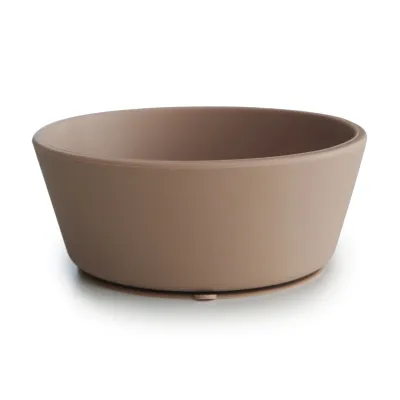
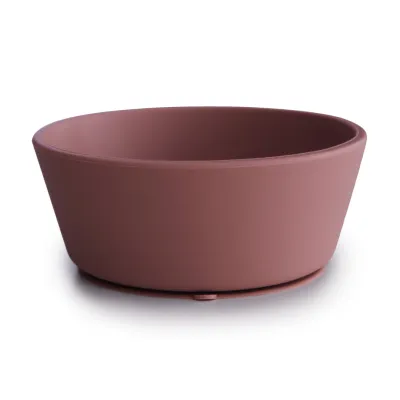
![[SG SELLER]1 Set Baby Bowl Food Grade Silicone Bowls & Spoon (Comes with Box) BLW Feeding Bowls Handle High Temperature](https://img.lazcdn.com/g/p/755636e97c133bf5e4761a8119c69a66.jpg_400x400q80.jpg_.webp)
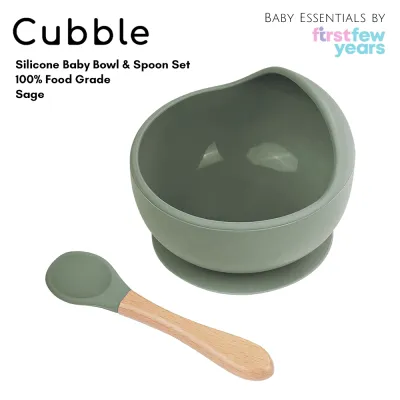
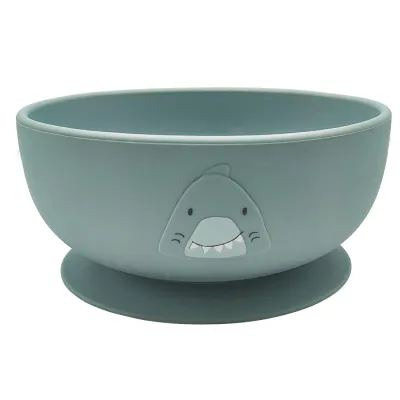
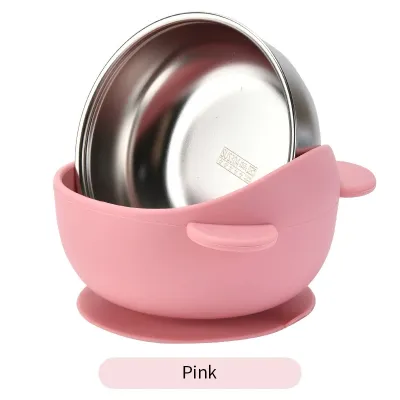
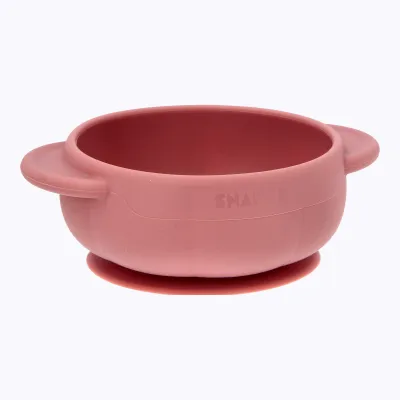
Prices are valid at publication and may change. Please refer to the product page for the latest price.
To perform a quick physical check at home, you can use the “pinch test,” which involves twisting or pinching a flat surface of the silicone bowl. If the pinched area turns white, it often indicates the presence of cheap plastic fillers, as pure silicone does not change color when stretched. While this test is a helpful screening tool, it is not a scientific guarantee of safety, and parents should always prioritize verified manufacturer documentation over informal home tests.
Locating and Verifying Safety Certifications
Independent testing by recognized regulatory bodies is the most reliable way to verify the safety of a silicone baby bowl. The two primary standards for food-contact silicone are established by the United States Food and Drug Administration (FDA) and the European Union’s LFGB (Lebensmittel-, Bedarfsgegenstände- und Futtermittelgesetzbuch). Both frameworks set strict limits on the substances that can migrate from the silicone into food, but they employ different testing methodologies.

FDA standards establish a baseline safety level for food-contact materials, ensuring they do not transfer harmful quantities of chemicals under normal use. In contrast, LFGB standards are generally considered more rigorous, requiring tougher testing protocols for volatile organic compounds and extractable substances. While both standards are acceptable, products that meet LFGB requirements offer an extra layer of reassurance, particularly when used for hot foods or repeated heating.
To verify these certifications, look for official compliance marks or standard numbers printed directly on the base of the bowl or the outer packaging. Be cautious of generic “safety approved” badges or self-made logos that do not reference a specific regulatory standard or testing body. Legitimate manufacturers will clearly state which standards their products meet, such as FDA 21 CFR 177.2600 or LFGB compliance.
For complete peace of mind, you can cross-reference these certification claims by visiting the manufacturer’s official website or contacting their customer service. Reputable brands often make their third-party laboratory test reports—issued by accredited bodies like SGS, TÜV, or Intertek—available to the public. If a manufacturer cannot or will not provide these reports upon request, it is best to choose a different product for your baby.
Inspecting Physical Design and Build Quality
Beyond material purity, the physical design of a silicone bowl plays a direct role in your baby’s safety and comfort during self-feeding. A key feature to evaluate is the suction base, which is designed to keep the bowl firmly attached to the high chair tray or dining table. A strong suction mechanism prevents the baby from tipping the bowl over, reducing the risk of spills, messes, and potential burns from warm food. Test the suction on a smooth, non-porous surface before use, keeping in mind that textured wood or matte finishes may reduce its effectiveness.
The edges and rims of the bowl must also be inspected carefully. During the weaning process, babies often explore their tableware using their hands, lips, and gums. Ensure that all edges are perfectly smooth, rounded, and free from sharp manufacturing seams or rigid plastic inserts. Any rough spots can irritate your baby’s sensitive mouth or scratch their face as they attempt to scoop food or lift the bowl.
Material thickness and structural integrity are equally important for safe handling. The bowl should be flexible enough to withstand drops without cracking, yet rigid enough to maintain its shape when filled with warm purees or liquids. If the walls of the bowl are too thin or flimsy, the vessel may collapse when lifted by a caregiver or a child, leading to sudden spills and potential hazards.
Always perform a thorough physical inspection immediately after purchasing a new bowl. Check for any loose silicone fragments, manufacturing defects, or strong chemical odors, which can indicate poor quality control or inadequate curing during production. Wash the bowl thoroughly with mild soap and warm water before using it for the first time, and always supervise your baby closely during meals.
Setting Safe Usage and Cleaning Boundaries
To maintain the safety and longevity of a silicone baby bowl, you must strictly adhere to the manufacturer’s usage and cleaning instructions. Although high-quality silicone is known for its heat resistance, every product has specific temperature thresholds that must not be exceeded. Locate these maximum temperature limits—typically printed on the packaging or the product base—before exposing the bowl to microwaves, ovens, or boiling water.
Cleaning methods also require careful attention to prevent material degradation over time. While many silicone bowls are labeled as dishwasher-safe, manufacturers often recommend placing them on the top rack to keep them away from the intense, direct heat of the bottom heating element. Avoid using abrasive scrubbing pads, harsh chemical detergents, or scented dish soaps, as silicone can absorb strong fragrances and transfer them to your baby’s food.
Establish clear boundaries for when to retire a silicone bowl from use. Over time, exposure to high temperatures, UV light, and certain acidic foods can cause the material to break down. If you notice any signs of physical degradation, such as surface stickiness, deep scratches, persistent odors, or a loss of suction, stop using the bowl immediately. If the care instructions provided by the retailer conflict with the physical labels on the product, consult the manufacturer directly for clarification before continuing use.
Frequently Asked Questions (FAQ)
Is it safe to sterilize every silicone baby bowl in boiling water?
Not all silicone baby bowls are designed to withstand boiling water or steam sterilization. While pure silicone has high heat tolerance, some bowls feature integrated plastic bases, suction valves, or decorative elements that can warp or degrade under extreme heat. Always check the product packaging or the manufacturer’s instruction manual for explicit sterilization guidelines, and never assume that all silicone items share the same heat limits.
What are the visible signs that a silicone bowl needs to be replaced?
You should replace a silicone baby bowl immediately if you observe deep scratches, which can harbor harmful bacteria and make thorough cleaning difficult. Other warning signs include a sticky or tacky surface texture, persistent soapy odors or chemical tastes, unexplained discoloration, or a complete loss of suction capability. Regular inspections before each feeding session will help you identify these signs of wear and ensure your baby’s safety.

Community discussion
Share your experience or ask a question. Comments are reviewed before publication.