
When shopping for a portable crib, the most critical safety certifications to look for are those from recognized international standards organizations, such as ASTM International (specifically ASTM F406) or the European Committee for Standardization (EN 716). In Singapore, consumer goods must comply with safety expectations monitored by Enterprise Singapore. These certifications guarantee that the crib has undergone rigorous third-party testing to evaluate structural integrity, material safety, and design hazards. Ensuring your travel crib carries these verified marks is the single most effective way to protect your infant from risks like accidental collapse, entrapment, and suffocation.
Why Safety Certifications Matter for Portable Cribs
Portable cribs, often referred to as travel cribs or playards, are designed with convenience in mind. They feature lightweight frames, folding joints, and fabric or mesh walls that allow them to be packed down into compact carrying cases. However, these very design elements introduce unique structural and usage risks that are not present in traditional, rigid wooden nursery cribs. Because portable cribs rely on joints that lock and unlock, any mechanical failure or design flaw could lead to an accidental collapse while a baby is sleeping inside.
Third-party safety testing is essential because it subjects these folding mechanisms to rigorous stress tests. Testing laboratories simulate repeated folding and unfolding, apply heavy loads, and test the locking mechanisms to ensure they cannot be easily disengaged by a child or through normal movement. Furthermore, the soft, flexible sides of a portable crib present a different set of hazards than solid wooden slats. If the mesh is too loose or the fabric is not sufficiently breathable, a sleeping infant who rolls against the side could face a high risk of suffocation.
Products mentioned in this guide
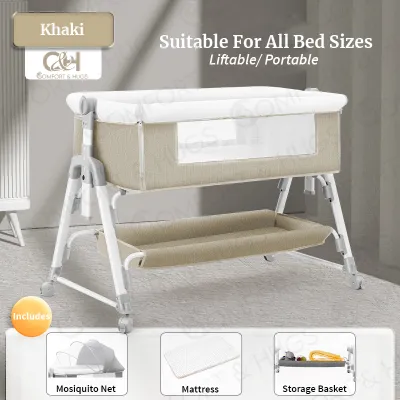
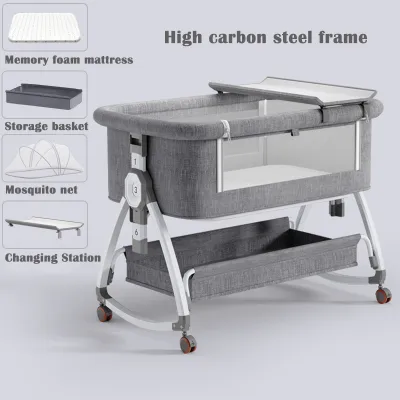
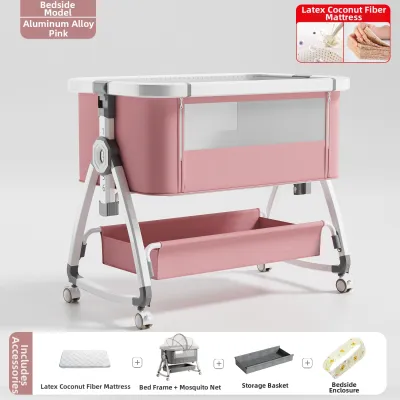
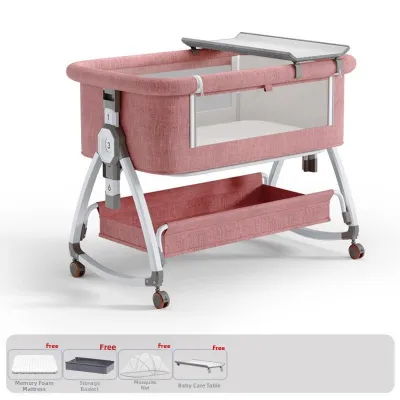
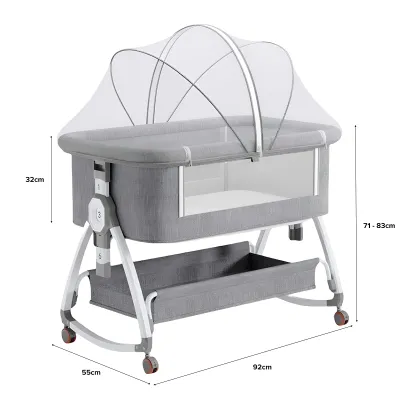
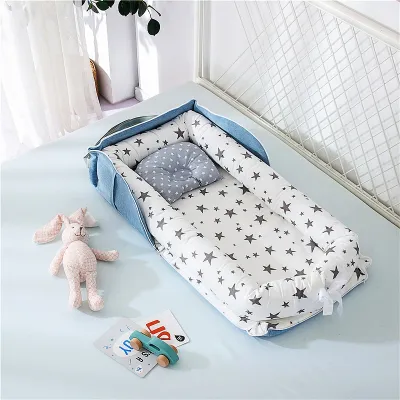
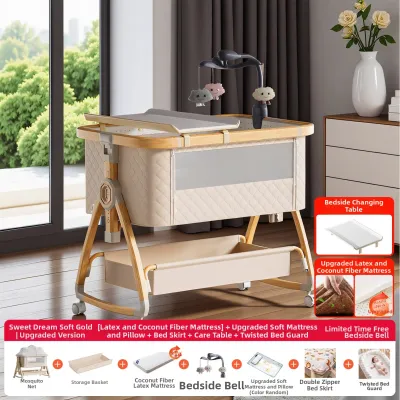
Prices are valid at publication and may change. Please refer to the product page for the latest price.
Formal safety certifications indicate that a product has been independently verified to resist these specific hazards. Certified cribs are tested for entrapment risks, ensuring there are no gaps where a baby’s head, limbs, or fingers could become stuck. They are also evaluated for chemical safety, verifying that the fabrics, plastics, and metals used do not contain harmful levels of lead, phthalates, or flame retardants. It is crucial for parents to understand that marketing terms like “baby-safe,” “non-toxic,” or “eco-friendly” are not regulated legal terms and do not replace formal structural safety testing marks.
Common Safety Standards to Look For on Labels
When evaluating a portable crib, you should look for physical labels permanently attached to the product or printed on its packaging. The most widely recognized international standards for portable cribs and playards are ASTM F406 (developed by ASTM International) and EN 716 (developed by the European Committee for Standardization). These standards outline strict requirements for mattress thickness, side height, mesh opening sizes, and structural stability. If a product claims to meet these standards, the specific standard code should be clearly visible on the product’s tracking label.

A legitimate safety label does more than just list a standard code; it provides essential traceability information. When inspecting a portable crib, locate the permanent fabric label, which is typically sewn into the floor or side of the crib. This label should display the manufacturer’s name, the specific model number, the manufacturing date, and the location of the manufacturing facility. It should also identify the independent testing laboratory that certified the product, such as Underwriters Laboratories (UL), Intertek, or SGS.
Before finalizing a purchase, it is highly recommended to cross-check the safety standards mentioned on the retail box with the manufacturer’s official user manual. Discrepancies between marketing materials and the actual instruction manual can be a red flag. The user manual should explicitly state the safety standards the product complies with and provide detailed instructions on how to maintain that compliance during assembly and use.
How to Verify Safety Claims and Local Compliance in Singapore
In Singapore, consumer product safety is a high priority, and parents must take active steps to verify that the baby gear they purchase complies with local expectations. Enterprise Singapore acts as the safety authority, monitoring consumer goods to ensure they do not pose a hazard to users. While some products require specific safety marks, portable cribs sold by reputable local retailers must meet general safety standards. Parents should look for products that are registered or compliant with the Consumer Protection (Safety Requirements) Regulations where applicable.
To validate a manufacturer’s safety claims, do not rely solely on the text printed on the retail box. Visit the manufacturer’s official website and look for a dedicated safety or compliance section. Reputable brands often provide downloadable Children’s Product Certificates (CPC) or official test reports from accredited laboratories. These documents prove that the specific model you are buying has been tested and passed all relevant safety criteria. If a brand does not make these certificates available or refuses to provide them upon request, this is a strong indicator that the product may not have undergone proper testing.
It is particularly important to exercise caution when shopping on third-party online marketplaces or ecommerce platforms. Many unverified sellers list imported portable cribs that have not been vetted for safety or compliance with local standards. These listings often feature generic descriptions, translated user manuals, and unverified safety claims. Always purchase from authorized distributors or reputable local retailers who can verify the supply chain and safety compliance of their inventory.
Physical Safety Features to Inspect Beyond Certifications
While certifications provide peace of mind, they are not a guarantee against manufacturing defects, shipping damage, or incorrect assembly. Parents must perform a physical inspection of the portable crib before placing a baby inside. The first feature to evaluate is the folding mechanism. A safe portable crib must feature secure, double-action locks. This means that folding the crib requires two distinct, intentional actions (such as pressing a button while lifting a rail) to prevent the frame from collapsing if a child bumps into the locking joint.
Next, carefully inspect the mattress fit. Portable crib mattresses are intentionally thin and firm to prevent suffocation. You must only use the mattress that was supplied by the manufacturer specifically for that exact crib model. Do not add extra mattresses, pillows, or soft bedding to make the crib “cozier.” To check the fit, place the mattress in the crib and ensure there are no gaps between the mattress edge and the fabric walls. A gap wider than two fingers is highly dangerous, as an infant can roll into the gap and become trapped, leading to suffocation.
The mesh or soft fabric sides also require close inspection. The mesh should be tightly woven with openings small enough that buttons on a baby’s clothing cannot catch in them, and fingers cannot get pinched. The fabric must be securely attached to the frame without any loose seams, fraying threads, or exposed staples. Press against the mesh sides to evaluate their structural rigidity; they should be taut enough to prevent a baby’s face from becoming pocketed in the fabric if they roll against the side. Additionally, check the overall stability of the frame. The crib should have a low center of gravity and a wide base to prevent tipping when the baby moves or stands. If the crib has wheels, ensure they have reliable locking mechanisms that prevent the crib from moving during use.
Warning Signs and When to Stop Using the Crib
A portable crib that was perfectly safe when first purchased can become hazardous over time due to wear and tear, improper storage, or the child’s physical development. Parents must regularly inspect the crib for physical damage indicators. Stop using the crib immediately if you notice torn mesh, bent or cracked metal frames, exposed hardware, or malfunctioning locking joints. If a locking mechanism becomes stiff, loose, or fails to engage with a clear “click,” the crib is no longer safe for sleep.
Another critical step in maintaining safety is staying informed about official product recalls. In Singapore, you can monitor product safety alerts and recalls through Enterprise Singapore’s consumer protection portal. Manufacturers also issue recall notices directly on their websites. When you purchase a portable crib, fill out and mail the product registration card or register the purchase online. This ensures the manufacturer can contact you directly in the event of a safety recall.
Finally, you must strictly adhere to the manufacturer’s weight, height, and developmental stage limits, which are typically printed on a warning label on the crib itself. Portable cribs are not designed for long-term, permanent use as a child grows into a toddler. Most portable cribs have a weight limit of around 14 kilograms, but developmental milestones are often more important than weight. Stop using the portable crib as soon as your baby shows signs of being able to climb out, or when they reach a height where the top rail is below their mid-chest level when standing. Using the crib beyond these limits significantly increases the risk of falls and serious injury.
Frequently Asked Questions (FAQ)
Are second-hand portable cribs safe to use?
Using a second-hand portable crib carries significant safety risks and is generally not recommended unless you can verify its entire history. Used cribs may have missing safety labels, making it impossible to verify their manufacturing date, model number, or compliance with safety standards. They may also have hidden structural wear, such as weakened locking joints or stretched mesh, from previous travel and storage.
If you must use a second-hand portable crib, perform a meticulous inspection. Verify that the original manufacturing date is within the last few years, and cross-reference the model number with online recall databases. Ensure that all original parts, including the mattress and instruction manual, are present. Test all locking mechanisms multiple times to confirm they lock securely, and inspect every centimeter of the mesh and fabric for tears, mold, or wear. If any component is missing, damaged, or modified, do not use the crib.
Do I need a separate safety certification for the portable crib mattress?
You do not need to buy a separate mattress for a portable crib, and doing so can actually be highly dangerous. Portable cribs are designed and safety-certified as a complete system, which includes the specific mattress provided by the manufacturer. This mattress is engineered to fit the exact dimensions of the crib floor and is thin and firm enough to prevent suffocation. Adding an aftermarket mattress, mattress topper, or a mattress from a different brand can create dangerous gaps along the sides where a baby’s head can become wedged, posing a severe suffocation hazard.
If you must replace a worn or damaged portable crib mattress, you should only purchase an identical, official replacement mattress directly from the original manufacturer. When verifying the safety of the mattress, check its label to ensure it complies with firmness standards (such as ASTM or EN standards for mattresses). The mattress must lay completely flat on the bottom of the crib and be secured using the manufacturer’s designated attachment points.

Community discussion
Share your experience or ask a question. Comments are reviewed before publication.