
When buying a baby crib in Singapore, you should look for compliance with recognized international safety standards such as European (EN 716), American (ASTM F1169), or British (BS EN 716) standards. Verifying these certifications through official documentation and conducting a thorough physical inspection are the most reliable ways to ensure a safe sleep environment for your infant.
Creating a secure sleep space is one of the most critical responsibilities for new parents. Because infants spend up to 16 hours a day sleeping, their crib must be free from hazards that could lead to accidental entrapment, falls, or suffocation. In Singapore, where nursery furniture is imported from various global markets, parents often encounter a confusing mix of safety labels, marketing terms, and design styles.
Navigating these options requires a clear understanding of what safety certifications actually mean. Rather than relying on attractive designs or vague retail promises, you must learn to identify verified safety standards. This guide provides a comprehensive framework to help you evaluate crib certifications, perform essential physical checks, and make an informed decision for your nursery.
Products mentioned in this guide
![[Jarrons & Co] Happy Dream 4-in-1 Convertible Baby Cot (Free Delivery Installation Teething Rail Side Guard & Mosquito Net)](https://img.lazcdn.com/g/p/1fa2fe8c6ca9054589090bd9450eb2ac.png_400x400q80.png_.webp)
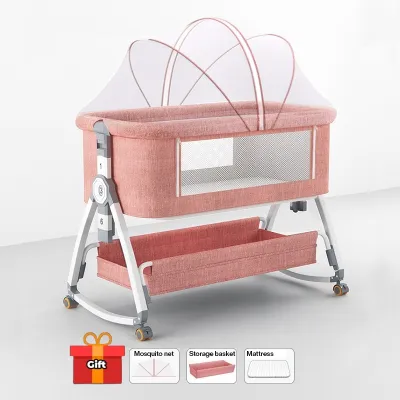
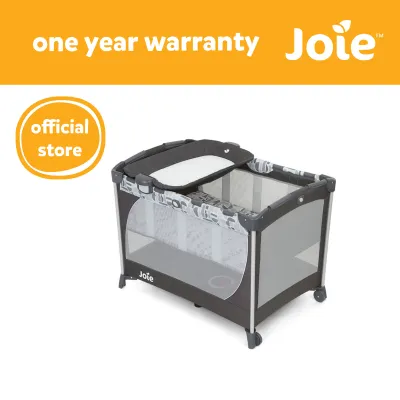
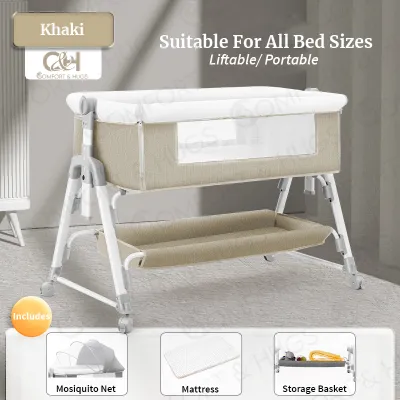
![[SG SELLER] COCOBABY Multifunctional Double-deck Rollaway Play Bed Playards Playpen Portable Baby Cribs Travel Folding Newborn Infant Kids Sleep Bed Installation free with Diaper changing table/Toy rack](https://img.lazcdn.com/g/p/bf8e2e27adf9d0291fb23354d52a0d4a.jpg_400x400q80.jpg_.webp)

Prices are valid at publication and may change. Please refer to the product page for the latest price.
Understanding Crib Safety Standards and Certifications
Safety certifications are not merely optional quality badges; they are the result of rigorous engineering tests designed to address known infant sleep hazards. When a baby crib is certified under a recognized international framework, it means the design has been subjected to mechanical stress tests to ensure it can withstand daily use without collapsing or splintering.
The most common and highly regarded standard in Singapore is the European Standard EN 716 (specifically EN 716-1 and EN 716-2). This standard governs children’s cots and folding cots for domestic use, specifying strict requirements for materials, construction, and stability. It ensures that the crib’s dimensions, strength, and design minimize any risk of injury to the child.
Another widely recognized framework is the American standard ASTM F1169, alongside the federal regulations managed by the Consumer Product Safety Commission (CPSC), specifically 16 CFR Part 1219. These standards are exceptionally stringent, particularly regarding structural integrity, spindle strength, and the complete prohibition of certain hazardous design elements.
British Standards, designated as BS EN 716, align closely with European regulations and are also frequently found on high-quality cribs sold in local boutiques. These standards test everything from the durability of the mattress support to the impact resistance of the crib sides, ensuring the frame remains secure even as your baby grows and becomes more active.
When shopping, you should look for these specific alphanumeric codes printed on the crib’s packaging, user manual, or on a permanent warning label affixed to the crib frame itself. Be cautious of marketing terms such as “safety tested,” “certified non-toxic,” or “pediatrician approved” if they do not reference a specific, verifiable standard like EN 716 or ASTM F1169. True safety compliance is backed by documented testing, not promotional language.
Essential Physical Safety Checks for Baby Cribs
Even when a baby crib carries a reputable certification mark, performing a hands-on physical inspection is a vital step. Assembly errors, shipping damage, or wear and tear can compromise a crib’s structural integrity. Knowing what physical features to check allows you to verify safety in person before placing your baby in the crib.

First, measure the distance between the crib slats. The gap between slats must be narrow enough to prevent your baby’s head, limbs, or torso from slipping through. According to international safety standards, the distance between slats must not exceed 6 centimetres. A practical way to test this is by attempting to pass a standard soda can through the slats; if the can fits through, the slats are too far apart.
Second, evaluate the mattress fit within the crib frame. There should be no significant gaps between the edge of the mattress and the inner walls of the crib. If you can insert more than two fingers between the mattress and the crib sides, the mattress is too small. This gap poses a severe suffocation and entrapment risk, as an infant can roll into the space and become wedged.
Third, inspect the hardware, joints, and overall stability of the frame. Gently shake the crib to check for wobbling, loose joints, or squeaking, which can indicate poor construction or loose bolts. Ensure all screws, brackets, and metal fittings are tightly secured and flush with the wood. Avoid drop-side cribs—where one side slides down to make accessing the baby easier—as these mechanisms are prone to breaking and have been banned in several international jurisdictions due to safety failures.
Fourth, examine the materials and finishes used on the crib. The wood should be perfectly smooth, with no splinters, cracks, or rough edges. Any paint, varnish, or protective finish must be certified non-toxic and lead-free, as babies frequently chew on crib rails when teething. If the crib features plastic teething guards along the top rails, ensure they are firmly attached and free from cracks or peeling edges.
How to Verify Compliance and Certifications Before Buying
Verifying safety claims requires a proactive approach, especially when shopping online or visiting local showrooms in Singapore. Do not hesitate to ask retailers direct questions about the origin and testing history of the furniture they sell.
If a crib’s product description or packaging does not explicitly list compliance with EN 716, ASTM F1169, or BS EN 716, request the official compliance documentation from the retailer. Reputable distributors should be able to provide a copy of the manufacturer’s Declaration of Conformity or a test report from an accredited third-party laboratory. If a seller is unable or unwilling to provide this proof, it is best to choose a different product.
Additionally, check official consumer safety portals and recall databases before finalizing your purchase. In Singapore, Enterprise Singapore monitors consumer product safety and issues alerts for hazardous items. You can also cross-reference international databases, such as the US Consumer Product Safety Commission (CPSC) or the European Union’s Safety Gate, to ensure the specific brand and model has not been flagged for safety defects or structural failures.
Whether you are investing S$300 in a basic model or S$1,500 in a convertible nursery suite, safety compliance remains the single most important factor. When considering a second-hand crib, exercise extreme caution. While purchasing pre-loved furniture is an economical and environmentally friendly choice, second-hand cribs often lack original assembly manuals, may have missing or mismatched hardware, or might have been modified by previous owners. If you cannot verify the exact model name, manufacturing date, and safety history of a used crib, it is safer to invest in a new, certified model.
Red Flags and When to Stop Using a Crib
Recognizing warning signs during the shopping process and knowing when to transition your child out of a crib are essential components of nursery safety. Being aware of these indicators helps prevent accidents before they occur.
Immediate red flags when shopping include drop-side rail designs, visible gaps in the frame joints, missing manufacturer labels, and cribs sold with soft, pillowy mattresses. A safe infant mattress must be exceptionally firm and flat; it should not conform to the shape of your baby’s head or body, as soft surfaces increase the risk of sudden infant death syndrome (SIDS) and suffocation.
You must also know when to stop using a crib or adjust its settings. Most cribs feature adjustable mattress heights; the mattress support must be lowered to its lowest position as soon as your baby can sit up or pull themselves up to a standing position. Stop using the crib entirely when your child reaches the manufacturer’s height or weight limits, or when they show signs of being able to climb out of the crib (typically when the height of the side rail is less than three-quarters of the child’s height).
Furthermore, inspect the crib regularly for signs of wear, such as loose bolts, hairline cracks in the wood, or peeling paint. If any hardware breaks or is lost, stop using the crib immediately. Never attempt to repair a crib using generic hardware store screws or DIY brackets, as these temporary fixes can fail under pressure. Always contact the manufacturer for original replacement parts.
If you are ever uncertain about the safety of your crib setup, the firmness of the mattress, or how to transition your baby to a toddler bed, consult a pediatrician or a certified child safety professional. They can provide personalized guidance based on your child’s developmental stage and physical growth.
Frequently Asked Questions (FAQ)
Are second-hand baby cribs safe to use?
Second-hand baby cribs can carry significant safety risks, including outdated design standards, structural wear, and missing original hardware. If you choose to use a pre-loved crib, you must ensure it has the original instruction manual, all original manufacturer-supplied bolts, and meets current safety standards, such as having slat spacing of 6 centimetres or less and no drop-side mechanism. Avoid any used crib that shows signs of wood splitting, deep scratches, or has an unknown brand history.
Do all baby cribs need a visible certification mark?
While reputable manufacturers often print safety certification codes on a permanent warning label attached to the crib frame or mattress support, some high-quality cribs may only list this information in their user manuals or official product specifications. If you do not see a visible certification mark on the crib itself, you should ask the retailer to provide the official test report or compliance certificate before making your purchase to verify that the crib meets international safety standards.
Community discussion
Share your experience or ask a question. Comments are reviewed before publication.