
When preparing your nursery, selecting a safe baby crib set is one of the most critical decisions you will make for your newborn. To ensure your infant’s sleep environment is secure, a high-quality baby crib set must meet recognized international safety standards—such as ASTM (North America), EN/BS (Europe/UK), or AS/NZS (Australia/New Zealand)—and comply with local consumer protection guidelines in Singapore. These frameworks guarantee that the furniture has undergone rigorous testing for structural integrity, material safety, and physical dimensions.
Understanding these certifications allows you to make an informed purchase that protects your child from preventable sleep hazards. While aesthetic appeal and room matching are common considerations, safety compliance remains the non-negotiable foundation of nursery design. By verifying these credentials before you buy, you can establish a secure space that supports healthy, restful sleep.
Why Safety Standards Matter for a Baby Crib Set
Regulatory frameworks and certifications exist to establish baseline safety requirements and eliminate the primary hazards associated with infant sleep environments. Infants spend a significant portion of their early lives unsupervised in their cribs, making structural safety paramount. Without strict standards, manufacturing defects or design flaws could lead to catastrophic failures during daily use.
Products mentioned in this guide
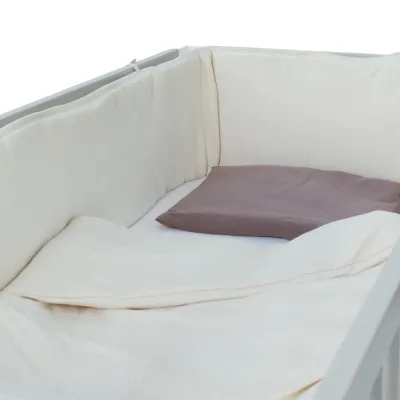
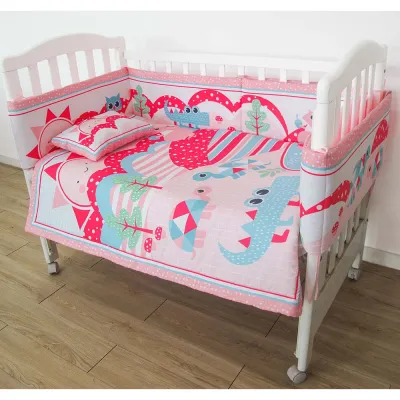
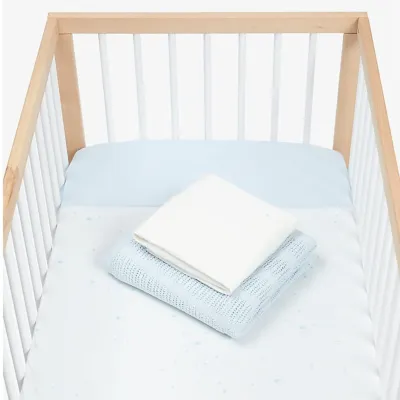
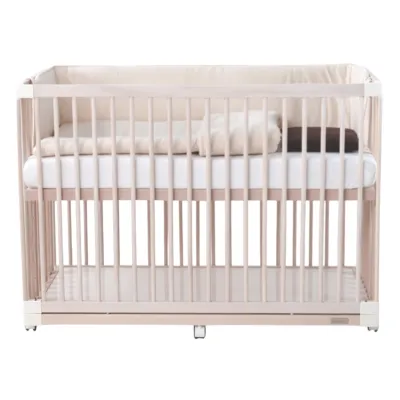
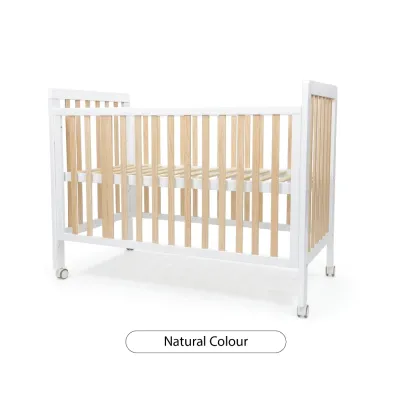
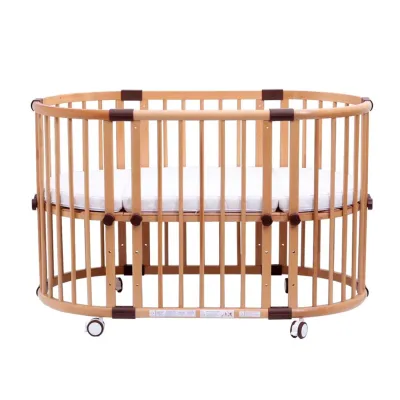
Prices are valid at publication and may change. Please refer to the product page for the latest price.
The primary hazards that safety standards aim to prevent include head or limb entrapment, suffocation, and sudden structural collapse. For instance, poorly spaced slats can trap a baby’s head, while unstable joints can cause the frame to give way under the child’s weight. Standards dictate precise physical dimensions, material strengths, and chemical limits to mitigate these risks effectively.
However, it is crucial to remember that certifications are only a first line of defense. A certified baby crib set cannot replace active adult supervision, correct assembly according to the manufacturer’s manual, and ongoing maintenance. Even the most highly certified crib can become dangerous if assembled incorrectly or if loose hardware is left unchecked over time.
Key International Safety Standards to Look For
When browsing options, always inspect the product packaging, instruction manuals, or manufacturer websites for specific standard codes. Because many cribs sold in Singapore are imported, you will frequently encounter international certification marks. Knowing how to read these labels ensures you are purchasing a product built to modern safety specifications.

ASTM Standards (North America)
When evaluating products designed for or imported from the North American market, look for ASTM compliance labels on the crib or its documentation. These standards are developed by ASTM International and are frequently updated to address newly identified safety risks. You should verify the manufacturer’s stated compliance version to ensure it aligns with the most current safety guidelines for full-size or non-full-size cribs.
ASTM frameworks mandate rigorous testing for structural strength, ensuring that the wood, metal, or plastic components can withstand daily wear and tear. They also set strict limits on lead content in paint and finishes, reducing the risk of chemical exposure if your baby chews on the railings. Always cross-reference the model number with the manufacturer’s official documentation to confirm that the specific crib set has successfully passed these evaluations.
EN and BS Standards (Europe and UK)
European (EN) and British (BS) standards are highly respected global benchmarks for nursery furniture safety. When purchasing a European-designed crib, check for EN or BS standard references on the product label, packaging, or instruction manual. These standards are updated regularly to reflect the latest pediatric safety research and engineering practices.
It is essential to ensure that the specific standard cited applies to the exact type of crib being purchased. For example, standard cots, folding cots, and multi-functional convertible cribs may fall under slightly different sub-categories of the European framework. These standards cover critical dimensions like mattress fit, slat strength, and structural stability, ensuring the frame does not tip or wobble under movement.
AS/NZS Standards (Australia and New Zealand)
Products imported from or designed for the Australasian market should feature AS/NZS compliance markers. The joint standards of Australia and New Zealand are known for being exceptionally stringent, particularly regarding physical dimensions and impact resistance. Checking for these markers gives you peace of mind that the crib has been tested against some of the toughest safety criteria in the world.
These frameworks include strict, measurable requirements for slat spacing and mattress dimensions that buyers can cross-reference during physical inspections. They also mandate specific testing for drop-side mechanisms (where permitted under older stock, though modern standards have largely phased them out) and require clear warning labels regarding mattress thickness. Verifying AS/NZS compliance helps ensure the crib’s geometry prevents any risk of wedging or climbing hazards.
Navigating Singapore's Consumer Safety Requirements
In Singapore, consumer product safety is overseen by the Consumer Product Safety Office (CPSO). When shopping locally, you should verify that the baby crib set complies with the relevant local consumer protection regulations and safety guidelines. The CPSO works to ensure that general consumer goods sold in the domestic market meet safety requirements to protect households from hazards.
If the crib set includes any electrical components—such as motorized mobiles, integrated nightlights, or built-in white noise machines—you must check for the Safety Mark. The Safety Mark indicates that the electrical components have been tested and certified safe for use under Singapore’s electrical safety standards. Never use uncertified electrical accessories near your baby’s sleeping area, as they can pose fire or shock hazards.
To guarantee compliance, prioritize buying from reputable local retailers or official brand stores. These established businesses can readily provide proof of import compliance, original manufacturer documentation, and valid warranty support. Purchasing from unauthorized parallel importers or unverified online sellers increases the risk of acquiring counterfeit products, outdated models, or units that do not meet local safety standards.
Essential Physical Safety Checks Beyond Certifications
Even if a baby crib set boasts multiple safety certifications, you should perform your own visual and physical inspections. These checks are vital when setting up the crib at home or inspecting a display model in a showroom. Taking a few minutes to verify these physical details adds an extra layer of protection for your child.
First, inspect the slat spacing. Slats should be close enough together to prevent a baby’s head from slipping through and becoming trapped. You should check the specific maximum gap allowed by the standard cited by the manufacturer, which is typically no wider than 6 centimetres. If you can easily pass a standard soft drink can or a tennis ball between the slats, the gap is too wide and poses an entrapment hazard.
Second, evaluate the mattress fit using the “two-finger test.” Place the mattress inside the crib and try to slide your fingers between the edge of the mattress and the crib frame. If you can fit more than two fingers in the gap, the mattress is too small for the crib. This gap is dangerous because an infant can roll into the space and become wedged, leading to suffocation. Always use a mattress that fits snugly with no visible gaps.
Third, thoroughly examine the hardware and overall structure. Run your hands along the wooden or metal surfaces to check for missing screws, loose joints, sharp edges, or splintered wood. The frame should feel completely rigid when you shake it gently; any wobbling or creaking indicates loose hardware or poor construction. Ensure all locking mechanisms on convertible models are fully engaged and secure.
Finally, avoid drop-side mechanisms entirely. Drop-side cribs feature a side rail that slides down to make it easier to lift the baby. However, these mechanisms have been linked to severe entrapment and structural failure risks when the hardware wears out or breaks. It is strongly advised to buy only fixed-side cribs to eliminate the risks associated with moving side panels.
Red Flags and When to Retire a Baby Crib
As your baby grows, the crib will experience natural wear and tear. Regularly inspecting the sleep environment is essential to catch structural issues before they cause injury. There are several clear stop-use conditions that require you to immediately discontinue using the crib to protect your child.
Immediately retire the crib if you notice cracked or broken slats, loose hardware that cannot be securely tightened, or missing structural parts. Peeling paint, cracked plastic components, or splintered wood are also major red flags, as babies often chew on crib rails during teething. If the wood is compromised, it can splinter further or expose the child to raw materials and finishes.
Never attempt DIY repairs, modifications, or use non-original replacement parts on safety-critical structures. Standard hardware store screws or brackets may not have the load-bearing capacity required for infant furniture. Making unauthorized changes to the crib voids its safety certifications and severely compromises its structural integrity. If you are ever in doubt about the crib’s safety, stop using it immediately and consult the manufacturer or a qualified professional.
Frequently Asked Questions (FAQ)
Is it safe to buy a second-hand baby crib set?
Buying a second-hand baby crib set carries significant risks and is generally not recommended unless you can verify its complete history. Used cribs may comply with outdated safety standards, have missing or substituted hardware, or suffer from hidden structural damage from previous assembly and disassembly. Additionally, a pre-owned crib might have an active recall history that the seller is unaware of or has failed to disclose.
If you must use a second-hand crib, you must thoroughly inspect it against all current physical safety checks and verify its model number against official recall databases. Ensure that all original manufacturer instructions and parts are present. Never use a second-hand crib that has been modified, is missing its original labels, or shows any signs of structural wear, such as hairline fractures in the wood or stripped screw holes.
Do bedside sleepers and bassinets need the same certifications as full-size cribs?
Bassinets, bedside sleepers, and travel cots do not fall under the exact same regulatory frameworks as standard full-size cribs. Instead, they have their own specific safety standards designed to address their unique structural features, such as mesh walls, folding mechanisms, and attachment straps. When purchasing these alternative sleep products, you must verify the specific standard applicable to that exact product category.
Additionally, always strictly follow the manufacturer’s weight, size, and developmental stage limits for transitioning your baby out of these smaller sleepers. Bassinets and bedside sleepers are designed only for early infancy; once your baby can roll over, push up on their hands and knees, or exceeds the weight limit, you must transition them to a standard, fixed-side crib to prevent falls and entrapment.

Community discussion
Share your experience or ask a question. Comments are reviewed before publication.