
Introducing solid foods to your baby is a major milestone, but selecting the right tools can feel overwhelming with so many options on the shelves. The utensils your baby uses do more than just carry food to their mouth; they interact directly with developing gums, emerging teeth, and sensitive oral tissues. Choosing the safest materials for baby forks and spoons requires understanding how different materials perform under daily use, cleaning, and wear.
The ideal material changes as your baby grows from a passive feeder to an active self-feeding toddler. In the early stages of weaning, soft materials protect tender gums from accidental bumps. As coordination improves, sturdier materials help toddlers learn to pierce and scoop food effectively. By evaluating materials based on safety standards, durability, and developmental suitability, you can make informed choices that support your child’s feeding journey.
How to Verify Material Safety on Baby Utensils
When shopping for baby forks and spoons, navigating the marketing claims on packaging requires a critical eye. Terms like “eco-friendly” or “natural” are often used loosely, making it essential to look for verified safety markers. Legitimate manufacturers provide clear indications that their products comply with recognized food safety standards, ensuring the materials do not transfer harmful substances to your baby’s food.
Products mentioned in this guide
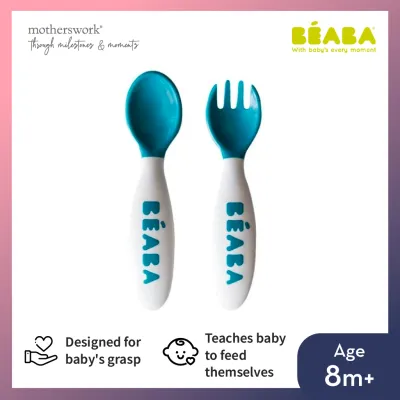
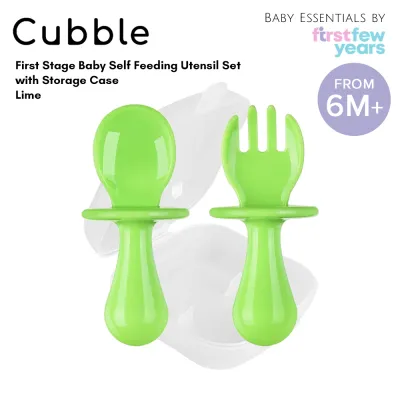
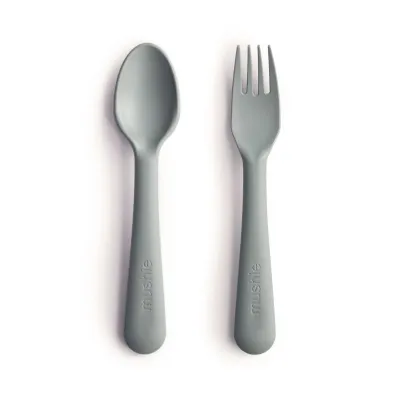
Prices are valid at publication and may change. Please refer to the product page for the latest price.
A primary indicator of safety is the “food-safe” or “food-grade” designation. Food-grade materials are specifically manufactured to be non-toxic and stable when they come into contact with food. For plastics and silicone, this means the material must not leach chemicals under normal use conditions. Look for packaging that explicitly states compliance with major regulatory bodies, such as the US Food and Drug Administration (FDA) or European Union (EU) food contact regulations.
Carefully inspect labels for chemical-free claims. Ensure the product is labeled as free from bisphenol A (BPA), bisphenol S (BPS), polyvinyl chloride (PVC), and phthalates. These chemical compounds, historically used to harden plastics or make them flexible, are associated with potential developmental risks. Reputable brands will clearly print these exclusions on their packaging or product manuals.
Beyond chemical composition, physical design plays a critical role in utensil safety. Examine the product for smooth, rounded edges that will not scrape your baby’s mouth. Look for integrated choke guards—widened barriers near the handle that prevent the spoon or fork from being pushed too far back into the throat. Additionally, check that handles are securely attached or, preferably, molded as a single piece to eliminate the risk of small parts detaching and posing a choking hazard.
Silicone Spoons and Forks: Best for Early Weaning
For babies just beginning their solid food journey, typically around six months of age, silicone is widely considered an excellent material choice. At this stage, infants are transitioning from sucking to swallowing and are still developing their oral motor skills. Their gums are highly sensitive, especially when teething, making soft and forgiving materials essential.

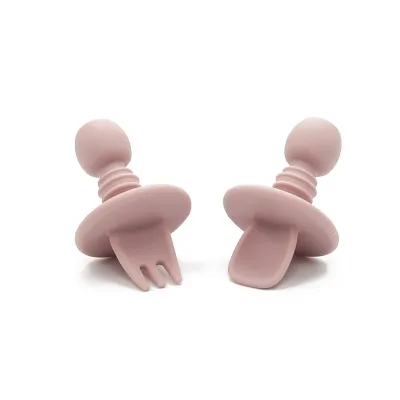
Silicone is a synthetic polymer known for its flexibility, rubber-like texture, and heat resistance. Unlike metal or hard plastic, a silicone spoon bendably conforms to a baby’s mouth, minimizing the risk of bruising tender gums or newly emerging teeth. The soft texture also provides a pleasant sensory experience, which can help babies accept the unfamiliar sensation of a utensil.
When purchasing silicone utensils, look for labels specifying “100% food-grade silicone” or “platinum-grade silicone.” Platinum curing is a manufacturing process that ensures no chemical byproducts or fillers are left behind in the material. You can perform a simple check by twisting or pinching a flat section of the silicone; if white fillers show through the bent area, the product may contain low-quality additives rather than pure silicone.
Proper care is vital to maintaining the safety of silicone utensils. While silicone is highly heat-resistant, you must always consult the manufacturer’s instructions for specific temperature limits. Some silicone spoons feature internal plastic or metal stiffeners that cannot tolerate extreme heat. Always follow the guidelines for washing, sterilizing, and drying to prevent material degradation and ensure the utensils remain hygienic.
Stainless Steel Utensils: Transitioning to Self-Feeding
As your baby approaches their first birthday, their feeding skills will advance from simple swallowing to active chewing and self-feeding. At this stage, soft silicone spoons may no longer be effective for scooping denser foods, and silicone forks lack the rigidity needed to pierce solid pieces. This developmental shift marks the ideal time to transition to stainless steel utensils.
Stainless steel is highly durable, non-porous, and exceptionally hygienic. It does not harbor bacteria, absorb food odors, or stain from colorful purees. Because it resists scratching and chipping, stainless steel utensils can last through toddlerhood and beyond, making them a highly sustainable and cost-effective choice for growing families.
When selecting stainless steel baby forks and spoons, look for high-quality food-grade alloys, such as 304 stainless steel or 18/8 stainless steel (which contains 18% chromium and 8% nickel). These grades offer excellent corrosion resistance and durability. Ensure the product manual explicitly states that the utensils are dishwasher-safe, as high-temperature washing is an efficient way to sanitize metal tools.
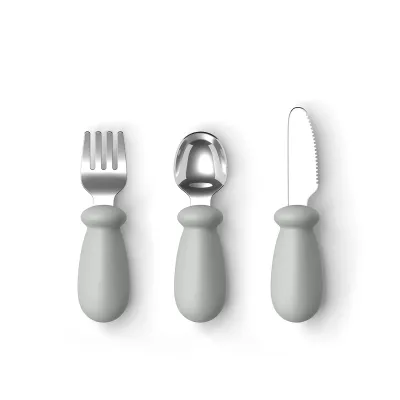
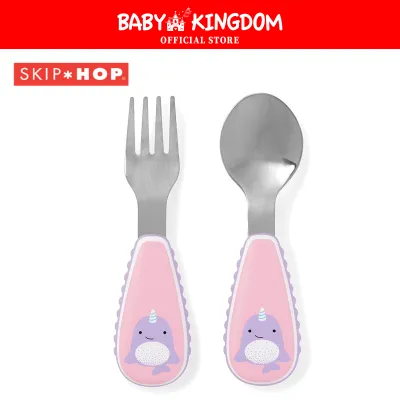
Before introducing metal utensils, carefully inspect their physical characteristics. The prongs of a baby fork must be rounded and blunt, designed to pierce soft foods without posing a puncture risk to the lips or tongue. The spoon bowl should be shallow enough for small mouths to clear easily, and the handles should feature textured, non-slip grips—often made of silicone or textured plastic—to help small hands maintain control.
Plastic Utensils: Safety Checks and Usage Limits
Plastic baby utensils are popular because they are lightweight, colorful, and highly affordable. However, using plastic requires careful monitoring and strict adherence to safety guidelines. Unlike silicone or stainless steel, plastic is more susceptible to heat damage, scratching, and chemical degradation over time.
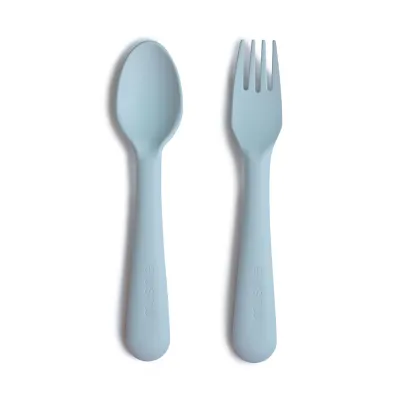
If you choose to use plastic forks and spoons, identify the specific type of plastic used. Look for products made from polypropylene (PP), which is commonly marked with the recycling code 5. Polypropylene is a durable, heat-resistant plastic that is widely accepted as safe for food contact. Avoid any utensils made from polycarbonate (often marked with recycling code 7), as older or low-quality formulations may contain BPA.
Heat exposure is a primary concern with plastic utensils. Never microwave plastic baby spoons or wash them in the bottom rack of a dishwasher unless the manufacturer explicitly states it is safe to do so. High temperatures can cause plastic to warp, degrade, or release microplastics into food. For maximum safety, hand-wash plastic utensils in warm, soapy water and avoid exposing them to boiling water.
Regularly inspect plastic utensils for signs of wear and tear. Over time, baby teeth can scratch plastic surfaces, creating microscopic grooves where bacteria can accumulate. If you notice deep scratches, cloudiness, warping, peeling, or rough edges, discard the utensil immediately. Replacing worn plastic tools promptly prevents potential choking hazards from detached fragments and ensures a clean feeding environment.
How to Match Utensil Materials to Your Baby's Feeding Stage
Selecting the right baby fork and spoon is not a one-time decision but an evolving process that aligns with your child’s developmental milestones. By matching the material properties to your baby’s physical abilities, you can foster independence while prioritizing safety at every meal.
During the initial weaning stage (around 6 to 8 months), stick exclusively to soft silicone spoons. These are gentle on sensitive gums and help your baby practice the basic motion of taking food from a spoon. At this stage, forks are unnecessary, as the diet consists primarily of smooth purees and soft mashes.
As your baby transitions to finger foods and early self-feeding (around 9 to 12 months), you can introduce textured silicone spoons or spoons with short, chunky handles that are easy to grasp. This is also a suitable time to introduce soft silicone forks with blunt tines, allowing your baby to practice the motion of stabbing soft foods like banana slices or avocado cubes.
Once your toddler is actively self-feeding (typically 12 months and older), transition to stainless steel utensils with ergonomic handles. The rigid structure of metal allows toddlers to scoop thicker foods and pierce solid bites successfully, building confidence and refining their fine motor skills.
Before using any new utensil for the first time, perform a quick safety check:
- Verify that the packaging confirms the product is BPA-free and food-grade.
- Run your fingers along all edges to ensure there are no sharp spots or manufacturing defects.
- Wash the utensil thoroughly according to the manufacturer's instructions.
- Check that any multi-material parts (such as a metal spoon with a silicone handle) are securely bonded.
Regardless of the material you choose, always supervise your baby during meals. Never allow an infant or toddler to walk or run while holding a utensil, and strictly follow the age and developmental guidelines provided by the manufacturer to ensure a safe and positive feeding experience.
Frequently Asked Questions (FAQ)
Can I boil silicone baby spoons to sterilize them?
Whether you can boil silicone baby spoons depends entirely on the manufacturer’s specific care instructions. While pure silicone can withstand high temperatures, many baby spoons feature internal plastic supports, temperature-sensing elements, or decorative handles that may warp or degrade in boiling water. Always check the product packaging or manual for the maximum temperature threshold before boiling, steam sterilizing, or using UV sterilizers.
Are bamboo or wooden spoons safe for babies?
Bamboo and wooden spoons can be safe, but they require meticulous maintenance and careful selection. Ensure any wooden utensil is finished with a certified food-safe, non-toxic oil or wax, and inspect it regularly for splintering or cracking. In warm, humid climates like Singapore, natural wood and bamboo are highly susceptible to mold growth if not dried completely. These materials are generally not dishwasher-safe and must be hand-washed and air-dried thoroughly in a well-ventilated area.

Community discussion
Share your experience or ask a question. Comments are reviewed before publication.