
The “safest” baby spoon material depends entirely on your baby’s age, feeding stage, and the specific safety certifications of the product. While silicone is often preferred for early weaning due to its softness, stainless steel offers superior hygiene for older toddlers, and plastic provides a lightweight option for self-feeding.
Rather than looking for a single universal winner, parents must evaluate each material based on chemical safety labels, heat resistance, and physical suitability for their child’s developmental milestones. This guide breaks down how to verify safety claims and choose the right spoon for every stage of your baby’s feeding journey.
Key Safety Checks for Baby Spoon Materials
When shopping for baby spoons, the sheer variety of options can be overwhelming. The first step in ensuring safety is to look for clear food-grade certifications on the packaging. Reliable manufacturers will display compliance marks indicating that the materials used are safe for contact with food.
Products mentioned in this guide
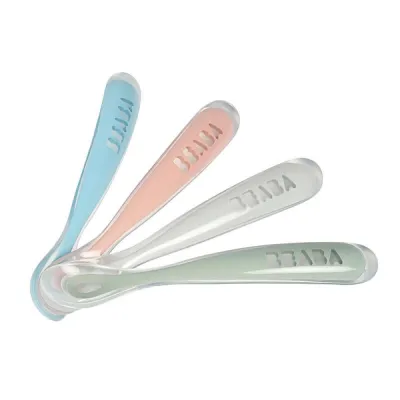
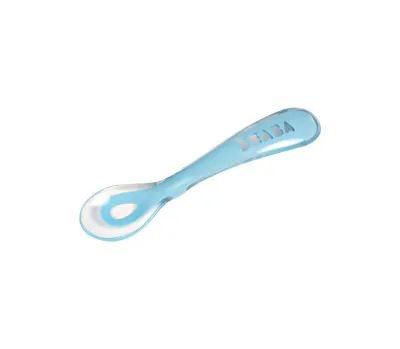
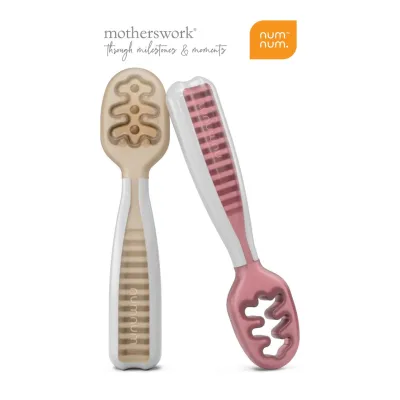
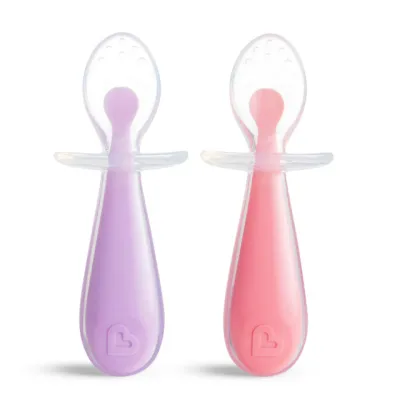
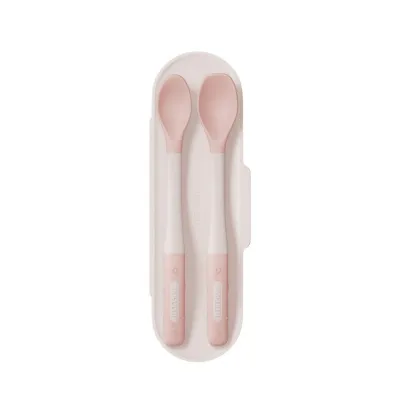
![Mushie Toddler Starter Spoons [Set of 2][12+ months][Food Grade Silicone]](https://img.lazcdn.com/g/p/6a835bec8bb372b6318dfee5b4b5ff0d.jpg_400x400q80.jpg_.webp)
Prices are valid at publication and may change. Please refer to the product page for the latest price.
Do not rely solely on bold marketing claims printed on the front of the box. Take the time to verify claims such as “BPA-free,” “PVC-free,” and “phthalate-free” by checking the manufacturer’s official website or product documentation. High-quality brands often provide detailed material safety sheets or independent testing certificates to back up these assertions.
Physical safety checks are just as important as chemical verifications. Before using any new spoon, inspect it thoroughly for manufacturing defects. Run your fingers along the edges of the spoon bowl to ensure there are no sharp plastic flashes or rough seams that could scratch your baby’s delicate mouth.
Additionally, check the structural integrity of the spoon. If the spoon is made of multiple parts—such as a silicone tip attached to a plastic or wooden handle—give it a firm tug. Ensure that the parts are securely bonded and cannot be easily pulled apart, which would create a severe choking hazard for an infant.
Silicone Spoons: Softness and Temperature Limits
Silicone spoons are widely considered the gold standard for the initial stages of weaning. The primary benefit of silicone is its incredibly soft and flexible texture. This softness protects your baby’s sensitive gums and newly emerging teeth from accidental bumps as they learn the mechanics of eating from a spoon.

The flexibility of silicone also serves a practical purpose for caregivers. It allows you to easily scrape excess food from your baby’s chin and cheeks without causing discomfort. Furthermore, silicone is naturally slip-resistant, which helps babies maintain a better grip when they first begin to hold the utensil themselves.
To ensure you are getting a high-quality product, verify whether the spoon is made from food-grade or medical-grade silicone. Check the product packaging for these specific terms. You can also perform a simple physical check: pinch and twist a flat part of the silicone. If white areas show through the twisted material, it may contain cheap plastic fillers rather than pure silicone.
While silicone is highly durable, it does have temperature and care limits that you must observe. Always consult the manufacturer’s instructions regarding sterilization. Some silicone spoons can tolerate boiling water and steam, while others may degrade, warp, or develop a sticky surface when exposed to UV sterilizers or prolonged high heat.
Plastic Spoons: Lightweight Design and Chemical Verification
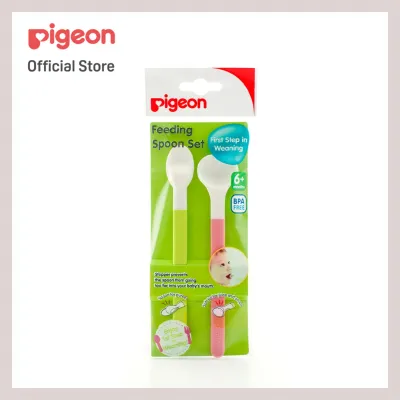
Plastic baby spoons are highly popular due to their lightweight design and affordability. For babies who are just beginning to explore self-feeding, a lightweight spoon is much easier to lift and balance. The rigidity of plastic also makes it easier to scoop up thicker purees and mashed foods compared to highly flexible silicone.
However, using plastic requires a higher level of vigilance regarding chemical safety. Always verify that the plastic is explicitly labeled as BPA-free. Bisphenol A (BPA) is a chemical historically used in plastics that can mimic hormones, and its avoidance is critical in infant products. You should also look for plastics that are free from other bisphenols like BPS and BPF.
To identify the type of plastic used, look for the recycling triangle code molded into the spoon or printed on the packaging. Plastics labeled with code 2 (HDPE), code 4 (LDPE), or code 5 (PP) are generally preferred for food contact. Avoid plastics labeled with code 7 unless the manufacturer explicitly certifies them as BPA-free and food-safe.
The main drawback of plastic spoons is their susceptibility to wear and tear. Over time, plastic easily develops fine scratches from washing, as well as bite marks from your baby’s teeth. These tiny crevices can harbor bacteria and food residue that standard washing cannot easily remove. Inspect plastic spoons regularly and discard them at the first sign of surface damage.
Stainless Steel Spoons: Hygiene and Heat Conductivity
Stainless steel spoons offer unmatched hygiene and durability, making them an excellent long-term investment. The non-porous surface of stainless steel does not absorb food pigments, oils, or odors. This resistance to staining and odor retention makes it incredibly easy to clean and highly resistant to bacterial colonization.
Unlike plastic and silicone, high-quality stainless steel does not degrade, warp, or leach chemicals over time. It can withstand countless dishwasher cycles and high-heat sterilization without losing its structural integrity. This makes it a highly sustainable option that can easily transition from babyhood to toddlerhood.
However, stainless steel has high heat conductivity, which presents a unique safety risk. Metal spoons quickly absorb heat from warm foods, such as freshly heated porridge or puree. If you do not test the food temperature beforehand, the hot metal can easily burn your baby’s sensitive lips and tongue. Always test the spoon’s temperature on your own wrist before feeding.
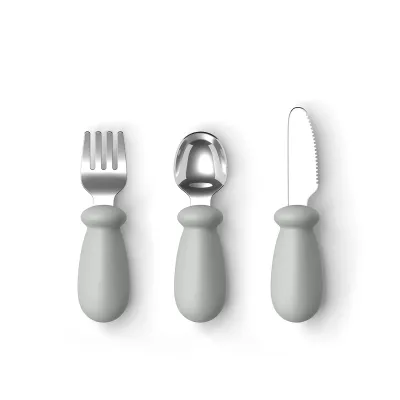
Because of its rigid and unyielding nature, stainless steel is not suitable for early weaning. It is best reserved for older babies and toddlers, typically around 12 months or older, who have developed the motor skills to guide a spoon smoothly. Younger infants with erratic movements risk hitting their gums, teeth, or eyes with the hard metal.
Matching the Spoon Material to Your Baby's Feeding Stage
Choosing the safest spoon material is not about finding a single winner, but rather matching the material to your baby’s developmental stage. At around six months of age, when most babies begin early weaning, safety means protecting delicate oral tissues. During this phase, prioritize soft, flexible silicone spoons that cushion the mouth and accommodate the natural sucking reflex.
As your baby reaches 8 to 12 months, they will begin transitioning to self-feeding. This stage requires a balance of weight, grip, and structural support. Look for spoons that combine a soft silicone tip to protect the gums with a slightly firmer, lightweight plastic handle that is easy for small hands to grasp and direct.
By the time your child reaches the toddler stage at 12 months and beyond, their coordination and hand-eye control will have improved significantly. At this point, you can safely introduce stainless steel spoons. Opt for toddler-specific metal spoons that feature rounded, blunt edges and ergonomic silicone or plastic handles to ensure a comfortable and safe grip.
Cleaning, Sterilizing, and Maintenance by Material
Maintaining the cleanliness of your baby’s spoons is vital to preventing illness. For silicone spoons, always check the manufacturer’s guidelines before sterilizing. While high-quality silicone can usually handle boiling or steaming, some designs may warp or degrade if left in a UV sterilizer for extended periods.
Plastic spoons require a gentler cleaning approach to prevent material degradation. Avoid exposing plastic utensils to high-heat sterilization methods like boiling water or steam sterilizers unless the manufacturer explicitly states it is safe. Instead, wash them by hand with mild dish soap and warm water, or place them strictly on the top rack of the dishwasher.
Stainless steel spoons are the most resilient and can be washed and sterilized using standard high-heat methods. To prevent water spots or surface rust, especially on lower-grade metal alloys, dry them thoroughly with a clean cloth immediately after washing. Store all baby spoons in a clean, dry drawer or container away from household dust.
Regardless of the material you choose, establish a routine of inspecting every spoon before use. If you notice any deep scratches, tearing, peeling, discoloration, or melting, stop using the spoon immediately. Replacing worn-out utensils promptly is one of the simplest ways to ensure your baby’s feeding safety.
Frequently Asked Questions (FAQ)
Can I use a regular adult stainless steel spoon for my baby?
It is not recommended to use standard adult stainless steel spoons for infants. Adult spoons have bowls that are too wide and deep for a baby’s small mouth capacity, which can easily lead to overfeeding or choking. Furthermore, adult utensils often have sharper edges, longer handles, and a heavier weight that makes them unsafe and difficult for a baby to manage.
Are bamboo or wooden spoons a safe alternative?
While bamboo and wooden spoons are popular natural options, they require careful consideration. Wood is highly porous, meaning it can absorb moisture, food particles, and bacteria, and it may splinter or crack over time. They also cannot be boiled, steam-sterilized, or washed in a dishwasher, making them harder to sanitize thoroughly compared to silicone or stainless steel.
Community discussion
Share your experience or ask a question. Comments are reviewed before publication.