
For a newborn under three months old, the safest baby nail trimmer types are electric baby nail files (motorized buffers) and manual glass nail files. These tools rely on gentle abrasion rather than sharp blades, virtually eliminating the risk of accidentally cutting, pinching, or nicking the delicate skin of a highly active infant. While rounded-tip baby scissors offer excellent precision for caregivers with steady hands, tools that cut via shearing or clamping require a higher level of caution during the first twelve weeks of life.
Newborn nails are physically distinct from those of older infants and adults. During the first three months, a baby’s nails are incredibly soft, pliable, and paper-thin. They are often still fused to the underlying nail bed and the surrounding skin, known as the hyponychium. This close attachment makes it exceptionally difficult to distinguish where the nail edge ends and the sensitive skin begins. Using standard adult clippers or scissors on these microscopic dimensions poses a high risk of crushing the nail or cutting the skin, which can lead to pain, bleeding, and localized infections.
Caregiver visibility and infant movement are the primary challenges in newborn nail care. Infants under three months old possess an active Moro reflex (the startle reflex) and have little control over their sudden, jerky limb movements. A sudden twitch while using a sharp, non-specialized tool can easily result in an accidental injury. Consequently, selecting a tool that prioritizes visibility, offers physical guards, or utilizes non-invasive filing mechanisms is essential for maintaining a stress-free and safe grooming routine.
Products mentioned in this guide
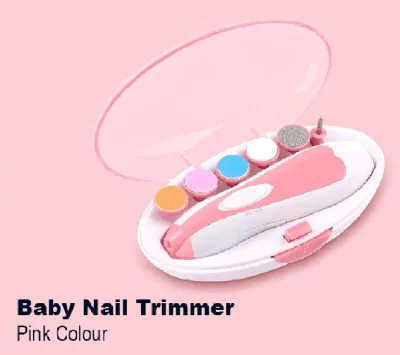
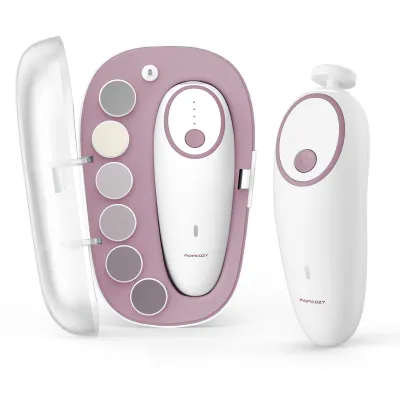
![[TPP] Baby Nail Trimmer Pedicure Care Kit 防抓伤多功能婴儿电动磨甲器儿童指甲剪 SG INSTOCK](https://img.lazcdn.com/g/p/d4f9082b86431839465f7b4dd8204268.png_400x400q80.png_.webp)
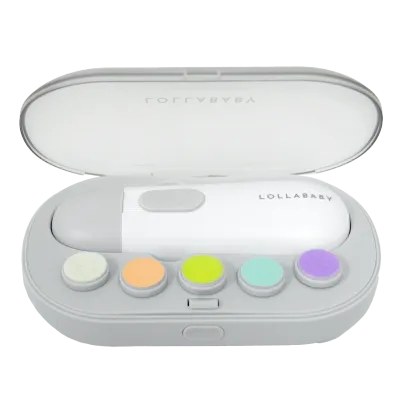
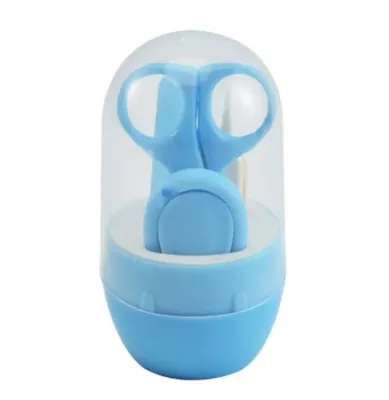
Prices are valid at publication and may change. Please refer to the product page for the latest price.
Comparing the Safest Baby Nail Trimmer Types
Evaluating how different nail trimming mechanisms interact with a newborn’s delicate skin is the first step in establishing a safe grooming routine. Each tool category offers a unique balance of precision, speed, and safety margins. While some tools physically prevent skin contact altogether, others require a steady hand and specific techniques to ensure the blades only make contact with the nail plate.
Every caregiver brings a different level of experience and confidence to infant grooming. First-time parents often experience significant anxiety regarding the prospect of hurting their newborn, making highly forgiving tools like electric buffers or manual glass files the most suitable starting point. More experienced caregivers or those comfortable with fine motor tasks may prefer the swift, clean cut of rounded-tip scissors. Understanding these trade-offs allows families to select a tool that aligns with their personal comfort levels and their baby’s temperament.
Electric Nail Files and Buffers
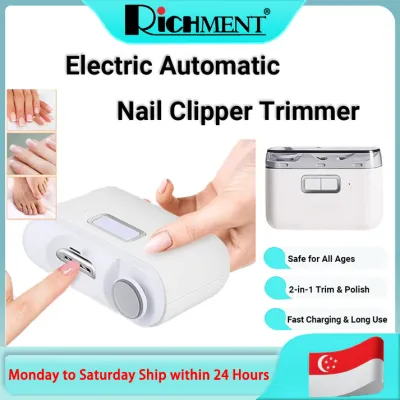
Electric baby nail files, often referred to as motorized buffers, use rotating cushioned pads covered in a fine abrasive grit to gently file down the nail. Because the pad stops spinning or slips harmlessly when it encounters soft skin, the risk of cutting or pinching the baby’s finger is virtually non-existent. This makes them an exceptionally popular choice for anxious parents who want to avoid bladed tools entirely during the first few months.
Noise and vibration are key practical considerations when choosing an electric trimmer. Many high-quality models are engineered with whisper-quiet motors and integrated LED lights, allowing caregivers to file the baby’s nails while they are asleep without waking them. The gentle vibration can actually be soothing to some infants, though others may find the sensation unusual at first. It is best to introduce the tool slowly, letting the baby get accustomed to the sound and feel before attempting a full trim.
When using an electric file, it is vital to verify the grit suitability of the buffer pads. Manufacturers typically color-code these pads based on the baby’s age and development stage, with the softest, finest grits reserved for newborns under three months. Using a pad designed for an older infant or toddler on a newborn can cause friction heat or wear down the thin nail plate too quickly. Always consult the manufacturer’s guidelines to ensure you are using the correct pad for your infant’s age.
Rounded-Tip Baby Nail Scissors
Rounded-tip baby nail scissors are manual cutting tools designed specifically to navigate the tiny curves of an infant’s fingers. Unlike adult scissors, the tips of these blades are completely blunt and rounded, preventing accidental puncture wounds if the baby makes a sudden movement. The blades themselves are often slightly curved, allowing the caregiver to follow the natural contour of the nail with high precision.
One of the primary advantages of baby scissors over clippers is the superior visibility they offer. Because the blades are thin and the tool is held at an angle, the caregiver can clearly see the cutting line and the space between the blade and the skin. However, using scissors requires a steady hand and a specific technique. Caregivers must learn to make small, controlled snips rather than one large cut, which reduces the likelihood of catching the skin.
Ergonomics play a crucial role in the safety of manual scissors. Look for models with large, comfortable finger loops that provide a secure grip, preventing the tool from slipping during use. In warm and humid climates, such as in Singapore, sweaty hands can compromise your grip, making non-slip handle materials or textured finger loops an important safety feature to verify before purchasing.
Manual Baby Nail Clippers
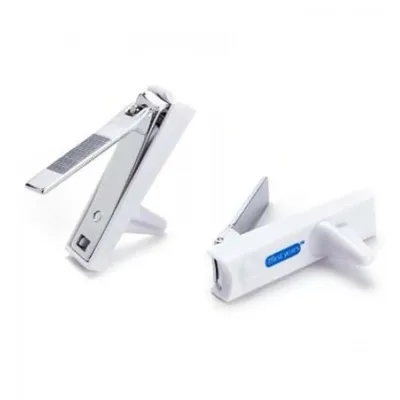
Manual baby nail clippers are scaled-down versions of traditional lever-style adult clippers. While they are highly effective at quickly shortening nails, they carry a higher inherent risk of pinching the quick if the newborn’s nail is too small for the blade width. Because the clipping action is swift and blind—meaning the blade temporarily blocks the caregiver’s view of the skin underneath—extreme caution is required.
To mitigate these risks, some modern baby clippers feature built-in safety guards, magnifying glasses, or LED lights to improve visibility. These additions help caregivers position the clipper accurately before squeezing the lever. However, because a newborn’s nails are so soft and closely attached to the skin, many pediatric experts recommend avoiding clipper-style tools entirely until the baby is at least three months old and the nail plate has hardened slightly.
If you choose to use manual clippers, ensure the blades are exceptionally sharp and clean. Dull blades can bend or tear the soft newborn nail rather than cutting it cleanly, which can leave jagged edges or cause the nail to split. Always inspect the alignment of the clipper blades before use to ensure they meet perfectly without overlapping or leaving gaps.
Glass or Emery Nail Files
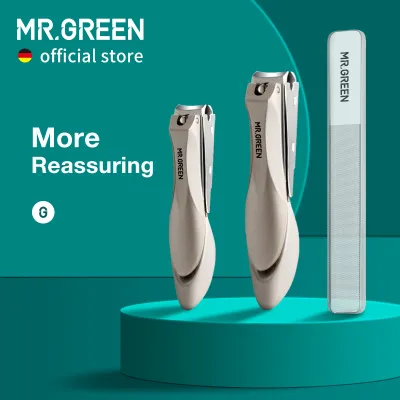
Manual nail files are the simplest and most traditional safety tools for newborn nail care. A high-quality physical glass file, made from tempered glass, features an ultra-fine, uniform abrasive surface that gently wears down the nail edge. Because there are no blades or motors involved, manual files carry absolutely zero risk of cutting the skin, making them the safest possible option for newborns.
While manual filing is incredibly safe, it does require more time and physical effort compared to motorized or bladed methods. Filing a newborn’s rapidly growing nails with a manual file can be a slow process, especially if the baby is active or impatient. For this reason, many parents use manual files as a supplementary tool to smooth out sharp corners left behind after using scissors, or as a primary tool during the baby’s sleep cycles.
When comparing manual files, glass files offer significant advantages over traditional cardboard emery boards. Glass files are highly durable, do not wear out over time, and feature a much finer grit that is gentler on paper-thin newborn nails. Furthermore, glass is non-porous, making it exceptionally hygienic and easy to sterilize. In humid environments, keeping grooming tools clean is essential; a glass file can be easily washed with warm, soapy water and sanitized after each use, whereas emery boards can harbor moisture and bacteria.
Essential Safety Features to Check Before Buying
When shopping for a baby nail trimmer on local ecommerce platforms or in specialty baby stores, it is important to look past marketing claims and evaluate the physical design features of the product. A high-quality safety tool should have specific built-in mechanisms to protect your infant’s delicate skin and ensure comfortable handling for the caregiver.

- Blade Guards and Rounded Tips: For manual tools, verify that the tips are completely rounded and blunt. If purchasing clippers, look for models with a physical guard that limits how much of the nail can enter the cutting area.
- Ergonomic, Non-Slip Handles: Ensure the tool has a textured or rubberized grip. This is particularly important for maintaining control when your hands are damp or when working in humid conditions.
- Material Safety and Certifications: Check the product packaging to ensure all plastics are BPA-free and non-toxic. Metal components should be made of high-grade, rust-resistant stainless steel to allow for easy cleaning and sanitization.
- Integrated Lighting or Magnification: Features like built-in LED lights or magnifying lenses are highly beneficial for illuminating the tiny workspace, especially during nighttime grooming sessions.
- Manufacturer Age and Weight Guidelines: Always verify that the product is explicitly rated for newborns (often labeled as "0m+" or "suitable from birth"). Avoid using tools that do not specify an age range, as they may be designed for older children with thicker nails.
- Warranty and Return Policies: Because personal care items often have strict hygiene-related return restrictions on online marketplaces, check the retailer's policy before purchasing to ensure you can return or exchange the item if it does not suit your baby's nail type.
How to Safely Trim a Newborn's Nails
Establishing a calm, methodical routine is the best way to minimize stress and prevent accidental injuries during nail trimming. The optimal time to trim a newborn’s nails is when they are relaxed, distracted, or completely still. Many experienced caregivers find that trimming during a deep sleep cycle or immediately after a bath—when the nails are at their softest—yields the best results. Alternatively, trimming while another caregiver is feeding the baby can provide an excellent distraction.
Proper positioning is critical for maintaining control. Ensure you are working in a well-lit area, such as near a bright window during the day or directly under a reading lamp at night. Hold the baby’s hand securely but gently, stabilizing the specific finger you are working on between your thumb and forefinger. This prevents the baby from pulling their hand away suddenly if they startle.
Before making any cut or filing action, use your thumb to gently press the baby’s finger pad away from the nail edge. This creates a small physical gap between the nail plate and the sensitive skin underneath, significantly reducing the risk of catching the skin. If you are using scissors, cut along the natural curve of the fingernail, making small, incremental snips. If using a file, work in one direction rather than a sawing back-and-forth motion, which can cause the nail to split.
Once you have finished trimming, perform a thorough post-grooming check. Run your own clean fingertip over the edges of the baby’s nails to identify any remaining sharp corners or jagged points that could scratch their face. Use a clean, damp cloth to wipe away any residual nail dust, ensuring the baby does not accidentally rub the dust into their eyes or mouth.
After each grooming session, clean and store the trimmer properly to maintain hygiene. Wipe down the blades or buffer pads with an alcohol wipe or warm, soapy water according to the manufacturer’s instructions. Store the tool in its protective case in a dry, dust-free location, safely out of reach of children. Regular maintenance ensures the tool remains hygienic and functions correctly for the next use.
When to Pause and Consult a Pediatrician
While minor nail care is a standard part of infant grooming, there are times when home care should be paused in favor of professional advice. If you notice any signs of localized infection around the nail bed—such as persistent redness, swelling, warmth to the touch, or the presence of pus—stop trimming immediately. These symptoms can indicate a bacterial infection that requires evaluation by a pediatrician or a nurse at a local polyclinic.
Ingrown nails can occasionally occur in newborns as their soft nails grow and bend. If a nail appears to be growing deeply into the surrounding skin, causing discomfort or inflammation, do not attempt to cut or dig the nail out yourself. This can worsen the condition and introduce bacteria. Instead, seek professional guidance on how to manage the nail safely.
If an accidental cut occurs during trimming, do not panic. Apply gentle pressure with a clean, sterile gauze pad or tissue until the bleeding stops. Avoid applying adhesive bandages to a newborn’s fingers, as these pose a severe choking hazard if the baby puts their hands in their mouth. Do not apply adult antiseptic creams or ointments without consulting a healthcare professional first. If the bleeding does not stop after a few minutes of continuous pressure, or if you feel highly anxious about performing the first few trims, do not hesitate to ask a healthcare provider or a maternal health nurse for a practical demonstration during your next routine checkup.
Frequently Asked Questions (FAQ)
How often should I trim a newborn's nails?
Newborn fingernails grow incredibly fast and may need to be trimmed once or twice a week to prevent the baby from scratching their face. Toenails, however, grow much more slowly and typically only require trimming once or twice a month. Regularly inspect your baby’s nails for sharp edges or excessive length to determine when a trim is necessary.
Can I use a regular emery board on a newborn?
Standard adult emery boards are generally not recommended for newborns. The abrasive grit on adult files is often too coarse and harsh for paper-thin infant nails, which can easily cause friction burns or scrape the delicate skin surrounding the nail. It is highly recommended to use files specifically designed for infants or a dedicated glass nail file with an ultra-fine grit.
What should I do if I accidentally cut my newborn's skin?
If you accidentally nick your baby’s skin, stay calm and immediately rinse the area with clean water. Apply gentle, continuous pressure with a clean tissue or sterile gauze pad until the bleeding stops. Avoid using adhesive bandages, as they are a choking hazard for young infants. If the bleeding persists or if you notice signs of infection later, consult a healthcare professional.

Community discussion
Share your experience or ask a question. Comments are reviewed before publication.