
Trimming a baby’s tiny, delicate nails can be one of the most nerve-wracking tasks for new parents. The fear of accidentally nicking soft skin often leads to anxiety, yet leaving nails untrimmed can result in babies scratching their own faces. Choosing between an electric baby nail trimmer and a manual baby nail cutter depends on several practical factors, including your baby’s developmental stage, nail hardness, and your personal comfort level with grooming tools. While electric trimmers offer a gentle, filing-based approach that eases the anxiety of newborn care, manual cutters provide the swift precision needed for older, more active infants. Understanding how these tools compare allows you to establish a calm, safe, and efficient grooming routine in your home.
Understanding the Core Mechanisms and Safety Features
To make an informed choice, it is essential to understand how each grooming tool operates and the safety designs integrated into their construction. Electric baby nail trimmers utilize a battery-powered rotary motor that spins a cushioned filing pad. Instead of cutting the nail in a single clip, the rotating pad gently files down the nail edge through friction. These devices typically come with color-coded pads of varying textures, each designed for a specific age range to prevent over-filing. The cushioning behind the sandpaper pad acts as a buffer, reducing pressure if the tool accidentally presses against the baby’s skin.
Manual baby nail cutters, on the other hand, rely on physical force to sever the nail cleanly. These tools generally fall into two categories: baby nail scissors and baby nail clippers. Baby nail scissors feature thin, curved blades with rounded tips to prevent puncture injuries while allowing parents to see exactly where they are cutting. Baby nail clippers are scaled-down versions of adult clippers, often featuring a built-in safety guard or a magnifying glass to improve visibility. When shopping for manual tools, always check the packaging to verify the manufacturer’s age recommendations and safety warnings, as some designs are specifically optimized for older infants with firmer nail structures.
Products mentioned in this guide
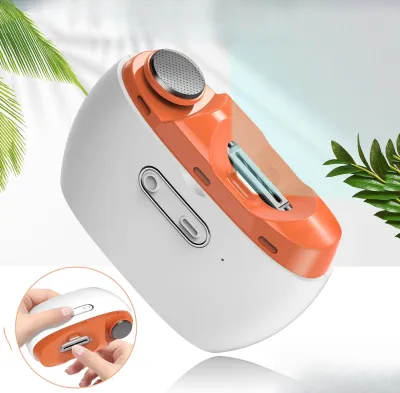
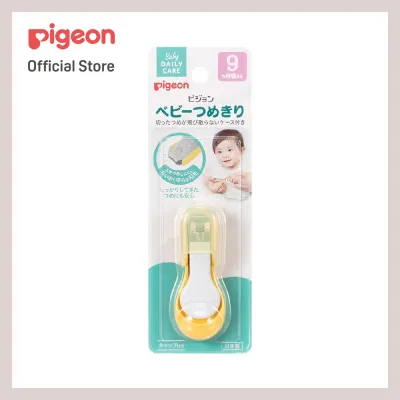
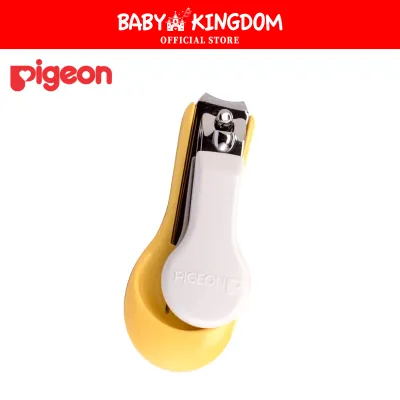
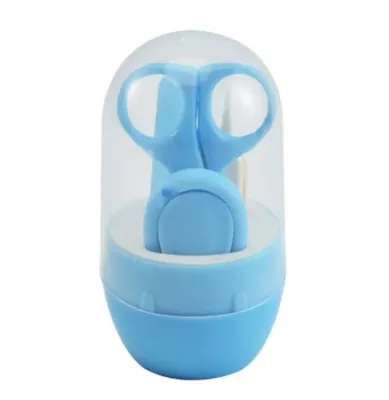
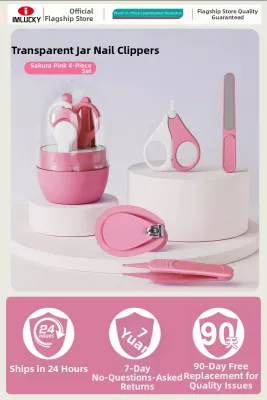
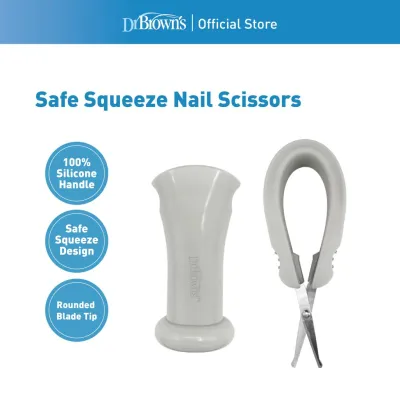
Prices are valid at publication and may change. Please refer to the product page for the latest price.
Pros, Cons, and Buying Checks for Electric Trimmers
Electric baby nail trimmers have gained immense popularity among parents due to their forgiving design. The primary advantage of an electric trimmer is the significantly reduced risk of cutting or pinching the baby’s delicate skin. Because the filing pad stops or slips when it encounters resistance from skin, parents can trim nails with peace of mind, even during nighttime sleep. This makes electric files highly suitable for the paper-thin, pliable nails of newborns. Additionally, many electric models feature built-in LED lights that illuminate the nail area, making low-light grooming sessions much easier.

However, electric trimmers do have notable limitations. The filing process is inherently slower than a quick manual clip, which can test the patience of an awake, squirming baby. These devices also rely on batteries or USB charging, meaning they can become unusable if not kept powered. Some infants may also be sensitive to the subtle vibration or humming sound of the motor, causing them to pull their hands away.
When evaluating electric trimmers for purchase, perform several key buying checks. Look for models that offer adjustable speed settings, allowing you to switch between gentle and moderate rotation speeds depending on your baby’s comfort. Ensure the kit includes multiple pad grits clearly labeled for different age brackets, from newborn to toddler. Finally, check the manufacturer’s specifications for motor noise levels, prioritizing whisper-quiet operation to minimize sensory disturbance during sleep.
Pros, Cons, and Buying Checks for Manual Cutters
Traditional manual baby nail cutters remain a staple in nursery care due to their efficiency and simplicity. The most significant advantage of manual tools is speed; an experienced parent can trim all ten fingernails in a fraction of the time it takes to file them down electrically. Manual clippers and scissors do not require batteries, charging cables, or replacement pads, making them highly portable and reliable for travel or quick touch-ups on the go. They also offer clean, precise cuts that leave fewer rough edges when handled correctly.
The main drawback of manual cutters is the high level of precision and steady hand required from the caregiver. If a baby moves suddenly during a clip, there is a genuine risk of nicking the skin or cutting too close to the quick. This risk can make the grooming process highly stressful for anxious parents, sometimes leading to avoidance and overgrown nails.
Before purchasing manual cutters, inspect the tool’s physical design carefully. Look for ergonomic, non-slip handles that provide a secure grip, even if your hands are slightly damp after bath time. Avoid clippers with bulky plastic guards that block your direct line of sight to the nail edge, as clear visibility is crucial for safety. Ensure the blades are made of high-quality stainless steel with precisely aligned, smooth cutting edges to prevent tearing or splitting the baby’s nails.
Matching the Tool to Your Baby's Age and Development
As your baby grows, their nail texture and behavioral patterns change, requiring different grooming approaches. During the first few weeks and up to six months of life, a baby’s nails are incredibly soft, thin, and fast-growing. They often adhere closely to the underlying skin, making manual clipping exceptionally difficult. For this stage, gentle electric filing pads or specially designed rounded baby scissors are highly recommended. These tools allow you to manage the rapid growth without pulling or tearing the delicate nail bed.
From six months of age and older, infants begin to develop harder, thicker nails that are more resilient but also sharper. At this stage, the softest electric filing pads may become less effective, requiring you to transition to coarser electric pads or manual baby clippers. This period also coincides with increased physical activity, as babies learn to roll, sit, and grab objects, making them more likely to squirm during grooming sessions.
For active toddlers, grooming often becomes a test of patience. The speed of manual clippers is highly advantageous here, allowing you to complete the task quickly before the child loses interest. Alternatively, if your toddler is easily startled by physical restraint, a quiet electric trimmer can be used as a distraction-free tool while they watch a favorite book or during a calm contact nap. Observing your child’s sensory preferences will guide you to the most cooperative solution.
Decision Framework: Which Baby Nail Cutter Should You Choose?
To finalize your choice, consider how your personal comfort aligns with your baby’s current developmental needs. You should choose an electric trimmer if you are a first-time parent experiencing high anxiety about using sharp blades near your baby’s fingers. It is also the ideal choice if you prefer to groom your baby while they are asleep or if you are managing a newborn with extremely soft, fast-growing nails that require frequent, gentle maintenance.
Conversely, you should choose a manual cutter if you value speed, simplicity, and long-term cost-effectiveness. Manual tools are highly practical for parents who have a steady hand, travel frequently, or have older babies with thicker nails that require a clean, swift cut. They are also highly practical if you prefer a tool that is always ready to use without worrying about battery life or purchasing replacement filing pads.
Many families find that utilizing both tools offers the most balanced approach. You can keep an electric trimmer in the nursery for quiet, stress-free nighttime grooming, and carry a compact pair of manual baby scissors in your diaper bag for quick daytime adjustments. With quality options for both types typically ranging from S$15 to S$40 in local retail stores, budgeting for both is a highly accessible option for many families.
Essential Safety and Handling Practices
Regardless of the tool you select, implementing safe handling practices is vital to prevent accidental injury and keep the experience positive for both you and your baby. Timing is everything when it comes to infant nail care. The optimal time to trim your baby’s nails is immediately after a bath, when the warm water has naturally softened the nails, or during a feeding session when the baby is relaxed and distracted. Alternatively, waiting until the baby is in a deep sleep ensures they remain still throughout the process.
When executing the trim, use proper physical techniques to isolate the nail. Hold the baby’s hand securely but gently, and use your thumb to press the finger pad away from the nail edge. This action exposes the free edge of the nail and creates a safe clearance space, minimizing the risk of catching the skin with either a blade or a rotating file. Work in a well-lit room, and take your time with each individual finger.
Always establish clear stop conditions for your grooming sessions. If your baby becomes highly distressed, cries, or struggles excessively, stop the process immediately and try again later; forcing the trim increases the risk of injury. In the event of an accidental cut that causes bleeding, apply gentle pressure with a clean, damp cloth. Avoid using adhesive bandages on infants’ fingers, as they pose a serious choking hazard if the baby puts their hands in their mouth. If bleeding persists or if you notice signs of localized redness, swelling, or warmth in the days following, consult a pediatrician promptly.
Frequently Asked Questions (FAQ)
How often should I trim my baby's nails?
Fingernails grow surprisingly fast in infants and may require trimming once or twice a week to prevent accidental scratching. Toenails, however, grow at a much slower rate and typically only need attention once or twice a month. Always observe your baby’s nails and check the manufacturer’s age-specific guidance on your grooming tools to maintain a safe and comfortable length.
Can I use a regular adult nail cutter for my baby?
It is strongly recommended to avoid using adult nail cutters on babies. Adult clippers are sized for larger, thicker nails and lack the safety features, rounded edges, and clear visibility designs required for tiny infant fingers. Using them significantly increases the risk of cutting the delicate skin of the nail bed or causing painful nail splitting.
What should I do if I accidentally nick my baby's skin?
If an accidental nick occurs, remain calm and immediately apply gentle pressure to the area using a clean, damp cloth or sterile gauze to stop the bleeding. Do not apply liquid bandages or standard adhesive bandages to an infant’s fingers, as these are choking hazards. If the bleeding does not stop after a few minutes of continuous pressure, seek professional medical advice.
Community discussion
Share your experience or ask a question. Comments are reviewed before publication.