
Selecting the safest baby laundry detergent for a newborn in Singapore requires looking beyond appealing packaging and pleasant scents. A newborn’s skin is structurally different from adult skin, making it highly susceptible to chemical irritants commonly found in standard household detergents. In Singapore’s hot and humid tropical climate, sweat and friction can exacerbate skin sensitivities, making a clean, residue-free laundry routine essential. To protect your baby’s delicate skin barrier, the safest detergents are those formulated without optical brighteners, synthetic fragrances, harsh surfactants, and aggressive preservatives.
When choosing a detergent, parents must navigate a crowded market filled with options ranging from plant-based liquids to eco-friendly sheets. The ideal choice is a mild, hypoallergenic liquid detergent that is dermatologically tested and proven to rinse away completely. Liquid formulas dissolve easily in both cold and warm water, ensuring no abrasive particles remain trapped in the fibers of your baby’s onesies, swaddles, and bedding. By understanding what ingredients to avoid and how to manage laundry in a humid climate, you can keep your baby comfortable and free from skin irritation.
Why Newborn Skin Needs a Dedicated Laundry Routine
A newborn’s skin is incredibly delicate, serving as a developing shield against the outside world. Physiologically, an infant’s skin is up to thirty percent thinner than adult skin, particularly the stratum corneum, which is the outermost protective layer. This thinness means the skin barrier is highly permeable, allowing topical substances, environmental pollutants, and chemical residues to penetrate much more easily. Additionally, babies have a higher surface-area-to-body-weight ratio than adults, meaning any chemical absorbed through the skin has a proportionally greater impact on their system.
Products mentioned in this guide
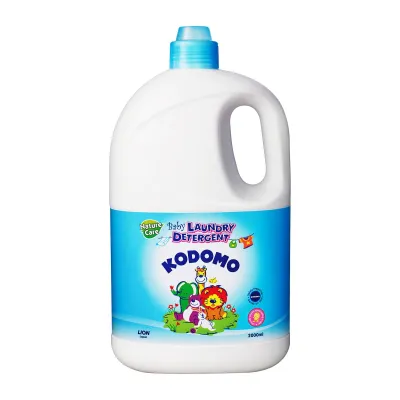
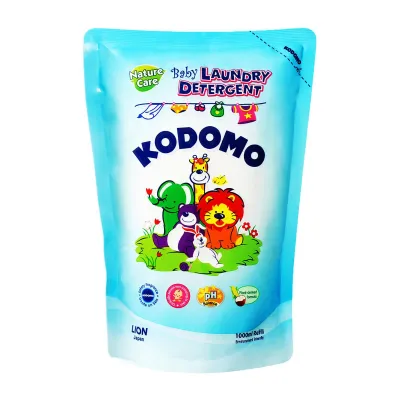
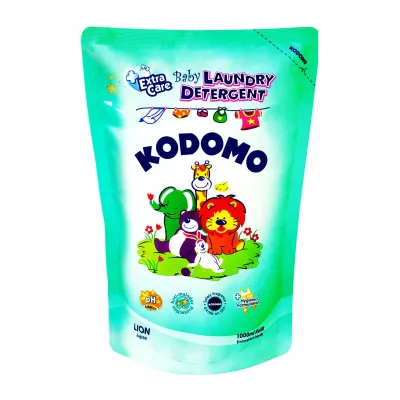
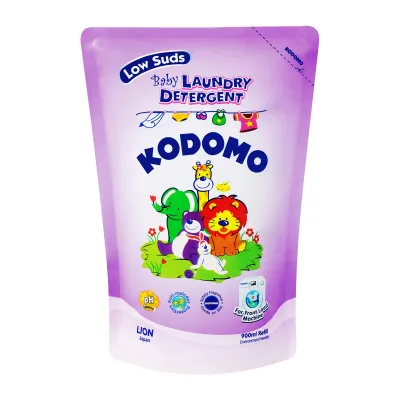
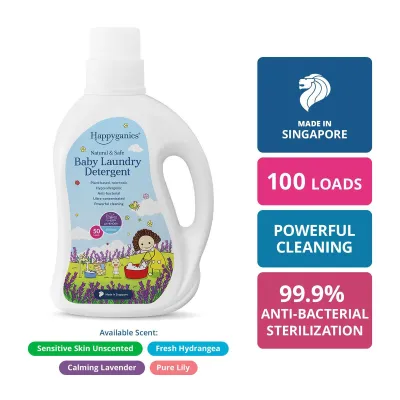
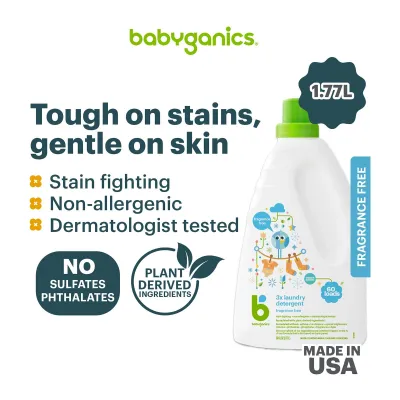
Prices are valid at publication and may change. Please refer to the product page for the latest price.
Standard household laundry detergents are formulated to tackle tough adult stains like grease, mud, and sweat. To achieve this, they contain a heavy cocktail of strong surfactants, industrial enzymes, optical brighteners, and synthetic perfumes designed to cling to fabric fibers. When these garments are worn, the residual chemicals rub against the skin, especially in friction-prone areas like the neck, armpits, and diaper line. For a newborn, this constant contact can easily disrupt the fragile acid mantle, leading to contact dermatitis, dry patches, or severe eczema flare-ups.
Many parents assume that switching to “free and clear” adult detergents is sufficient for the entire household. While these formulas are generally better than standard scented detergents, they may still fall short of newborn safety needs. Some adult sensitive detergents still contain strong preservatives or specific stain-lifting enzymes that can trigger reactions in highly sensitive infants. Furthermore, these products are not always optimized for the rapid, complete rinsing required to ensure zero residue remains on tightly woven baby garments.
In Singapore, the climate adds another layer of complexity to newborn skin care. The persistent heat and high humidity cause infants to sweat frequently, which can dissolve any chemical residues left on their clothing. This dissolved chemical mixture is then held directly against the skin, increasing the likelihood of irritation and heat rash. Establishing a dedicated laundry routine using a specialized baby detergent ensures that every fabric touching your newborn is free from irritating residues, supporting their skin health during these crucial early months.
Harsh Ingredients to Avoid in Baby Detergents
When scanning the ingredient lists of laundry detergents, the terminology can often feel overwhelming. However, knowing which specific chemical compounds to avoid can help you quickly filter out unsuitable products. Here is a detailed checklist of the most common irritants parents should actively avoid when selecting a detergent for newborn laundry:

- Optical Brighteners: These are synthetic chemicals added to detergents to make fabrics appear whiter and brighter. They achieve this by absorbing ultraviolet light and emitting a blue tint, masking the natural yellowing of fabrics over time. Crucially, optical brighteners do not contribute to the actual cleanliness of the clothes; instead, they are designed to remain embedded in the fabric fibers even after the rinse cycle. Because these chemicals do not wash away, they remain in constant, direct contact with your baby's skin. Under the friction of daily movement and moisture from sweat, these brighteners can cause contact sensitivity and allergic reactions.
- Synthetic Fragrances and Phthalates: The clean, fresh scent of freshly washed laundry is highly sought after, but it comes at a significant cost to newborn safety. Synthetic fragrances are proprietary chemical blends that manufacturers are not legally required to disclose in detail. These blends often contain dozens of individual compounds, many of which are known dermal and respiratory irritants. To make these scents last longer on fabrics, manufacturers often use phthalates as binding agents. Phthalates are chemical plasticizers that can be absorbed through the skin or inhaled, posing potential risks to a developing infant. For newborn laundry, completely fragrance-free formulas are always the safest choice.
- Harsh Surfactants: Surfactants are the primary cleaning agents responsible for lifting dirt and oil from fabrics. However, strong anionic surfactants, such as Sodium Lauryl Sulfate (SLS) and Sodium Laureth Sulfate (SLES), are highly aggressive. While they are highly effective at cutting through grease, they can strip the natural lipids and moisture from a newborn's skin barrier if any residue remains on the clothing. When looking at baby detergents, opt for mild, non-ionic surfactants derived from plant sources, such as coco-glucoside or decyl glucoside, which clean gently without leaving harsh residues.
- Certain Preservatives: Because liquid detergents contain water, they require preservatives to prevent the growth of harmful bacteria, mold, and yeast inside the bottle. However, some preservatives are notorious contact allergens. Isothiazolinones, specifically Methylisothiazolinone (MIT) and Methylchloroisothiazolinone (CMIT), are highly sensitizing chemicals that have been linked to severe contact dermatitis in children. Other preservatives to avoid include formaldehyde-releasers (such as DMDM hydantoin) and parabens. Always check the fine print on the back of the bottle to ensure these specific preservatives are excluded from the formulation.
How to Read Labels and Verify Safety Certifications
Navigating the baby care aisle can be challenging due to the abundance of marketing claims on product packaging. Terms like “natural,” “gentle,” “plant-based,” and “organic” are frequently used to attract parents, but these words are often unregulated in the consumer cleaning industry. A detergent labeled as “natural” may still contain synthetic fragrances or irritating preservatives. To ensure a product is truly safe for your newborn, you must learn to look past front-pack marketing and verify the actual ingredients and safety certifications.
The most reliable way to confirm a detergent’s safety profile is to look for independent, third-party certifications. These organizations conduct rigorous laboratory testing and clinical trials to verify a product’s claims. Look for recognized dermatological testing seals, such as the “Dermatest” seal from Germany, which grades products based on clinical skin tolerance tests. Other highly respected certifications include “Allergy Certified” (a global certification body that assesses allergen risks), the “National Eczema Association” seal of acceptance, and “USDA Certified Biobased,” which verifies the percentage of renewable, plant-derived ingredients.
In addition to looking for seals, parents should practice cross-referencing the full ingredient list with the claims on the front of the packaging. A reputable brand committed to safety will practice full ingredient transparency, listing every component clearly on the bottle or their official website rather than using vague terms like “cleaning agents” or “biodegradable surfactants.” If a brand does not disclose its full ingredient list, it is best to choose an alternative that does.
Finally, pay close attention to the manufacturer’s usage and dosage instructions. Even the safest, most gentle detergent can cause skin irritation if used incorrectly. Overdosing—using more detergent than recommended for the load size—leads to an excess of soap suds that the washing machine cannot fully rinse out. This leaves a concentrated layer of detergent residue trapped within the clothing fibers. Always use the provided measuring cap, follow the recommended dosage for small baby loads, and consider utilizing your washing machine’s “extra rinse” function to guarantee all soap is thoroughly cleared.
Liquid vs. Powder vs. Pods: Which Format is Safest?
Baby laundry detergents are available in several formats, each presenting unique advantages, limitations, and safety considerations for newborn care. Understanding how these formats perform in the wash cycle will help you choose the best option for your family’s routine.
Liquid Detergents
Liquid detergents are widely considered the safest and most practical format for washing newborn clothing. Because they are already in liquid form, they dissolve completely and instantly in water of any temperature, including cold water cycles which are commonly used to prevent baby clothes from shrinking. This complete dissolution minimizes the risk of any physical detergent residue remaining on the fabric fibers after the rinse cycle. Additionally, liquid detergents are highly versatile; they can be applied directly to stubborn organic stains, such as breast milk, spit-up, or liquid baby food, as a pre-treatment before the garments are placed in the washing machine.
Powder Detergents
Powder detergents are highly effective at breaking down heavy, ground-in soils and often come in more eco-friendly, plastic-free packaging. They also tend to have a longer shelf life compared to liquid formulas. However, powder detergents present a higher risk of leaving undissolved, chalky residues on clothing. This is particularly common when washing in cold water, running short wash cycles, or overloading the washing machine. These tiny, undissolved granules of detergent can act like sandpaper against a newborn’s sensitive skin, causing friction, dryness, and severe irritation. If you choose to use a powder detergent, it is essential to use warm water and run an extra rinse cycle to ensure all powder is completely dissolved and washed away.
Pods and Detergent Sheets
Laundry pods and detergent sheets offer maximum convenience by eliminating the need for measuring and pouring. However, they present significant challenges when it comes to washing baby clothes. Newborn laundry loads are often small, meaning a single, pre-measured pod or sheet can easily overdose the wash, leading to excessive suds and heavy chemical residue on the garments. More importantly, laundry pods pose a severe safety hazard in households with young children. These highly concentrated, brightly colored capsules can easily be mistaken for candy or toys by toddlers. Ingestion or exposure to the concentrated liquid inside can lead to severe chemical burns, respiratory distress, and eye injuries. If pods are used in the household, they must be stored in child-proof containers on high shelves completely out of reach.
Managing Baby Laundry in Singapore's Humid Climate
Washing and drying baby clothes in Singapore presents unique environmental challenges due to the tropical climate. With relative humidity levels frequently exceeding eighty percent, laundry takes significantly longer to dry, especially when dried indoors. This prolonged dampness creates an ideal breeding ground for mold, mildew, and odor-causing bacteria, which can quickly colonize fabric fibers. When these contaminated clothes are worn by a newborn, the bacteria and mold spores can trigger skin irritation, respiratory issues, and persistent musty odors.
To combat these musty smells, some parents are tempted to use heavy fabric softeners, synthetic scent boosters, or strong chemical sanitizers. However, this approach is highly counterproductive and unsafe for newborn skin. Fabric softeners work by coating the fabric fibers with a thin layer of chemicals and oils, which actually traps moisture and bacterial residues inside the weave, making the odor problem worse over time. These chemical coatings also act as direct skin irritants. Similarly, strong chemical sanitizers can leave harsh residues that damage the delicate skin barrier of an infant.
Instead of relying on harsh chemicals, parents can employ safe, physical drying strategies to ensure baby clothes dry quickly and completely. Whenever possible, hang baby clothes in well-ventilated areas with good airflow, or dry them under direct sunlight, which acts as a natural sanitizer. If outdoor drying is not an option due to rain or haze, using an electric clothes dryer on a low-to-medium heat setting is an excellent way to guarantee complete dryness without damaging delicate cotton fibers. Alternatively, running a dehumidifier or a standing fan in your indoor drying room can dramatically speed up drying times, preventing mold and bacteria from developing.
Maintaining your washing machine is another crucial step in preventing cross-contamination. Washing machines can harbor mold, soap scum, and bacteria in their rubber seals and detergent drawers, which are then transferred to your baby’s clothes during the wash cycle. To prevent this, always leave the washing machine door and detergent drawer open after every cycle to allow the interior to dry completely. Additionally, run a monthly drum-cleaning cycle using a manufacturer-approved washing machine cleaner or a hot water cycle with distilled white vinegar to sanitize the machine and keep your baby’s laundry truly clean.
Frequently Asked Questions (FAQ)
Do I really need a separate detergent for baby clothes?
While a dedicated baby detergent is highly recommended during the first few months when your newborn’s skin barrier is at its most vulnerable, it is not strictly mandatory forever. As your child’s skin matures, you may transition to a single household detergent, provided it is completely fragrance-free, dye-free, and formulated for sensitive skin. The key is ensuring the detergent rinses cleanly without leaving residues. When transitioning, always wash a single garment first and monitor your baby’s skin for any signs of redness or irritation before washing their entire wardrobe with the family detergent.
Is it safe to use fabric softener on newborn clothes?
It is not safe or recommended to use traditional liquid fabric softeners or dryer sheets on newborn clothing. These products deposit a chemical film over the fabric fibers to make them feel soft, which can easily irritate a baby’s sensitive skin and trigger allergic reactions. Furthermore, this chemical coating reduces the natural absorbency of cotton fabrics (such as towels and cloth diapers) and can significantly diminish the flame-resistant properties of infant sleepwear. To soften baby clothes safely, use 100% wool dryer balls in the dryer, which naturally fluff fabrics and reduce static cling without any chemical additives.
How can I prevent musty odors without using strong chemical sanitizers?
To prevent musty odors naturally in Singapore’s humid climate, never leave wet laundry sitting in the washing machine drum after the cycle finishes; transfer it to the dryer or drying rack immediately. To eliminate odors safely during the wash, you can add half a cup of distilled white vinegar to the fabric softener compartment of your washing machine. The vinegar acts as a natural fabric softener and odor neutralizer, breaking down mineral buildup and detergent residues. Once the clothes are dry, the vinegar scent completely dissipates, leaving the garments fresh, soft, and safe for your newborn’s skin.

Community discussion
Share your experience or ask a question. Comments are reviewed before publication.