
Selecting the right sterilisation method for your baby’s feeding bottles is essential for maintaining hygiene and extending the lifespan of the product. Because Pigeon bottles are manufactured in three distinct materials—glass, polypropylene (PP), and polyphenylsulfone (PPSU)—each type requires a specific approach to heat and light exposure. Using an incompatible method can lead to warped plastic, weakened glass, or accelerated material degradation.
To keep your feeding equipment safe and functional, you must match the sterilisation process to the physical limits of the bottle material. This guide outlines how to safely sterilise each Pigeon bottle type, what warning signs of wear to watch for, and how to handle delicate accessories like silicone nipples and collar rings.
Quick Reference: Sterilisation Methods by Pigeon Bottle Material
Before choosing a sterilisation routine, it helps to understand how each material interacts with common household sterilising methods. While some materials tolerate extreme thermal changes, others require gentle handling to prevent structural fatigue.
Products mentioned in this guide
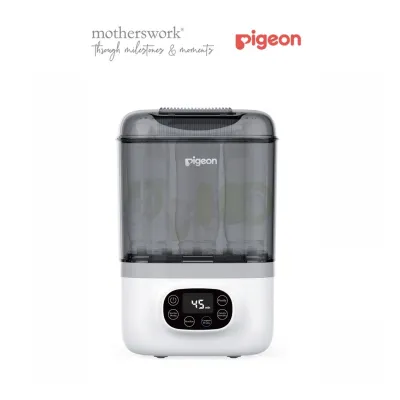
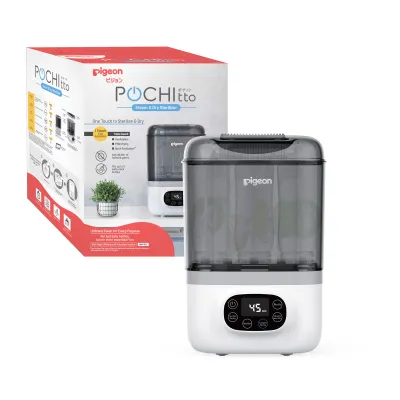
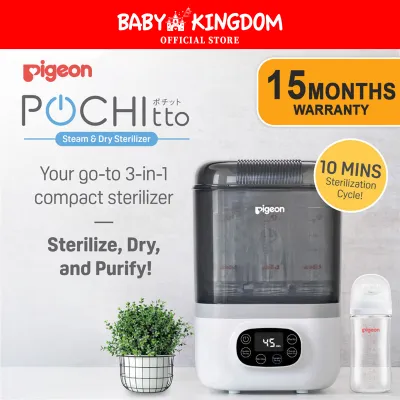
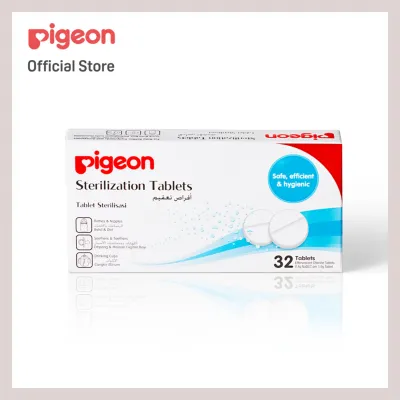
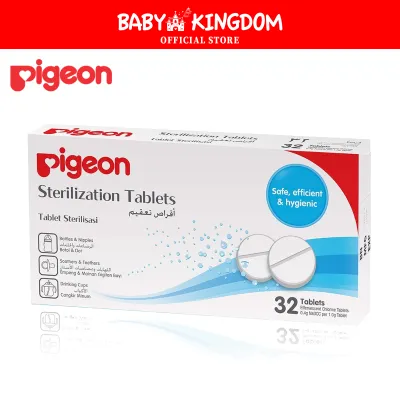
Prices are valid at publication and may change. Please refer to the product page for the latest price.
Below is a general compatibility overview based on standard material properties. Always cross-reference this with the specific guidelines printed on your bottle’s packaging, as manufacturing updates may alter these recommendations.
| Bottle Material | Boiling Water | Steam Sterilisation | UV Sterilisation | Microwave Steam |
|---|---|---|---|---|
| Glass | Highly Compatible | Highly Compatible | Compatible | Compatible |
| Polypropylene (PP) | Compatible (Limit time) | Compatible | Check Label | Compatible (With water) |
| Polyphenylsulfone (PPSU) | Highly Compatible | Highly Compatible | Check Label | Highly Compatible |
While the bottle body itself might withstand high temperatures, the accompanying accessories often have lower heat thresholds. Always separate the bottle into its individual components—the bottle body, silicone nipple, collar ring, and cap—before sterilising. Checking the heat tolerance of each individual part prevents accidental melting or warping.
Sterilising Pigeon Glass Bottles
Pigeon glass bottles are highly valued for their durability, chemical inertness, and excellent heat resistance. They are generally compatible with all standard sterilisation methods, including boiling water, electric steam sterilisers, and microwave steam bags. Because glass does not degrade under repeated thermal exposure, these bottles can withstand frequent sanitisation cycles without losing clarity.

However, glass is highly susceptible to thermal shock, which occurs when the material experiences a rapid, extreme change in temperature. To prevent the glass from cracking or shattering, never plunge a hot, freshly sterilised bottle into cold water. Similarly, avoid placing a cold bottle directly into boiling water; instead, place the bottle in cool water and allow them to heat up together.
Before and after every sterilisation cycle, perform a thorough visual inspection of the bottle. Look closely for micro-cracks, chips around the rim, or deep scratches. Even minor surface damage can compromise the structural integrity of the glass, making it prone to breaking during a feed. If you detect any imperfections, discard the bottle immediately.
Sterilising Pigeon PP (Polypropylene) Bottles
Polypropylene (PP) bottles are lightweight, shatterproof, and highly practical for daily use, but they have the lowest heat tolerance among the three materials. Standard PP plastic typically tolerates temperatures up to 110°C. Exceeding this limit during boiling or steam sterilisation can cause the plastic to warp, soften, or degrade prematurely.
When sterilising PP bottles, always check the manufacturer’s stated maximum heat tolerance on the product label. If you use the boiling method, ensure the bottle does not touch the hot bottom or sides of the pot, as localized hotspots can easily exceed the plastic’s melting point. Limit boiling times to the exact duration recommended in the product manual, usually around three to five minutes.
Over time, repeated exposure to heat will cause PP bottles to show signs of degradation. Inspect your PP bottles regularly for cloudiness, physical warping, a sticky surface texture, or localized whitening of the plastic. These visual and tactile changes indicate that the polymer structure is breaking down, meaning it is time to replace the bottle.
Sterilising Pigeon PPSU (Polyphenylsulfone) Bottles
Polyphenylsulfone (PPSU) is a medical-grade plastic that combines the lightweight benefits of PP with the high-temperature durability of glass. PPSU bottles can typically withstand temperatures up to 180°C, making them highly compatible with steam, boiling, and microwave sterilisation. This superior heat resistance allows PPSU to endure frequent sterilisation cycles without warping or degrading quickly.
Despite its durability, you must still verify the specific temperature limits provided by the manufacturer for your exact PPSU model. When using microwave sterilisers, ensure there is sufficient water in the steriliser chamber to prevent dry heating, which can damage even highly heat-resistant plastics.
PPSU naturally possesses a distinct honey-coloured or straw-like tint. This yellowish hue is a characteristic of the raw material and is completely harmless. However, you should distinguish this natural coloration from signs of physical wear. If you notice deep scratches, cracks, or a cloudy film that cannot be washed away, the structural integrity of the bottle may be compromised, and it should be replaced. After sterilisation, allow the PPSU bottle to cool completely on a clean rack before assembling it to prevent any minor deformation while the plastic is warm.
Don't Forget the Accessories: Nipples, Rings, and Caps
A common mistake is assuming that the bottle’s accessories share the same heat tolerance as the bottle body. Pigeon bottle sets include silicone nipples, PP collar rings, and PP protective caps. Each of these components is made from a different material with its own thermal and physical limitations.
Silicone nipples are soft and flexible, making them highly sensitive to prolonged heat and UV exposure. Over-sterilising silicone can cause it to become sticky, brittle, or prone to tearing. PP collar rings and caps can warp if they are pressed against hot metal surfaces during boiling, which can lead to leaks during feeding.
To protect these accessories, adjust your sterilisation times to match the lowest common denominator of heat tolerance. Never leave silicone nipples in boiling water longer than recommended, and keep them away from direct heating elements. Inspect all accessories daily by pulling gently on the nipple bulb to check for tears, swelling, stickiness, or a loss of elasticity. Discard and replace any accessory immediately if it shows signs of wear to ensure safe feeding.
Frequently Asked Questions (FAQ)
Can I use UV sterilisers for all Pigeon bottle materials?
UV sterilisation is highly compatible with glass bottles, as glass does not degrade under ultraviolet light. However, plastics like PP and PPSU, as well as silicone nipples, can experience accelerated aging, discoloration, or surface brittleness when subjected to repeated UV exposure. Before using a UV steriliser, check the manufacturer’s guidelines on the bottle packaging to confirm if your specific bottle model and its accessories are rated for UV exposure.
How do I know if my Pigeon bottle is no longer safe to use after repeated sterilisation?
You can determine if a bottle is unsafe by performing regular visual and tactile checks. For glass bottles, look for chips, hairline cracks, or deep scratches. For plastic bottles (PP and PPSU), check for persistent cloudiness, warping, a sticky residue, or localized whitening. If you observe any of these signs, replace the bottle immediately to prevent bacterial accumulation in scratches or potential material leaching.
Do I need to sterilise Pigeon bottles before every single feed?
For newborns, premature infants, or babies with compromised immune systems, daily sterilisation is highly recommended to protect them from harmful pathogens. For older, healthy infants, thorough washing with warm, soapy water and a clean bottle brush is often sufficient for daily hygiene, though periodic sterilisation remains beneficial. Consult your pediatrician or a qualified healthcare professional to establish a routine tailored to your baby’s developmental stage and health needs.

Community discussion
Share your experience or ask a question. Comments are reviewed before publication.