
When shopping for children’s bath products in Singapore, many parents actively search for ‘HSA-certified’ kid shampoos to guarantee the safety of their little ones. However, a common misconception exists regarding how personal care products are regulated locally. The Health Sciences Authority (HSA) does not actually issue ‘certifications,’ ‘approvals,’ or safety seals for cosmetic products, including kid shampoos, before they hit the shelves.
Instead, Singapore operates under a post-market surveillance system aligned with regional standards. This means that while every kid shampoo sold legally in Singapore must be notified to the HSA, the responsibility for safety lies with the importers and distributors. Understanding this regulatory framework is the first step toward making informed, safe purchasing decisions for your family. By learning how to read ingredient labels and verify product notifications, you can confidently navigate the retail landscape without relying on non-existent certification stamps.
Understanding HSA Rules for Children's Bathing Products
To protect consumers while facilitating trade, Singapore adopts the ASEAN Cosmetic Directive (ACD). Under this framework, cosmetics—which include shampoos, bath gels, and skin creams—do not undergo the rigorous pre-market testing and approval processes reserved for prescription medicines or medical devices. Instead, the regulatory system relies on a two-pronged approach: pre-market notification and post-market surveillance.
Products mentioned in this guide
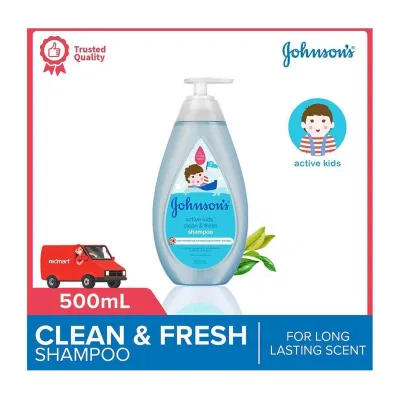
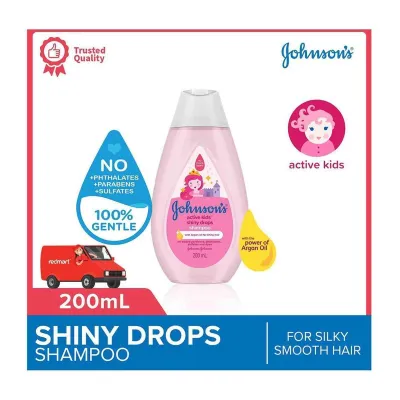
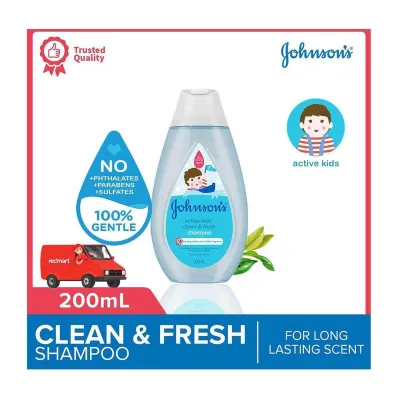
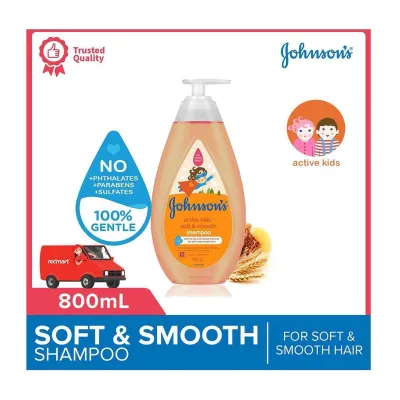
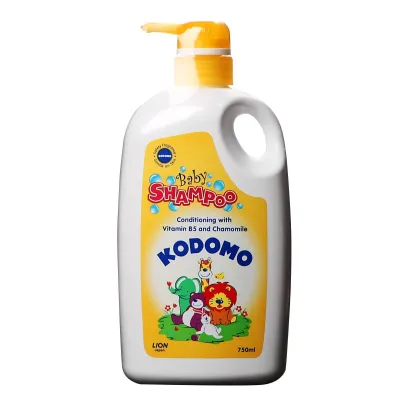
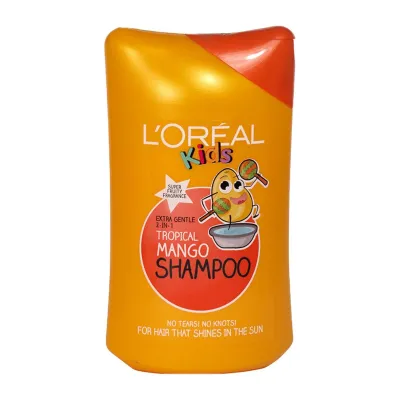
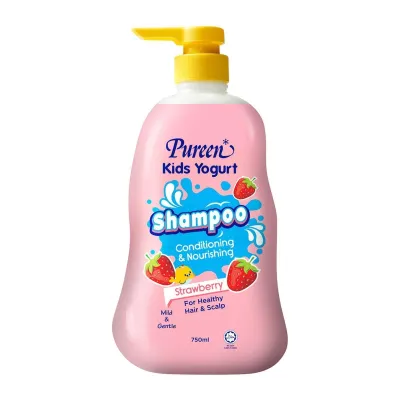
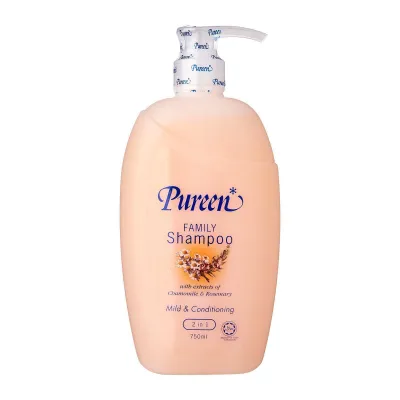
Prices are valid at publication and may change. Please refer to the product page for the latest price.
Before any kid shampoo can be imported, distributed, or sold in Singapore, the local company responsible for placing the product on the market must submit a Cosmetic Product Notification to the HSA. This notification is a formal declaration by the company that the product complies with all the requirements of the ACD. It includes details about the product’s ingredients, manufacturing standards, and labeling. It is important to note that a successful notification does not mean the HSA has tested or ‘certified’ the shampoo; it simply means the company has registered its intent to sell the product and has declared it safe.
Once the product is on the market, the HSA’s post-market surveillance program takes over. The authority monitors the safety of cosmetic products through various channels, including adverse reaction reporting by healthcare professionals, public feedback, and random product sampling and testing. If a product is found to contain prohibited substances, excessive levels of heavy metals, or microbial contamination, the HSA will take swift action, which may include ordering a product recall, suspending sales, and prosecuting the offending company.
Because of this regulatory structure, parents should not expect to find an ‘HSA-certified’ logo or seal on any kid shampoo bottle. In fact, any product label claiming to be ‘HSA-approved’ or ‘HSA-certified’ is violating local labeling guidelines, as such claims are misleading. The absence of such a logo is completely normal and should not be taken as a sign that the product is unsafe or unregulated.
Key Safety Checks When Selecting Kid Shampoo
In the absence of a government-issued safety stamp, the responsibility of evaluating a kid shampoo falls largely on parents. Children’s skin and scalps are significantly thinner, more delicate, and more permeable than those of adults, making them highly susceptible to irritation and chemical absorption. Therefore, learning how to scrutinize ingredient lists is an essential skill for every caregiver.

One of the first things to look for is the type of surfactants used in the formulation. Surfactants are the cleansing agents responsible for creating lather and removing dirt and oil. Harsh surfactants, such as Sodium Lauryl Sulfate (SLS) and Sodium Laureth Sulfate (SLES), are commonly found in adult shampoos because they are highly effective and inexpensive. However, they can be incredibly stripping for a child’s scalp, leading to dryness, itching, and irritation. When choosing a kid shampoo, look for milder, plant-derived surfactants such as coco-glucoside, decyl glucoside, or sodium cocoyl glutamate, which cleanse gently without disrupting the natural lipid barrier.
Preservatives are another critical category to examine. Because shampoos contain water, they require preservatives to prevent the growth of harmful bacteria, mold, and yeast. However, some preservatives are known sensitizers. Parabens (such as methylparaben and propylparaben) and formaldehyde-releasing agents (such as DMDM hydantoin, imidazolidinyl urea, and quaternium-15) have been linked to skin irritation and contact allergies in sensitive individuals. Opting for products that use gentler preservative systems, or those specifically formulated for sensitive skin, can minimize these risks.
Fragrances and colorants are primarily aesthetic additions that serve no functional purpose in cleansing. Unfortunately, synthetic fragrances are among the leading causes of cosmetic-induced allergic contact dermatitis. Even products labeled ‘hypoallergenic’ may contain masking fragrances. For children, especially those with sensitive skin or conditions like eczema, fragrance-free formulations are highly recommended. If a scent is desired, look for products that use very low concentrations of natural, non-sensitizing botanical extracts rather than synthetic perfume blends.
Many kid shampoos prominently feature a ‘tear-free’ claim. This is not just a marketing gimmick; it indicates that the formulation uses specific non-ionic surfactants that are less likely to irritate the eyes’ sensitive mucous membranes. While ‘tear-free’ shampoos are gentler, they are not completely immune to causing discomfort if splashed directly into the eyes in large quantities. Caregivers should still exercise caution during bath time and rinse the eyes with clean water if accidental contact occurs.
Additionally, always check the manufacturer’s age recommendations on the packaging. A shampoo formulated for a five-year-old may contain ingredients or concentrations that are inappropriate for a newborn or infant. Infant skin is exceptionally fragile, requiring specialized baby washes that are formulated with the absolute minimum number of ingredients to reduce the risk of sensitization.
How to Verify Product Status and Check for Recalls
While you cannot look for a certification logo on the bottle, you can actively verify whether a kid shampoo has been legally notified in Singapore. The HSA maintains a public register of notified cosmetic products, which is accessible to anyone with an internet connection. This tool is particularly useful if you are purchasing a brand that is new to the market, imported from overseas, or sold through independent online sellers.
To verify a product, visit the official HSA website and navigate to the section dedicated to cosmetic products. From there, you can access the public search database for notified cosmetics. You can search using various parameters, including the product name, the brand name, or the name of the local company that submitted the notification. If the kid shampoo is legally registered for sale in Singapore, its details—including the notification number and the responsible local company—will appear in the search results.
If you search for a product and cannot find it in the database, it is wise to exercise caution. It could mean the product has not been legally notified to the HSA, which is a requirement for all cosmetics sold in Singapore. This is a common issue with parallel-imported goods or products purchased from overseas sellers on online marketplaces. Without a local notification, there is no local company taking legal responsibility for the product’s safety, and the HSA has no record of its entry into the market, increasing the risk of purchasing counterfeit or substandard formulations.
In addition to verifying notifications, parents should regularly check the HSA’s public alerts and recall lists. The HSA actively monitors the market and publishes press releases when they detect harmful cosmetic products. These alerts typically detail the brand name, the specific batch affected, and the hazardous substances found—such as banned preservatives, heavy metals, or bacterial contamination. If you discover that a kid shampoo you are currently using is subject to an HSA recall, stop using it immediately. Do not attempt to finish the bottle. Dispose of it safely and, if your child has shown any unusual skin reactions, consult a doctor.
Matching Formulations to Your Child's Skin and Hair Needs
Every child’s hair and scalp are unique, meaning a shampoo that works wonderfully for one child might cause dryness or tangles for another. In Singapore’s warm and humid climate, sweat and sebum can accumulate quickly, but constant air-conditioning in indoor spaces can simultaneously dry out a child’s skin. Therefore, selecting a formulation tailored to your child’s specific needs is essential.
For children with normal hair and scalp conditions, a basic, gentle kid shampoo that cleanses without stripping is sufficient. These formulations typically focus on mild cleansing agents and light hydration to keep the hair soft and manageable.
Children with dry, thick, or curly hair require extra moisture. Curly hair structures make it difficult for natural scalp oils to travel down the hair shaft, leading to dry ends and frequent tangles. For these hair types, look for shampoos enriched with natural emollients and humectants. Ingredients like glycerin help draw moisture into the hair, while natural oils like jojoba or argan oil can help smooth the hair cuticle and reduce tangles, making combing much easier and less painful.
If your child has eczema-prone or highly sensitive skin, the choice of shampoo becomes even more critical. The skin barrier in children with eczema is compromised, making it highly susceptible to irritants and allergens. For these children, look for soap-free, fragrance-free, and dermatologist-tested formulations. Ingredients like colloidal oatmeal are highly beneficial, as they help soothe itching, reduce redness, and form a protective barrier over the skin. Ceramides are also excellent for helping to rebuild and strengthen the skin’s natural barrier.
| Ingredient | Intended Benefit | Limitations / Considerations |
|---|---|---|
| Colloidal Oatmeal | Soothes itching, calms redness, and locks in moisture for sensitive skin. | May feel heavy on fine, oily hair types; does not lather extensively. |
| Aloe Vera | Hydrates the scalp and provides a cooling sensation for mild irritation. | Rare individual sensitivities exist; check for added synthetic fragrances in the formula. |
| Glycerin | Acts as a humectant to draw moisture into the hair shaft and scalp. | Needs to be balanced with emollients to prevent a sticky residue in humid climates. |
| Coco-Glucoside | A mild, plant-derived surfactant that cleanses without stripping natural oils. | Produces less dense foam compared to traditional sulfates, which some users may find unusual. |
While over-the-counter kid shampoos can manage mild dryness or sensitivity, they are not medical treatments. If your child suffers from severe cradle cap, persistent seborrheic dermatitis, or weeping eczema on the scalp, you should consult a pediatrician or a dermatologist in Singapore. They can diagnose the underlying issue and prescribe medicated shampoos or topical treatments that are safe and effective for your child’s specific condition.
Safe Usage Practices and When to Stop
Even when you have selected a highly rated, gently formulated kid shampoo, safe usage practices are vital to prevent adverse reactions. Introducing a new product to your child’s routine should always be done with care, particularly if they have a history of sensitive skin or allergies.
Before using any new kid shampoo for the first time, it is highly recommended to perform a patch test. This simple step can help you identify potential allergic reactions before applying the product to your child’s entire scalp. To conduct a patch test, dilute a small drop of the shampoo with water and apply it to a small, discreet area of skin, such as the inner forearm or behind the ear. Leave it on for a few minutes, then rinse it off completely. Monitor the area over the next 24 to 48 hours for any signs of reaction, such as redness, swelling, itching, or tiny bumps. If no reaction occurs, the product is generally safe to use.
During bath time, always use lukewarm water, as hot water can strip the scalp of its natural oils and exacerbate dryness. Apply a small, coin-sized amount of shampoo to your hands first, lathering it slightly before gently massaging it onto your child’s scalp. Use the soft pads of your fingers rather than your fingernails to avoid scratching the delicate skin. Ensure that you rinse the hair thoroughly with clean water, paying close attention to the hairline, behind the ears, and the back of the neck, as dried shampoo residue is a common cause of localized skin irritation.
You should discontinue use of the shampoo immediately if you observe any signs of an adverse reaction. These signs include persistent redness, excessive dryness, flaking of the scalp, hives, or if your child complains of stinging, burning, or itching during or after their bath. If irritation occurs, gently rinse the area with cool water to remove any lingering product and pat the skin dry with a clean, soft towel.
If the skin irritation does not improve within a few days of stopping the shampoo, or if it appears to worsen—showing signs of infection such as oozing, crusting, or increased warmth and swelling—seek professional medical advice. A healthcare professional can help determine whether the reaction was caused by the shampoo or another environmental factor and provide appropriate treatment.
Frequently Asked Questions (FAQ)
Do organic or natural kid shampoos still need HSA notification?
Yes, all cosmetic products sold in Singapore, including those marketed as ‘organic,’ ‘natural,’ or ‘herbal,’ must be notified to the HSA before they can be legally distributed or sold. Marketing terms like ‘natural’ do not exempt a product from regulatory oversight. In fact, natural ingredients and botanical extracts can still contain potential allergens or cause skin sensitization, making the notification process and compliance with safety standards just as important for these products as they are for conventional formulations.
Can I use adult shampoo for my child if it is fragrance-free?
It is generally not advisable to use adult shampoos on children, even if they are fragrance-free. Adult formulations are designed for mature skin and hair, which produce more sebum and are less sensitive than a child’s. Consequently, adult shampoos often contain stronger surfactants and different pH levels that can easily strip a child’s delicate scalp barrier, leading to dryness, irritation, and cradle-cap-like symptoms. It is always safer to stick to products specifically formulated for children’s unique physiological needs.
What should I do if my child experiences an allergic reaction to a shampoo?
If your child experiences an allergic reaction, the immediate priority is to rinse the affected area thoroughly with plenty of lukewarm water to remove all traces of the shampoo. Gently pat the skin dry with a clean towel without rubbing, which can further irritate the skin. Discontinue using the product immediately. For mild redness or itching, you can apply a gentle, fragrance-free moisturizer or barrier cream. However, if the reaction is severe—involving facial swelling, difficulty breathing, widespread hives, or extreme distress—seek emergency medical attention at a clinic or hospital in Singapore immediately.

Community discussion
Share your experience or ask a question. Comments are reviewed before publication.