
Finding a reliable travel car seat in Singapore is a top priority for families who frequently use ride-hailing services, hop into taxis, or plan overseas road trips. While Singapore offers an efficient transport network, keeping your child secure on the move requires understanding local laws, international safety certifications, and the practical design features of portable child restraints. To ensure your child’s safety, look for reputable brands that carry verified safety certifications—such as UN ECE R129 (i-Size), UN ECE R44/04, or US FMVSS 213—and choose a model that aligns precisely with your child’s current age, weight, and height.
Selecting a portable restraint involves balancing safety, portability, and ease of installation. Standard everyday car seats are often too heavy and bulky to carry through Changi Airport or transfer quickly between private hire vehicles. By focusing on certified, lightweight, and easily installable options, you can protect your child on every journey without compromising on convenience. Always remember that no car seat can guarantee absolute safety in every crash scenario, but a properly installed, certified seat dramatically reduces the risk of serious injury.
Understanding Singapore's Car Seat Regulations for Travel
Under the Singapore Road Traffic Act, anyone under the height of 1.35 metres must be secured with an approved child restraint appropriate for their height and weight, or use a body-conforming seatbelt with an approved booster seat cushion. This law applies to all private cars and private hire vehicles (PHVs) such as Grab, Gojek, Ryde, and Tada. Drivers who fail to comply with these regulations face composition fines and demerit points, reflecting the high priority the Singapore government places on road safety for young passengers.
Products mentioned in this guide
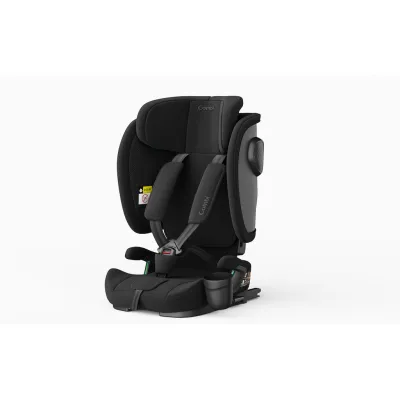
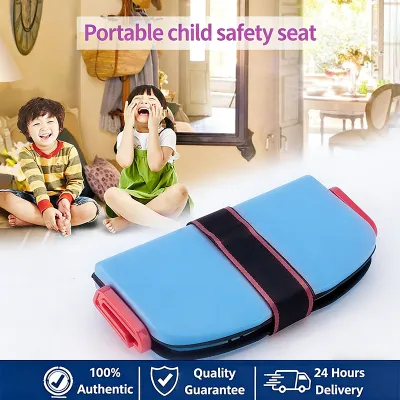
![Easyhome.sg [Child SAFETY] Baby Booster Car Seat Chair – Toddler Safety Travel Carrier for Children](https://img.lazcdn.com/g/p/9a1e79f7193f323d784f040bd84fc2a9.png_400x400q80.png_.webp)
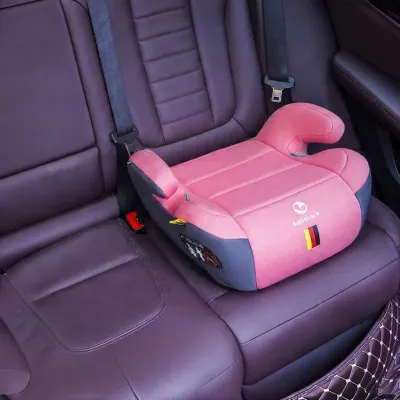
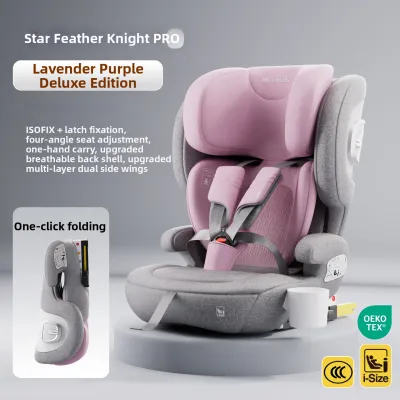
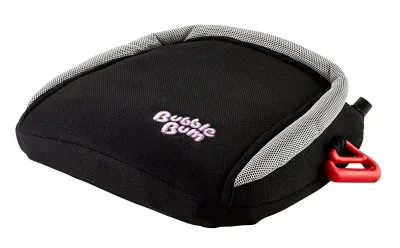
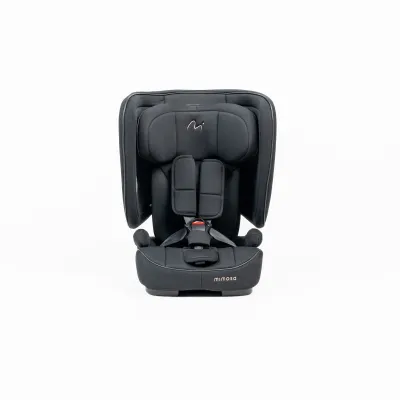
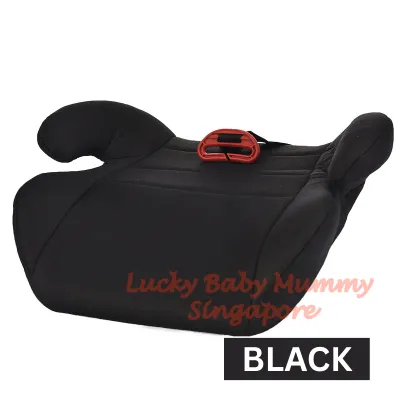
Prices are valid at publication and may change. Please refer to the product page for the latest price.
Taxis, such as those operated by ComfortDelGro or Trans-Cab, are currently exempt from this legal requirement. The exemption exists because taxis are considered public transport vehicles that are hailed on demand, making it logistically challenging for drivers to carry multiple child seats for different age groups. While this exemption provides legal flexibility for spontaneous trips, it does not change the physical realities of road accidents.
This legal exemption creates a significant safety gap. In the event of a sudden stop or a collision at typical city speeds of 50 km/h, an unrestrained child can be thrown forward with extreme force, or crushed between an adult’s body and the vehicle interior if held in arms. Relying on the taxi exemption is not recommended for optimal child safety. Carrying a portable, certified travel car seat is a highly practical necessity for families navigating Singapore or traveling abroad, ensuring that your child is protected in every vehicle, regardless of its legal classification.
Essential Safety Certifications to Verify
When purchasing a car seat, brand reputation alone does not guarantee that a specific model is compliant with safety standards. Parents must verify that the specific seat carries a recognized international safety certification. The most common standards accepted in Singapore and globally are UN ECE R129 (commonly known as i-Size), UN ECE R44/04, and US FMVSS 213. These standards ensure the seat has undergone rigorous dynamic crash testing to protect a child’s head, neck, and vital organs.

The UN ECE R129 (i-Size) standard is the latest European regulation, classifying seats based on the child’s height rather than weight. This height-based system makes it easier for parents to determine when a child has outgrown a seat. Additionally, i-Size mandates rear-facing travel up to at least 15 months and includes side-impact testing using advanced “Q” dummies equipped with highly sensitive sensors. The older UN ECE R44/04 standard classifies seats by weight groups and remains widely recognized, though it is gradually being phased out in some regions. The United States standard, FMVSS 213, requires rigorous frontal crash testing, flammability resistance, and strict labeling guidelines.
To confirm these certifications, parents must locate and read the physical certification label on the car seat. This label is typically an orange sticker or a printed plate found on the back, bottom, or side of the seat’s plastic shell. For European seats, the label features an “E” circle with a number indicating the country of approval, followed by the specific regulation number (R129 or R44). For US seats, look for a clear statement certifying compliance with FMVSS 213.
Parents must avoid purchasing unbranded, heavily discounted, or uncertified seats from unverified online marketplaces. Many of these products are marketed as “portable,” “lightweight,” or “travel-friendly” fabric harnesses, but they lack a rigid internal structure, energy-absorbing foam, and certified buckle systems. These uncertified products can fail catastrophically in a crash. Always verify the physical certification label and cross-reference the model with official safety databases or manufacturer documentation before buying.
Defining the Ideal Travel Car Seat: Features for Road Trips and Flights
To serve as an effective travel car seat, a model must possess specific physical and functional characteristics that set it apart from standard, bulky everyday seats. Weight is one of the most critical factors. A standard car seat can easily weigh over 10 kg, whereas a travel-friendly model typically weighs between 3 kg and 7 kg. Look for ergonomic features such as integrated carry handles, lightweight aluminum frames, or dedicated backpack-style travel bags that allow you to transport the seat hands-free through busy transit hubs.
Installation flexibility is another vital consideration. While ISOFIX systems are convenient for a permanent family car, they are not always practical for travel. Many standard taxis, older rental cars, and private hire vehicles may have deep-set, hard-to-reach ISOFIX anchors, or lack them entirely. A travel car seat must support a secure, fast installation using only the vehicle’s three-point seatbelt. Ensure the seatbelt routing path is clearly marked on the seat shell—typically color-coded in blue for rear-facing and red for forward-facing installations—to minimize the risk of installation errors under time pressure.
If you plan to use the seat during air travel, verify its airline compatibility. Not all car seats are approved for use on airplanes. Look for a specific label on the seat shell stating “Approved for use in aircraft” or displaying an airplane icon, which indicates certification by aviation authorities such as the Federal Aviation Administration (FAA) or TÜV. An airline-approved seat must have a narrow base, typically under 43 cm (17 inches) wide, to fit within standard economy cabin seats, and must be capable of securing tightly using only the aircraft’s lap belt.
When evaluating form factors, parents must consider the trade-offs between compact, foldable designs and traditional convertible seats. Foldable travel seats offer unmatched convenience for quick transfers and storage in a car boot, but they often have lower weight and height limits, meaning they are outgrown faster. They may also be restricted to forward-facing configurations, making them unsuitable for infants. Traditional lightweight convertible seats are bulkier to carry but offer extended rear-facing capabilities, which provide superior protection for a young child’s developing spine and neck. Parents should weigh these trade-offs based on their child’s developmental stage and their primary travel scenarios.
Reputable Travel Car Seat Brands to Consider
Brands Known for Ultra-Compact and Lightweight Designs
Several specialized brands focus heavily on minimalist, highly portable designs engineered specifically for families on the go. Cosco is widely recognized for producing ultra-lightweight convertible seats, such as the Cosco Scenera NEXT, which weighs under 3.5 kg. This seat is highly favored by traveling parents because it is budget-friendly, fits easily on airplane seats, and supports both rear-facing and forward-facing installations using a standard seatbelt. However, because it is a basic model, it lacks premium padding and has lower height and weight limits compared to standard convertible seats.
Another notable brand in the ultra-compact space is Urban Kanga, which specializes in portable, folding forward-facing seats designed for toddlers. These seats fold into a compact shape and come with a dedicated carrying bag, making them highly convenient for quick taxi rides around Singapore. Because these seats are forward-facing and rely on specific weight and height thresholds, parents must verify that their child meets the manufacturer’s minimum requirements—typically at least 9 kg and the ability to sit upright independently—before use.
Major Brands with Dedicated Travel-Friendly Lines
Established global baby gear manufacturers offer dedicated travel-friendly options within their broader portfolios, balancing advanced safety engineering with portability. Brands like Maxi-Cosi, Cybex, Chicco, Britax, and Doona provide highly engineered solutions for mobile families. For infants, infant car seat carriers from Maxi-Cosi or Cybex can be clicked directly onto compatible strollers to form a seamless travel system, allowing parents to navigate Singapore’s malls and public transport without waking a sleeping baby.
Doona offers a unique hybrid design that integrates an infant car seat and a stroller into a single unit. This is exceptionally convenient for urban travel and quick taxi transfers, though it is heavier than a standard carrier and has a strict weight limit, meaning it is outgrown relatively quickly. For older children, brands like Britax and Chicco offer slim, high-back booster seats that fold flat or disassemble easily for storage. These premium brands often incorporate advanced side-impact protection, energy-absorbing EPS foam, and robust belt-locking mechanisms, offering enhanced peace of mind at a higher price point.
What to Check Before Buying
Do not rely solely on brand reputation when choosing a travel car seat. A brand may produce excellent, top-rated standard seats, but its travel-specific models may have different compatibility profiles, installation requirements, or safety limits. Always cross-reference the specific model name with official safety certification labels and user manuals to confirm it suits your child’s current development stage.
To ensure authenticity and secure a valid local warranty, purchase your car seat through official brand websites, authorized physical baby gear retailers in Singapore, or verified flagship stores on reputable e-commerce platforms. Avoid purchasing from unverified third-party parallel importers, as you may not be able to verify the product’s manufacturing date, active recall history, or whether the seat has been stored or transported in a way that compromises its structural integrity.
Safe Installation and Usage on the Go
Installing a car seat in an unfamiliar vehicle under time pressure can be stressful. To ensure your child’s safety, practice installing the seat at home before your trip. Familiarize yourself with the seatbelt routing path and practice securing the seat in your own car or a friend’s vehicle until you can perform the steps quickly and confidently. This builds muscle memory, which is invaluable when installing the seat in a busy taxi queue or at a rental car depot.
When installing the seat using a vehicle’s three-point seatbelt, perform these key on-site checks:
- Check the belt path: Ensure the seatbelt passes through the correct, color-coded routing path specified in the user manual without any twists or folds.
- Engage the locking mechanism: Pull the vehicle seatbelt slowly all the way out to engage the Automatic Locking Retractor (ALR) mode, if the vehicle is equipped with it. This locks the belt so it can only retract, keeping the seat tightly secured. If the vehicle only has an Emergency Locking Retractor (ELR), use the car seat's built-in lock-off device or a separate locking clip to prevent the belt from slipping.
- Apply weight: Press your knee or hand firmly into the center of the car seat to compress the vehicle's seat cushion while pulling the seatbelt as tight as possible before bucking and locking it.
After securing the belt, perform the stability check, commonly known as the “inch test.” Grasp the car seat firmly at the belt path—where the seatbelt passes through the frame—and pull it side-to-side and front-to-back. The seat should not move more than 2.5 cm (1 inch) in any direction. If the seat shifts excessively, unbuckle it, pull the belt tighter, and repeat the process.
If you encounter a vehicle with a damaged or frayed seatbelt, a buckle that does not click securely, or a seatbelt path that is too short to route correctly around the car seat, stop and reassess. Do not proceed with the journey. Cancel the ride and book an alternative vehicle. Never compromise on safety for the sake of convenience. If you are unsure about the safety of an installation, consult the manufacturer’s instruction manual or seek guidance from a certified child passenger safety technician.
Frequently Asked Questions (FAQ)
Can I use a travel car seat in a Singapore taxi?
Yes, you can and should use a travel car seat in a Singapore taxi. Although taxis are legally exempt from the child restraint law, they are not exempt from the laws of physics. Taxi drivers cannot refuse to let you install a compliant car seat, provided the installation does not damage the vehicle. You are entirely responsible for installing the seat quickly and safely, and you must remove it at the end of your journey.
Are inflatable or vest-style travel restraints safe and legal?
Inflatable booster seats and wearable travel vests (such as the RideSafer Travel Vest) can be safe and legal in Singapore, provided they carry recognized, verifiable safety certifications (such as US FMVSS 213 or UN ECE standards) and are used strictly according to the manufacturer’s instructions. Parents must verify that their child meets the specific age, weight, and height requirements for these alternative systems. Many of these products are only approved for older toddlers or preschoolers and are entirely unsuitable for infants. Always check the physical certification labels and local traffic regulations before relying on them as a substitute for a traditional hard-shell car seat.

Community discussion
Share your experience or ask a question. Comments are reviewed before publication.